There's a certain kind of dust that settles deep in your memory when you watch Coal Miner's Daughter. Not just the literal coal dust of Butcher Holler, Kentucky, rendered with such unvarnished authenticity, but the emotional residue of a life lived hard, fought for, and ultimately sung out loud for the world to hear. Watching it again, decades after first sliding that worn VHS tape into the VCR, the film’s power hasn't faded; if anything, it feels even more resonant, a testament to telling a true story with grit, grace, and a refusal to sand off the rough edges.
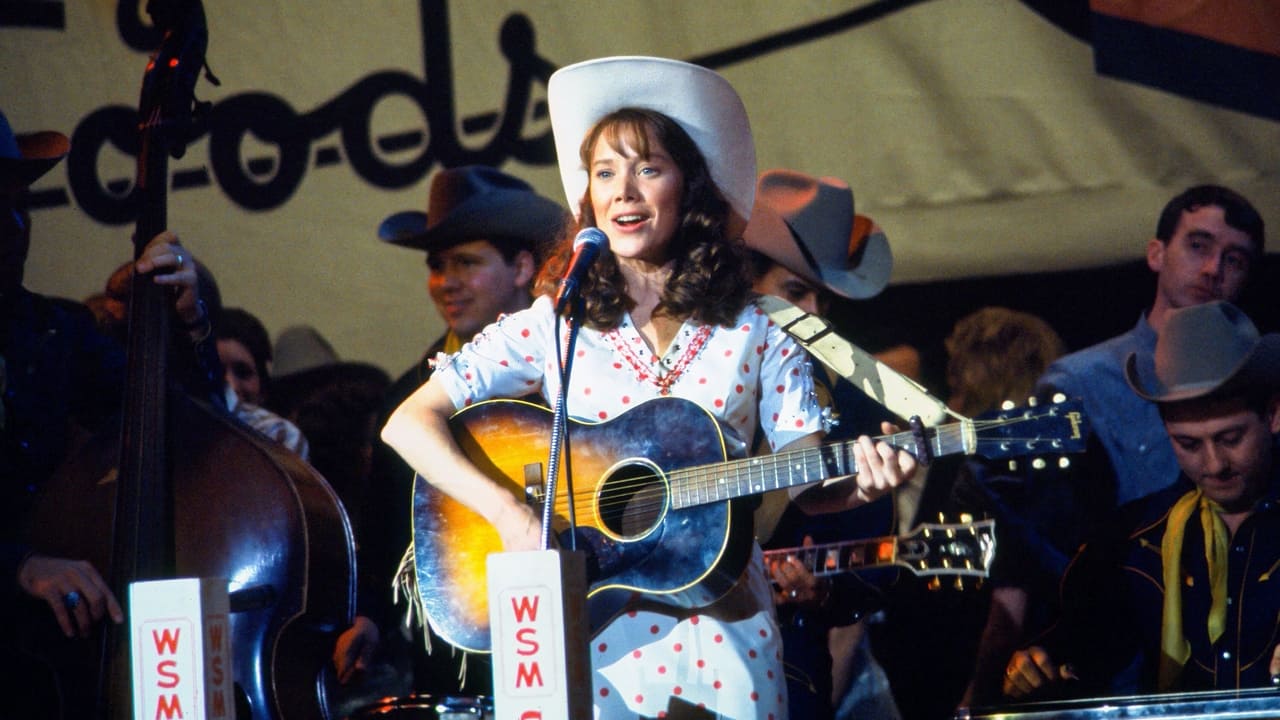
From Holler to Honky Tonk
This isn't your typical glossy Hollywood biopic. Director Michael Apted, known perhaps later for the ambitious Up documentary series which tracked lives over decades, brings a similar observational patience here. The film, based on Loretta Lynn's autobiography (penned with George Vecsey), breathes the air of its environment. We feel the constraints of poverty, the limited horizons, but also the fierce familial bonds and the burgeoning spirit of young Loretta Webb. The screenplay by Tom Rickman avoids sensationalism, letting the stark realities of her early life – married at 15 to the ambitious, restless Oliver "Doolittle" Lynn (often called "Mooney") – speak for themselves. There’s an unhurried quality to the storytelling, allowing us to understand the world that shaped the woman before the music ever began.
A Performance for the Ages
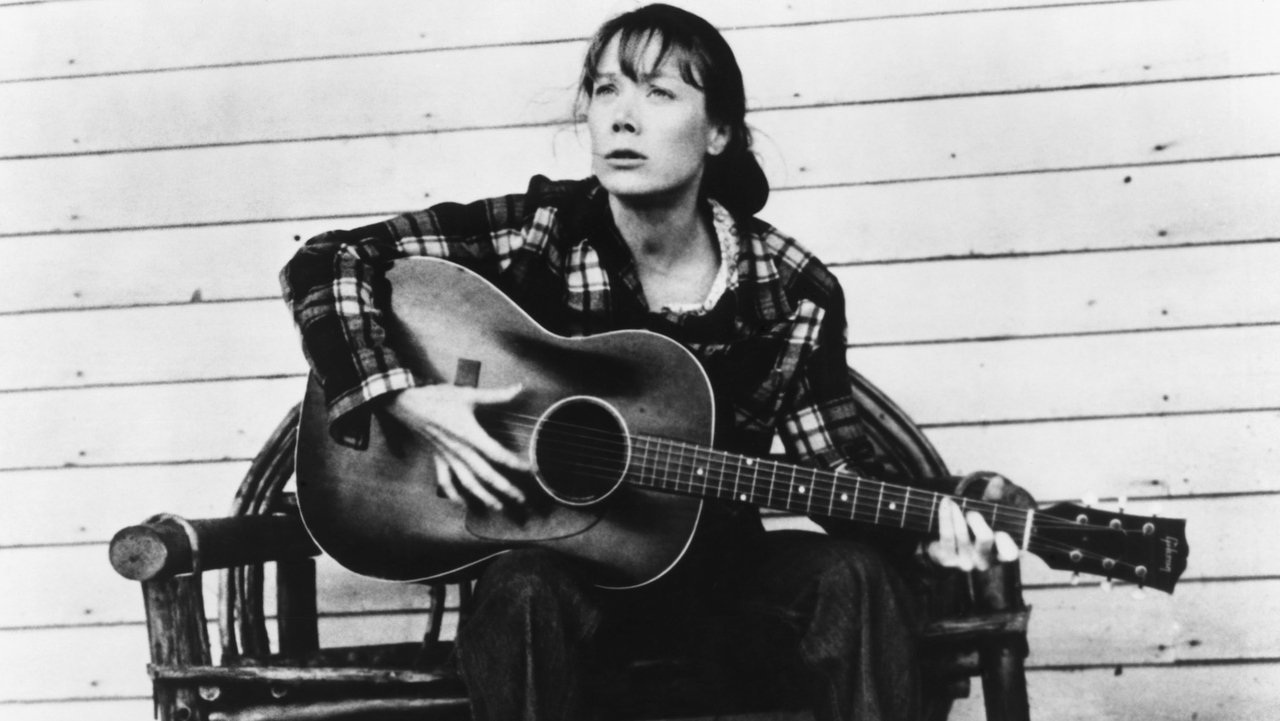
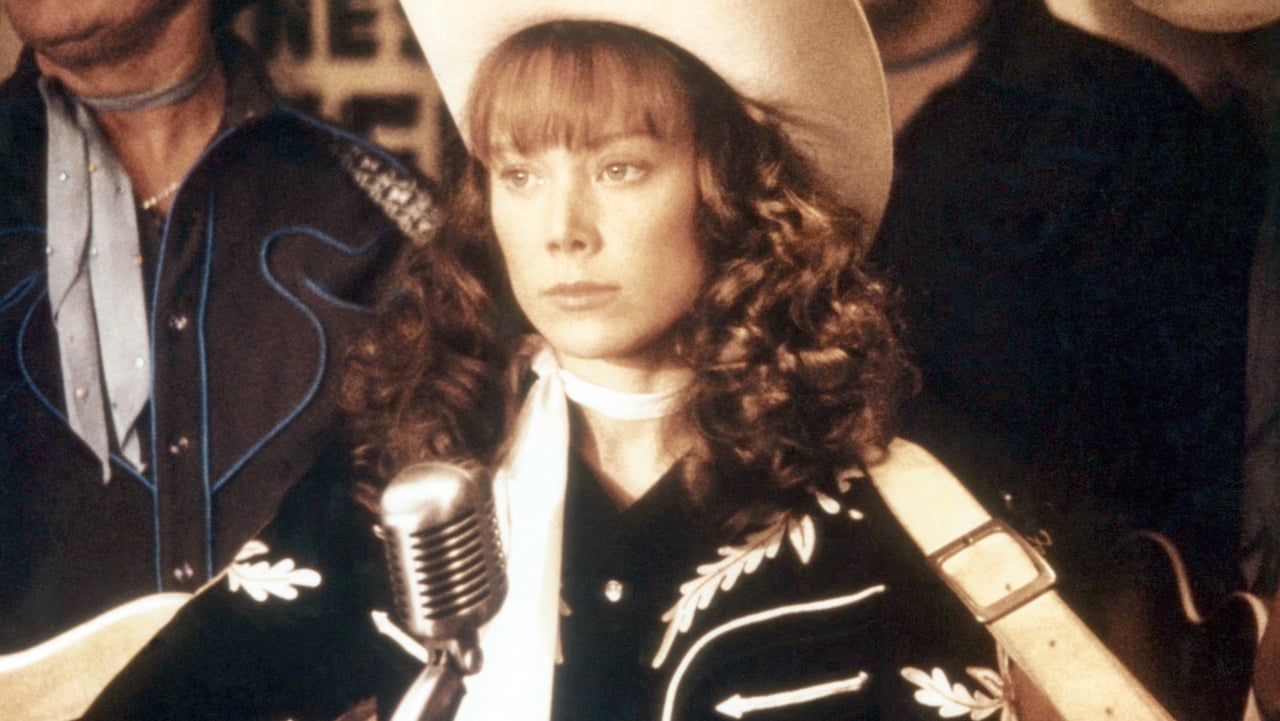
And then there's Sissy Spacek. It’s impossible to discuss Coal Miner's Daughter without centering on her extraordinary, Oscar-winning portrayal of Loretta Lynn. This isn't mere imitation; it's an act of profound empathy and transformation. Spacek captures Loretta’s journey from a shy, barely literate teenager to a seasoned, world-weary country music superstar with astonishing nuance. She embodies Loretta's pluck, her vulnerability, her burgeoning confidence, and later, the crushing weight of fame. What truly elevates the performance beyond skill into legend is Spacek's decision – strongly encouraged by Loretta Lynn herself – to do her own singing. Lynn reportedly told producers, "Sissy's gotta play me," after seeing a photo, sealing the deal before Spacek even auditioned. That authentic voice, channeling Lynn’s distinctive sound yet remaining Spacek’s own, bridges the gap between actress and subject, making the musical performances feel utterly earned and emotionally raw. It’s a complete immersion, physical and vocal, that remains a benchmark for biographical acting.
Doo and Patsy: Pillars of Support and Contrast
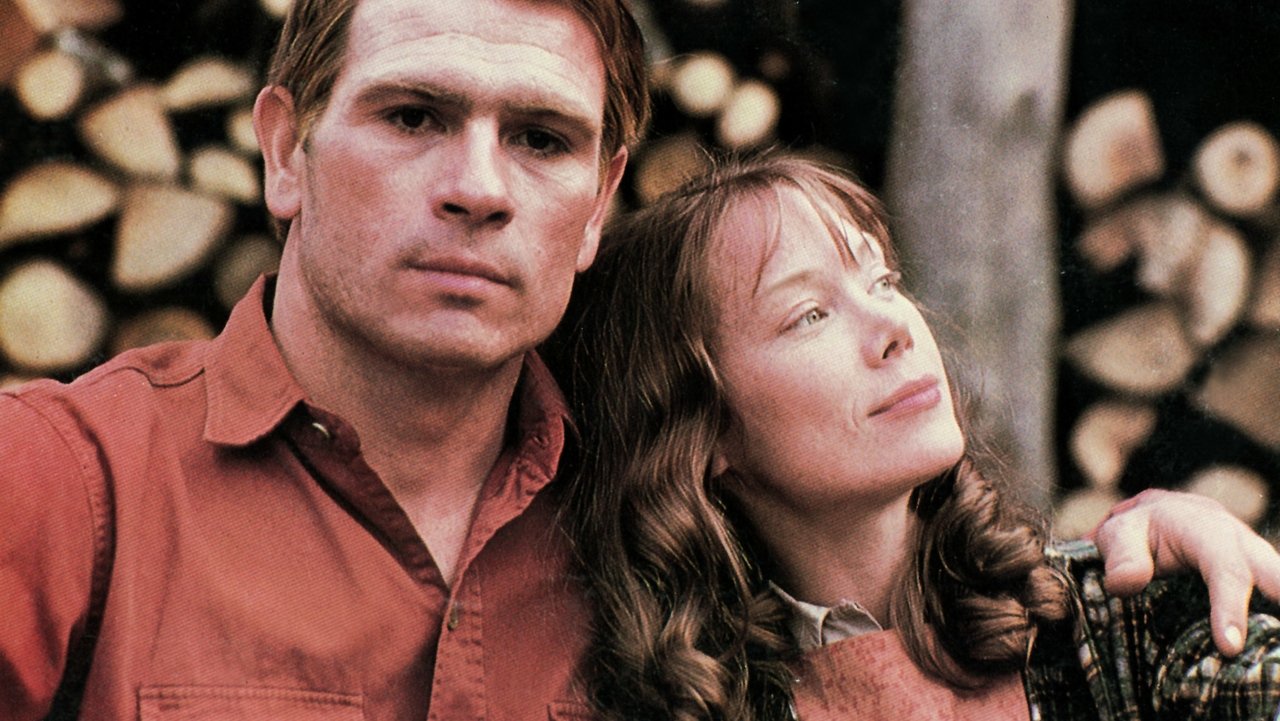
Alongside Spacek, Tommy Lee Jones delivers a career-defining performance as Doolittle. Jones, who wasn't the initial choice (reportedly Harrison Ford was considered!), makes the role entirely his own. His Doolittle is complex – fiercely supportive and instrumental in launching Loretta's career (buying her that first $17 Harmony guitar!), yet also possessive, prone to drinking and infidelity. Jones never softens these edges, presenting a man full of contradictions, deeply loving yet deeply flawed. Their relationship, the push and pull of dependence and independence, forms the volatile, compelling heart of the film. What does it mean when the person who lifts you up also threatens to pull you down? The film explores this without easy answers.
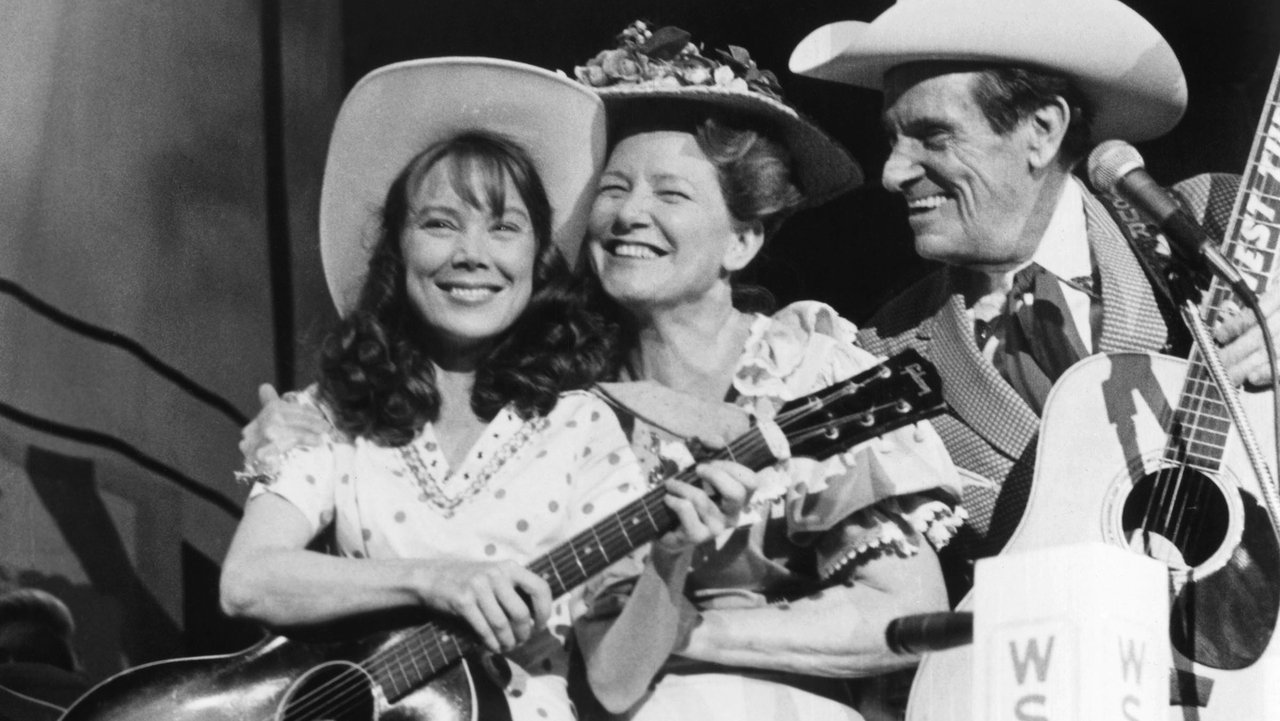
Equally memorable is Beverly D'Angelo as Patsy Cline. In just a few key scenes, she crafts a vivid portrait of a seasoned pro who becomes Loretta's mentor and closest confidante. D'Angelo radiates warmth, worldly wisdom, and a protective strength, offering Loretta a glimpse of female solidarity and navigating the treacherous waters of the music industry. Her friendship with Loretta provides some of the film's most touching moments, and her eventual fate casts a long shadow. D'Angelo, like Spacek, also performed her own vocals, adding another layer of authenticity to their on-screen musical connection.
The Grain of Truth
Michael Apted and cinematographer Ralf D. Bode deserve immense credit for the film's lived-in feel. Shot largely on location in Kentucky and Tennessee, the film eschews glamour. The Appalachian landscapes, the cramped cabins, the smoky honky-tonks – they all feel tangible. There's a deliberate lack of romanticism in the depiction of poverty and the grind of the early music career. This commitment to authenticity reportedly extended to the production itself; securing the rights and Lynn's blessing was crucial, ensuring the story felt true to her experience. The film cost roughly $15 million to make but resonated deeply, becoming a critical and commercial success, grossing over $67 million domestically (that's like $240 million today!) and proving audiences craved real stories, imperfections and all.
More Than Just Music
While the music is undeniably central, Coal Miner's Daughter transcends the genre. It's a powerful story about resilience, about finding your voice (literally and figuratively) against formidable odds. It examines the complexities of marriage, the often-corrosive effects of fame, and the enduring pull of one's roots. It asks us to consider the sacrifices demanded by ambition and the challenges women faced (and still face) in carving out their own space. Watching Loretta navigate demanding schedules, industry pressures, and personal turmoil, culminating in a powerful on-stage breakdown, feels painfully real. Doesn't this struggle to balance personal well-being with professional success still resonate today?
VHS Heaven Rating: 9/10
This rating reflects the film's sheer excellence across the board. Sissy Spacek's legendary, Oscar-winning performance is the anchor, but it's buoyed by equally strong work from Tommy Lee Jones and Beverly D'Angelo. Michael Apted's direction is sensitive and authentic, capturing the grit and heart of Loretta Lynn's story without resorting to melodrama. The commitment to realism, including the actors performing their own music, elevates it far above standard biopic fare. It loses perhaps a single point only in that the sheer breadth of the life covered occasionally necessitates narrative leaps, but this is a minor quibble in the face of such achievement.
Coal Miner's Daughter remains a landmark biographical film, one that felt incredibly raw and honest tucked away in its clamshell case back in the day, and still hits just as hard now. It’s a reminder that sometimes the most powerful stories are the true ones, told with courage and an open heart, leaving you with the echo of a truly unique voice long after the credits roll.