Okay, let's slide another tape into the VCR. This time, it's one that likely provoked some strong reactions back in the day, maybe even a bewildered head-shake after the credits rolled. Remember the anticipation? The Saturday Night Fever soundtrack was still echoing in our collective consciousness, John Travolta was still king... and then came the sequel, guided by an unexpected hand: Sylvester Stallone. Yes, Staying Alive (1983) landed with the subtlety of a glitter bomb, swapping the gritty realism of its predecessor for pure, unadulterated 80s Broadway gloss.

### From Brooklyn Grit to Broadway Gleam
The opening image itself tells you everything’s changed. Gone are the grimy streets and disco balls of 2001 Odyssey; instead, we get a hyper-stylized, almost abstract dance sequence showcasing a ridiculously sculpted Tony Manero. It's immediately clear this isn't the same troubled kid from Brooklyn. Six years have passed, and Tony is now teaching dance classes, living in a cheap Manhattan boarding house, and chasing the dream of starring in a Broadway show. The raw, desperate energy of Saturday Night Fever is replaced by a focused, almost calculated ambition, mirrored in Travolta's own astonishing physical transformation for the role – a dedication bordering on obsessive that feels very much in line with the era's burgeoning fitness culture. It was Stallone, reportedly, who pushed Travolta towards this near-bodybuilder physique, wanting Tony to look like a "caged tiger."
### Ambition, Ego, and That Stallone Touch
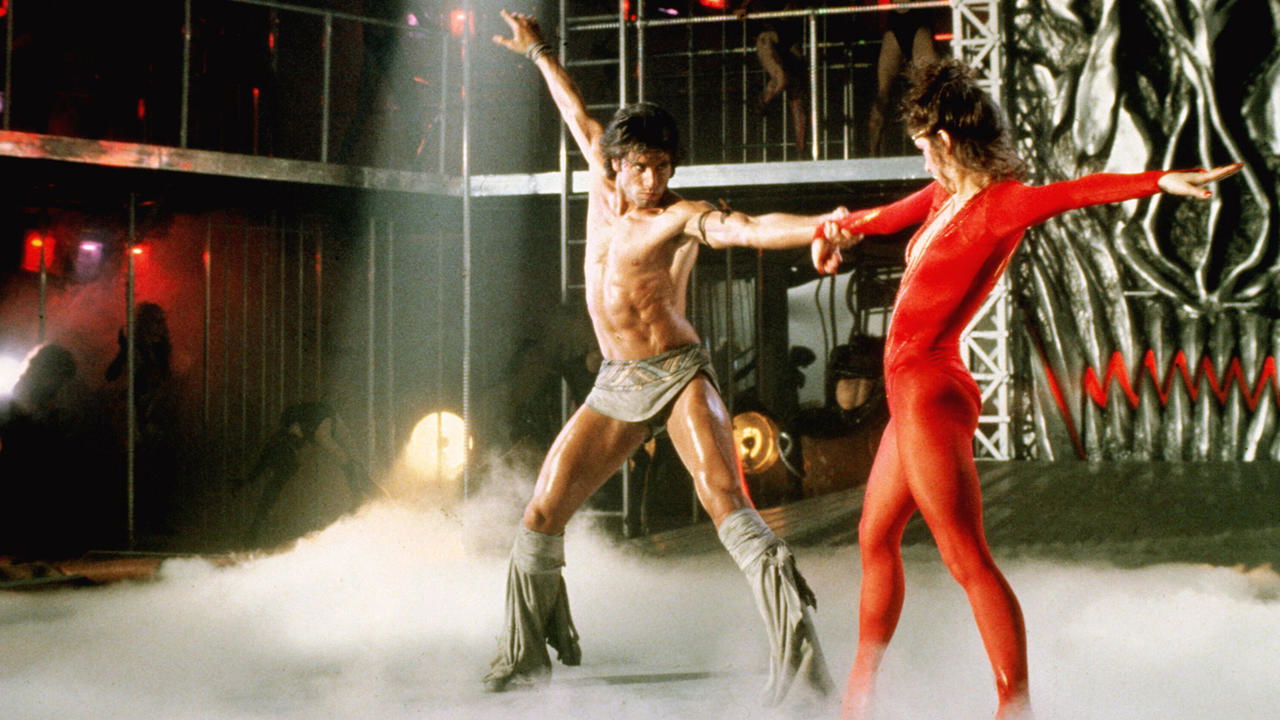
What unfolds is less a continuation of Tony's character study and more a high-energy melodrama set against the backdrop of auditions and rehearsals for a ridiculously over-the-top Broadway production called "Satan's Alley." Tony finds himself caught between two women: the loyal, supportive Jackie (Cynthia Rhodes, who radiated warmth just before her turn in Flashdance the same year and Dirty Dancing later), a fellow dancer and singer; and the wealthy, demanding star of the show, Laura (Finola Hughes, sharp and commanding).
Stallone's directorial influence is undeniable. You see echoes of Rocky in the relentless training montages, the slow-motion shots emphasizing physical exertion, and the underlying theme of the underdog striving for greatness. However, where Rocky felt grounded, Staying Alive often feels adrift in its own spectacle. The dialogue, co-written by Stallone and original SNF scribe Norman Wexler, sometimes lands with a thud, lacking the authentic street poetry of the first film. Tony's signature arrogance remains, but without the vulnerability that made him compelling, he occasionally borders on unlikeable here. What does it say about striving for success when the journey seems to strip away some of the character's core humanity?
### Sound and Fury, Signifying... Well, the 80s
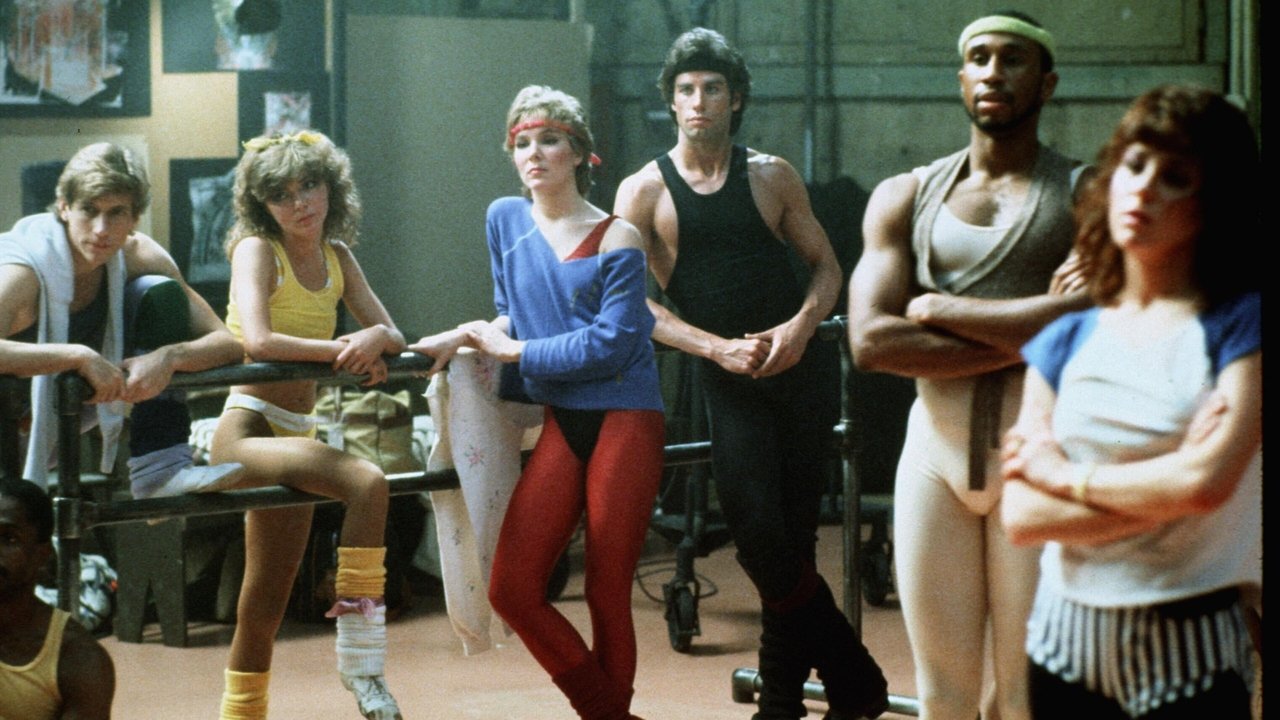
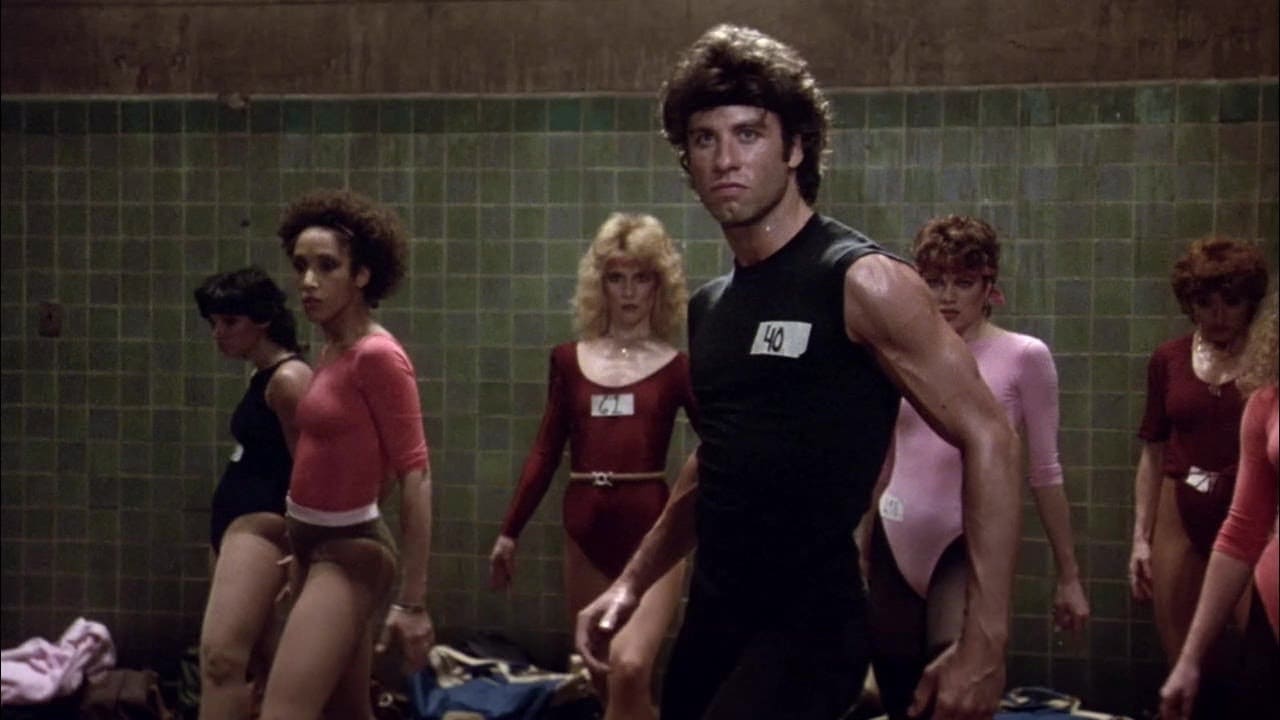
Let's talk about the dancing. It's... a lot. Forget the relatively grounded disco moves of the original; this is full-blown, high-concept, theatrical jazz-meets-modern-meets-something-else entirely. The choreography is athletic, demanding, and often visually spectacular, especially in the "Satan's Alley" finale. It's pure 80s excess, captured with slick cinematography. It's undeniably impressive on a technical level, but does it carry the same emotional weight as Tony losing himself on the illuminated floor in the first film? For many, probably not.
And the music! While the Bee Gees returned to contribute several tracks, the soundtrack's biggest hit famously came from the director's brother, Frank Stallone, with the undeniably catchy synth-rock anthem "Far From Over." It perfectly encapsulates the film's driving, high-energy, slightly overproduced vibe. The soundtrack, much like the film itself, was commercially successful (selling millions), proving that despite critical reservations, the appetite for Travolta and high-gloss entertainment was still strong. I remember the cassette being almost as ubiquitous as the movie rental for a while there.
### Retro Fun Facts: The Gloss Behind the Gleam
- Stallone's Surprise: How did Sly end up directing? Travolta, an admirer of the Rocky films, personally asked him. Stallone initially hesitated but saw it as a chance to direct something different, focusing on music and dance.
- Box Office Beatdown: Despite being savaged by critics (it holds a notorious 0% on Rotten Tomatoes from contemporary reviews and was nominated for several Razzies), Staying Alive was a significant box office success. On a budget of around $22 million, it pulled in nearly $65 million domestically and over $127 million worldwide. Audiences clearly wanted to see Tony strut again.
- Physicality: Travolta trained rigorously for months, dropping over 20 pounds and building significant muscle mass, working with Stallone himself to achieve the desired look.
- Deleted Subplot: A subplot involving Tony visiting his mother back in Brooklyn was filmed but cut, reportedly to keep the focus squarely on the Manhattan/Broadway storyline, perhaps contributing to the feeling of detachment from the original's roots.
- PG Polish: Unlike the R-rated grit of Saturday Night Fever, Staying Alive aimed for a broader audience with a PG rating, sanding off many of the rougher edges of Tony's world.
### Legacy of a Flawed Spectacle
Staying Alive remains a fascinating artifact of its time. It's a sequel that fundamentally misunderstood, or perhaps deliberately ignored, the raw appeal of its predecessor. It traded gritty character drama for slick, MTV-inspired visuals and Broadway bombast. Yet, there's an undeniable energy to it. The dance sequences, particularly the finale, are memorable in their sheer audacity. The performances, while working with thinner material, are committed – Travolta looks the part of a driven dancer, Rhodes is genuinely appealing, and Hughes makes a striking foil.
Is it a good film in the traditional sense, especially compared to the near-perfect Saturday Night Fever? No. It lacks depth, subtlety, and the raw emotional core that made the original resonate so powerfully. But watching it now, through the warm, fuzzy filter of the VHS era, it's hard not to feel a certain affectionate nostalgia for its unabashed excess. It’s a time capsule of early 80s ambition, aesthetics, and powerhouse soundtracks. It failed as a true continuation of Tony Manero's story, but perhaps succeeded as pure, unfiltered Reagan-era entertainment spectacle.
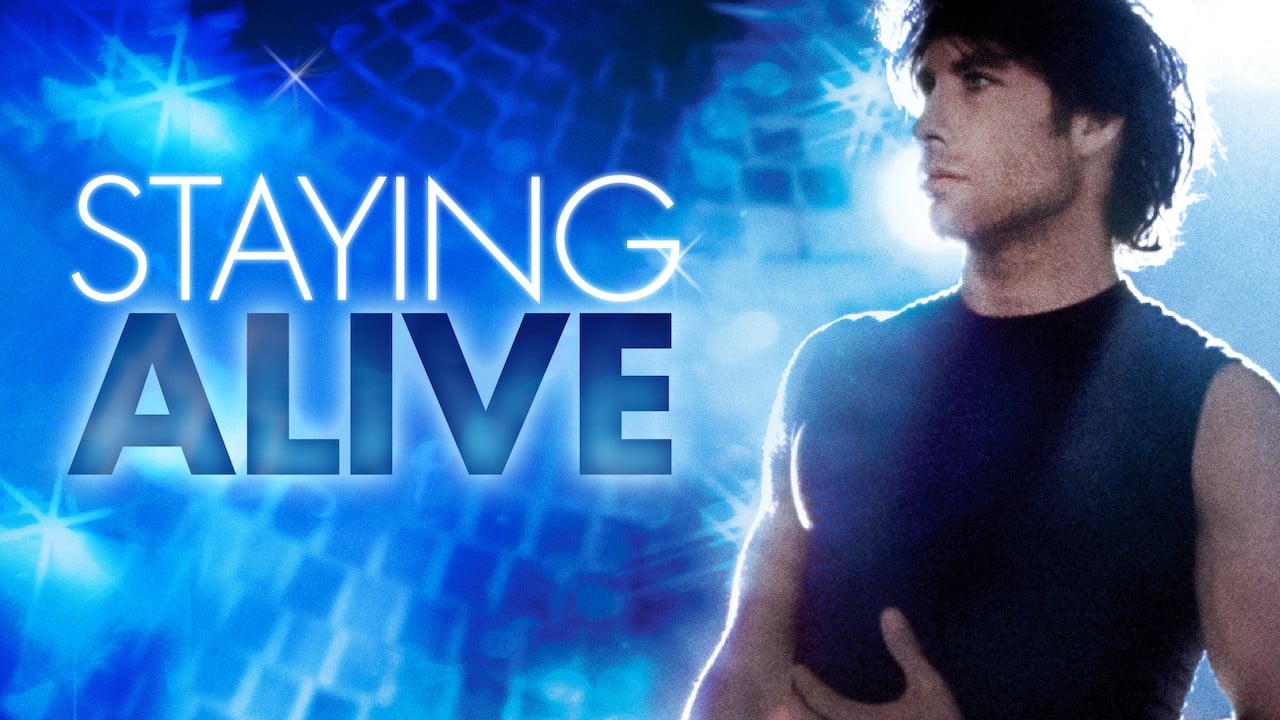
Rating: 4/10
The score reflects the film's significant narrative and tonal shortcomings compared to its predecessor, the often clunky dialogue, and the lack of character depth. However, it earns points for the sheer spectacle of the dance numbers, the undeniable energy, Travolta's physical commitment, a killer soundtrack (in its own 80s way), and its status as a fascinating, if flawed, piece of 80s pop culture history. It's a quintessential 'turn your brain off and watch the pretty movement' kind of rental.
What lingers after the tape ejects isn't Tony's character arc, but the sheer, dazzling, slightly hollow spectacle of it all – a fever dream of 80s Broadway ambition that could only have happened exactly when it did.