Okay, fellow travelers in time, let's wind back the tape to an era when rebellion felt righteous, music filled the air, and the future seemed like an open field of possibility – even under the long shadow of war. I'm talking about Miloš Forman's ambitious, vibrant, and ultimately heart-wrenching 1979 film adaptation of Hair. Slipping this tape into the VCR always felt like opening a time capsule, not just to the late 60s counter-culture it depicts, but to the late 70s moment when Hollywood dared to translate such a revolutionary stage musical to the screen.
### Letting the Sunshine In, Years Later
It's fascinating to remember that Hair the movie arrived a full twelve years after the original "American Tribal Love-Rock Musical" exploded onto the Off-Broadway scene (and later Broadway). That gap is crucial. By 1979, the specific hippie zeitgeist had largely faded, replaced by disco beats and a different kind of cultural energy. Yet, this distance allowed Forman, the brilliant Czech director who had already given us the definitive anti-authoritarian statement One Flew Over the Cuckoo's Nest (1975), to approach the material not just as a celebration, but with a layer of poignant reflection. Working from a screenplay adaptation by Michael Weller (based on the original book and lyrics by Gerome Ragni and James Rado), Forman didn't just film the stage show; he reimagined it for cinema, grounding its theatricality in a tangible, lived-in reality.
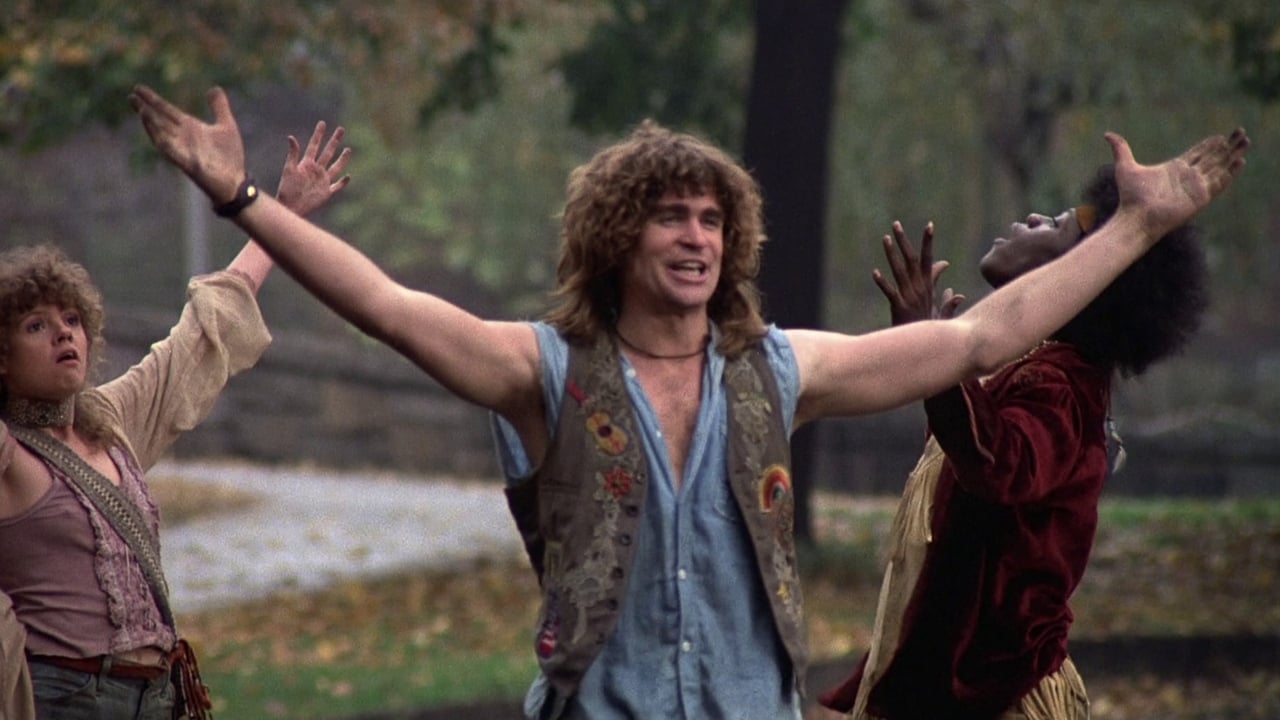
The story introduces us to Claude Hooper Bukowski (John Savage), a naive Oklahoman farm boy arriving in New York City for his army induction, destined for Vietnam. Before he reports, he stumbles headfirst into a tribe of free-spirited hippies living life loud and proud in Central Park, led by the magnetic, anarchic George Berger (Treat Williams in a star-making turn). Claude is instantly smitten, not just by the group's infectious energy, but specifically by Sheila Franklin (Beverly D'Angelo), a debutante who momentarily crosses their path. What follows is a whirlwind tour through their world – a world of spontaneous happenings, psychedelic exploration, communal living, protest, and, above all, incredible music.
### The Tribe Comes Alive
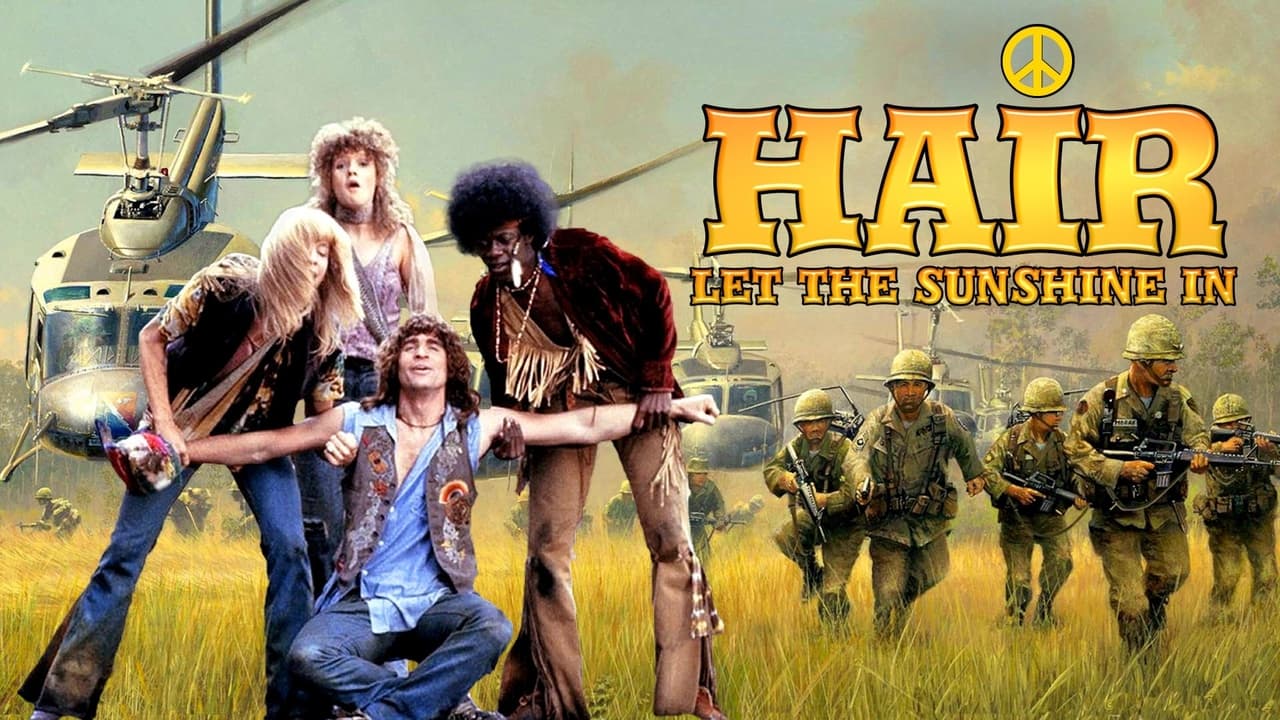
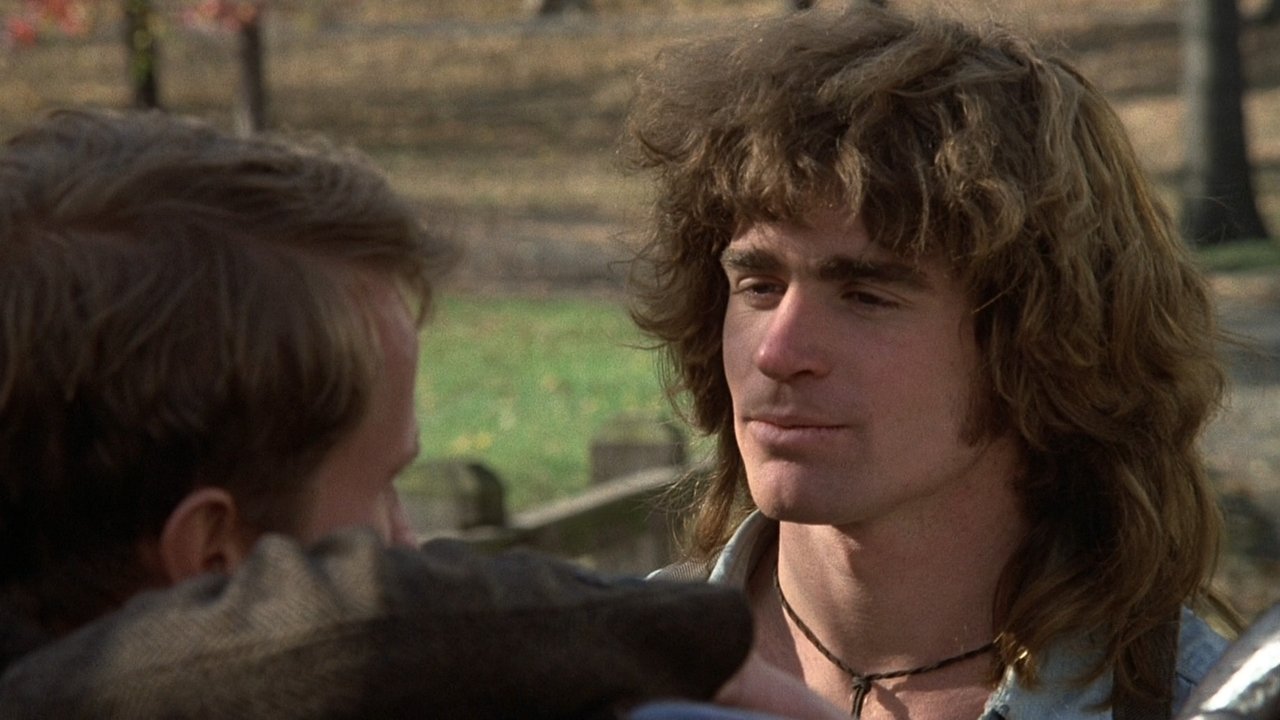
Forman had a remarkable talent for ensemble pieces, and Hair is no exception. While the plot is episodic, driven more by Claude's experiences and the tribe's philosophy than a traditional narrative arc, the characters burst with life. John Savage perfectly embodies Claude's innocence and inner conflict, torn between duty and desire, tradition and freedom. He’s our wide-eyed entry point into this unfamiliar world. But it's Treat Williams as Berger who often steals the show. His charisma is electric; he's funny, rebellious, fiercely loyal, and embodies the untamed spirit of the movement. You completely believe why people would follow him anywhere. And Beverly D'Angelo, fresh off National Lampoon's Vacation, brings warmth and complexity to Sheila, the society girl drawn to the tribe's authenticity. The supporting cast, including Annie Golden (Jeannie), Dorsey Wright (Hud), and Don Dacus (Woof), create a believable, loving, chaotic family unit.
A fun piece of trivia: the casting process was intense. Williams reportedly beat out contenders like Andy Gibb for the role of Berger, a choice that feels absolutely perfect in hindsight. D'Angelo, meanwhile, apparently clinched her role partly because she belted out a song during her audition, impressing Forman with her vocal power – something absolutely essential for this film.
### Music, Movement, and Meaning
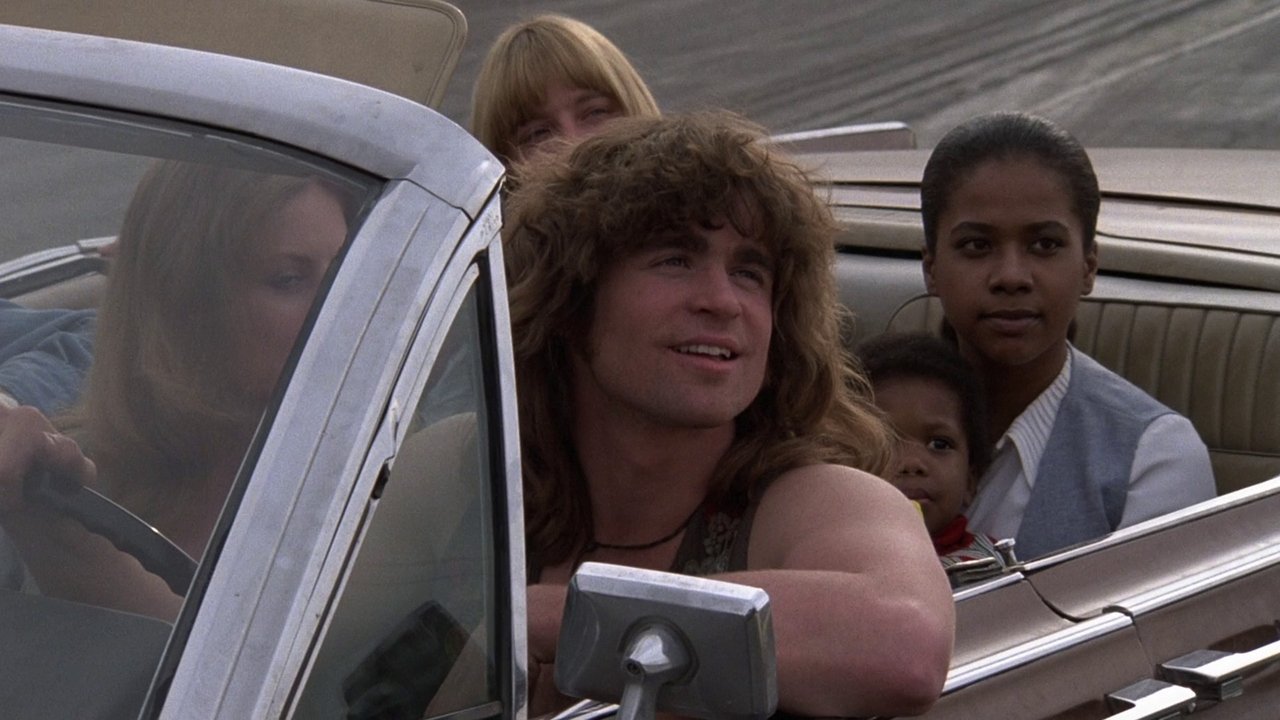
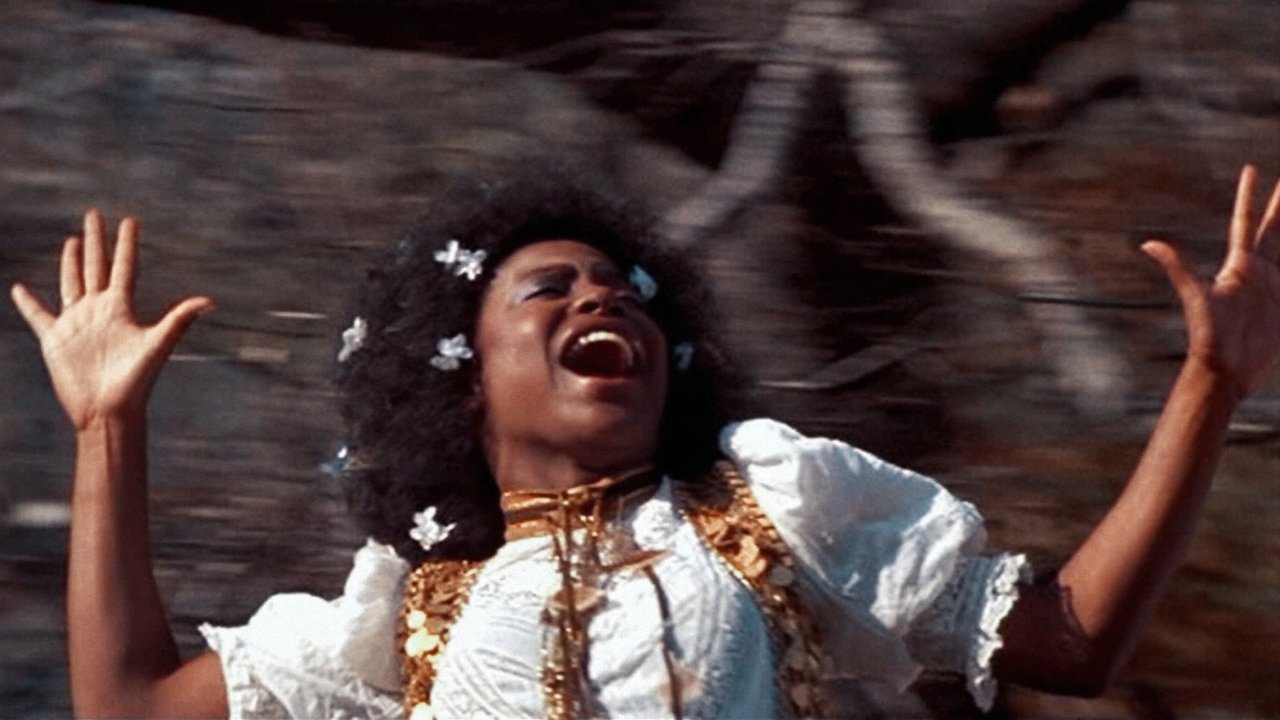
Of course, you can't talk about Hair without talking about the music. Galt MacDermot's score, with lyrics by Ragni and Rado, remains iconic. Songs like "Aquarius," "Good Morning Starshine," "Easy to Be Hard," and the powerful anthem "Let the Sunshine In" aren't just musical numbers; they are expressions of philosophy, protest, and raw emotion. Forman stages these sequences brilliantly, often taking them out of enclosed spaces and into the streets and parks of New York City. The legendary Twyla Tharp's choreography adds a layer of dynamic, sometimes almost primal, energy to these scenes. That opening sequence for "Aquarius" in Central Park, with its sheer scale and vibrant life, still feels breathtaking – capturing a sense of collective joy and defiance that feels incredibly potent. Filming such large-scale numbers outdoors presented huge logistical hurdles, but the payoff is immense, giving the film an epic scope the stage version couldn't replicate.
Beneath the vibrant colours, flowing hair, and infectious tunes, Hair carries a profound anti-war message. Forman, having lived under oppressive regimes, understood the preciousness of freedom and the cost of conformity. The film doesn't shy away from the looming threat of Vietnam, which hangs over Claude and the entire tribe. It explores themes of personal liberty, societal expectation, race, sexuality, and the search for meaning in a turbulent world. While some aspects might feel dated through a modern lens, the core message about peace, love, and questioning authority resonates powerfully.
### A Time Capsule Worth Opening
Hair wasn't a cheap production for its time, costing around $11 million, but it found its audience, bringing in close to $40 million at the box office. This success proved that the story, even arriving after the cultural moment it depicted had passed, still held a deep connection for viewers. It captured a spirit, a longing for connection and change, that felt timeless. Watching it on VHS back in the day, perhaps on a rainy Saturday afternoon, felt like being let in on a secret – a vibrant, noisy, beautiful secret about a generation that dared to dream differently. The colours popped even on our fuzzy CRT screens, the music filled the room, and the story, with its blend of joy and sorrow, always left a mark.
It’s a film that celebrates life with an almost overwhelming energy, yet carries an undeniable undercurrent of sadness for lost innocence and the harsh realities that idealism inevitably confronts. Forman masterfully balances the exuberance with the melancholy, creating a film that is both uplifting and deeply moving.
VHS Heaven Rating: 9/10
This rating reflects the film's outstanding direction, unforgettable performances (especially from Williams), iconic music, brilliant choreography, and its daring, successful translation of a counter-culture phenomenon to the screen. It perfectly captures a specific moment in time while exploring universal themes of freedom, war, and belonging, all with incredible energy and heart. It loses a single point perhaps only because some elements inevitably feel tied to their specific era, but its emotional power remains undiminished.
Hair isn't just a musical; it's an experience. It’s a blast of vibrant energy, a poignant reminder of youthful rebellion, and a film that encourages you, even decades later, to let the sunshine in. A true gem from the tail-end of the 70s, perfectly preserved on those well-worn tapes.