The opening beats hit you like a shockwave through those old TV speakers – the raw, electric pulse of the streets, captured on magnetic tape. Forget polished Hollywood fantasies for a moment; 1984’s Beat Street felt like plugging directly into the source. It wasn't just a movie; for many of us discovering it in suburban living rooms via a chunky VHS cassette, it was a vibrant, pulsating dispatch from the heart of a cultural revolution happening miles away in the boroughs of New York City. This wasn't just entertainment; it felt like witnessing history being made, one scratch, rhyme, pop, and spray-can stroke at a time.
The Concrete Canvas
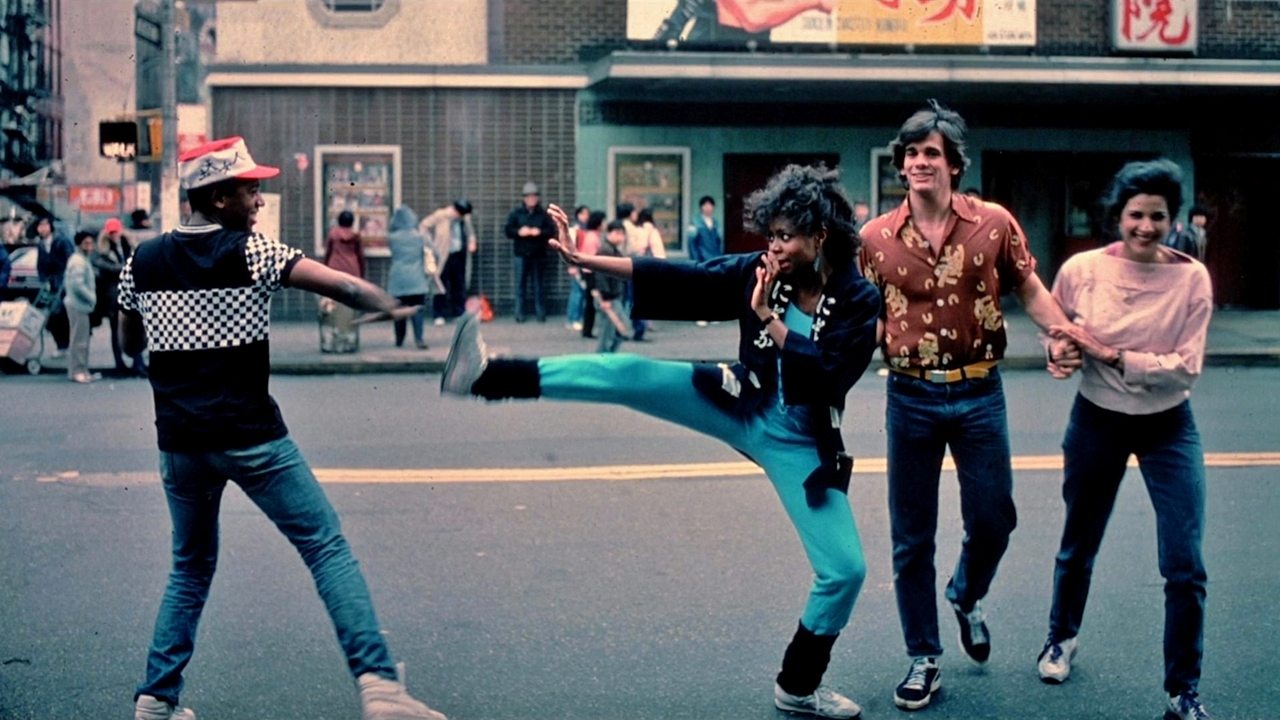
Directed by Stan Lathan, a veteran of television who understood how to capture energy on screen (perhaps honed from his work on shows like Sesame Street and later Def Comedy Jam), Beat Street dives headfirst into the burgeoning hip-hop scene of the South Bronx. Written by Andrew Davis (yes, the future director of The Fugitive!), David V. Picker, and Steven Hager (whose Village Voice article "Afrika Bambaataa's Hip-Hop" was a key inspiration), the film aimed for a grittier, more authentic portrayal than its West Coast counterpart, Breakin', which arrived in theaters just a month earlier. And largely, it succeeded. You can almost smell the spray paint and feel the vibrations from the massive boomboxes. The film follows a loosely connected group of friends chasing their artistic dreams: Kenny "Double K" Kirkland (Guy Davis, son of acting legends Ossie Davis and Ruby Dee), a talented DJ spinning beats in makeshift clubs; his younger brother Lee (Robert Taylor), a gifted B-boy honing his power moves; Ramon "Ramo" Franco (Jon Chardiet), a passionate graffiti artist tagging subway cars as his canvas; and Tracy Carlson (Rae Dawn Chong, already a rising star after Quest for Fire), a college music student fascinated by this vibrant subculture.
Meet the Beat Street Crew
The performances feel earnest, capturing the youthful hope and frustration of chasing artistic validation against a backdrop of urban decay. Guy Davis brings a steady, thoughtful presence to Kenny, the aspiring DJ trying to make his mark. Jon Chardiet perfectly embodies the fiery passion and rebellious spirit of Ramo, whose art is both a declaration and a risk. And Rae Dawn Chong serves as the audience's bridge, her character Tracy offering an outsider's perspective while becoming increasingly drawn into the scene's magnetic pull. While the plot threads sometimes feel a bit episodic, weaving together DJ battles, dance-offs, graffiti missions, and burgeoning romance, it's the sheer energy and commitment of the cast, including numerous real-life hip-hop pioneers, that carries the film.
Retro Fun Fact: Legendary producer Harry Belafonte was a driving force behind Beat Street, wanting to showcase the positive creative energy emerging from often-neglected communities. His involvement lent the project significant credibility and helped attract genuine talent from the burgeoning hip-hop world.
The Sound and the Fury: Hip-Hop Takes Center Stage
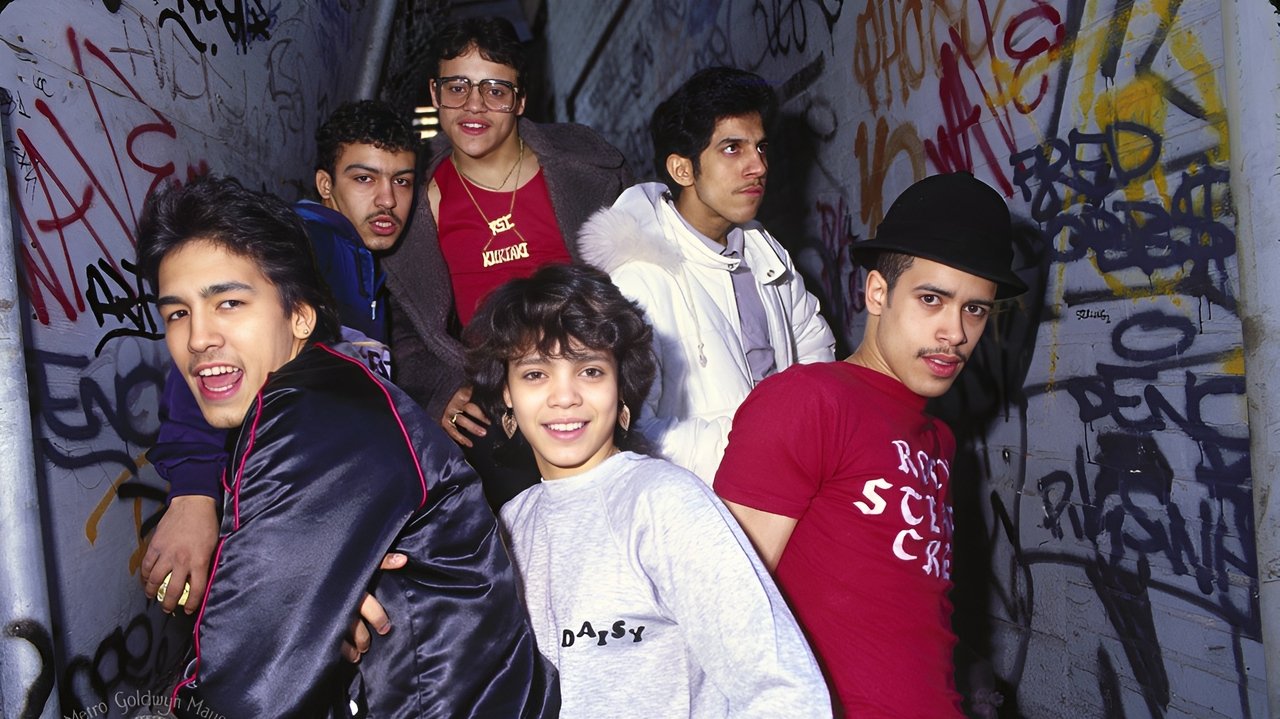
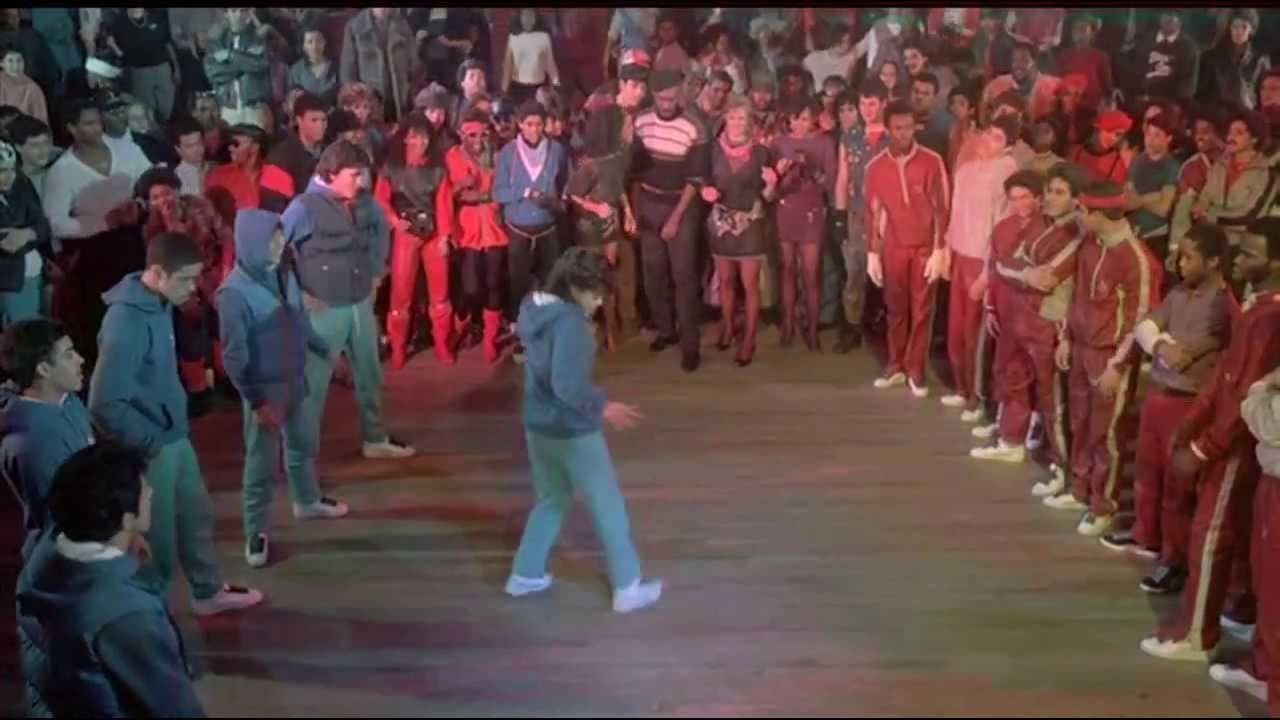
Let’s be honest, the real star of Beat Street is the culture itself. The film is practically a time capsule of early-'80s hip-hop, showcasing all four foundational elements: DJing (Kenny’s hypnotic scratching), MCing (the legendary Grandmaster Melle Mel & The Furious Five delivering a blistering performance of "Beat Street Breakdown"), B-boying (jaw-dropping battles featuring the Rock Steady Crew and New York City Breakers), and graffiti art (Ramo’s vibrant, defiant subway masterpieces). The Roxy nightclub scenes crackle with an energy that feels utterly authentic – these weren't just actors going through motions; these were pioneers doing what they did best. Seeing Afrika Bambaataa & Soulsonic Force, Doug E. Fresh, or Kool Herc on screen felt revelatory back then. The soundtrack, packed with electro-funk and early rap anthems, became instantly iconic and remains a cornerstone of the genre's history. I distinctly remember trying (and failing miserably) to replicate some of those B-boy moves after watching this tape – the floor burns were worth it for feeling even a fraction of that energy.
Graffiti Dreams and Tragic Realities
Ramo's storyline provides some of the film's most visually striking and emotionally resonant moments. His dedication to his aerosol art, transforming drab subway trains into moving murals under the cover of darkness, highlights the drive for expression that fueled so much of early hip-hop. The film doesn't shy away from the dangers, portraying the constant threat from rival crews and the authorities.
Retro Fun Fact: To achieve the impressive graffiti sequences, the production employed actual legendary graffiti artists like PHASE 2, DONDI, and SEEN TC5. They worked directly on decommissioned MTA subway cars provided for the film, ensuring the art felt vibrant and authentic to the era's styles. Filming these scenes often involved complex logistics within the real NYC transit system.
While Beat Street celebrates the creativity, it also injects a dose of sobering reality, culminating in a tragic event (Spoiler Alert!) involving Ramo that underscores the precariousness of life and art in that environment. This element gives the film a weight that Breakin' largely avoided, grounding the joyous expression in a tougher context. It cost around $9 million to make and pulled in about $16.6 million domestically – respectable, but not a blockbuster smash. Yet, its influence far outstripped its box office returns, especially internationally, where it became a vital introduction to hip-hop culture for countless fans. IMDb users rate it a solid 6.6/10, reflecting its cult status appreciation.
A Timeless Beat on VHS
Watching Beat Street today is like unearthing a beloved mixtape. Some elements might feel dated – the fashion, some dialogue perhaps – but the core energy, the incredible music, the breathtaking dance sequences, and the sheer passion radiating from the screen remain utterly captivating. It captured a specific, electrifying moment in time when creativity exploded from the sidewalks and subway tunnels, changing music and culture forever. It wasn't just a movie about hip-hop; it felt like it was hip-hop, distilled onto a VHS tape that wore out in VCRs across the globe. For anyone wanting to understand the roots of the culture or simply relive that incredible '80s energy, Beat Street is essential viewing.
Rating: 8/10
This score reflects Beat Street's undeniable cultural significance, its incredible soundtrack and dance sequences, and its authentic portrayal of the early hip-hop scene. While the narrative structure is occasionally loose and some dramatic elements feel a bit underdeveloped, its raw energy, historical importance, and sheer passion easily outweigh these minor flaws. It’s a vibrant snapshot of a revolution in progress.
Beat Street wasn't just a film; it was an invitation to a party happening on the other side of the screen, a party whose beats still echo powerfully today. Press play, turn it up loud, and feel the rhythm.