It arrives like a whispered rumour from a dream, doesn't it? The memory of Pennies from Heaven. Not the bright, comforting fantasy suggested by its title, but something far stranger, more unsettling. Slipping this tape into the VCR back in the day often came after seeing Steve Martin's face on the cover, perhaps expecting the wild and crazy guy antics of The Jerk. What unfolded instead was a bold, often brutal, dissection of dreams deferred, wrapped in the borrowed finery of Depression-era pop songs. It’s a film that challenges, provokes, and ultimately lingers in a way few truly dare.
### Beneath the Glitter, a Chilling Truth
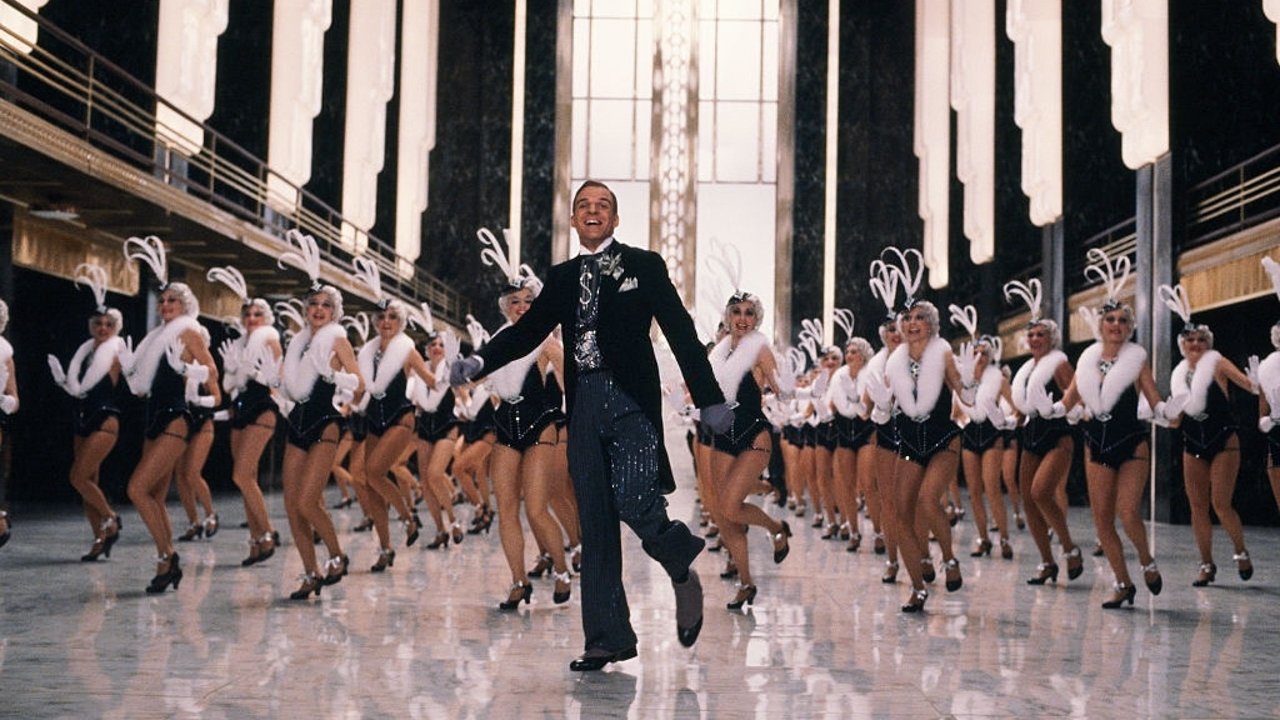
The central conceit, inherited from Dennis Potter's brilliant 1978 BBC series upon which this 1981 film is based, remains audacious. Arthur Parker (Steve Martin), a struggling sheet music salesman in 1930s Chicago, lives a life crumbling under the weight of economic hardship and his own moral failings. His marriage to the repressed, unhappy Joan (Jessica Harper) is sterile, and his desires lead him into a destructive affair with the naive schoolteacher Eileen (Bernadette Peters). This grim reality is punctuated, jarringly, by elaborate fantasy sequences where the characters lip-sync perfectly to the optimistic, escapist popular songs of the era. Director Herbert Ross, known for more conventional hits like Footloose and Steel Magnolias, marshals these sequences with astonishing visual flair. Lavish sets, intricate choreography by Danny Daniels, and meticulous period detail create moments of breathtaking beauty, starkly contrasting the drab misery of the characters' actual lives. The effect isn't comforting nostalgia; it's a profound commentary on the dangerous allure and ultimate emptiness of manufactured happiness when reality offers none.
### A Wild and Crazy Gamble
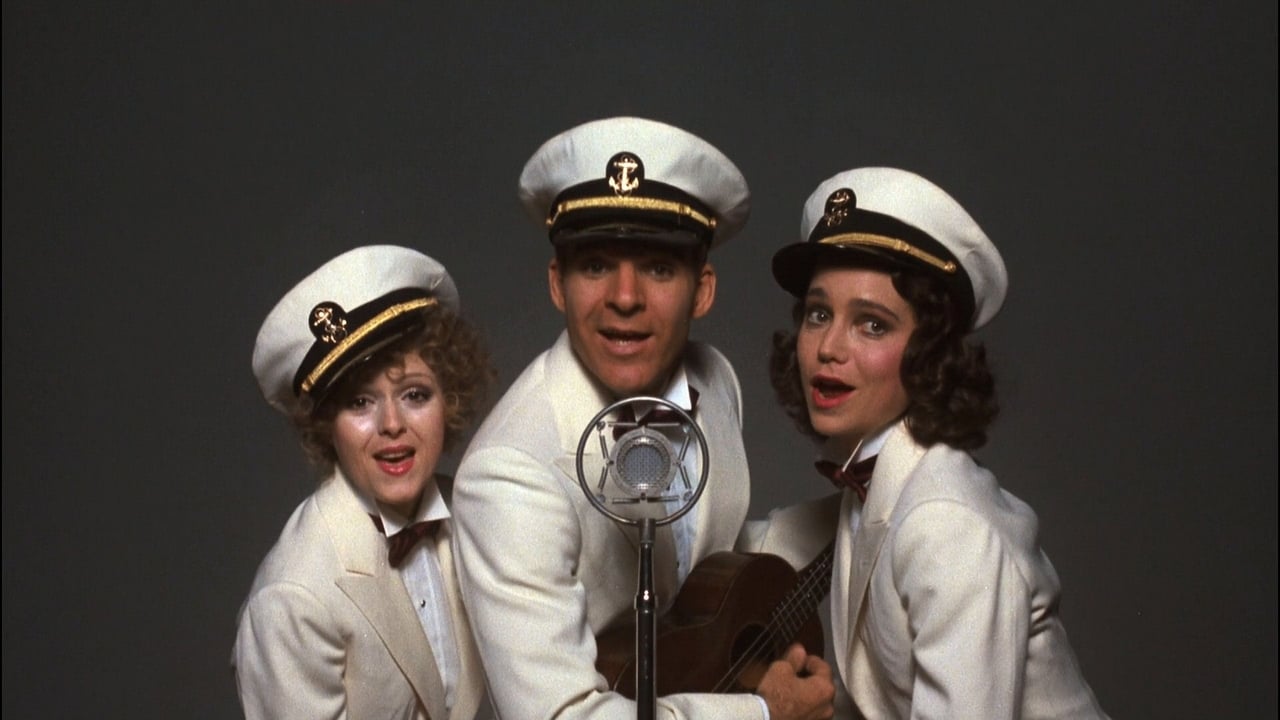
Casting Steve Martin as Arthur Parker was perhaps the film's biggest gamble. Fresh off his stratospheric stand-up success and comedic film breakthroughs, audiences were primed for laughter. Instead, Martin delivers a performance steeped in quiet desperation and unlikeable weakness. It's a brave turn, stripping away the familiar persona to reveal a man trapped by his own desires and the grim circumstances of his time. Does it entirely work? For some, Martin's inherent comedic energy occasionally feels at odds with Arthur's bleakness. Yet, there's a fascinating tension in watching him navigate this terrain. He committed fully, reportedly taking tap lessons for six months to prepare for the intricate musical numbers. It wasn't the performance audiences expected, or perhaps even wanted, contributing to the film's notorious box office failure – it cost a hefty $22 million (around $70 million today) and barely recouped $9 million. But viewed now, removed from those initial expectations, Martin's portrayal feels like a crucial part of the film's unsettling power. He embodies the disconnect: the smiling face singing hopeful tunes while the soul behind it drowns.
### Performances That Pierce the Heart
While Martin's casting drew attention, the film truly belongs to Bernadette Peters. As Eileen, later transforming into the hardened "Lulu," Peters is simply heartbreaking. She captures the character's initial innocence and devastating disillusionment with aching vulnerability. Her wide eyes initially reflect the naive hope peddled by the era's songs, only to later mirror the harsh realities she faces. It's a performance of raw emotion, grounding the film's stylized concept in palpable human suffering. Jessica Harper, too, is excellent as the brittle, increasingly resentful wife, Joan. And then there’s Christopher Walken. His single scene, a charismatic, slightly sinister tap-dancing pimp performing "Let's Misbehave," is electrifying. It’s a showstopper that reportedly required intense rehearsal, showcasing Walken’s unique screen presence and dance background, deservedly becoming one of the film's most iconic moments.
### Retro Fun Facts: Artistry and Audacity
The production itself was a feat of ambition. Sourcing pristine original 1930s recordings for the lip-sync sequences was a major undertaking. Dennis Potter adapted his own teleplay, though reports suggest he wasn't entirely pleased with the cinematic translation, feeling some of the bleaker edges were softened (hard as that may be to believe watching the final film!). Despite its commercial failure, the film's artistry didn't go entirely unnoticed, securing Oscar nominations for Best Adapted Screenplay, Best Costume Design (the legendary Bob Mackie), and Best Art Direction/Set Decoration. The studio, MGM/UA, under executive David Begelman, took a significant risk backing such unconventional material, and its financial failure had repercussions. It stands as a fascinating example of a major studio swinging for the fences with genuinely challenging art, a rarity then and perhaps even more so now.
### Why It Still Resonates (and Disturbs)
Watching Pennies from Heaven today, perhaps pulling out that worn VHS copy or finding it streaming, feels different. Its initial shock value might have faded, but its thematic power hasn't. The film forces us to confront uncomfortable questions about escapism. Are these fantasy sequences Arthur's refuge, or are they symptoms of his inability to cope with reality? Does the relentless optimism of the music mock the characters' suffering, or offer a fleeting, necessary glimpse of beauty in ugliness? There are no easy answers. Potter's vision is intentionally complex, weaving together social commentary, psychological drama, and musical spectacle into something unique and potent. It’s a film that explores the darkness that can fester beneath a smiling surface, a theme as relevant today as it was during the Great Depression, or indeed, in 1981.
---
Rating: 8/10
Pennies from Heaven is not an easy film, nor is it trying to be. Its commercial failure is perhaps understandable given its challenging themes and defiance of audience expectations, especially regarding its star. However, its artistic ambition, stunning production values, the haunting contrast between its musical numbers and bleak narrative, and unforgettable performances (especially from Peters and Walken) make it a unique and essential piece of cinema from the era. It earns its 8 for sheer audacity, visual brilliance, and the lingering, melancholic questions it poses long after the tape stops rolling.
It remains a stark reminder that sometimes, the brightest songs can emerge from the darkest timelines, offering a beauty that is both captivating and deeply unsettling.