It landed in video stores, often as a hefty double-VHS set, feeling less like a regular movie rental and more like an event. 1996's Evita wasn't just another film; it was the culmination of decades of Hollywood trying, and often failing, to bring Andrew Lloyd Webber and Tim Rice's audacious rock opera about Argentina's controversial First Lady to the screen. Seeing it flicker to life on a CRT felt like witnessing something significant, ambitious, maybe even a little overwhelming. Does that sheer scale and ambition still resonate today, away from the initial hype?
Painting Argentina on a Grand Canvas
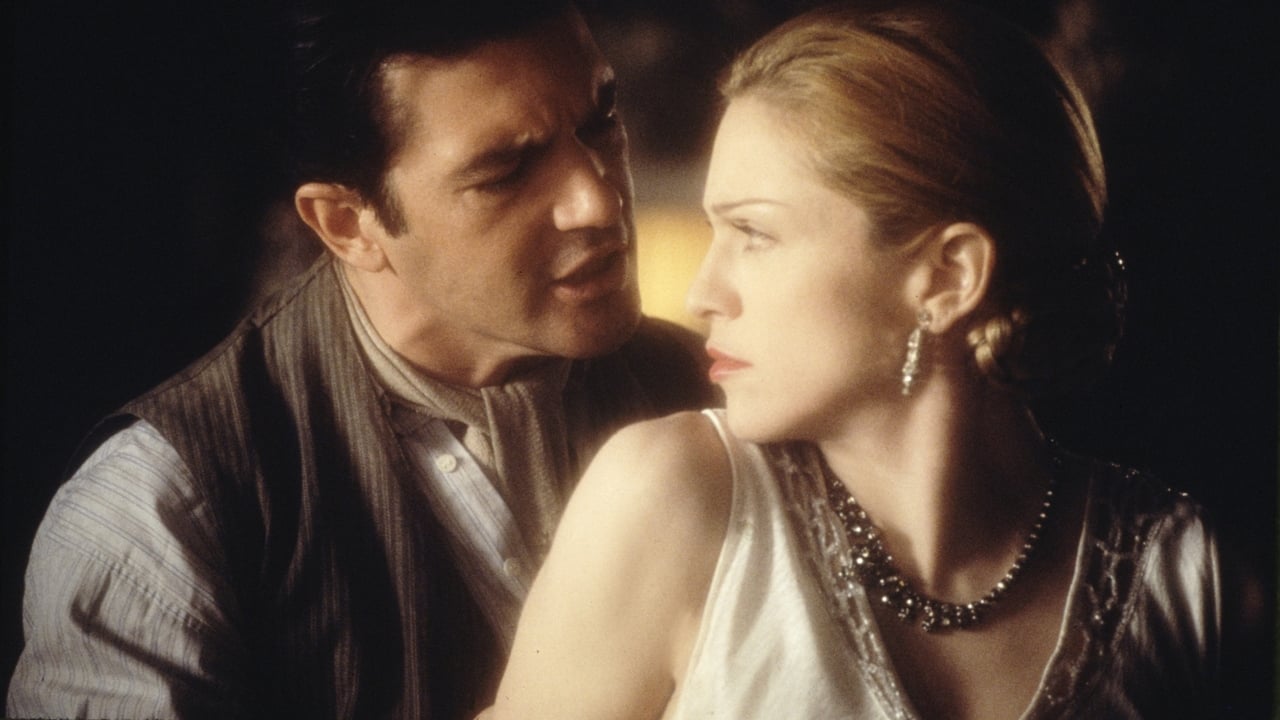
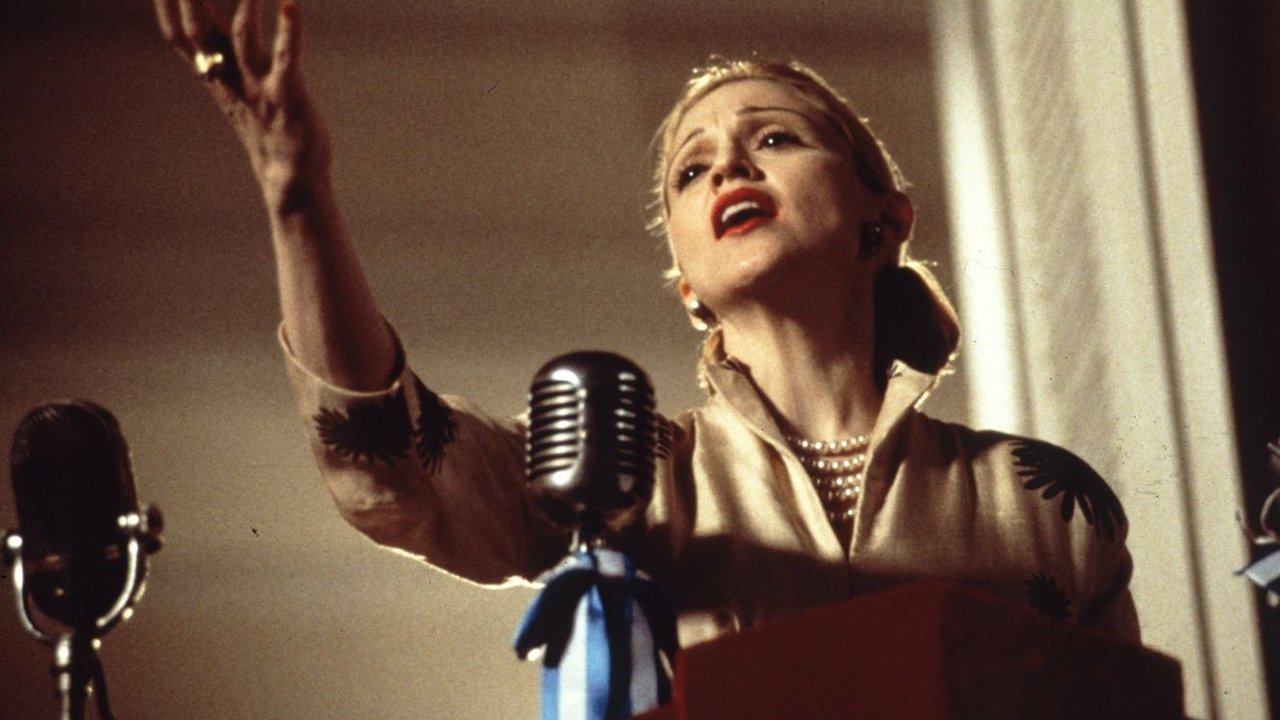
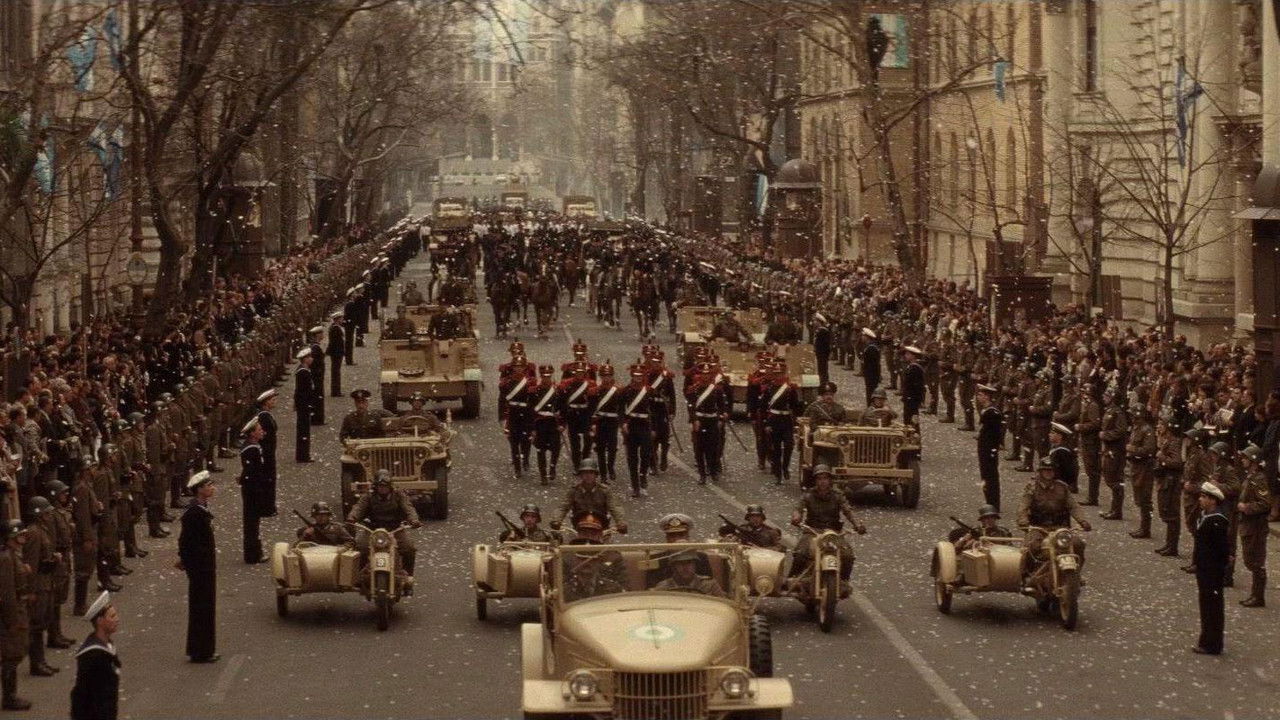
Directed by Alan Parker, a filmmaker never shy about tackling musically driven narratives (think Fame (1980) or the visually arresting Pink Floyd – The Wall (1982)), Evita bursts forth with operatic intensity. This isn't a musical with dialogue breaks; it's almost entirely sung-through, a relentless wave of melody and montage charting Eva Duarte's meteoric rise from impoverished rural girl to the wife of President Juan Perón, becoming a figure adored by millions and reviled by others. Parker, working partly from a script adaptation he co-wrote with Oliver Stone (who was attached to direct years earlier), embraces the inherent theatricality. He fills the screen with vast crowd scenes – famously securing permission, after much negotiation and local protest, to film on the actual Casa Rosada balcony where Eva Perón delivered her iconic speeches. You can feel the weight of history, both the real and the theatrical, pressing down on the frame. The production design is meticulous, the costumes lavish – Madonna reportedly broke the Guinness World Record for most costume changes in a film (a staggering 85), a fact that isn't just trivia, but mirrors Eva's own calculated construction of her public image.
The Woman, The Myth, The Movie Star
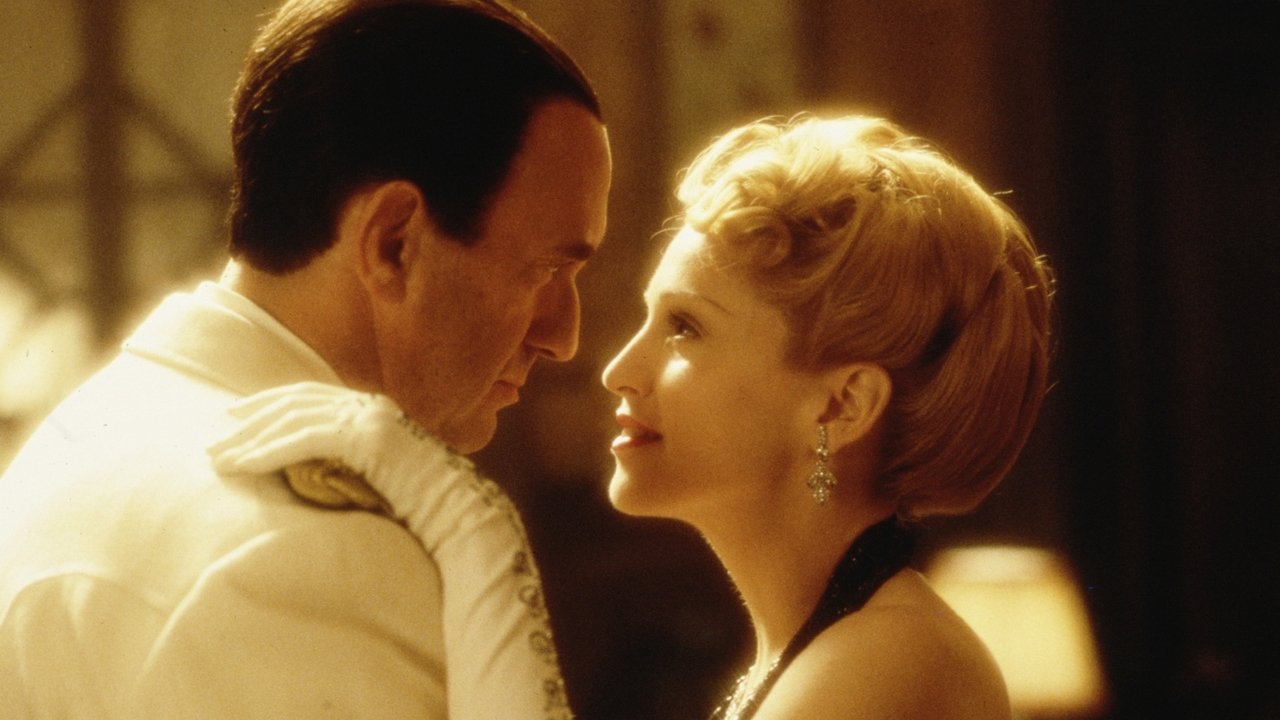
And then there's Madonna. Oh, the casting saga surrounding this role could fill its own miniseries, with names like Meryl Streep and Michelle Pfeiffer attached in earlier iterations spanning nearly two decades. When Madonna finally landed the part she'd relentlessly pursued, the skepticism was palpable. Could the reigning Queen of Pop embody the complex, divisive Eva Perón? The answer, watching it again, is a surprisingly resounding yes. She threw herself into the role, undertaking intense vocal training that paid off beautifully, especially in the film's newly penned ballad, "You Must Love Me" (which deservedly won the Oscar for Best Original Song). Beyond the singing, Madonna captures Eva's ferocious ambition, her charisma, the calculated way she weaponized glamour and populism. There are moments – a steely glance, a subtle shift in posture – where she transcends her own megawatt persona and truly inhabits Eva. It's a performance of immense effort and undeniable star power, arguably the peak of her acting career, earning her a Golden Globe.
A Chorus of Cynicism and Quiet Power
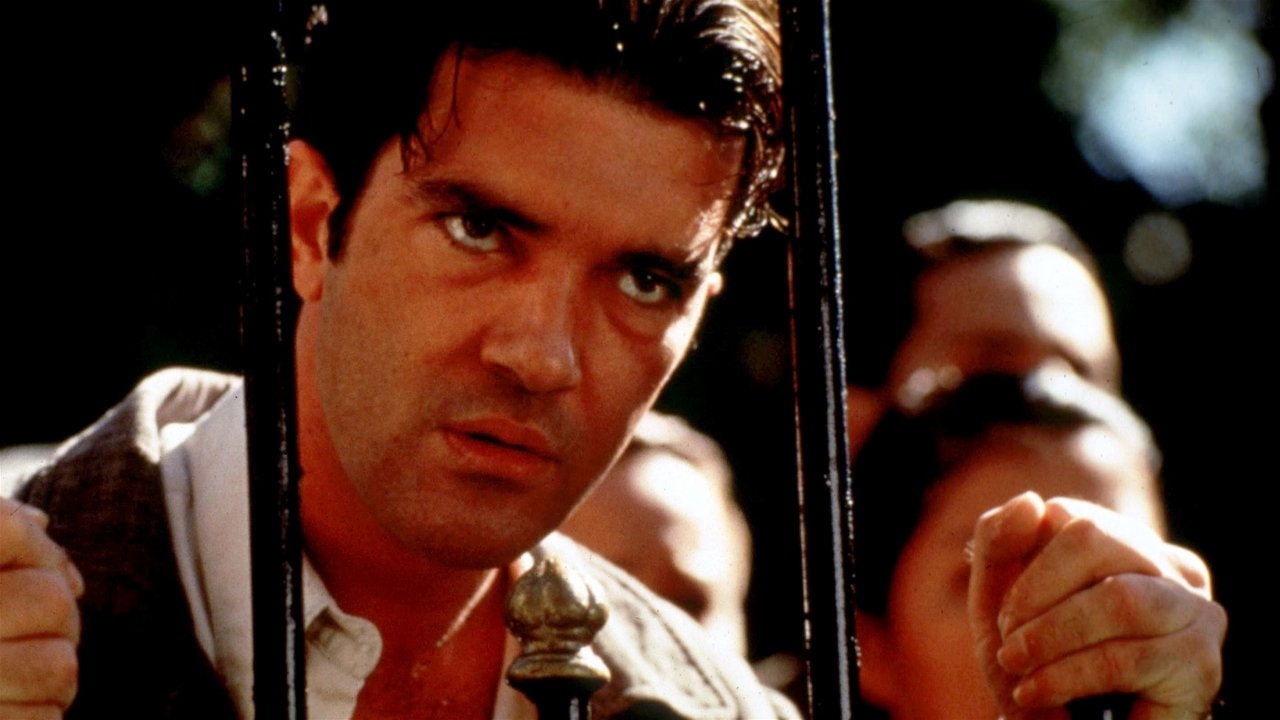
Playing foil to Eva's ascendancy is Che, portrayed with simmering energy by Antonio Banderas. Functioning as a cynical narrator, a one-man Greek chorus commenting on Eva's manipulations and the adoring masses' blindness, Banderas injects a vital dose of earthy counterpoint to the operatic grandeur. He stalks through scenes, sometimes part of the crowd, sometimes an observer just outside it, his powerful voice cutting through the pageantry. It’s a magnetic performance, providing the audience with an anchor of skepticism. Equally crucial, though far quieter, is Jonathan Pryce as Juan Perón. Pryce masterfully underplays the dictator, portraying him not as a monster, but as a somewhat weary, calculating political operator utterly captivated (and perhaps slightly bewildered) by his whirlwind wife. His subtlety is essential, grounding the film's more extravagant moments and highlighting the complex dynamic between the Peróns.
Beneath the Balcony Glare
For all its visual splendor and powerhouse performances, Evita can sometimes feel emotionally distant. The sung-through style, while true to the source material, keeps the characters at a certain remove; we witness their passions and ambitions more than we intimately feel them. The sheer pace, covering decades in a whirlwind of song, can also be slightly dizzying. Yet, Parker's vision holds it together. The filmmaking is confident, translating stage conventions into cinematic language with impressive flair – think of the montage for "Buenos Aires" or the chilling staging of "Don't Cry for Me Argentina." You have to admire the sheer logistical achievement of mounting a production this size ($55 million budget, translating to roughly $108 million today, earning $141 million worldwide), especially given the challenges of filming such a controversial story partly on location in Argentina.
This film was a spectacle, a throwback to the grand Hollywood roadshow musicals, arriving at a time when such things felt increasingly rare. It demanded attention, filling the screen (even our beloved fuzzy VHS screens) with colour, movement, and Webber's soaring, sometimes repetitive, but undeniably memorable score.
Rating: 8/10
The justification for this score lies squarely in the film's towering ambition, Parker's masterful direction that wrangles a difficult format into compelling cinema, and the central performances. Madonna's dedicated, star-making turn, Banderas's charismatic cynicism, and Pryce's grounding presence are exceptional. The sheer craft on display – cinematography, costumes, sets – is undeniable. While the sung-through structure might hold some viewers at arm's length emotionally, its power as a large-scale, unapologetically theatrical film event remains potent.
Evita stands as a fascinating time capsule from the late 90s – a big swing, a star vehicle that mostly delivered, and a reminder that sometimes, just sometimes, Hollywood could still dream on an epic, operatic scale. What lingers most is the echo of that ambition, a boldness we don't see quite as often anymore.