Okay, let's dim the lights, maybe ignore that slight tracking adjustment needed on the VCR for a moment, and settle in. There are some films you pull from the 'New Releases' wall back in the day, watch, return, and barely remember. Then there are others, maybe lurking on a lower shelf, perhaps in 'World Cinema' or 'Indies', with a cover that doesn’t quite scream blockbuster but promises something... different. Jane Campion's 1989 debut feature, Sweetie, was definitively one of the latter. It’s a film that doesn't just play; it lodges itself under your skin, a strange, unsettling, and utterly unforgettable piece of Australian cinema that felt like a transmission from another reality amidst the usual video store fare.

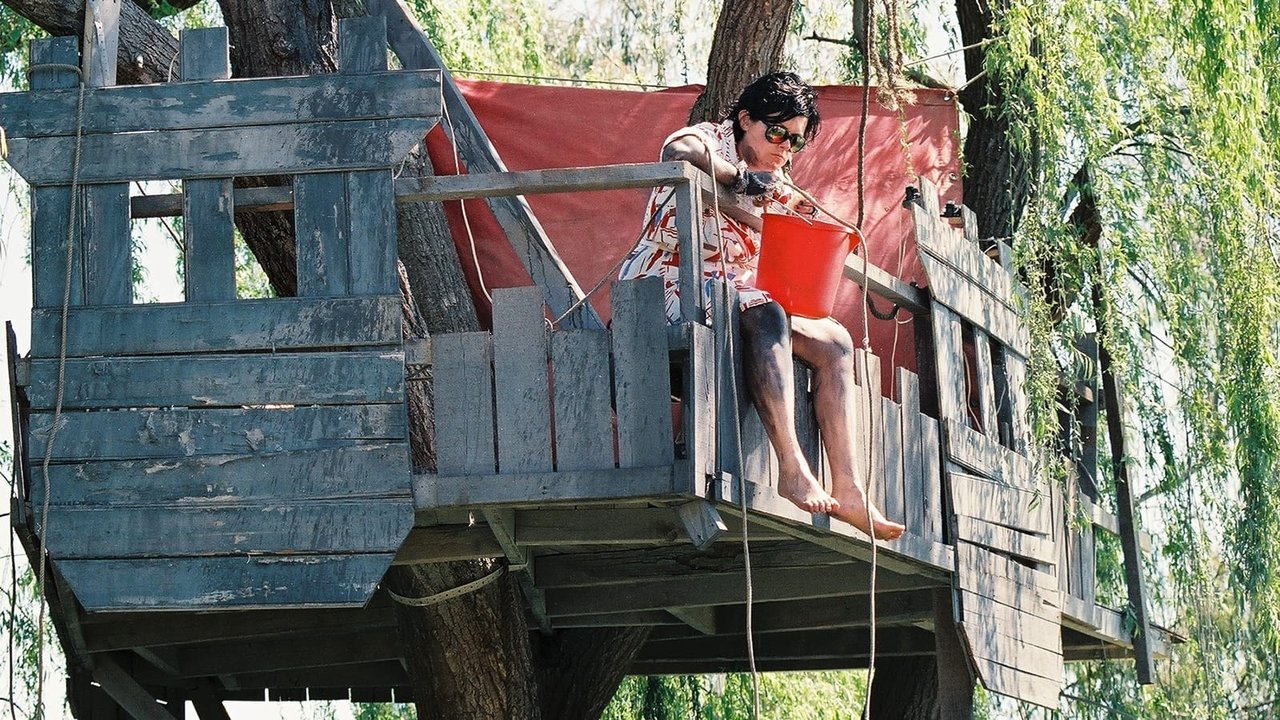
It doesn't begin gently. We're introduced not to Sweetie herself, but to Kay (Karen Colston), a woman wound so tight she seems perpetually braced for impact. Her world is one of rigid order and barely suppressed panic, governed by anxieties symbolised most starkly by her phobia of trees. Her relationship with live-in boyfriend Louis (Tom Lycos) feels tentative, almost fragile, built around rituals like planting a sapling they both know she dreads. Into this meticulously controlled, yet deeply precarious, environment crashes Dawn, aka 'Sweetie' (Geneviève Lemon), Kay’s sister – a force of chaotic, infantile, and possibly dangerous energy.
### A Disturbing Domestic Sphere
What Campion, along with co-writer Gerard Lee (who drew partly on personal stories), crafts here is less a conventional narrative and more an unnerving portrait of profound family dysfunction simmering beneath the surface of Australian suburbia. The houses feel wrong, the angles are often slightly askew, the colours sometimes jarringly bright against the muted emotional landscape. It's a world where normality feels like a performance, and Sweetie’s arrival shatters the already fragile facade. We learn about their shared childhood, the parental favouritism, the lingering traumas that manifest in Kay’s repression and Sweetie’s untamed, performative wildness. It’s deeply uncomfortable territory, far removed from the feel-good family dramas often found on nearby shelves. I remember renting this tape, possibly from a recommendation card tacked to the shelf, expecting maybe quirky indie charm, and instead being confronted with something raw and challengingly human.
### An Unforgettable Force of Nature
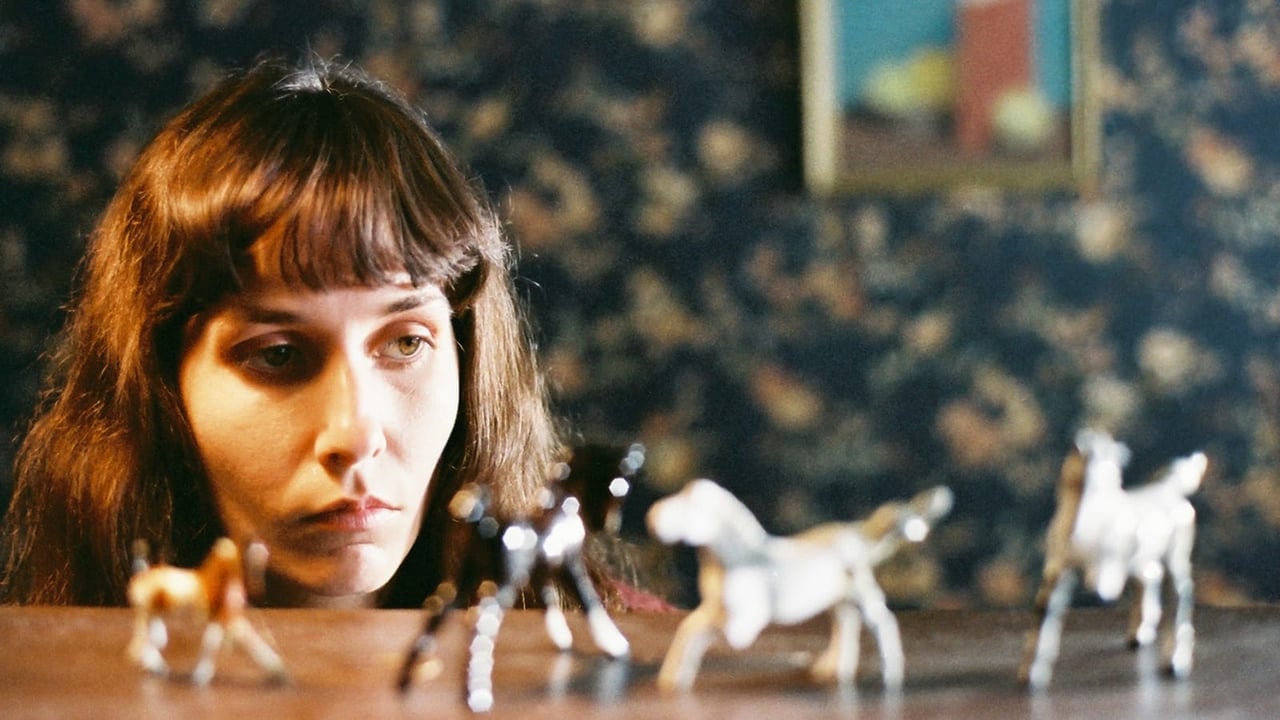
Central to the film's enduring power is the astonishing performance by Geneviève Lemon as Sweetie. It's a turn utterly devoid of vanity, physically and emotionally exposing. Sweetie isn't just disruptive; she's a whirlwind of demands, childlike behaviours, startling pronouncements, and a desperate need for attention that curdles into something menacing. Lemon embodies her with a conviction that is both magnetic and terrifying. You can't look away, even when you desperately want to. Is she mentally ill? Severely damaged? Manipulative? Campion refuses easy labels, presenting her instead as a complex, tragic, and often monstrous product of her environment. Counterbalancing this hurricane is Karen Colston's remarkable portrayal of Kay. Her quiet desperation, the way she physically embodies her fear and control, makes her the audience's uneasy anchor in this storm. Her journey, grappling with her sister’s chaos and her own buried past, is the film's fractured emotional core.
### Campion's Vision Takes Hold
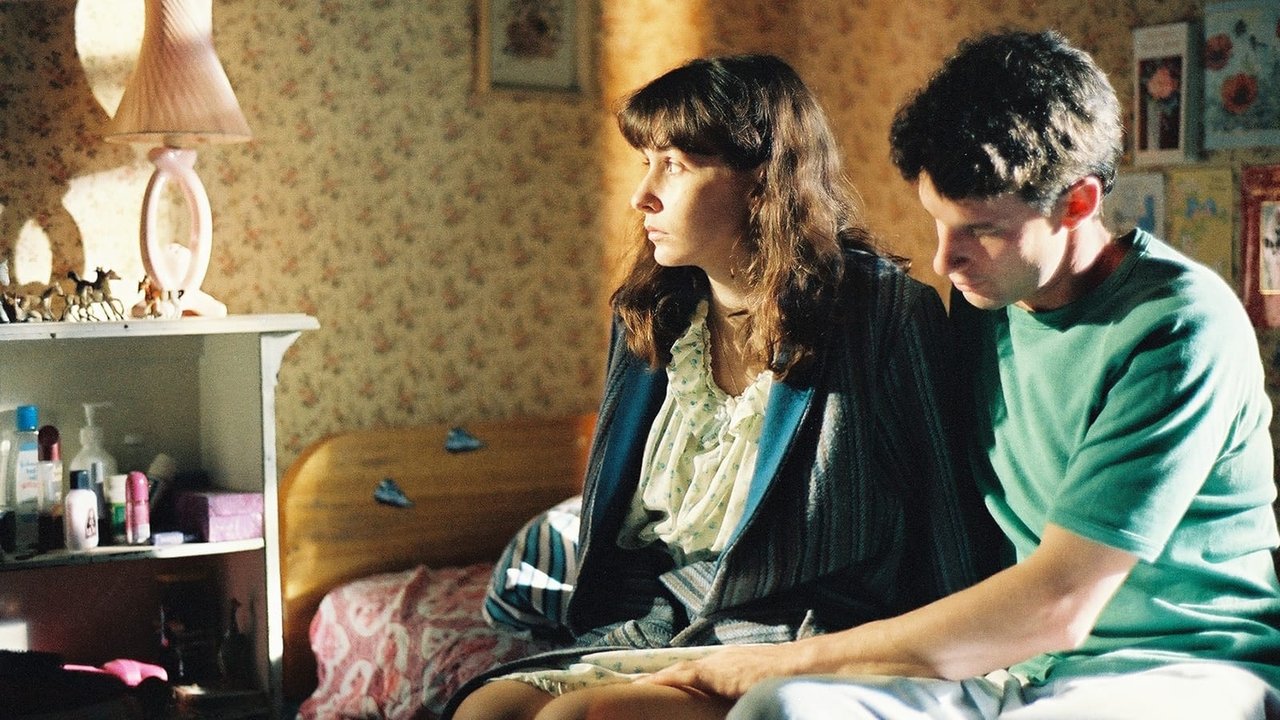
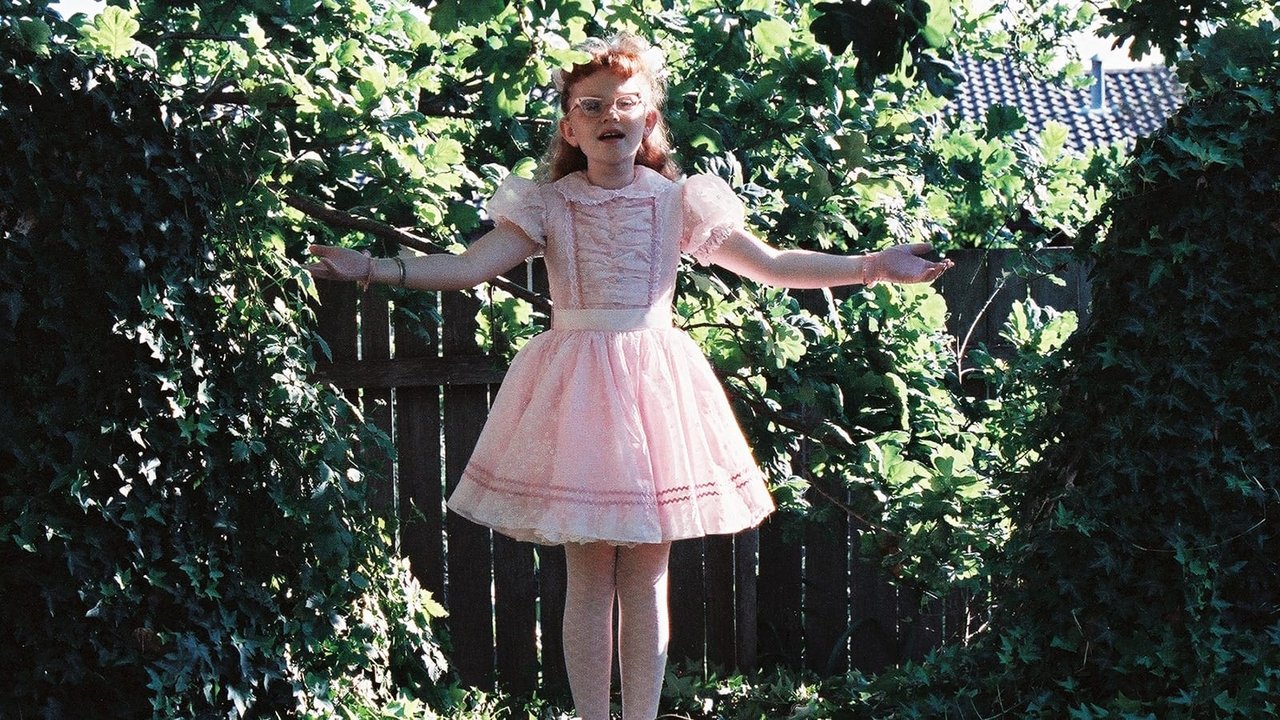
Even in her first feature, Jane Campion's singular directorial vision is startlingly evident. Working with cinematographer Sally Bongers, she creates images that linger long after the credits roll – skewed perspectives, characters pushed to the edges of the frame, symbolic uses of light and shadow. Think of the unsettling framing of Sweetie performing, or the visual representation of Kay's tree phobia. It’s a style that underscores the psychological state of the characters, making the ordinary feel alien. Apparently filmed on a relatively modest budget (around $1.6 million AUD), Sweetie doesn’t feel constrained; rather, its visual distinctiveness feels like deliberate artistic choice. It premiered at Cannes to a somewhat divided reaction – some were baffled, others hailed the arrival of a major talent. Watching it now, its audacity remains potent. It’s easy to see the seeds of the visual poetry and unflinching character studies that would define her later masterpieces like An Angel at My Table (1990) and the globally acclaimed The Piano (1993).
### Beyond the Quirks
While often described as a dark comedy, the humour in Sweetie is razor-sharp and deeply unsettling. It arises from the sheer absurdity of situations, the jarring collision of the mundane and the extreme, but it never lets you off the hook. Beneath the sometimes bizarre surface lies a profound sadness and a stark exploration of mental illness, the devastating impact of family dynamics, and the difficulty of escaping one's past. Does Sweetie's behaviour stem purely from illness, or is it also a twisted reflection of the expectations placed upon her as the 'special' child? The film doesn't offer easy answers, forcing us instead to confront the messy, uncomfortable realities of these characters' lives. It challenges our notions of sympathy and judgement, leaving us questioning the very nature of love and responsibility within a broken family unit.
### Echoes in the Static
Finding Sweetie on VHS back in the day felt like uncovering a secret – a film that dared to be difficult, strange, and emotionally raw in a way few mainstream films were. It wasn't background viewing; it demanded your full attention, maybe even a rewind or two to process a particularly jarring scene or line of dialogue. It stands as a landmark of the Australian New Wave's latter days and a vital debut from one of contemporary cinema's most important directors. Its themes of female interiority, societal pressures, and the uncanny lurking within the everyday would become recurring motifs in Campion's work.
---
Rating: 9/10
Justification: Sweetie earns this high score for its fearless originality, Jane Campion's already masterful direction in her debut, and the unforgettable, powerhouse performances, particularly from Geneviève Lemon. Its unflinching portrayal of difficult themes, coupled with its unique and unsettling visual style, makes it a challenging but essential piece of cinema. While its abrasive nature might not be for everyone, its artistic merit and lasting impact are undeniable.
Final Thought: Some films entertain, some comfort, but Sweetie confronts. It’s a jagged, beautiful, and disturbing gem that refuses to fade, leaving you pondering the strange, sad complexities of family long after the tape ejects.