It’s a strange thing, the path a career can take. Sometimes, the roles that truly announce a talent are quieter, more introspective than the blockbuster personas that later define them. Digging through the stacks at the back of the video store often yielded these unexpected gems, films that felt like secrets whispered between the aisles. And nestled amongst the action and horror tapes, you might just have found a copy of Tim, a 1979 Australian drama that offers a remarkably tender, early glimpse of a future superstar: Mel Gibson. But Tim is far more than just a footnote in an actor’s filmography; it’s a film that asks quiet, insistent questions about the nature of love, companionship, and societal acceptance – questions that still echo long after the tape stops rolling.

### An Unlikely Connection
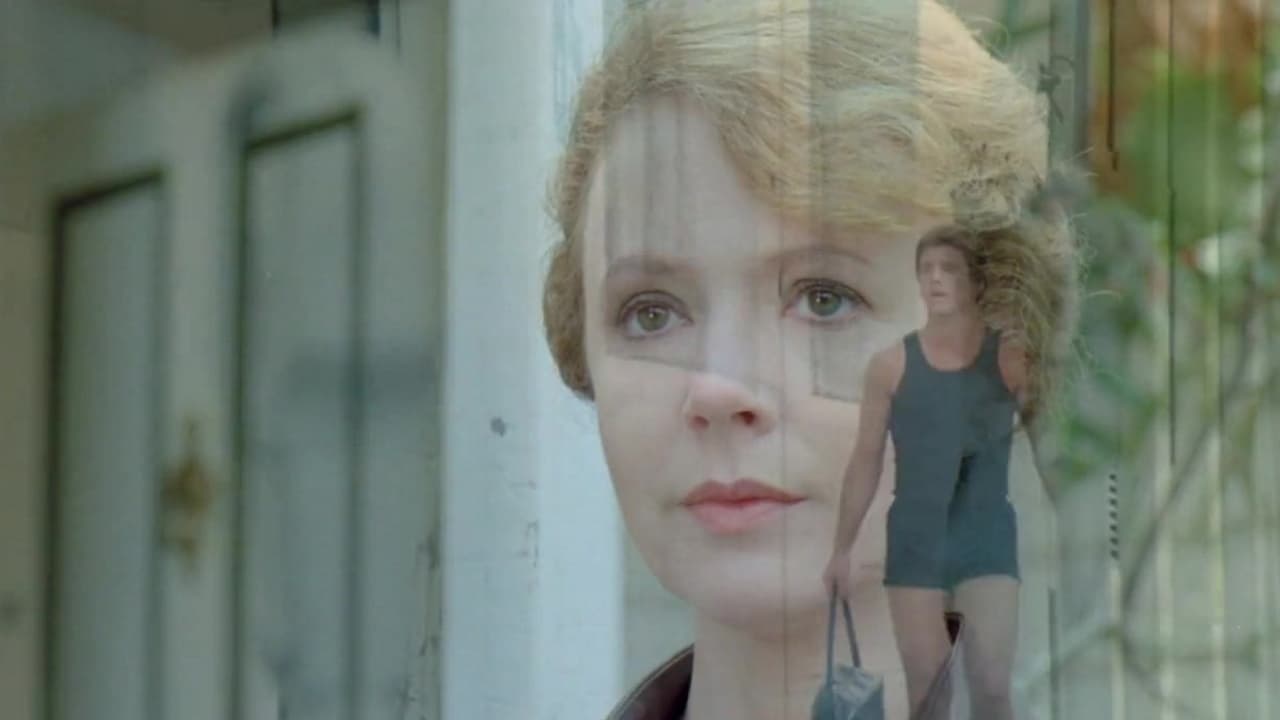
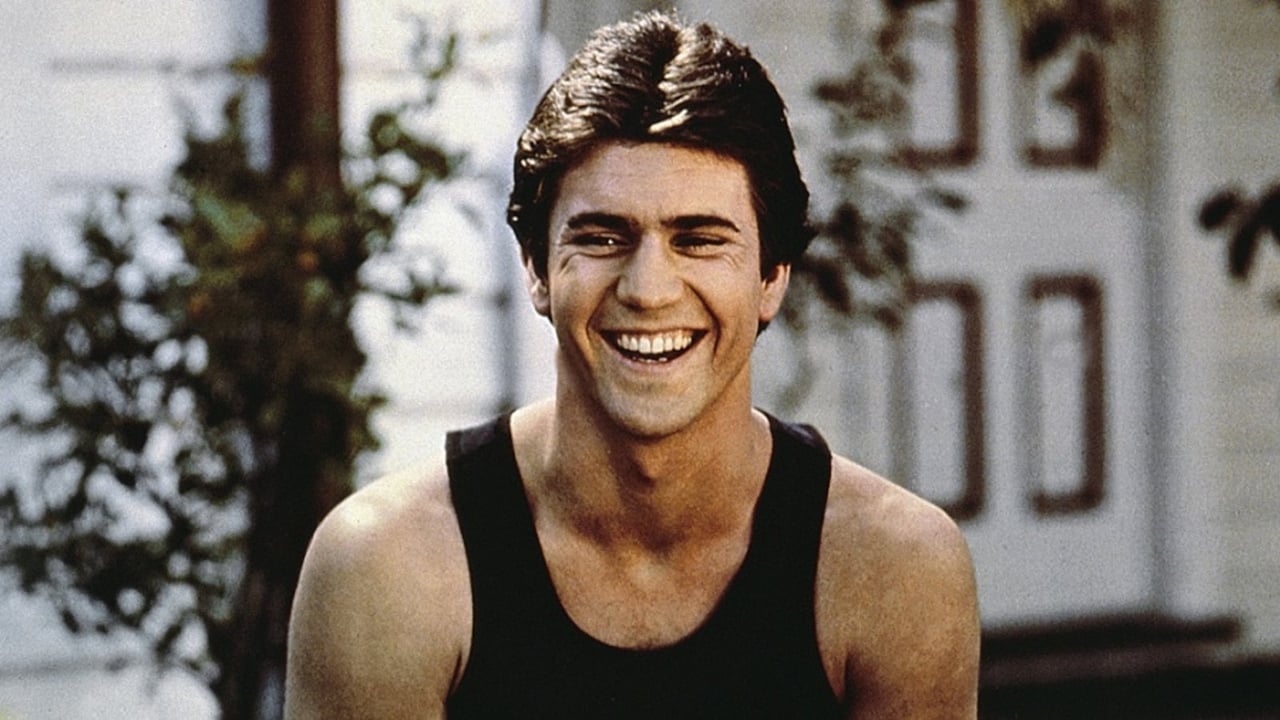
Based on the novel by Colleen McCullough – yes, the very same author who would later pen the epic The Thorn Birds – Tim unfolds in the sun-drenched suburbs of Sydney. We meet Mary Horton (Piper Laurie), a self-possessed, somewhat solitary American businesswoman who has relocated down under. By chance, she encounters Tim Melville (Mel Gibson), a handsome young labourer with an unspecified intellectual disability. He possesses a childlike innocence and an uncomplicated view of the world. Mary hires him for odd jobs around her garden, and slowly, cautiously, a deep bond forms between them, one that defies easy categorization and inevitably attracts the scrutiny and judgment of those around them, including Tim's protective, working-class parents (played wonderfully by Alwyn Kurts and Pat Evison).
Director Michael Pate, himself a veteran Australian actor stepping behind the camera, crafts a film that feels patient and observant. There's a distinct lack of melodrama; Pate allows the relationship between Mary and Tim to develop organically, focusing on small gestures, shared moments of quiet understanding, and the gradual erosion of loneliness for both characters. The atmosphere isn't one of manufactured tension, but rather a gentle exploration of human connection blooming in an environment wary of anything unconventional.

### Before Mad Max, There Was Tim
The absolute anchor of the film is the pair of central performances. Piper Laurie, already a seasoned actress with Oscar nominations under her belt (The Hustler), brings a necessary gravity and subtle vulnerability to Mary. She conveys a woman who has built careful walls around herself, only to find them gently dismantled by Tim's guileless affection. You see the internal conflict, the societal conditioning warring with genuine emotional response, playing out in her nuanced expressions. It’s a performance of quiet strength and deep empathy.
And then there’s Mel Gibson. Released the same year as the explosive Mad Max, his portrayal of Tim couldn't be more different, yet it's equally arresting. It’s astonishing to see the raw, unvarnished talent already so evident. Gibson embodies Tim's sweetness, his occasional frustrations, and his fundamental goodness without ever resorting to caricature or condescension. There’s a physicality to the role – the way Tim moves, his open facial expressions, the directness of his gaze – that feels utterly authentic. It's a performance brimming with charm and sensitivity, rightfully earning Gibson his first Australian Film Institute (AFI) Award for Best Actor. It’s fascinating trivia that this gentle drama and the post-apocalyptic chaos of Mad Max launched his international career almost simultaneously. What a contrast!
### Questions That Linger
Tim doesn't shy away from the complexities of its premise. It forces us to confront our own preconceived notions. What defines an 'appropriate' relationship? Can love truly blossom outside the bounds of what society deems 'normal'? The film handles Tim's disability with respect, focusing on his capabilities and his emotional intelligence rather than just his limitations. The script, also penned by Michael Pate, navigates these sensitive waters with grace, posing questions rather than providing easy answers. Does Mary feel maternal love, romantic love, or something entirely unique? The film wisely leaves some ambiguity, allowing the audience to ponder the characters' motivations and the depth of their connection.
It’s worth remembering that Colleen McCullough drew inspiration for her 1974 novel from real observations, lending the story an inherent layer of grounded humanity. The film captures this quality, feeling less like a constructed plot and more like eavesdropping on real lives unfolding. Filmed on location in Sydney, the visuals have that specific, slightly faded quality common to many Australian films of the 70s, adding to the sense of realism and placing you firmly in that time and place.
### A Quiet Gem Worth Rediscovering
While perhaps overshadowed by McCullough's later literary blockbusters or Gibson's action-hero trajectory, Tim remains a poignant and beautifully acted piece of cinema. It might feel a touch slow by today's standards, favouring character development and thematic exploration over narrative fireworks, but its emotional honesty resonates. It’s the kind of film that might have been a surprise rental back in the day – picked up perhaps because of the familiar face on the cover, only to deliver something unexpectedly moving and thought-provoking. It reminds us that sometimes the most profound stories are the quietest ones.

Rating: 8/10
Justification: Tim earns its score through the sheer power and sensitivity of its central performances, particularly Gibson's remarkable early turn and Laurie's nuanced portrayal. The direction is subtle and effective, handling difficult themes with grace and avoiding sensationalism. While the pacing might test some viewers, the film's emotional honesty and thought-provoking exploration of unconventional love make it a standout Australian drama from the era.
Final Thought: Long before the explosions and iconic leather jackets, Tim showcased a different kind of intensity from Mel Gibson – the quiet power of vulnerability. It’s a film that stays with you, prompting reflection on the connections that matter most, regardless of how they look to the outside world.