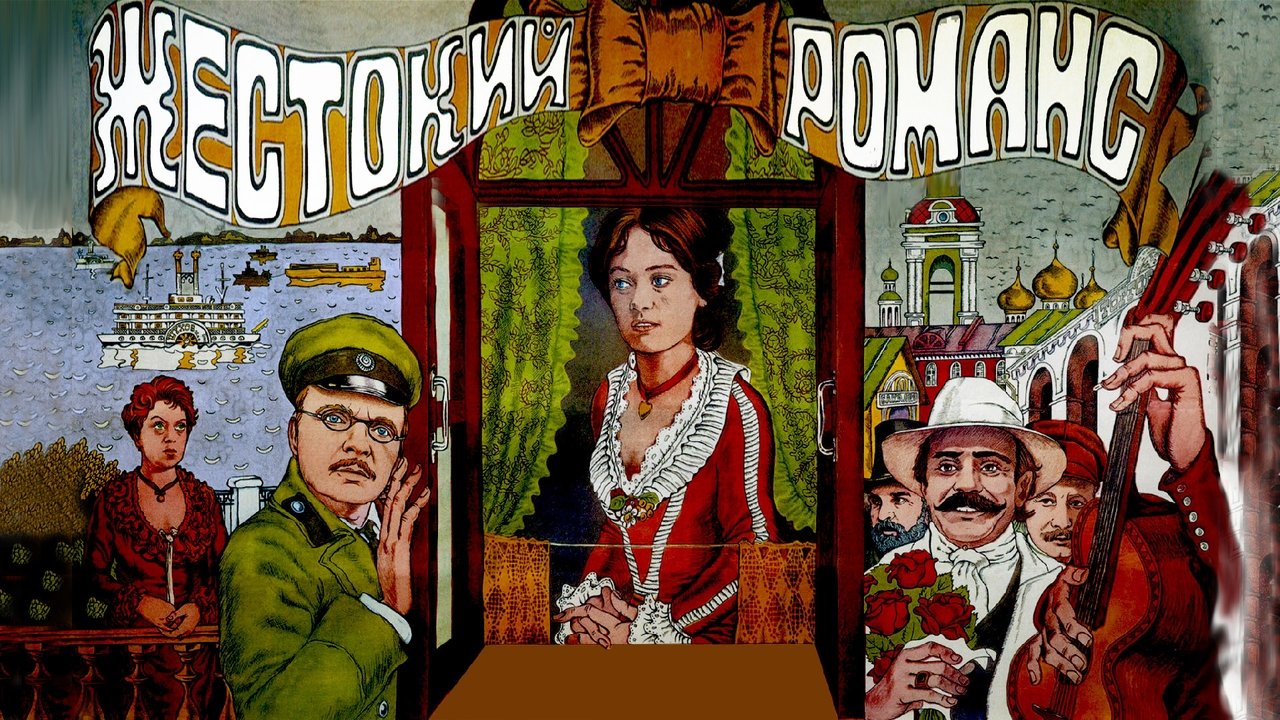
There's a certain weight that settles in after watching Eldar Ryazanov's A Cruel Romance (Жестокий романс, 1984), a feeling distinct from the warm, often humorous glow associated with his more famous comedies like Irony of Fate (1976) or Office Romance (1977). It’s the quiet ache of witnessing a tragedy unfold, not through sudden violence, but through the slow, inexorable grinding down of a spirit by societal expectation and casual cruelty. Finding this film, perhaps tucked away on a specialty shelf back in the day or discovered through word-of-mouth among cinephiles, felt like uncovering a different, darker facet of 80s cinema, one rooted in the rich, often somber tradition of Russian literature.
Beneath the Gilded Surface
Adapted from Alexander Ostrovsky's 19th-century play Without a Dowry, the film transports us to a provincial town along the Volga River. The air hangs thick with the languor of summer and the unspoken desperation of the Ogudalova family. The widowed mother (played with sharp pragmatism by Alisa Freindlikh, another Ryazanov regular) is determined to marry off her youngest daughter, Larisa, advantageously. But Larisa possesses beauty and soul, not a dowry, making her a prized yet precarious commodity in a world governed by wealth and status. Ryazanov captures this atmosphere beautifully – the bustling river traffic, the opulent drawing rooms hiding quiet desperation, the stark contrast between the characters' outward poise and their inner turmoil.
A Star is Born, A Soul is Tested
At the heart of the film is Larisa Guzeyeva in her debut role as Larisa Dmitrievna. It’s a performance of astonishing vulnerability and quiet strength. Guzeyeva embodies the hope and romanticism of youth chafing against the harsh realities of her situation. You see the flicker of genuine feeling in her eyes when she interacts with the charismatic, wealthy Sergei Paratov, and the weary resignation as she faces the limited choices before her. It’s hard to believe this was her first major role; she carries the emotional weight of the film with a grace that makes the eventual outcome all the more devastating. Apparently, Ryazanov initially had reservations, seeking a more experienced actress, but Guzeyeva's screen tests ultimately convinced him she possessed the necessary blend of innocence and burgeoning depth. What a fortunate decision for cinema history.
The Men Who Circle
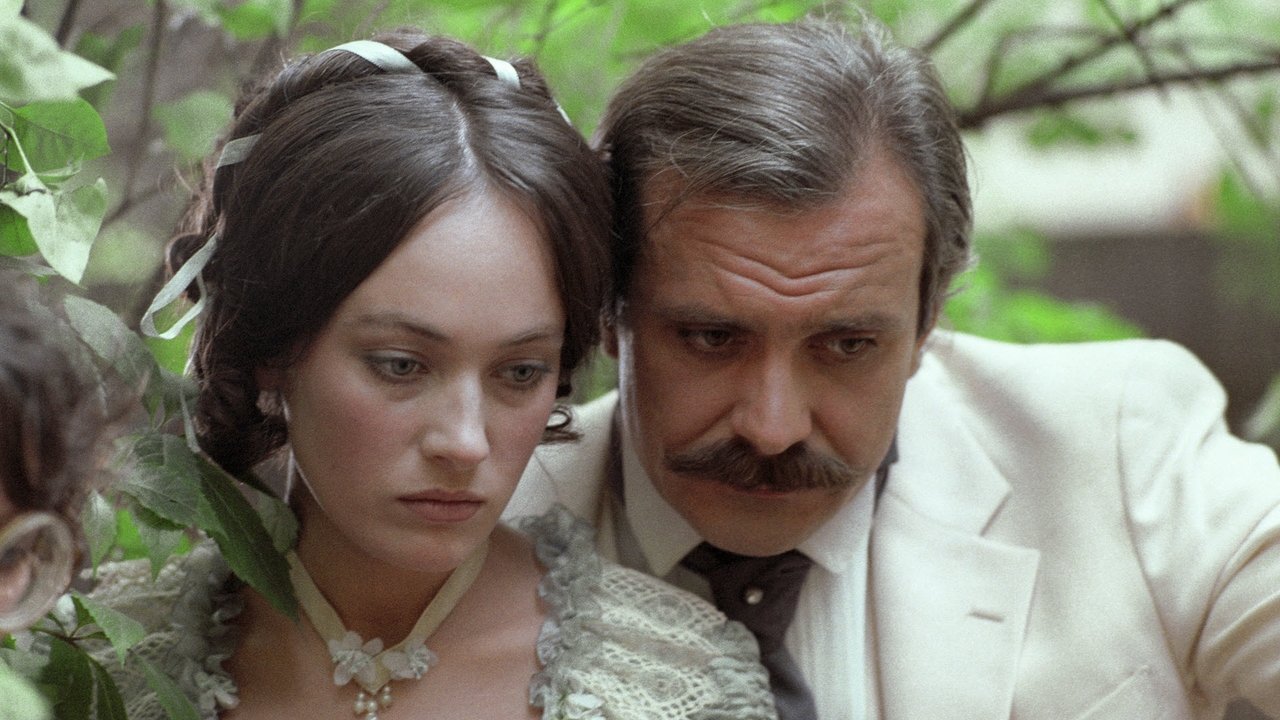
Surrounding Larisa is a constellation of suitors, each representing a different facet of the society that will ultimately suffocate her. Nikita Mikhalkov, already a commanding presence in Soviet cinema (later directing acclaimed films like Burnt by the Sun (1994)), is perfectly cast as Paratov. He exudes a dangerous charm, a breezy confidence that masks a profound selfishness. His grand gestures and pronouncements are captivating, but Mikhalkov subtly reveals the hollowness beneath – this is a man who takes what he wants and discards it just as easily. His casual disregard for Larisa's feelings is chilling precisely because it feels so commonplace, so accepted.
Then there's Andrey Myagkov as Karandyshev, the modest, painfully insecure clerk who genuinely loves Larisa but whose love manifests as possessiveness and wounded pride. For audiences accustomed to Myagkov's beloved comedic roles (especially Zhenya in Irony of Fate), seeing him here is jarring. He masterfully portrays Karandyshev's desperation, his awkward attempts at social climbing, and the simmering resentment that eventually boils over. It's a pitiful, uncomfortable performance, highlighting how even seemingly 'good' intentions can become twisted in such a constrained environment.
Ryazanov's Careful Craft
Ryazanov, best known for his lighter touch, directs A Cruel Romance with a surprising sobriety and precision. He lets the drama unfold organically, relying on the strength of Ostrovsky's dialogue and the power of his actors. The camera lingers on faces, capturing subtle shifts in expression that speak volumes. The film's pacing feels deliberate, mirroring the slow tightening of the net around Larisa. One fascinating production choice was the extensive use of authentic Russian folk romances and ballads, performed within the film by the characters themselves. These aren't just background music; they comment on the action, express hidden emotions, and root the story deeply in its cultural context, adding another layer of poignant beauty. The stunning cinematography, making full use of the sweeping Volga landscapes, provides a beautiful, almost ironic backdrop to the human ugliness playing out.
A Different Kind of Soviet Film
Released during a period of gradual change in the Soviet Union, A Cruel Romance was a massive success domestically. Perhaps audiences responded to its unflinching look at the moral compromises driven by money and social standing – themes that resonated beyond the 19th-century setting. For Western viewers accustomed to portrayals of Soviet life focused on political ideology, it offered a glimpse into a different world – one concerned with universal human dramas of love, betrayal, and societal pressure. It wasn't about the state, but about the soul. The film reportedly cost around 1.2 million Soviet rubles – a significant sum then – and its box office success (over 20 million tickets sold in its first year) cemented its place as a modern classic.
Enduring Echoes
What lingers most powerfully after the credits roll? It's the tragic sense of waste, the understanding that Larisa's fate is sealed not by a single villain, but by the collective indifference and ingrained values of the society around her. The film asks uncomfortable questions about the price of conformity, the commodification of human beings, and the ease with which charm can mask cruelty. Doesn't this casual disregard, this prioritizing of status over substance, still echo in our own times? It’s a testament to Ryazanov's direction and the cast's authenticity that a 19th-century Russian play, adapted in the mid-1980s, can still feel so immediate and heartbreaking.
Rating: 9/10
This score reflects the film's exceptional artistry: Guzeyeva's stunning debut, Mikhalkov and Myagkov's compelling performances, Ryazanov's sensitive direction, and the powerful, enduring resonance of its themes. It avoids a perfect score only because the deliberate pacing, while effective, might test the patience of some viewers accustomed to faster narratives.
A Cruel Romance is more than just a period drama; it's a deeply affecting study of human vulnerability caught in the gears of social expectation. A gem worth seeking out, even if it leaves you with a profound sense of melancholy long after the tape stops rolling.