It wasn't just a movie; for a hot minute in 1984, it felt like a transmission from another planet beamed directly into our living rooms via glorious, slightly fuzzy videotape. Forget complex narratives or deep character studies. Breakin' landed with the force of a perfectly executed flare, driven by pure, unadulterated energy and the electrifying pulse of electro-funk. It wasn't trying to be high art; it was trying to capture lightning in a bottle – the raw, explosive emergence of breakdancing from the streets onto the world stage. And capture it, it did.
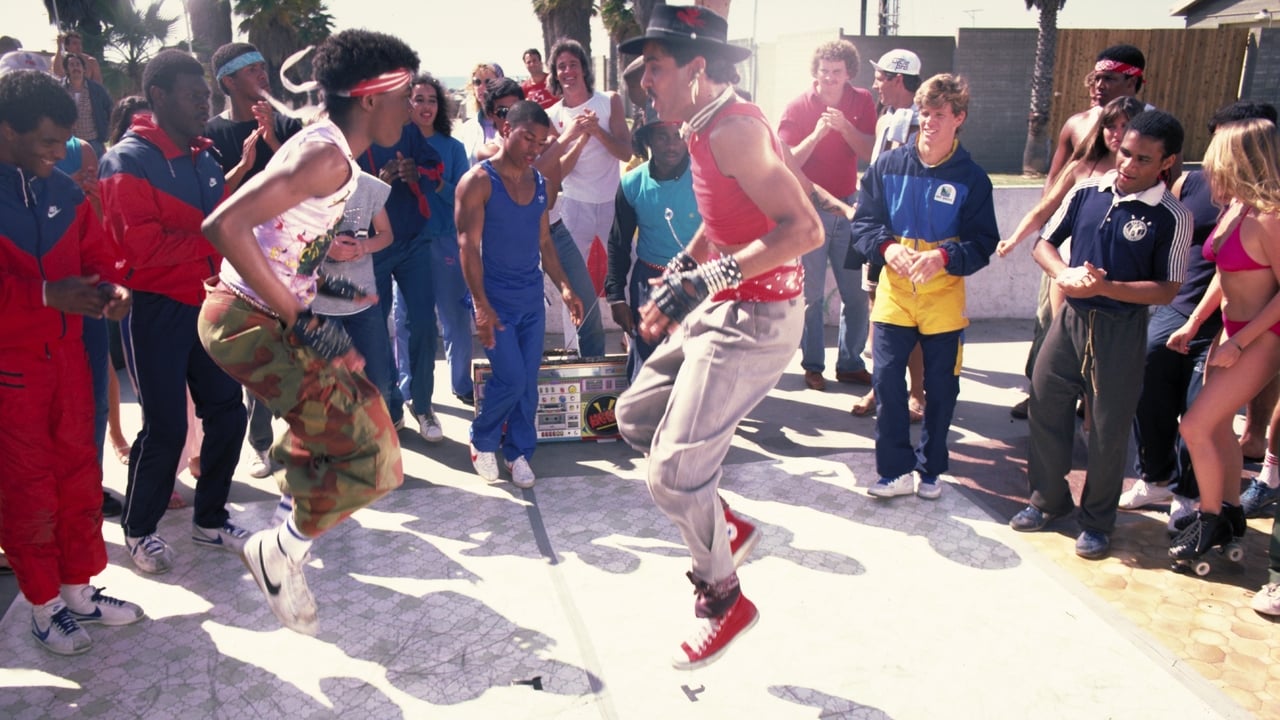
From Street Corners to Silver Screen
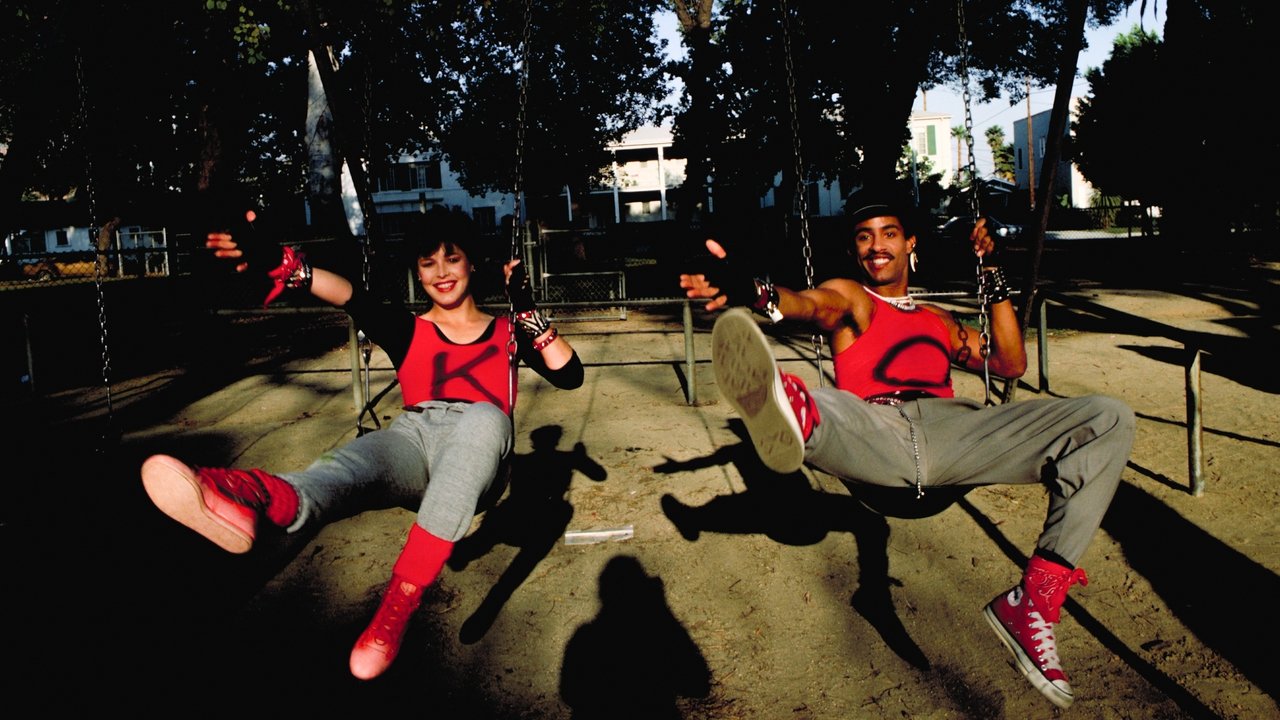
The premise is simple, almost archetypal: Kelly (Lucinda Dickey), a dedicated but stifled jazz dancer, finds herself drawn into the vibrant world of street dancing through two phenomenal talents, Ozone (Adolfo "Shabba-Doo" Quiñones) and Turbo (Michael "Boogaloo Shrimp" Chambers). It’s the classic clash of worlds – structured training versus raw, innovative expression. Watching Kelly tentatively try to mimic Ozone's popping or Turbo's gravity-defying waves is part of the initial fun, but the real magic happens when the film lets its two male leads simply move.
And move they do. Forget CGI wizardry or intricate wire-work. The spectacle here is 100% human kinetic energy. Quiñones, a pioneer of locking, moves with sharp, charismatic precision, while Chambers, a master of popping and the wave, seems almost liquid, unreal. These weren't actors pretending to dance; they were legendary figures in the street dance scene bringing their authentic art form to a mass audience, many for the first time. It's rumored the film itself was partly inspired by the German documentary Breakin' 'n' Enterin', which featured both Shabba-Doo and Boogaloo Shrimp, showcasing their already formidable skills before Hollywood came knocking.
Cannon Goes Pop-Locking
What makes Breakin' even more fascinating in retrospect is its production home: Cannon Films. Golan-Globus, the studio renowned for churning out gritty action flicks like Death Wish sequels and Chuck Norris vehicles, suddenly pivoting to a vibrant dance musical? It sounds like a fever dream, but it happened. Produced on a shoestring budget of around $1.2 million (roughly $3.5 million today – pocket change even then!), the film was shot fast and loose, capturing the raw energy of the scene rather than polished perfection. You can almost feel the urgency behind the camera, a sense that director Joel Silberg knew he had something culturally potent on his hands and needed to get it out now. This rapid-fire approach was standard Cannon practice, but here it perfectly suited the immediacy and explosive nature of the breakdancing phenomenon itself.
The gamble paid off spectacularly. Breakin' became a surprise smash hit, raking in nearly $39 million domestically (that’s over $115 million adjusted for inflation!), proving the mainstream audience was hungry for this new form of expression. It even featured an early film appearance by Ice-T, performing hype man duties for the Radiotron sequence – a slice of hip-hop history woven right in. And who could forget that one background dancer during the beach scene, busting some moves with impossible flexibility? None other than a pre-fame Jean-Claude Van Damme, adding another layer of "wait, really?" trivia to the mix.
More Than Just Moves
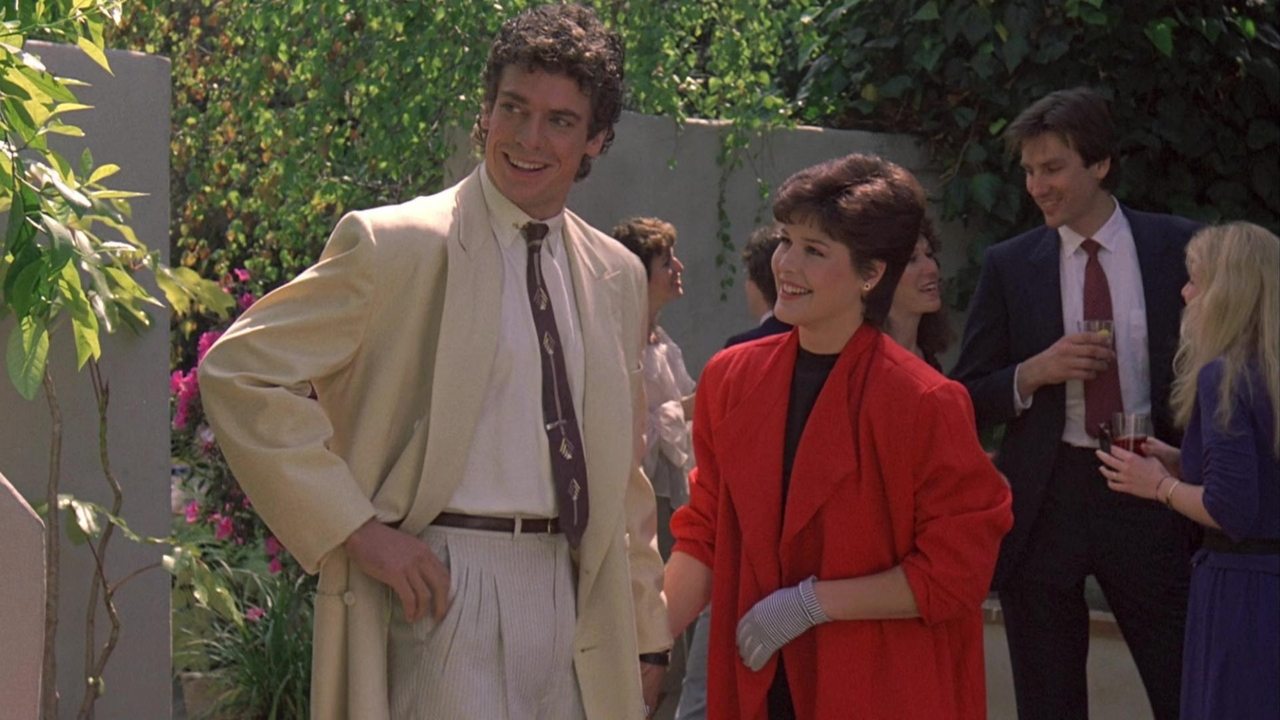
Okay, let's be real. The plot is wafer-thin, essentially a framework to hang incredible dance sequences on. The dialogue occasionally dips into glorious '80s cheese ("That's whack!" gets a workout), and the acting outside of the dancing is… well, let's call it earnest. Lucinda Dickey, pulling double duty for Cannon that year by also starring in the utterly bonkers Ninja III: The Domination (talk about range!), serves as a relatable, wide-eyed audience surrogate, even if her dramatic scenes don't quite land with the same impact as her genuinely impressive dance integration.
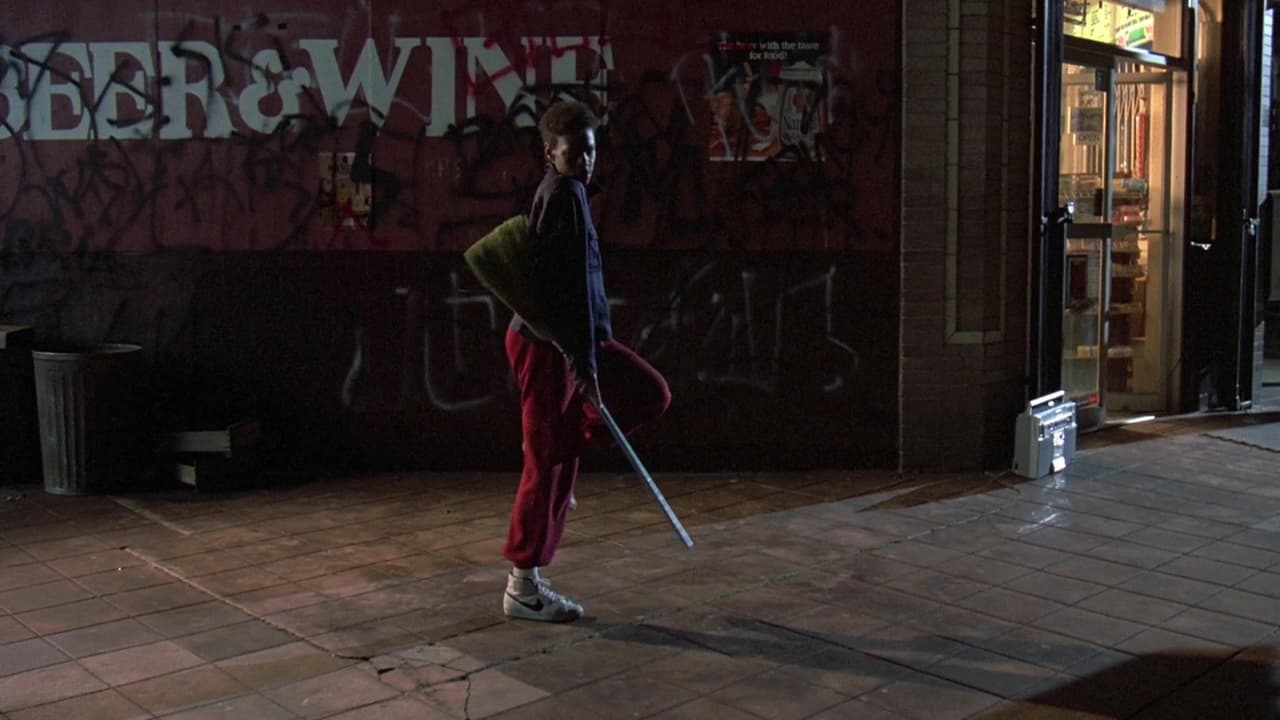
But dwelling on the narrative shortcomings feels like missing the point. Breakin' wasn't about intricate plotting; it was about feeling. It was about the sheer joy of movement, the defiant creativity bubbling up from urban communities, the infectious soundtrack that probably wore out more than a few tape decks. Remember Turbo's iconic broom dance? Pure movie magic, executed with astonishing skill by Chambers. It’s a sequence built on talent and ingenuity, not budget – a testament to how practical creativity could still dazzle before digital effects became the norm. It’s moments like these – the Radiotron battle, the street performances, Kelly’s triumphant audition piece blending jazz with breaking – that lodged this film firmly in the collective consciousness.
The Verdict
Breakin' is a time capsule, pure and simple. It captures a specific cultural moment with infectious enthusiasm and showcases genuine, groundbreaking talent. The story is basic, the acting uneven, and the '80s fashion is a glorious assault on the senses. But the energy is undeniable, the dancing is phenomenal, and the feeling of discovery it evoked back then still resonates. It’s a film powered by charisma and sheer physical artistry.
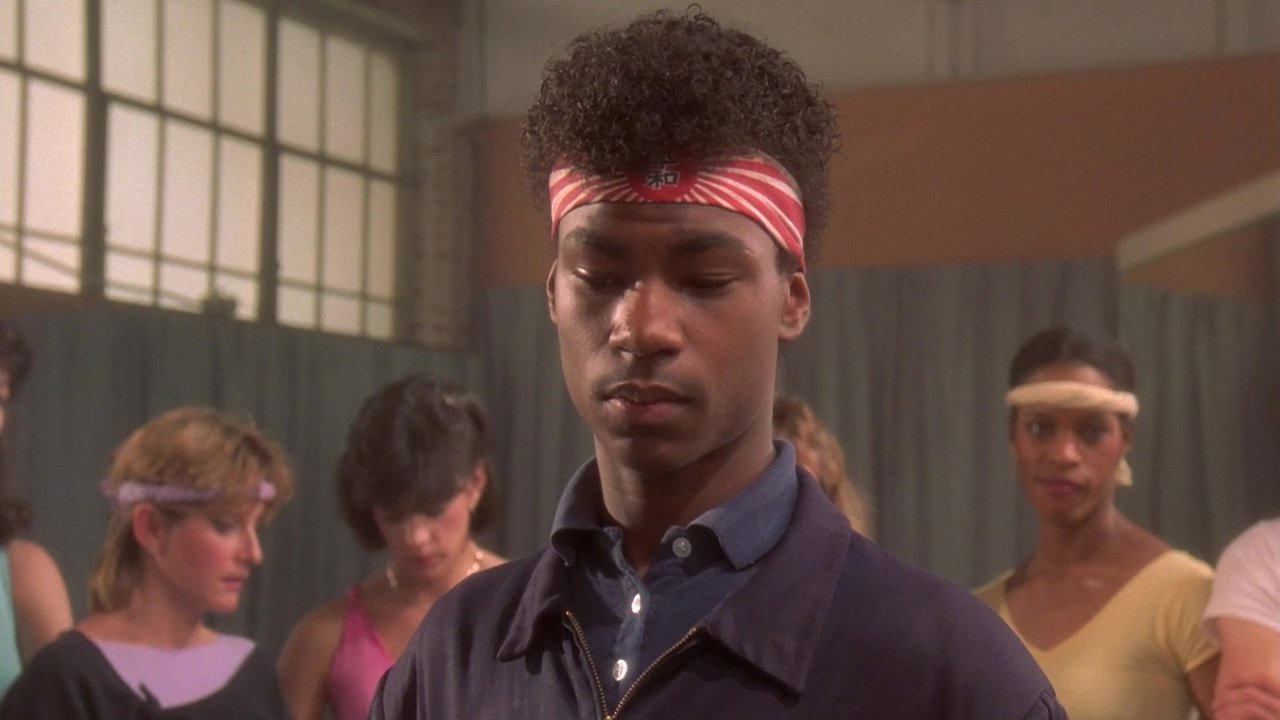
Rating: 7/10
Justification: The score reflects the film's undeniable entertainment value, its historical significance in popularizing breakdancing, and the sheer brilliance of its core dance performances. Quiñones and Chambers are electric. However, the paper-thin plot, often cheesy dialogue, and sometimes stilted acting outside the dance numbers keep it from reaching higher cinematic echelons. It's a solid 7 for being a joyfully energetic cultural artifact that absolutely delivers on its core promise: showing off incredible dancing.
Watching Breakin' today is like finding a cherished mixtape from 1984 – maybe a little worn, definitely a product of its time, but still capable of making you tap your feet and grin at its unabashed, pop-locking heart. It’s pure VHS-era joy, served straight up.