Okay, pull up a chair, maybe pour yourself something thoughtful. Tonight, we're stepping slightly away from the neon glow of pure 80s excess and into the more complex, bittersweet twilight of the late 90s with a film that might have slipped past your radar screen back when Blockbuster aisles were still king: Joseph Vilsmaier's The Harmonists (1997). It’s not your typical VHS Heaven fare of explosions or synth scores, but trust me, this one resonates with a different kind of power, a haunting melody that lingers long after the tape clicks off.
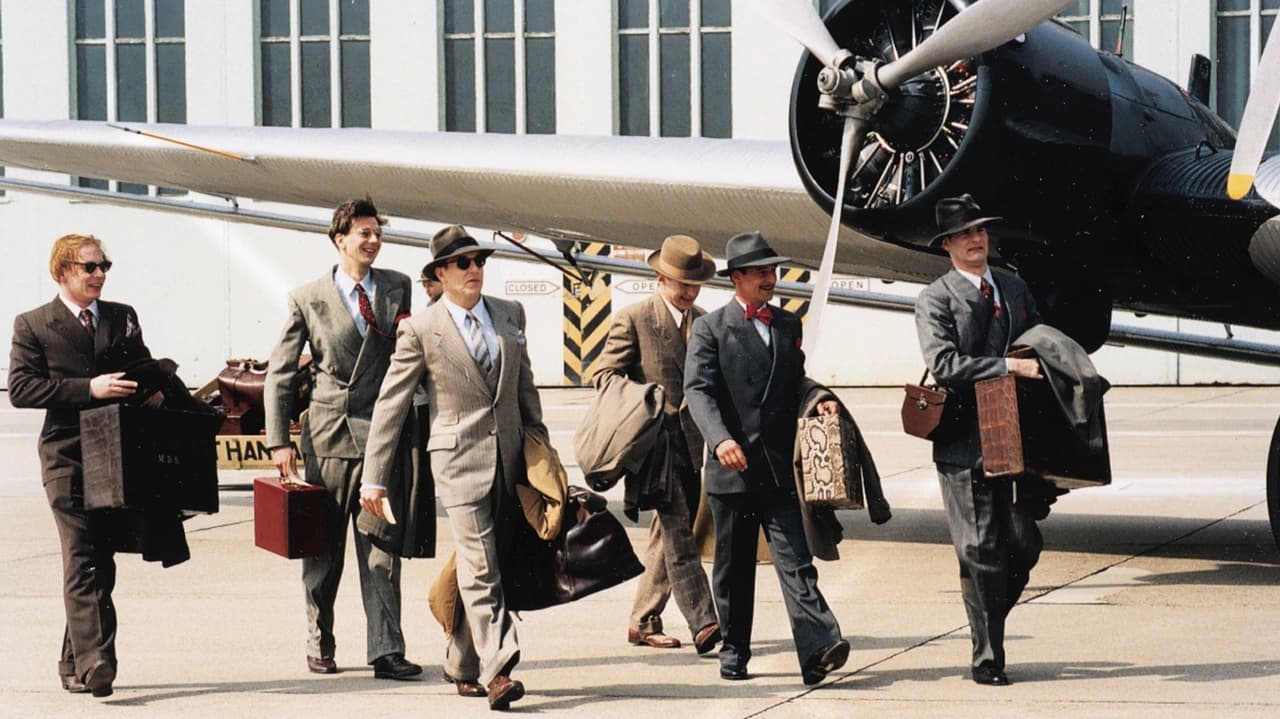
Remember finding those unexpected gems in the 'Foreign Films' or 'Drama' sections? Tucked away, maybe with cover art that didn’t scream action but hinted at something deeper? The Harmonists was often one of those. It tells the true story of the Comedian Harmonists, a German close-harmony vocal group that shot to international stardom in the late 1920s and early 1930s, only to have their soaring success brutally cut short by the rising tide of Nazism. What begins as a joyous chronicle of artistic creation and camaraderie subtly, chillingly morphs into a portrait of looming darkness.
Harmony Against the Storm
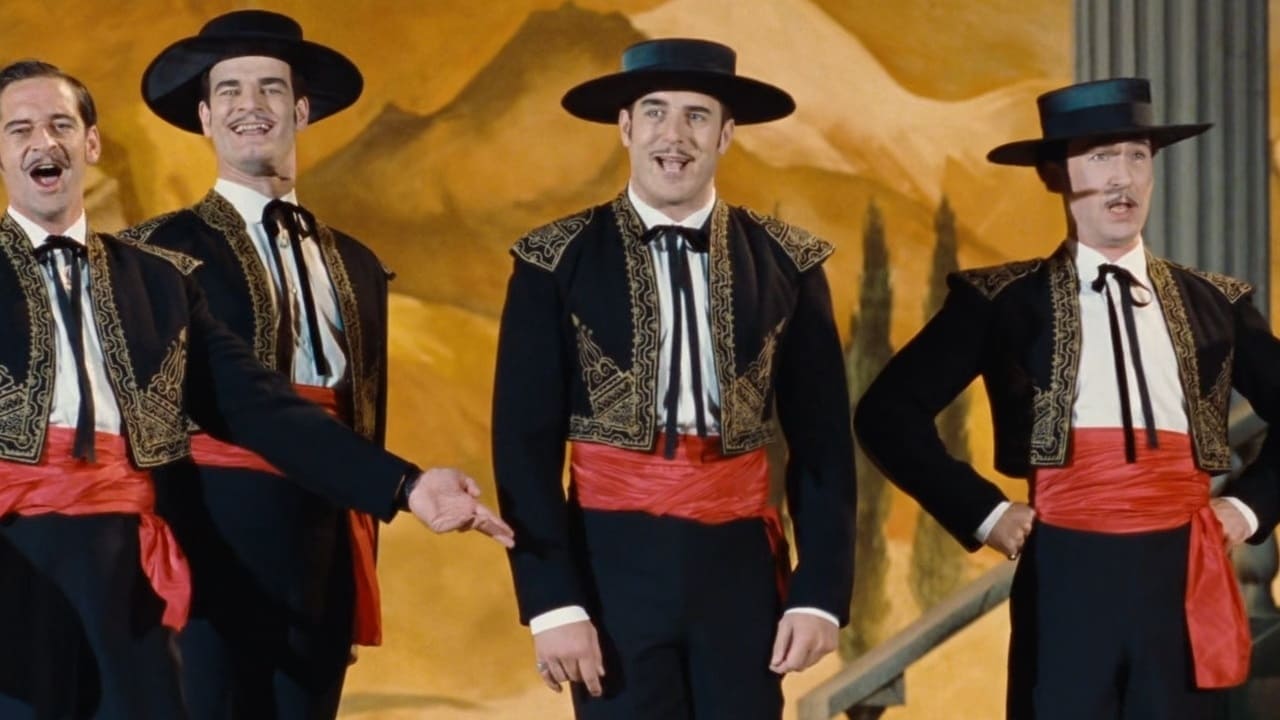
The film excels in capturing the sheer infectious energy of the group's formation and performances. Vilsmaier, who also co-wrote the script, masterfully stages the musical numbers. You see the meticulous rehearsals, the discovery of their unique blend – witty, sophisticated, often delightfully silly – and the electric connection they forged with audiences across Europe and even in America. The film doesn't just tell you they were brilliant; it shows you, letting the music speak for itself. The actors lip-sync, yes, but it's to painstakingly recreated arrangements that honour the originals, capturing that specific, inimitable sound. You genuinely feel the thrill of their rapid ascent, the champagne-popping giddiness of fame achieved through pure talent and innovation.
It's fascinating to learn that this was a significant German production, costing around DM 20 million (well over $10 million USD back then) and becoming a massive critical and commercial success in its home country, sweeping the German Film Awards. It’s a reminder that powerful stories were being told outside the Hollywood mainstream, stories that perhaps didn’t get the same fanfare on international VHS release but held just as much weight.
Faces in the Crowd, Voices Against the Silence
Where The Harmonists truly finds its soul is in the ensemble cast. These aren't just singers; they're distinct individuals caught in history's unforgiving gears. Ulrich Noethen is pitch-perfect as Harry Frommermann, the group's intellectual founder, reserved yet driven. Ben Becker embodies Robert Biberti, the charismatic bass, ambitious and perhaps dangerously pragmatic. Heino Ferch plays Roman Cycowski, the Polish tenor whose Jewish identity becomes a central point of conflict. Each actor brings nuance to their role, portraying not just the public personas but the private anxieties, loyalties, and eventual fractures within the group.
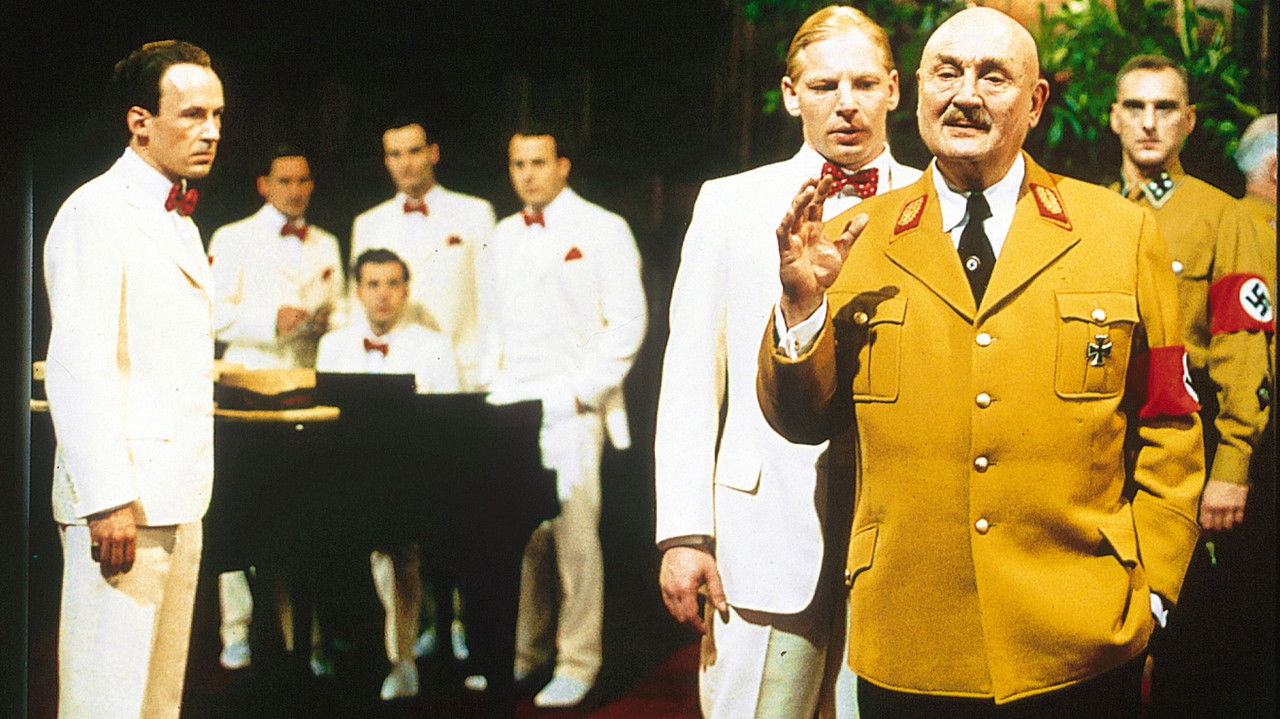
Their chemistry initially feels effortless, the easy banter and shared artistic passion radiating off the screen. You believe in their brotherhood. Which makes the subsequent descent all the more heartbreaking. The film doesn't shy away from the insidious creep of antisemitism and the impossible choices forced upon them. Three of the six members were Jewish or had Jewish wives, making their continued existence anathema to the Third Reich. How do you reconcile friendship and artistic integrity with the chilling dictates of a regime bent on your destruction? The film poses this question without easy answers, letting the weight settle on the characters and, by extension, on us.
The Craft of Capturing an Era
Vilsmaier’s direction balances the light and the dark effectively. The early scenes pulse with the vibrant energy of Weimar Berlin, a city alive with artistic possibility. The cinematography captures both the smoky intimacy of nightclubs and the grandeur of concert halls. As the narrative progresses, however, a visual shift occurs. Shadows lengthen, colours feel subtly muted, and the framing often isolates characters, reflecting their growing fear and division. The period detail, from costumes to sets, feels authentic, immersing us in the specific time and place without feeling like a museum piece. It’s a lived-in world, making the historical intrusion feel all the more visceral.
There's a specific scene – no major spoilers – involving a performance where the political reality outside the theatre doors can no longer be ignored. The tension is palpable, conveyed through glances, subtle shifts in posture, and the strained smiles of performers trying to maintain composure while their world crumbles. It’s a masterclass in showing, not telling, the devastating human cost of ideology.
A Gem Worth Unearthing
Watching The Harmonists today, perhaps unearthed from a dusty corner of your memory or discovered for the first time, feels like uncovering a poignant piece of history. It’s a musical biopic, yes, but it transcends the genre’s formulas. It’s a story about the power of art to unite and uplift, but also about its terrifying vulnerability in the face of brute force and prejudice. It reminds us how quickly harmony can be shattered, how easily voices can be silenced.
Did this film launch major international careers in the same way a Hollywood hit might have? Perhaps not broadly, but the performances are uniformly excellent, showcasing incredible German talent. It stands as a testament to a specific cultural moment, a unique musical phenomenon, and the enduring human spirit facing unimaginable adversity. It’s not always an easy watch, but it’s a deeply rewarding one.
Rating: 9/10
This rating reflects the film's superb ensemble acting, its masterful recreation of the Comedian Harmonists' music and era, its poignant handling of difficult historical themes, and its lasting emotional impact. It achieves a near-perfect balance between celebrating artistry and confronting tragedy, making it a standout historical drama from the late 90s that deserves to be remembered and discussed.
The Harmonists leaves you with the echo of beautiful music abruptly cut off, a haunting reminder of talent silenced and lives irrevocably changed by the chilling march of history. It's a film that stays with you, a melody of both joy and sorrow played in a key you won't soon forget.