What if the power of sheer negative thought, the darkest flicker of malice in the human mind, could actually reshape reality? Not through action, but through will alone. This chilling question sits at the bruised heart of Jack Gold's 1978 thriller, The Medusa Touch, a film that arrived just before the blockbuster boom of the 80s but carries a distinctive, unsettling atmosphere many of us likely encountered on a well-worn VHS tape rented on a rainy Saturday afternoon. It’s a curious hybrid – part brooding character study, part police procedural, and, ultimately, part disaster movie – held together by a magnetic, world-weary performance from the legendary Richard Burton.

### An Investigation Into the Unthinkable
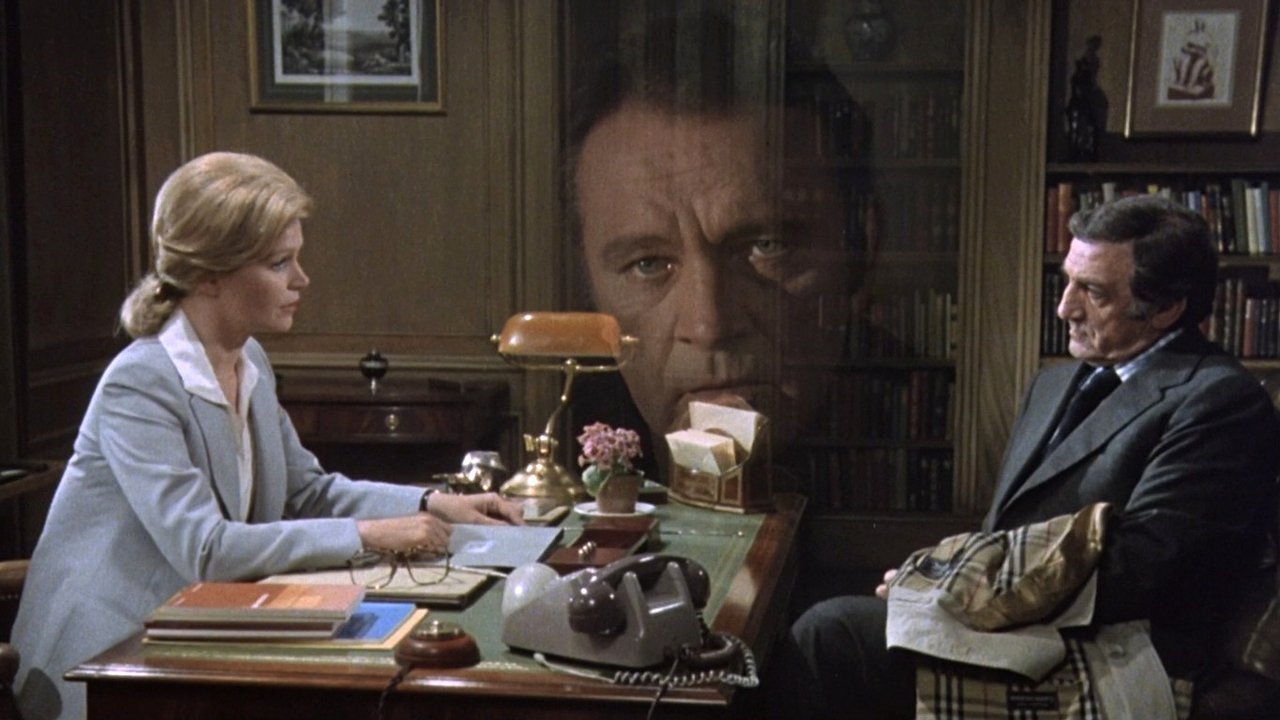
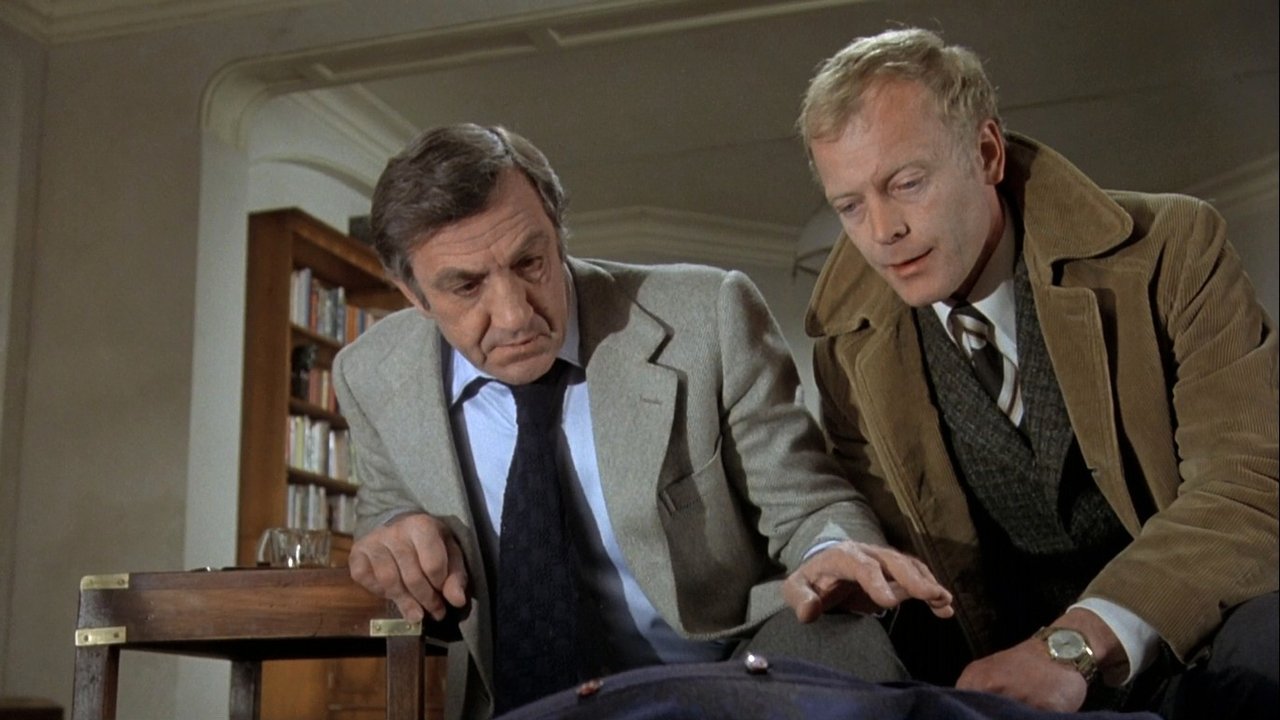
The film grips you from the opening: a man, John Morlar (Richard Burton), lies brutally assaulted, seemingly near death, in his London flat. French detective Brunel (Lino Ventura, a commanding presence familiar to European cinema fans), on an exchange program with Scotland Yard, is assigned the baffling case. As Brunel digs into Morlar's life, interviewing those who knew him, including his psychiatrist Dr. Zonfeld (Lee Remick, bringing her usual intelligence and grace), a disturbing picture emerges. Through flashbacks, we learn Morlar isn't just a misanthropic novelist; he possesses – or believes he possesses – terrifying psychokinetic abilities, triggered by his anger and despair. Disasters seem to follow in his wake, from childhood incidents to a catastrophic plane crash he seemingly predicted, or perhaps caused.
Brunel, the rational policeman, finds himself confronting the impossible. Is Morlar merely a profoundly unlucky, deeply unpleasant man surrounded by tragedy? Or is he something far more dangerous – a vessel for immense destructive power, capable of leveling buildings with a thought? It's this central mystery, the tightrope walk between psychological delusion and supernatural horror, that gives The Medusa Touch its unique flavour. It feels less like a typical horror film and more like a grim exploration of alienation and the potential for immense harm lurking beneath a civilized surface.
### Burton's Burden
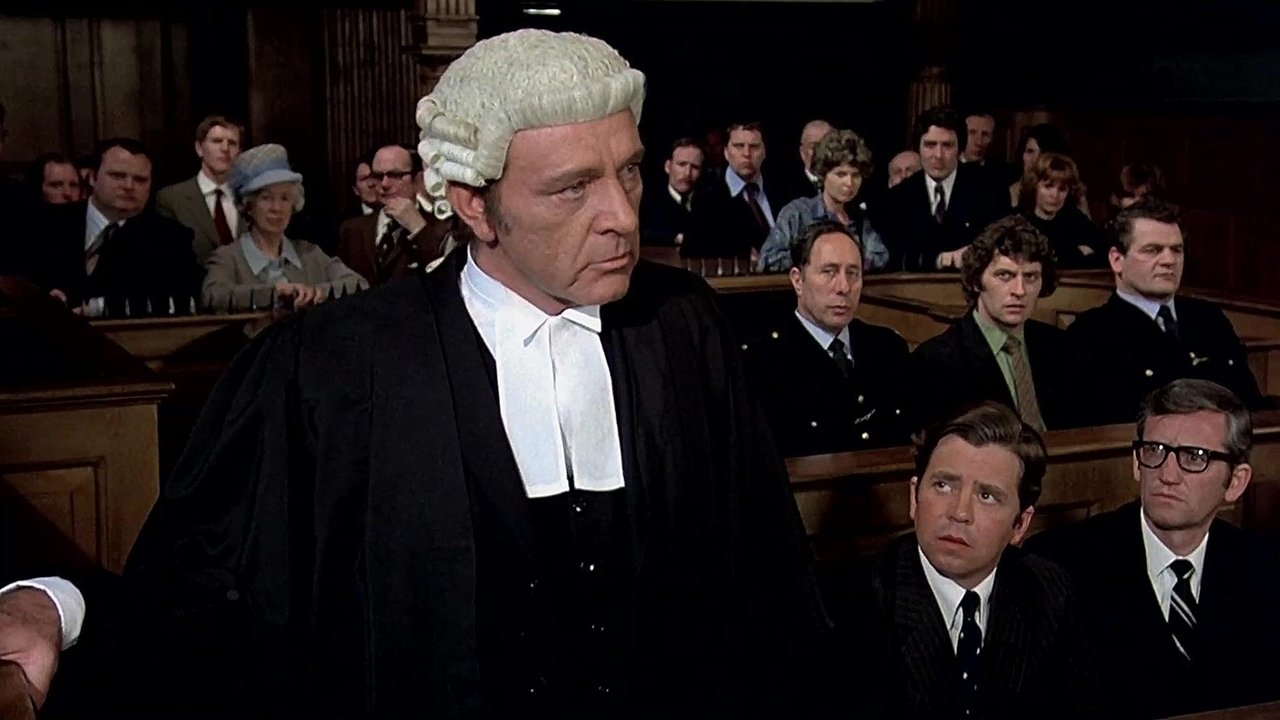
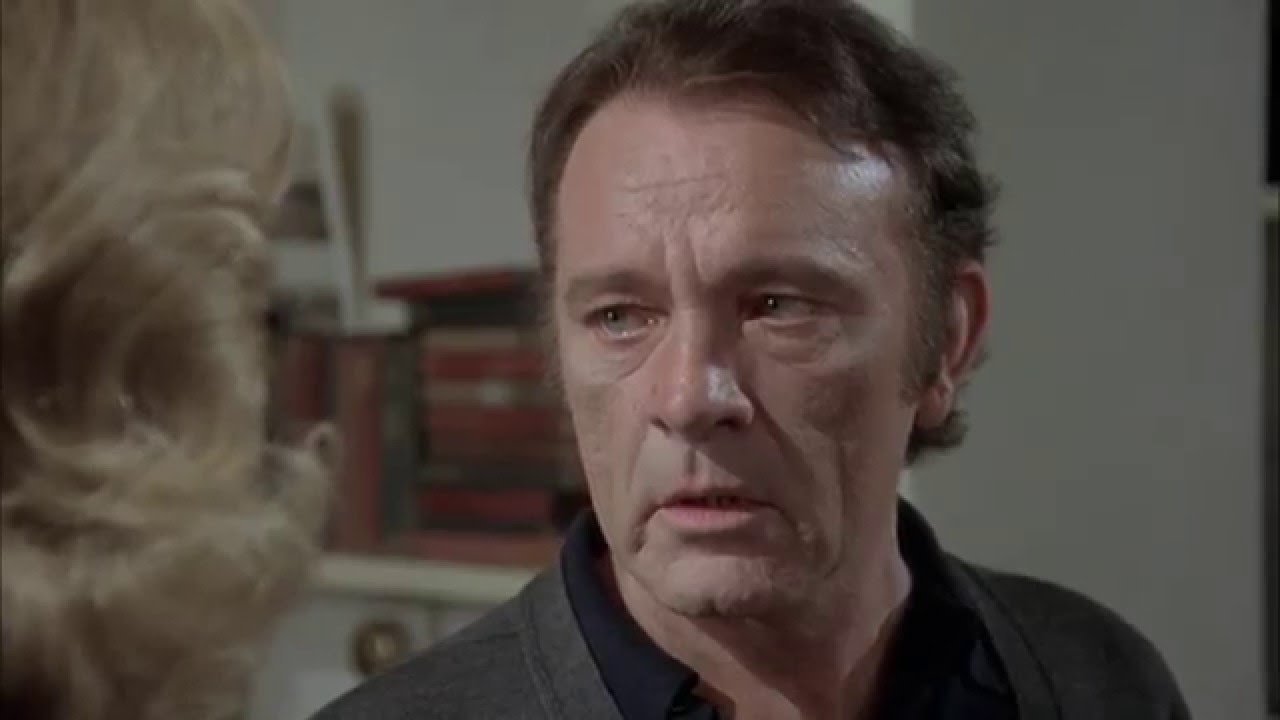
At the core of it all is Richard Burton. By 1978, his hell-raising days were largely behind him, but the weariness, the profound melancholy, and that magnificent, gravelly voice remained potent instruments. His Morlar is not a cackling villain but a man burdened by a terrible gift, or curse. He’s cynical, arrogant, and deeply wounded. Burton conveys the immense psychic weight Morlar carries, the horror of knowing his darkest impulses can manifest physically. There’s a scene where he describes his "talent" with a chilling lack of emotion that sticks with you. It’s reported that Burton felt a connection to Morlar's sense of isolation, adding a layer of authentic despair to the performance. It’s not a showy role, but a deeply internalized one, relying on those piercing eyes and that unparalleled voice to suggest the immense power coiled within.
Lino Ventura provides the perfect counterpoint. His Brunel is grounded, methodical, his skepticism slowly eroding as the evidence mounts. He doesn't steal scenes; he anchors them, representing the audience's own disbelief battling against the film's increasingly unsettling suggestions. Their dynamic, even though Burton spends much of the film either in flashback or seemingly comatose, forms the narrative backbone.
### Catastrophe on a Budget, Impact Beyond Measure
The film builds towards a genuinely spectacular climax – an audacious sequence involving the potential destruction of "Minster Cathedral" (actually Bristol Cathedral, used to stunning effect during filming). For a film made on a relatively modest budget (reportedly around $6 million), the scale of this sequence is ambitious and surprisingly effective, using practical effects and model work that, while perhaps showing their age slightly now, felt monumental back in the day. There's a visceral thrill to it, a genuine sense of impending doom that elevates the film beyond its procedural framework. Remember seeing those crumbling spires on a fuzzy CRT? It packed a punch.
Behind the scenes, crafting this destruction was a major undertaking. It's a testament to the ingenuity of the era's filmmakers. The film's script, adapted by John Briley (who would later win an Oscar for Gandhi) from Peter Van Greenaway's novel, cleverly uses the disaster movie tropes popularised in the 70s (think The Poseidon Adventure or The Towering Inferno) but twists them into something more psychologically driven. It’s not just spectacle; it’s the horrifying culmination of one man’s internal state. The distinctive, often jarring electronic score by Michael J. Lewis further enhances the feeling of unease, underscoring the unnatural forces at play.
### Lingering Thoughts in the Static
The Medusa Touch isn't perfect. The pacing occasionally flags, and some of the supporting characters feel a little underdeveloped. Yet, it possesses a power that lingers. It taps into anxieties about forces beyond our control, about the destructive potential hidden within seemingly ordinary people, and the terrifying thought that maybe, just maybe, our worst thoughts have consequences we can't even fathom. It doesn't offer easy answers, leaving the viewer to ponder the nature of Morlar's power and Brunel's predicament long after the tape hissed to a stop. Did it influence later films exploring psychic powers? Perhaps subtly, but its unique blend of character study, thriller, and disaster flick remains quite distinct. It’s one of those 70s thrillers that feels both of its time and strangely prescient.
For those of us who remember discovering films like this tucked away in the 'Thriller' section of the video store, it represents a certain kind of filmmaking – intelligent, atmospheric, slightly strange, and willing to ask uncomfortable questions. It might not be a household name like some of its contemporaries, but its central conceit and Burton's haunting portrayal make it a fascinating watch, a gem deserving of rediscovery.
Rating: 7.5/10
Justification: While the pacing can be uneven and some elements feel dated, The Medusa Touch is elevated by its chillingly original premise, a powerful central performance from Richard Burton, Lino Ventura's solid presence, and a memorably ambitious climax. It successfully blends genres and maintains a palpable sense of dread throughout, making it a standout psychological thriller from the era that rewards patient viewing.
Final Thought: It leaves you wondering – what destructive thoughts flicker unanswered behind the eyes of those we pass every day? A truly unsettling notion for the VCR era and beyond.