Okay, fellow travelers in time and tape, let's adjust the tracking slightly. While our usual haunt is the neon glow of the 80s and the flannel-clad 90s, sometimes a film arrives just as the calendar flips, carrying the unmistakable soul of the era we hold dear. Such is the case with Kenneth Lonergan's directorial debut, You Can Count on Me (2000). Watching it again recently, it felt less like a product of the new millennium and more like a perfectly preserved artifact from the late 90s independent film boom – a quiet, character-driven piece that reminds you of those hidden gems you’d discover tucked away on the drama shelves of the local video store, perhaps rented on a quiet weeknight when you needed something real.
### The Weight of Shared History
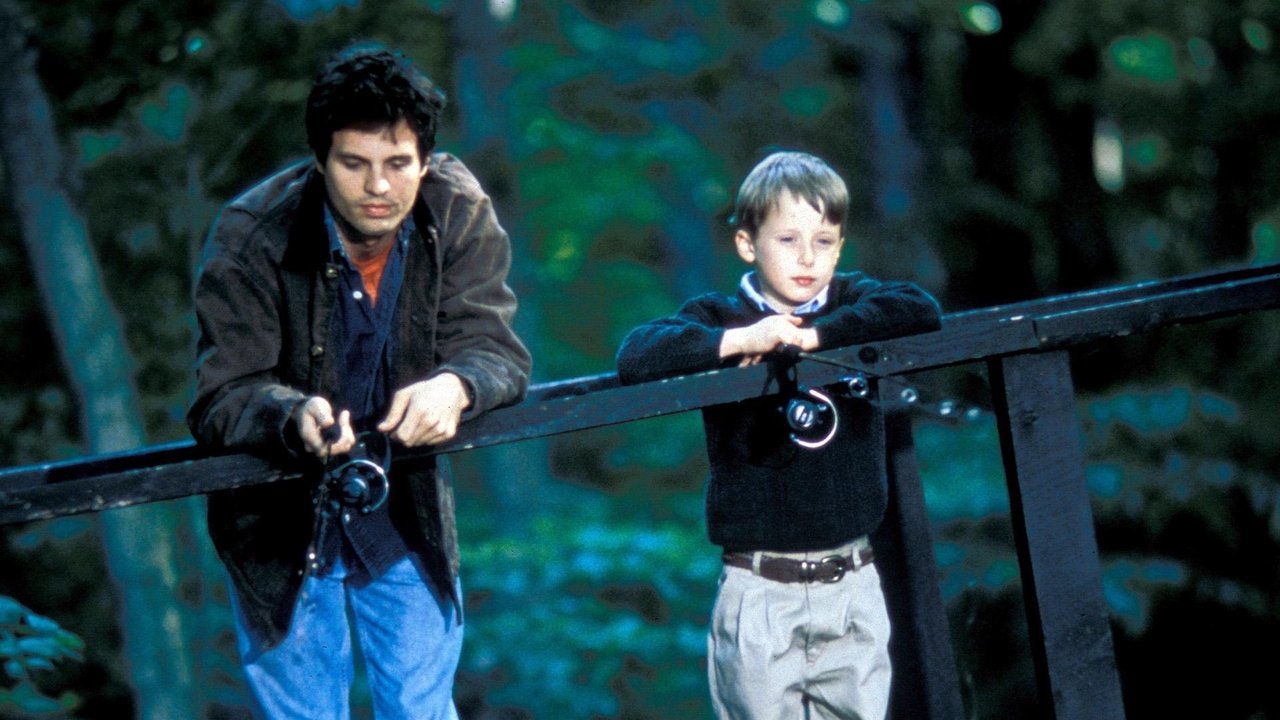
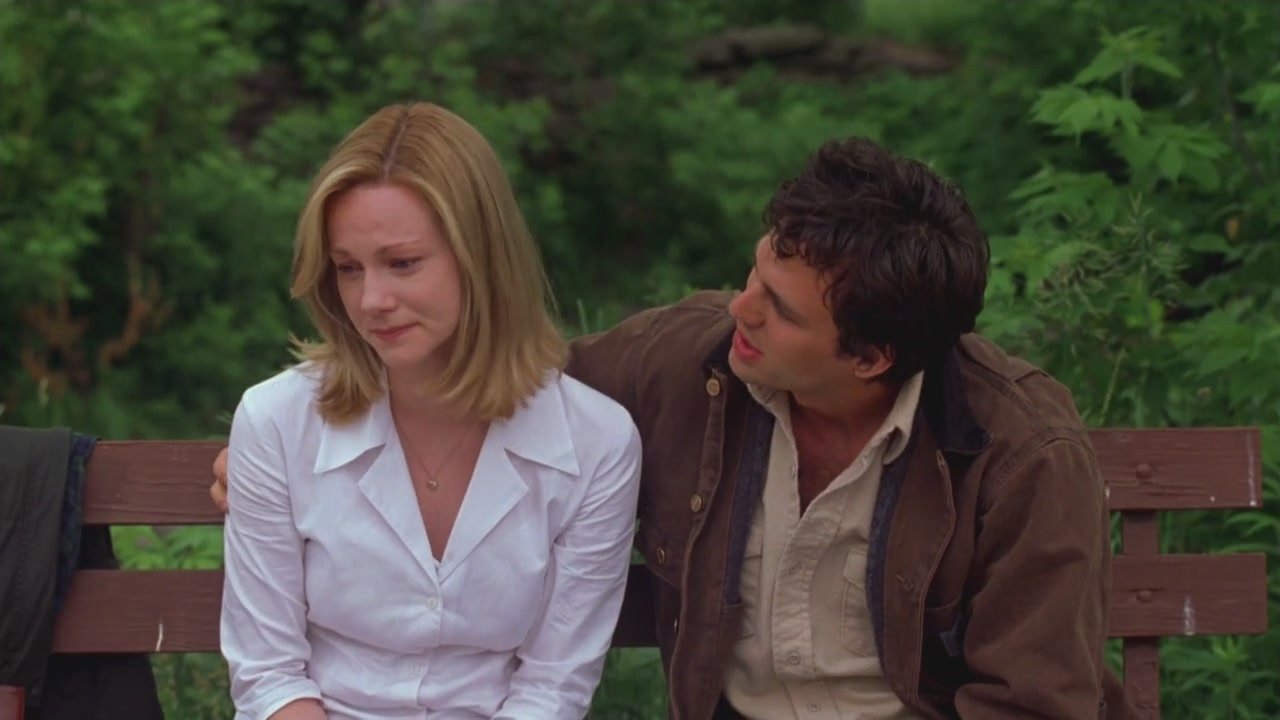
What strikes you first, and lingers longest, is the profound authenticity of the central relationship. The film orbits around Sammy Prescott (Laura Linney), a single mother meticulously managing her life and her young son Rudy (Rory Culkin) in their small upstate New York hometown, the same town where she and her brother Terry lost their parents in a childhood car accident. That shared trauma hangs in the air, unspoken but ever-present, especially when Terry (Mark Ruffalo) drifts back into town. He’s her opposite: aimless, charmingly irresponsible, perpetually searching for footing but often stumbling. Their bond is the film's beating heart – messy, complicated, deeply loving, yet fraught with years of divergent paths and unspoken resentments. Does any relationship carry more weight than that of siblings who’ve weathered tragedy together, only to find themselves navigating adulthood in vastly different ways?
### Performances That Breathe
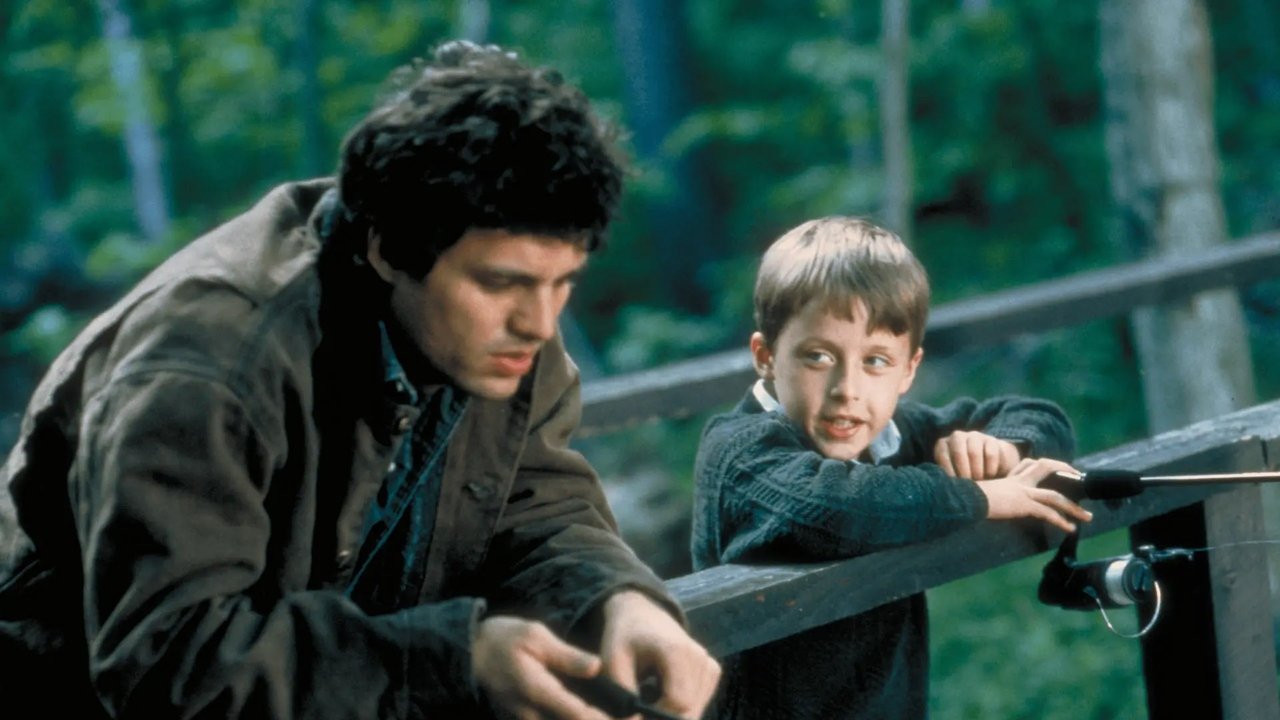
This film lives and dies on its performances, and frankly, it soars. Laura Linney, earning a well-deserved Oscar nomination, is simply astonishing as Sammy. She embodies the quiet strength and simmering frustrations of a woman trying to hold everything together – her job at the local bank, her son's upbringing, her tentative steps towards new romance, and the turbulent reappearance of her brother. There's a scene where she prays, not with flowery language, but with a raw, almost desperate practicality that feels utterly genuine. It’s a masterclass in conveying complex internal struggles through subtle glances and shifts in posture.
And then there's Mark Ruffalo, in the role that truly announced his arrival as a major talent. His Terry isn't just a screw-up; he’s infused with a vulnerability and a yearning for connection that makes him magnetic, even when his actions are infuriating. Ruffalo plays him not as a caricature of the prodigal son, but as a man genuinely wrestling with his own nature, capable of deep affection but seemingly incapable of stability. The chemistry between Linney and Ruffalo is electric – they feel like siblings, with all the shorthand, the shared jokes, and the deep-seated irritations that implies. Even Matthew Broderick, stepping away from his more famous comedic roles, delivers a finely tuned performance as Sammy’s well-meaning but ultimately limited boss, adding another layer to the film's exploration of small-town dynamics and compromised desires.
### Lonergan's Quiet Craft
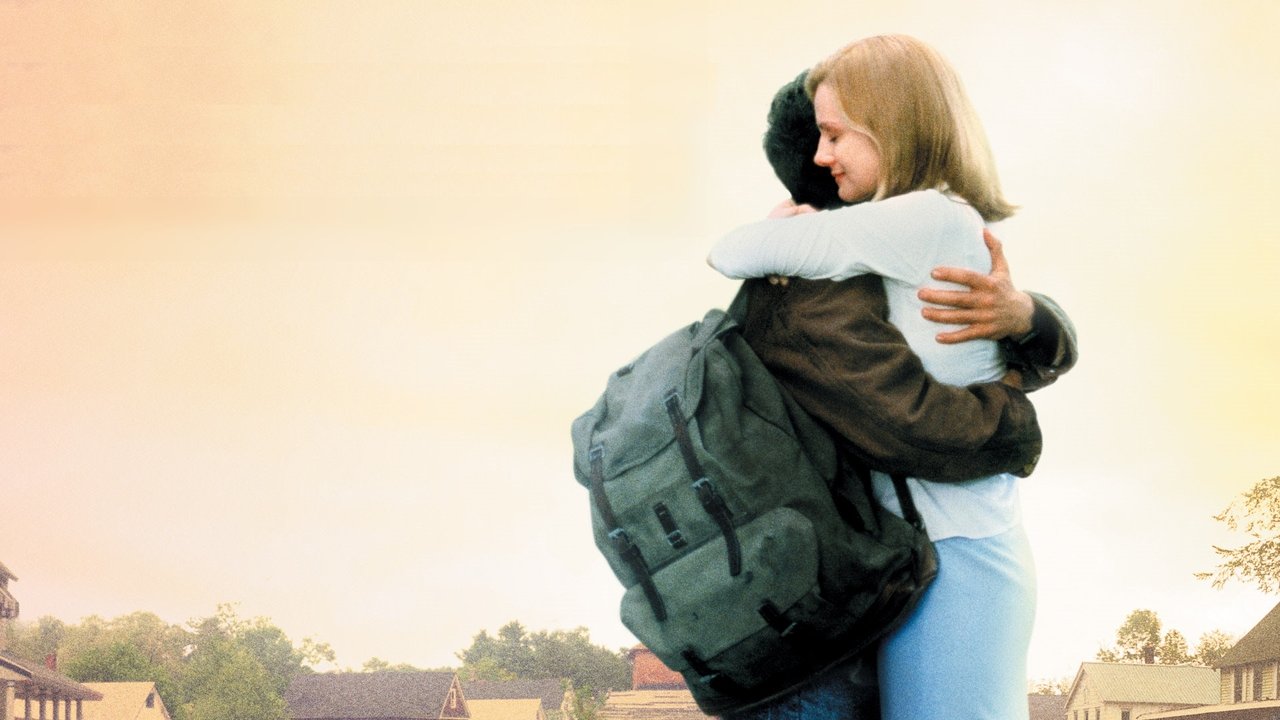
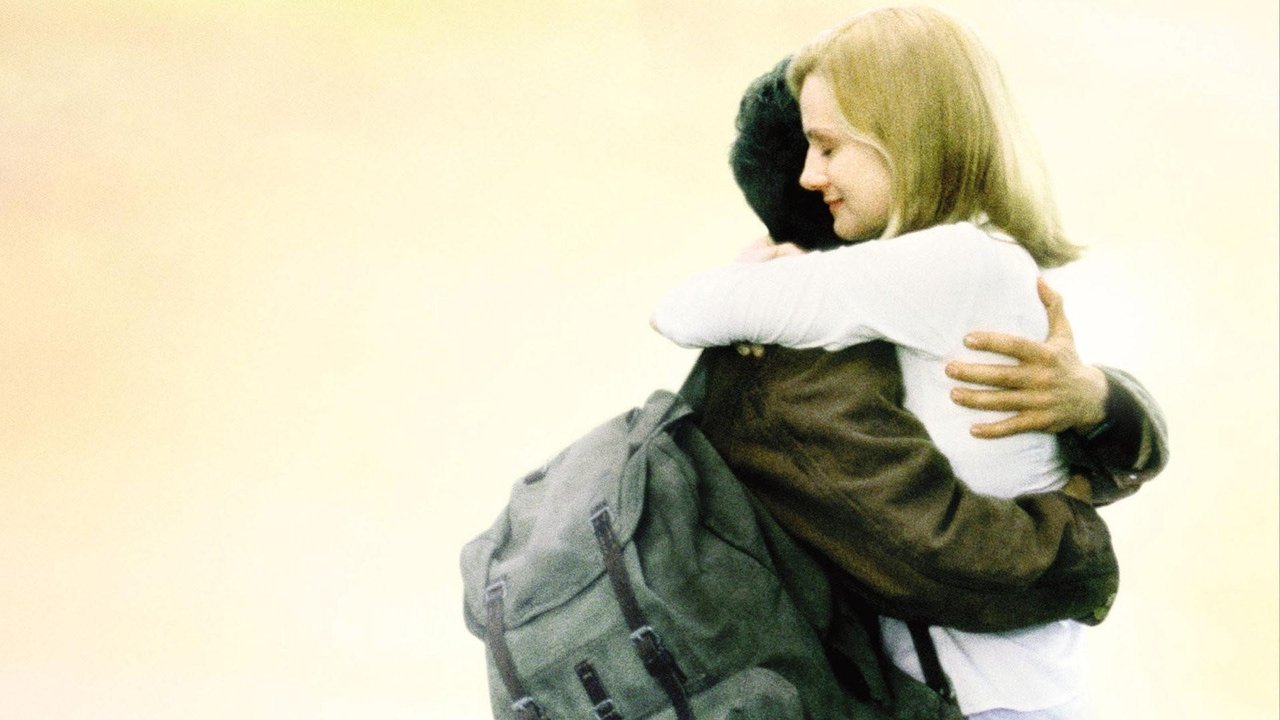
Kenneth Lonergan, already an acclaimed playwright (This Is Our Youth), brought that same ear for nuanced dialogue and character depth to his first film. You Can Count on Me doesn't rely on big plot twists or dramatic fireworks. Instead, its power lies in the accumulation of small moments: awkward conversations, gestures of kindness, sudden bursts of anger, quiet acts of forgiveness. Lonergan trusts his actors and his audience, allowing scenes to breathe and emotions to unfold naturally. It’s filmed with an unobtrusive style that puts the characters front and center, capturing the specific atmosphere of Scottsville, New York – a place that feels both comforting and confining.
Reportedly, Lonergan drew inspiration from his own family dynamics, lending the script an undeniable layer of lived-in truth. The film was a standout at the Sundance Film Festival in 2000, winning the Grand Jury Prize and the Waldo Salt Screenwriting Award, signaling the arrival of a significant new voice in American independent film. Made for a modest $1.2 million, its eventual $11 million gross was a testament to its resonance with audiences hungry for thoughtful, adult storytelling – something that felt increasingly rare as the blockbuster spectacle began to dominate the multiplexes even more intensely in the early 2000s.
### Finding Connection in Imperfection
What makes You Can Count on Me endure? It’s the film’s unflinching honesty about the complexities of family and responsibility. There are no easy answers here. Sammy and Terry love each other deeply, but can they truly rely on each other in the ways they need? Can we ever fully escape the patterns set in childhood? The film poses these questions without offering neat resolutions, mirroring the often-untidy reality of our own lives and relationships. It acknowledges that people are flawed, that love is often complicated, and that connection itself is something precious, however imperfectly maintained.
I remember finding this one on the shelf, maybe a year or two after its release, likely transitioning my own collection from VHS to DVD. It felt like a discovery then, and it feels just as vital now. It’s a reminder that sometimes the most powerful stories are the quietest ones, the ones that hold a mirror up to our own messy, beautiful human connections.
Rating: 9/10
This near-perfect score reflects the film's powerhouse performances, particularly from Linney and Ruffalo, Lonergan’s masterful, nuanced script and direction, and its profound emotional honesty. It’s a film that avoids sentimentality while exploring deep sentiment, capturing the intricate, often difficult bonds of family with grace and truth. It might have arrived at the dawn of a new decade, but its heart beats with the best of character-driven 90s cinema.
You Can Count on Me doesn't leave you with answers, but rather with a lingering feeling – the quiet hum of recognition, the weight of choices made and unmade, and the enduring, complicated power of knowing there’s someone out there who shares your history, for better or worse.