Okay, settle in and let's rewind the tape back to 1999, though the heart of this film beats firmly in 1971 Salford. Some movies hit you with the force of a blockbuster explosion, others creep up on you, their truths unfolding slowly, painfully, hilariously. East Is East belongs firmly in that latter category. It arrived just before the millennium turned, a vibrant splash of colour and chaos against the backdrop of gritty Northern England, and it felt like something genuinely fresh, yet deeply familiar. It’s a film that invites you into the cramped, bustling terraced house of the Khan family and refuses to let you leave unchanged.
A Household Divided
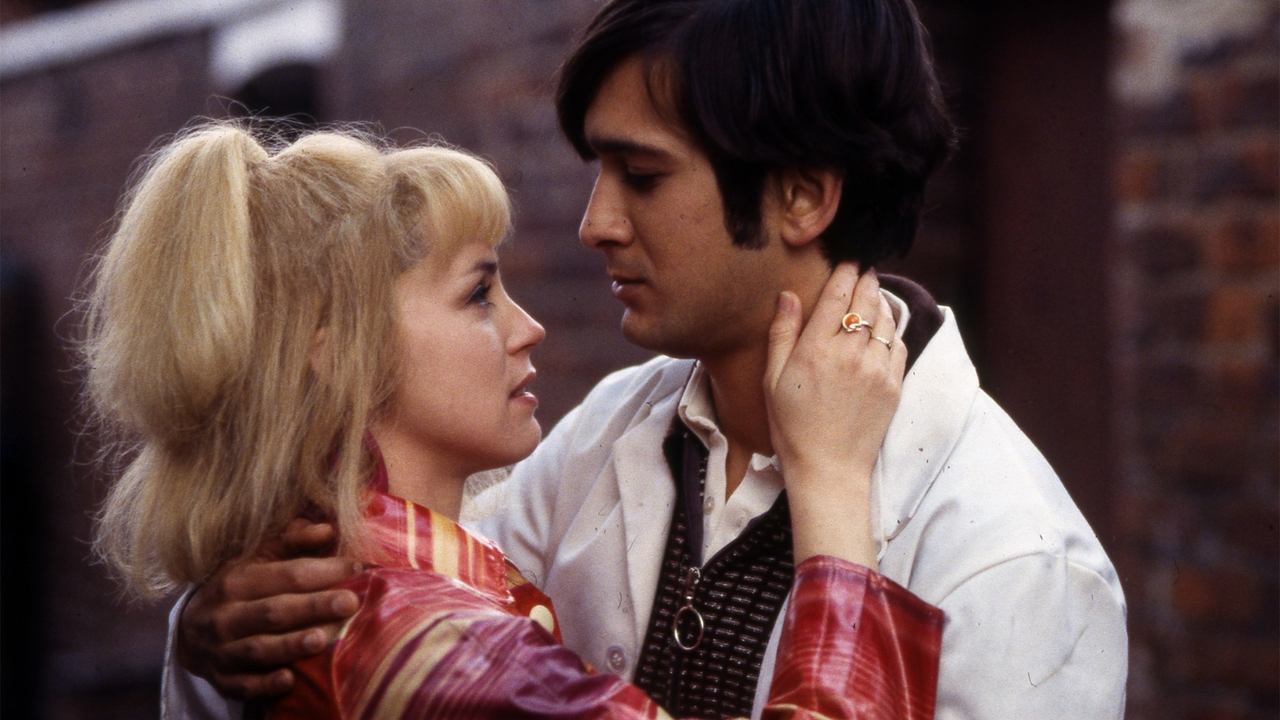
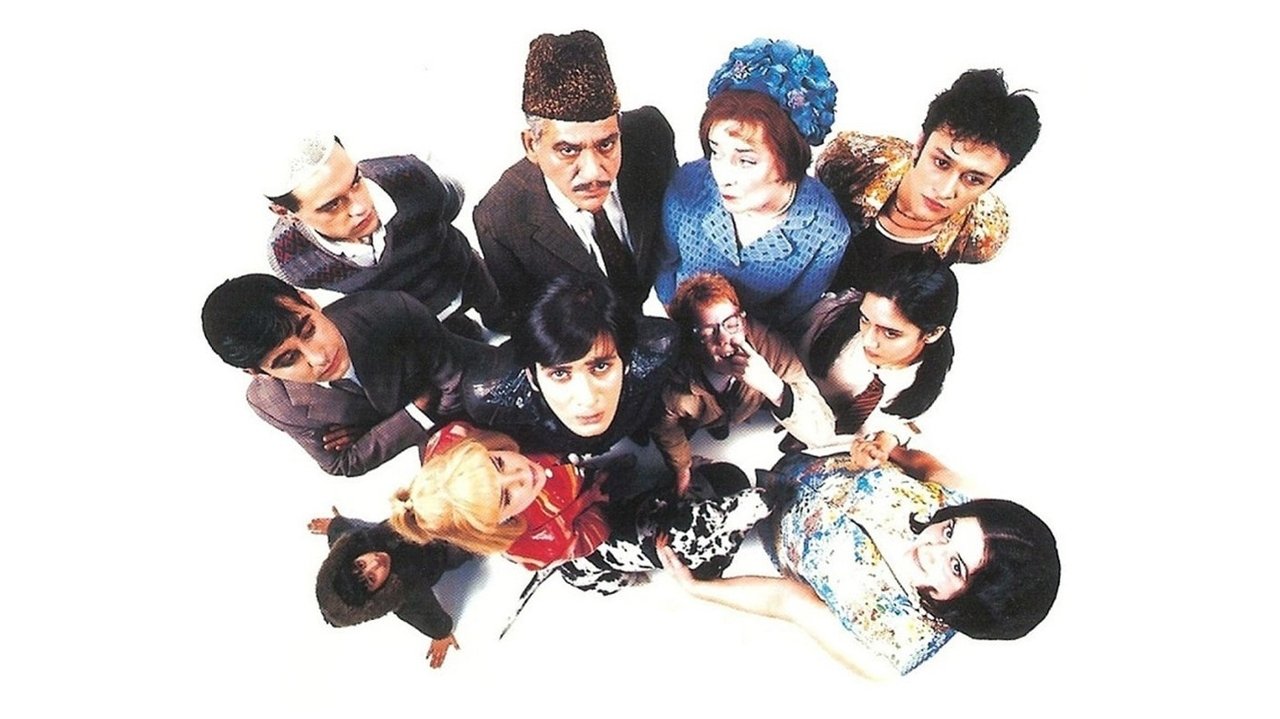
At the heart of East Is East is a clash of cultures played out not on a grand stage, but within the four walls of a family home. George Khan (Om Puri), a Pakistani immigrant and proud owner of a fish and chip shop, rules his household with an iron fist and an unwavering adherence to the traditions of his homeland. His wife, Ella (Linda Bassett), is English, Lancashire born and bred, fiercely loving towards her children but often caught in the crossfire between her husband's traditionalism and her kids' yearning for 70s British freedom. They have seven children – Nazir, Abdul, Tariq, Saleem, Meenah, Sajid, and Maneer – each navigating their own path between Pakistani heritage and English identity, mostly leaning firmly towards the latter. It's 1971: flares are wide, music is loud, and the generation gap feels more like a chasm, amplified tenfold by cultural expectations George refuses to relinquish.
The Towering Presence of George Khan
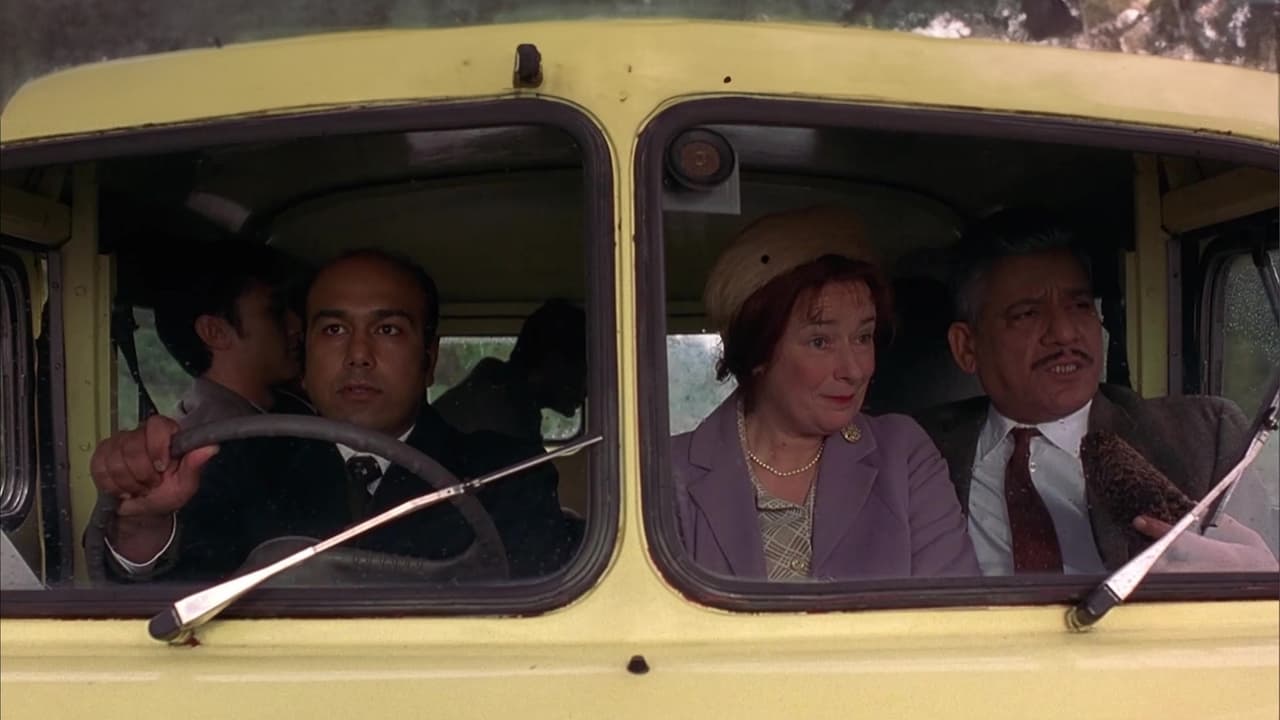
You simply cannot talk about East Is East without focusing on Om Puri's performance as George, or "Genghis" as the kids secretly call him. It’s a towering portrayal, complex and deeply unsettling. Puri, already a respected actor in Indian cinema and known internationally for roles in films like Gandhi (1982) and later Charlie Wilson's War (2007), doesn't shy away from George's tyrannical nature, his casual cruelty born from patriarchal certainty and a desperate, perhaps misguided, fear of losing his children to a culture he doesn't fully understand. He sees arranged marriages not as oppression, but as providing stability, a link back to Pakistan. Yet, beneath the bluster and the violence (and the film doesn't flinch from depicting domestic abuse), Puri allows fleeting glimpses of vulnerability, of a man perhaps adrift himself. It's a performance that avoids easy caricature, forcing us to grapple with the uncomfortable humanity within the monster. Was his insistence on tradition a way of maintaining control, or a deeply ingrained, albeit warped, form of love and protection?
Ella: The Weary Heart of the Home
Counterbalancing Puri's explosive energy is Linda Bassett's magnificent turn as Ella. Bassett, a formidable stage actress who many might also recognize from Calendar Girls (2003), embodies the quiet resilience and weary love of a mother trying to hold her fractured family together. Her face is a roadmap of compromises made, battles fought silently, and fierce maternal protection. She understands her children's desires in a way George cannot fathom, yet she also remains loyal to her husband, navigating an impossible tightrope walk. Her moments of defiance are subtle but powerful, often just a look or a carefully chosen word, carrying the emotional weight of the family's predicament. The chemistry between Puri and Bassett is electric, a believable portrait of a long, complicated marriage built on foundations both loving and deeply troubled.
From Stage to Screen Authenticity
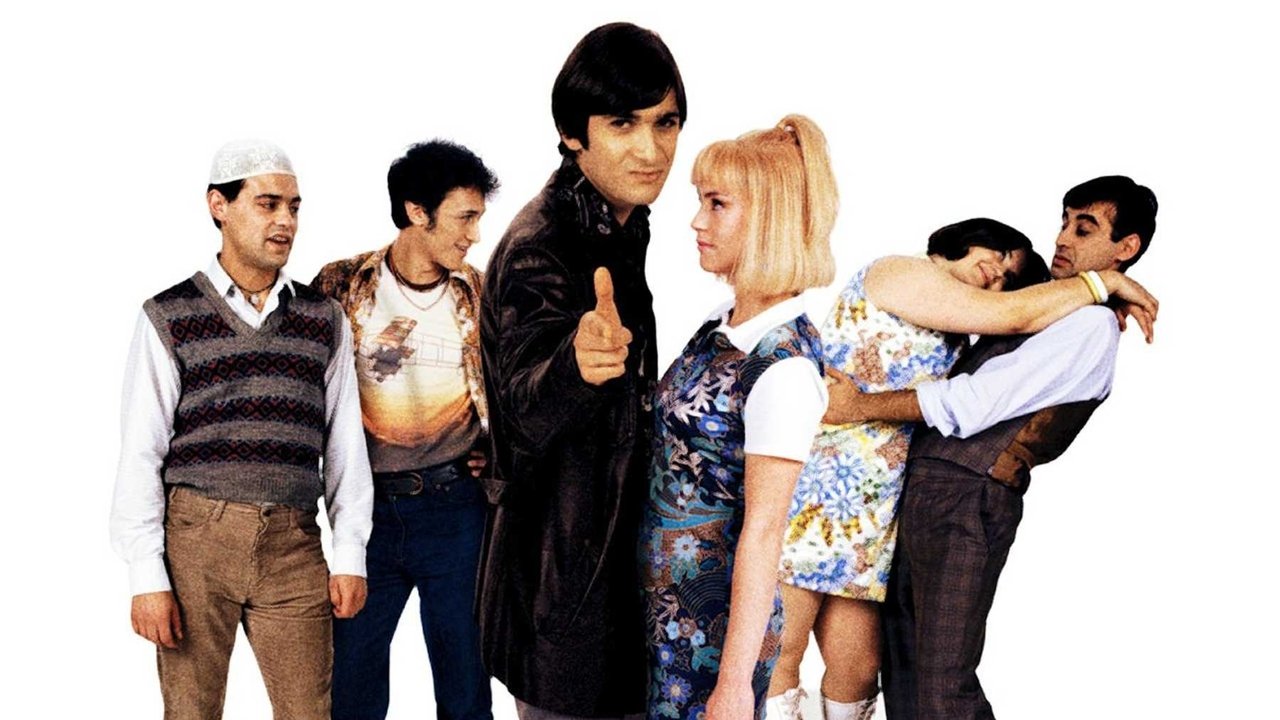
The film crackles with an undeniable authenticity, largely because it springs directly from the life of its writer, Ayub Khan Din. East Is East began as his semi-autobiographical play, first staged at the Royal Court Theatre in 1996 to great acclaim. This personal connection shines through in the sharp dialogue, the lived-in details of the Salford setting (captured perfectly by director Damien O'Donnell), and the nuanced portrayal of the children – from Tariq's (Jimi Mistry) mod aspirations to Meenah's (Archie Panjabi in an early role) tomboyish rebellion, and poor little Sajid's (Jordan Routledge) constant refuge inside his filthy parka. Funnily enough, Routledge apparently attended his auditions largely hidden within that signature parka, perhaps method acting before he even got the part! The transition from stage to screen feels seamless, retaining the claustrophobic intimacy of the family home while opening up the world of early 70s Salford just enough.
It's remarkable how the film manages this delicate balance. It finds genuine, laugh-out-loud humour in the cultural clashes – the disastrous visit of the potential in-laws, Saleem's "art project," the kids' desperate attempts to hide their bacon-and-egg breakfasts. But this humour never diminishes the underlying pain. The laughter often catches in your throat as the mood shifts, sometimes violently, revealing the deep scars inflicted by George's rigidity and the impossible choices facing the family.
A Surprise Hit with Lasting Resonance
Made on a relatively modest budget (around £1.9 million, or just over $3 million USD back then), East Is East became a phenomenon, particularly in the UK, grossing over ten times its budget domestically and winning the BAFTA for Best British Film. It struck a chord, perhaps because its themes felt both specific and universal. While rooted in the British Asian immigrant experience of a particular era, the struggles with identity, generational conflict, the tension between tradition and modernity, and the messy, contradictory nature of family love resonate far beyond that context. Doesn't every family grapple with expectations versus reality, albeit usually without the threat of forced marriage or quite so much chippy fat? The film's title, incidentally, is a nod to Kipling, often misremembered as suggesting cultures can never meet, whereas the full context of the poem offers more hope – a nuance the film itself explores.
It felt like a landmark film, paving the way for more mainstream British Asian stories, though few have matched its raw energy and emotional complexity. While a sequel, West Is West, followed in 2010, exploring George's earlier life, it didn't quite recapture the lightning-in-a-bottle magic of the original.
The Verdict
East Is East is more than just a nostalgia trip back to the cusp of the millennium or the bell-bottomed 70s. It's a film that uses its specific setting to explore universal truths about family, identity, and the often-painful process of finding your place in the world. The performances, particularly from Om Puri and Linda Bassett, are phenomenal, grounding the comedy and tragedy in raw, believable emotion. Ayub Khan Din's script is a masterclass in balancing humour and heartbreak, creating characters that are flawed, frustrating, but ultimately deeply human. It captures the feeling of a specific time and place with uncanny accuracy, making the struggles of the Khan family feel immediate and vital even decades later. It earns its laughs and its tears honestly.
Rating: 9/10
Why a 9? For its fearless honesty, its brilliant performances, its pitch-perfect blend of comedy and drama, and its enduring power to make you think about the complexities of family and belonging long after the credits roll. It’s a film that stays with you, lodged somewhere between a chuckle and a wince – a true gem from the tail end of the VHS era that feels just as relevant today. What does it truly mean to belong, and what price are we willing to pay for it? East Is East doesn't offer easy answers, but it asks the questions beautifully.