Okay, pull up a chair, maybe pour yourself something comforting. Let's talk about a film that feels less like a movie and more like eavesdropping on your most chaotic family gathering, amplified to eleven. I’m talking about Jodie Foster’s second directorial feature, 1995’s Home for the Holidays. Forget the saccharine, airbrushed versions of Thanksgiving often served up on screen. This film plunges you headfirst into the turbulent, hilarious, and often deeply uncomfortable reality of familial obligation, armed with a stellar cast and a script that finds profundity in the pandemonium.
Welcome to the Larson Gauntlet
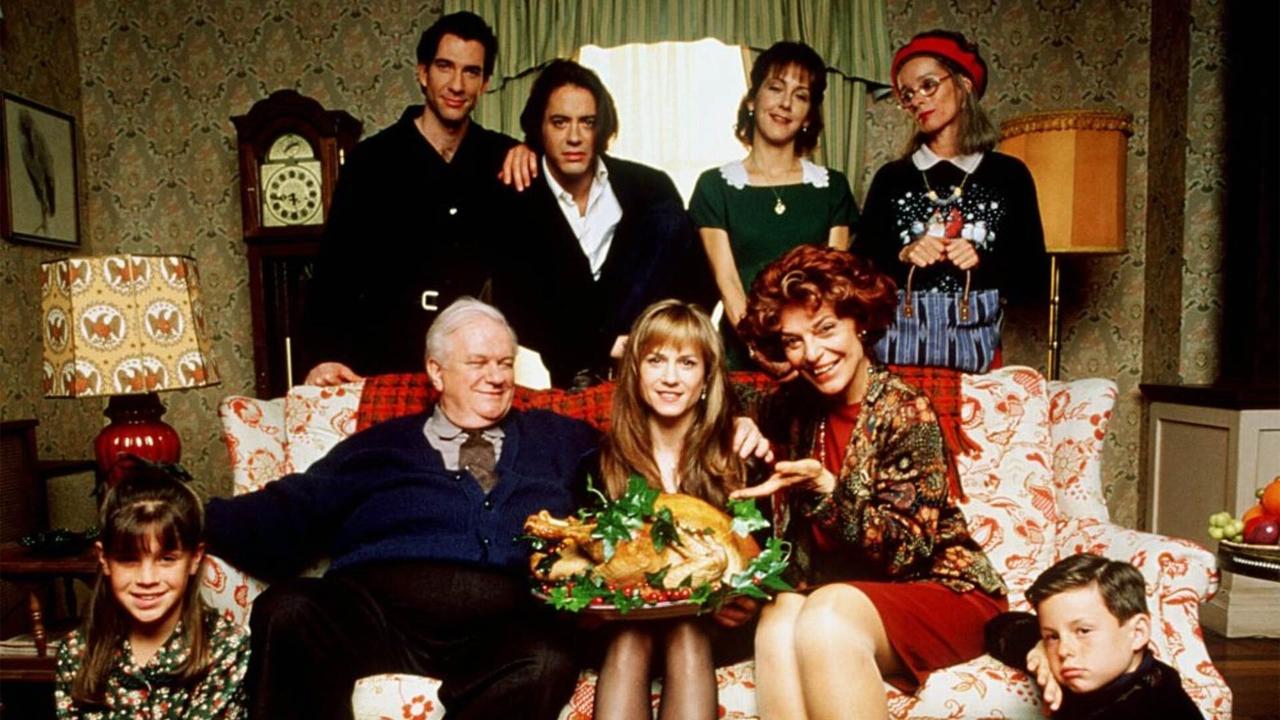
The film throws us immediately into the deep end with Claudia Larson (Holly Hunter, pitch-perfect as always). Within the first few minutes, she loses her job as an art restorer, endures a miserably awkward kiss with her departing boss, learns her teenage daughter Kitt (Claire Danes) is ditching the family holiday to definitively lose her virginity, and then boards a plane with a head cold, destined for her childhood home in Baltimore. It's a setup that perfectly establishes the tone: life is messy, holidays amplify the mess, and sometimes just showing up feels like a Herculean effort. You just know things are only going to escalate from here. And oh, do they ever.
A Masterclass in Controlled Chaos
What unfolds is less a plot-driven narrative and more a series of beautifully observed, often excruciatingly real vignettes. The Larson household, presided over by the fretful Adele (Anne Bancroft, magnificent) and the quietly weary Henry (Charles Durning, radiating warmth even amidst the storm), becomes a pressure cooker. Claudia’s arrival coincides with that of her flamboyant, wickedly funny gay brother Tommy (Robert Downey Jr., in a performance crackling with vulnerability and wit) and his suspiciously handsome "friend" Leo Fish (Dylan McDermott). Add to the mix the perpetually exasperated, hyper-conservative sister Joanne (Cynthia Stevenson, nailing the judgmental sibling role) and her beleaguered husband Walter (Steve Guttenberg), and you have all the ingredients for… well, exactly the kind of Thanksgiving many of us secretly dread but ultimately endure.
Jodie Foster, stepping behind the camera after her sensitive debut Little Man Tate (1991), directs with an assured, intimate hand. She lets the camera linger on faces, capturing the fleeting expressions – the eye rolls, the forced smiles, the sudden pangs of affection – that speak volumes. There’s a loose, almost improvisational feel at times, particularly in the overlapping dialogue during group scenes, that makes the chaos feel utterly authentic. It’s a far cry from the high-concept sci-fi/fantasy scripts W. D. Richter was known for (The Adventures of Buckaroo Banzai Across the 8th Dimension, the brilliant 1978 Invasion of the Body Snatchers remake), yet his adaptation of Chris Radant's short story feels remarkably grounded and truthful here.
Performances That Resonate
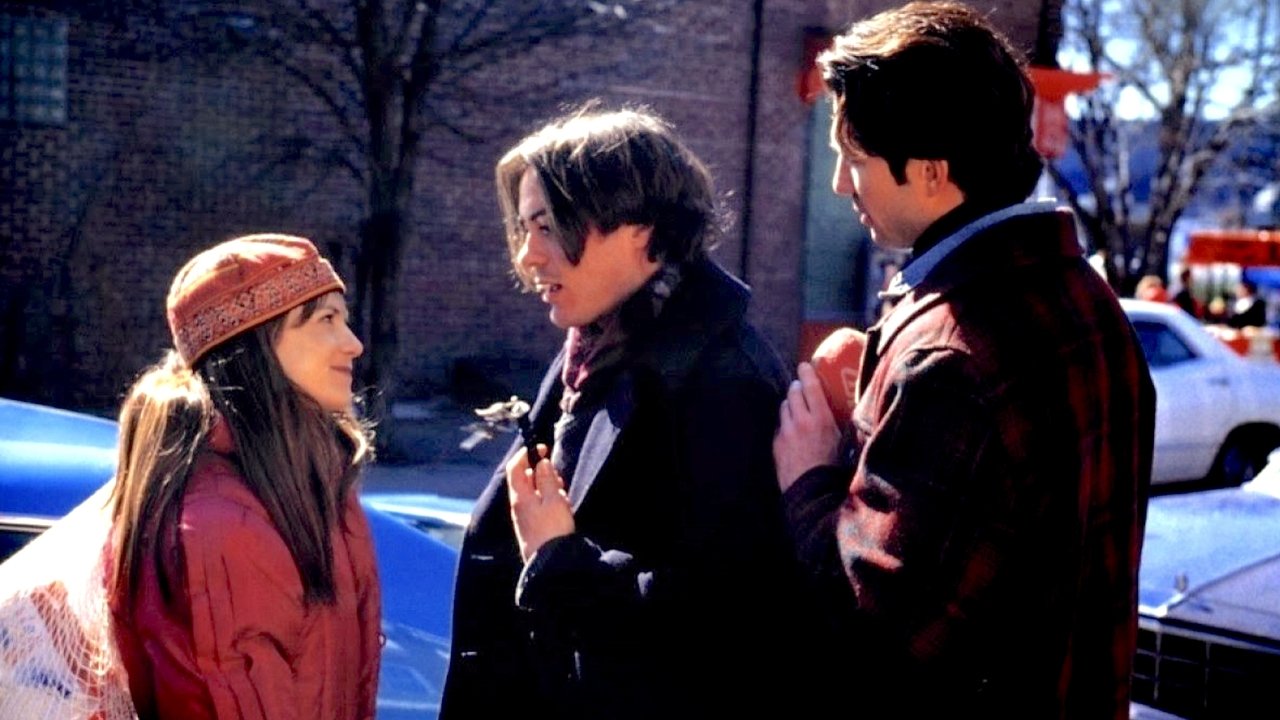
The ensemble cast is simply extraordinary, operating less like actors hitting their marks and more like a genuine, deeply flawed family unit. Holly Hunter carries the film with a weary resilience that’s incredibly relatable. She's the audience surrogate, navigating the minefield of old resentments and unspoken expectations. Anne Bancroft is a force of nature as Adele, her anxieties manifesting as both smothering affection and passive-aggressive jabs. She delivers lines like "You don't know the STRUggle..." with a conviction that’s both hilarious and heartbreakingly familiar.
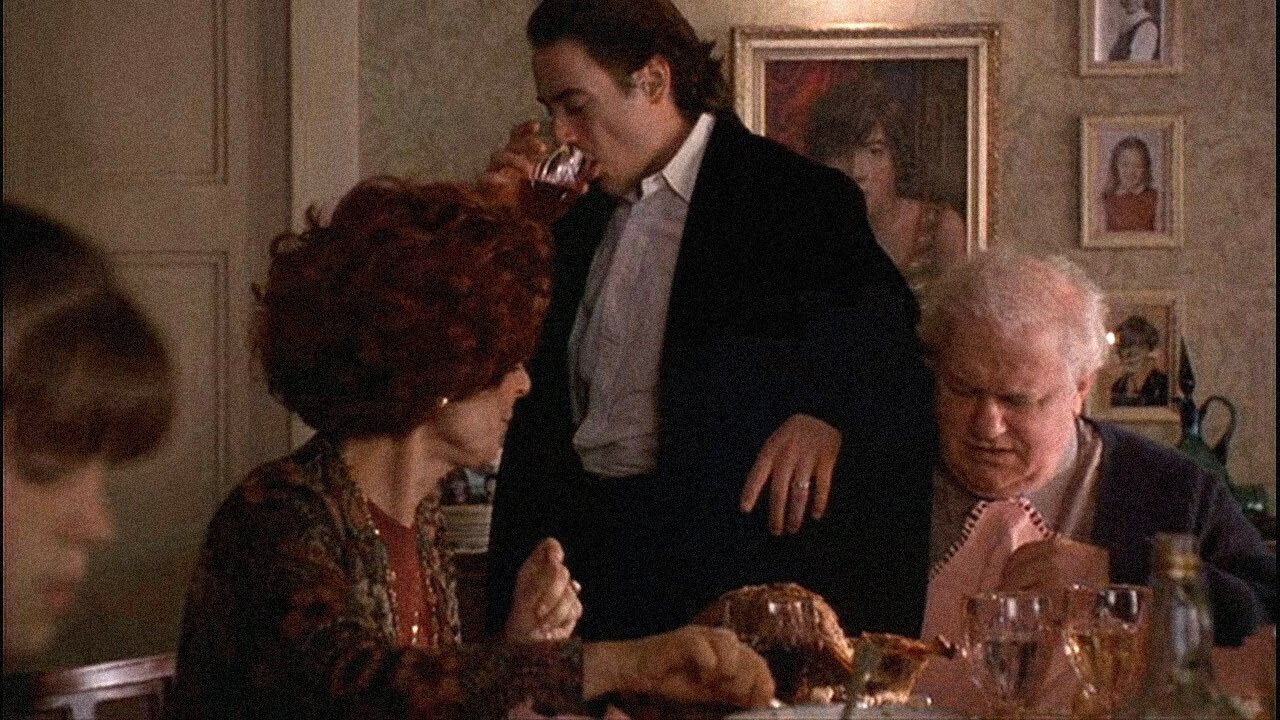
But it’s Robert Downey Jr. as Tommy who often steals the show. This was during a famously challenging period in his life, yet his talent burns incandescently. Tommy is the catalyst, the truth-teller, the agent of chaos who somehow also provides moments of unexpected grace. His interactions with Hunter feel lived-in, capturing that unique sibling bond forged in shared childhood absurdity. His energy is infectious, even when (or perhaps especially when) he’s lobbing verbal grenades across the dinner table – culminating in the legendary, disastrous turkey carving incident that remains an iconic moment of cinematic Thanksgiving calamity. Fun fact: the turkey landing in Joanne’s lap reportedly wasn’t scripted, but Cynthia Stevenson’s priceless reaction prompted Foster to keep it in.
Beneath the Turkey and Tears
Beyond the surface-level squabbles and comedic set pieces (and there are plenty), Home for the Holidays explores deeper truths about family. It’s about the secrets we keep (Tommy’s surprise marriage, Claudia’s job loss), the roles we’re forced back into the moment we cross the threshold of our childhood home, and the enduring, often baffling, nature of familial love. Can you truly escape your family, or are you destined to repeat the same patterns? Does acceptance mean resignation, or something more profound? The film doesn't offer easy answers, preferring instead to let the messiness linger, much like the leftover cranberry sauce in the fridge.
Filmed primarily in Baltimore, the movie captures a specific mid-90s feeling – the slightly drab interiors, the absence of constant digital connection forcing characters to actually talk (or yell) at each other. Though not a blockbuster ($17.5 million gross against a $20 million budget), its honest portrayal of holiday dysfunction earned it a devoted following on VHS and DVD, becoming an annual viewing ritual for those who prefer their Thanksgiving movies served with a side of raw nerves and uncomfortable truths.
---
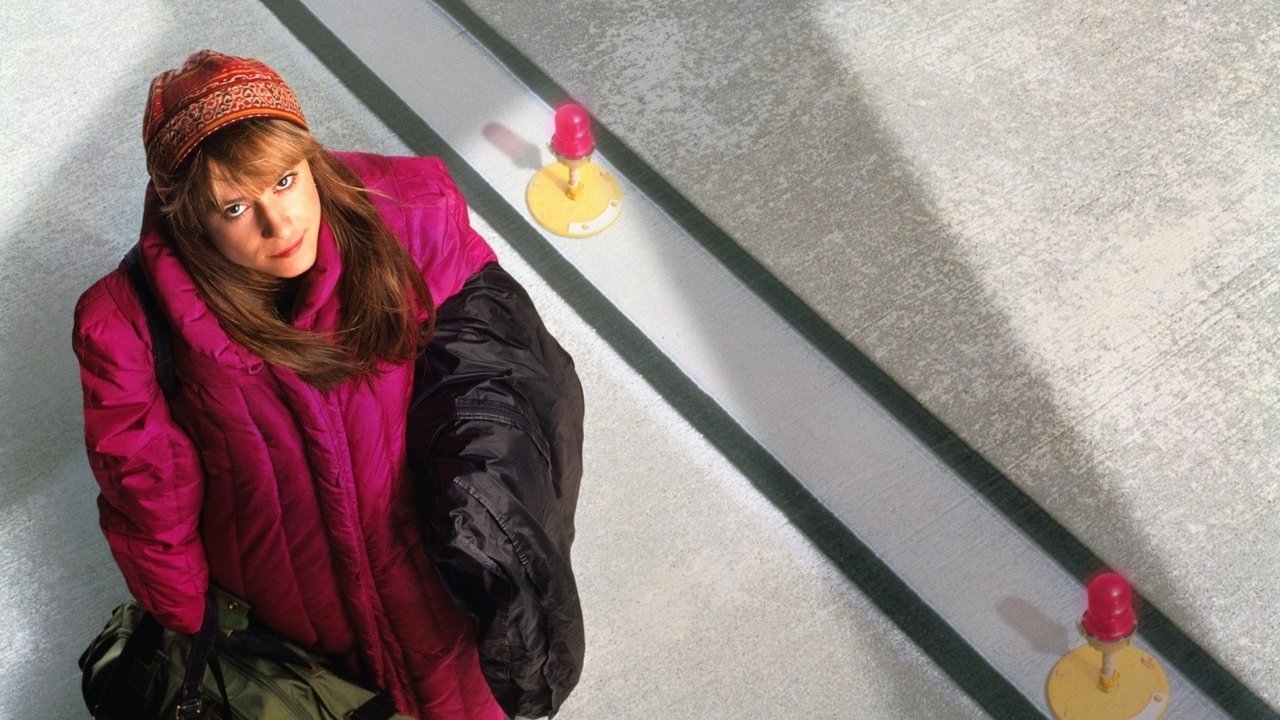
Rating: 8.5/10
This score feels right because Home for the Holidays achieves something remarkable: it makes excruciating family dynamics not only watchable but deeply resonant and genuinely funny. The performances are uniformly superb, elevating the material beyond simple sitcom tropes into something resembling life itself. Jodie Foster's direction is confident and sensitive, capturing the claustrophobia and affection in equal measure. While the sheer density of dysfunction might feel overwhelming to some, its authenticity is its greatest strength. It loses a point perhaps for feeling slightly episodic rather than tightly plotted, but that fragmented structure perfectly mirrors the chaotic nature of the gathering itself.
It’s a film that understands that sometimes, the greatest act of love within a family is simply surviving the holidays together, emerging slightly battered but maybe, just maybe, a little more understood. It remains a wonderfully humane, sharp, and enduringly relevant piece of 90s cinema – a Thanksgiving classic for the rest of us.