Here’s a review for Stepmom (1998) crafted for "VHS Heaven":

***
When you think of director Chris Columbus, images of Macaulay Culkin setting elaborate booby traps in Home Alone (1990) or Robin Williams gamely navigating domestic chaos in Mrs. Doubtfire (1993) likely spring to mind. His name became synonymous with a certain brand of high-concept, often heartwarming family comedy that dominated the 90s. Which makes Stepmom, his 1998 dive into the messy, often heart-wrenching realities of blended families, terminal illness, and the complexities of maternal love, feel like such a striking, almost unexpectedly somber, departure. Renting this one from Blockbuster back in the day, perhaps expecting something lighter given the director and star Julia Roberts, often led to a surprisingly profound, and yes, tear-soaked, evening.
Navigating Uncharted Waters
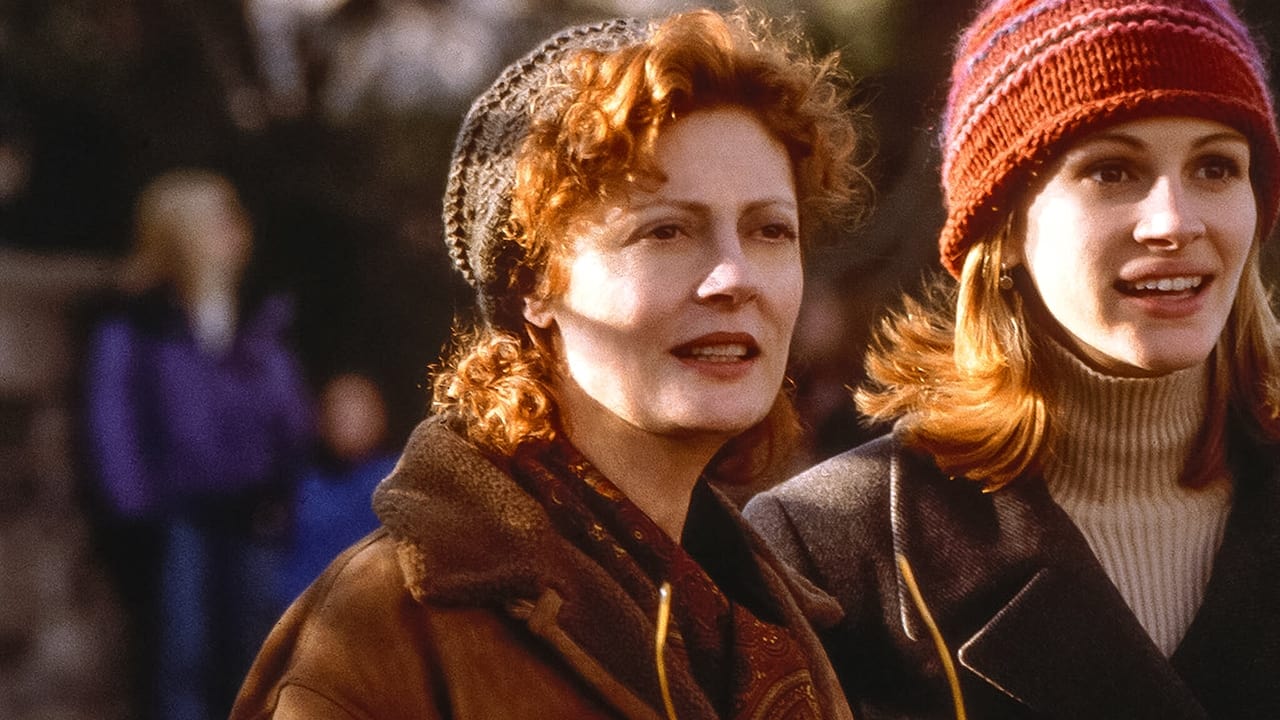
The premise itself is fertile ground for drama: Isabel Kelly (Julia Roberts), a successful fashion photographer, finds herself navigating the treacherous currents of becoming a stepmother to Anna (Jena Malone) and Ben (Liam Aiken), the children of her partner Luke Harrison (Ed Harris). Complicating matters exponentially is Jackie (Susan Sarandon), Luke’s ex-wife and the children’s fiercely devoted, seemingly perfect biological mother. The initial setup crackles with the tension of unspoken resentments, lifestyle clashes, and the inherent awkwardness of forging new family bonds in the shadow of a previous life. Columbus sets this against a backdrop of affluent, picturesque New York – crisp autumn leaves, cozy interiors, Central Park outings – that almost belies the emotional turmoil brewing beneath the surface.
A Duel of Hearts
What truly elevates Stepmom beyond potential melodrama, however, are the powerhouse performances, particularly from its two leading women. Susan Sarandon delivers a masterclass as Jackie. It would have been easy to paint her as a bitter shrew, the obstacle to Isabel’s happiness. But Sarandon imbues Jackie with such fierce intelligence, biting wit, and profound, aching vulnerability, especially as her hidden illness comes to light. Her initial hostility towards Isabel feels rooted not just in jealousy, but in a primal fear for her children’s future and her own fading place in their lives. It’s a performance layered with nuance – the protective lioness, the scared patient, the woman grappling with her own mortality and legacy. Her Best Actress Oscar nomination for the role felt thoroughly deserved; you feel the weight of every carefully chosen word, every resigned sigh, every flash of defiant strength.
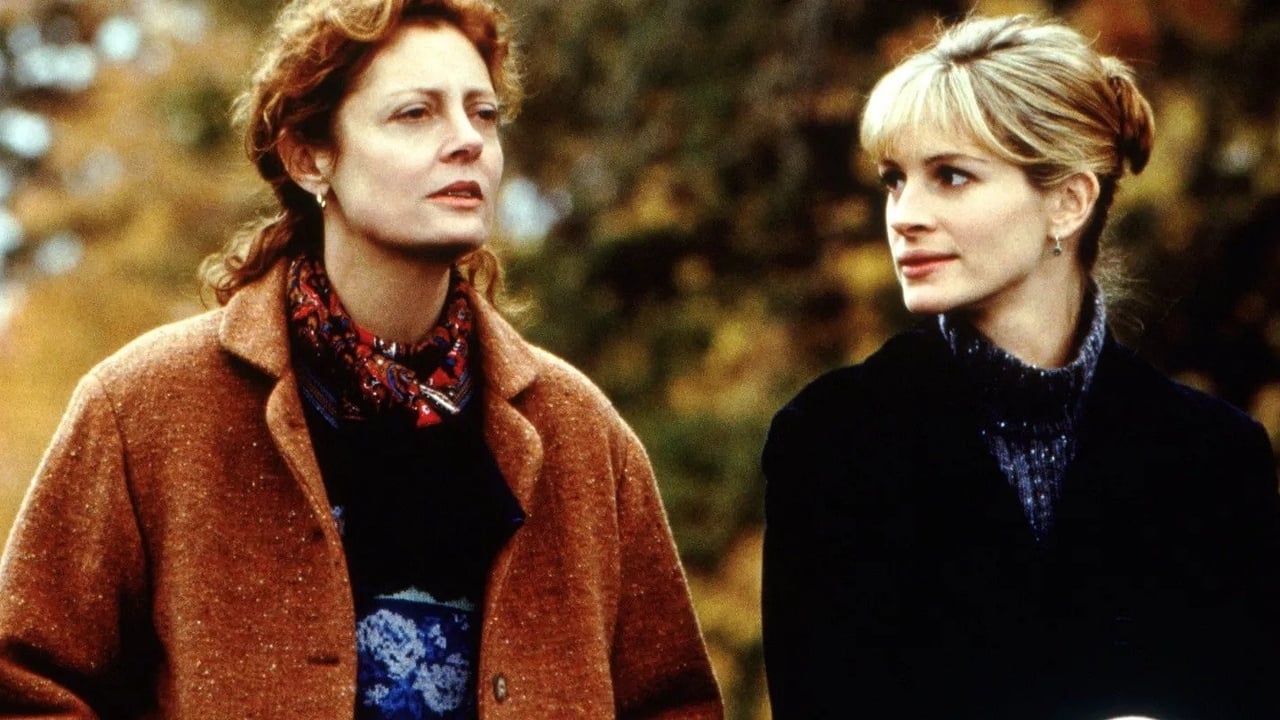
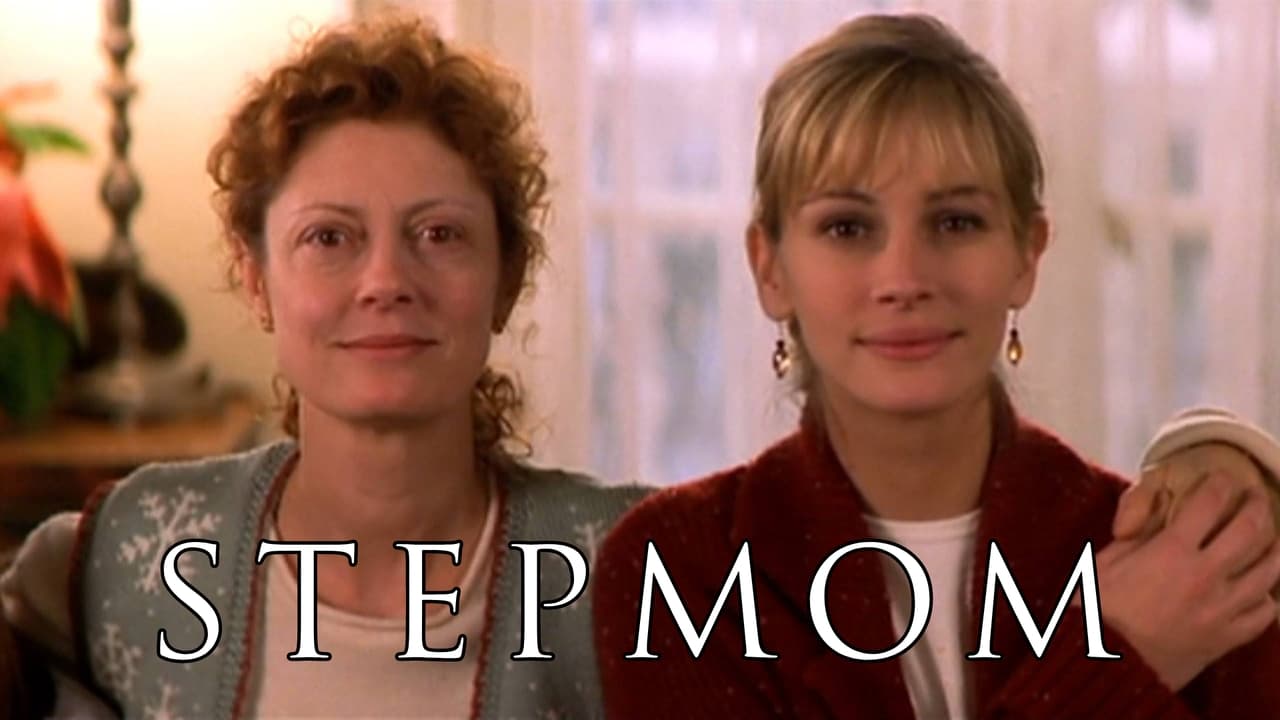
Counterbalancing Sarandon is Julia Roberts, stepping somewhat outside her usual romantic comedy comfort zone. Isabel isn't instantly maternal or perfect; she’s younger, career-focused, sometimes overwhelmed, and makes relatable mistakes trying to connect with Anna and Ben. Roberts portrays Isabel’s journey with a compelling mix of frustration, determination, and growing empathy. The arc from perceived interloper to a figure of genuine care and eventual ally to Jackie is the emotional core of the film. The chemistry, or perhaps more accurately, the carefully calibrated anti-chemistry between Roberts and Sarandon in the early scenes is palpable, making their eventual, hard-won understanding all the more moving. It’s interesting to note that the script itself went through several hands (credited writers include Gigi Levangie, Jessie Nelson, Steven Rogers, Karen Leigh Hopkins, and Ronald Bass), perhaps reflecting the delicate balancing act required to give both female leads their due. Reportedly, screenwriter Gigi Levangie Grazer drew upon her own experiences as a stepmother, lending a crucial layer of authenticity to the complex dynamics.
Beyond the Tears
Yes, Stepmom is undeniably engineered to elicit an emotional response. Composer John Williams, usually scoring epic adventures like Star Wars or Jurassic Park, provides a score that swells and tugs at the heartstrings, sometimes perhaps a little too insistently. And certain scenes, like the memorable rendition of "Ain't No Mountain High Enough" or the poignant final Christmas sequence, feel precision-tooled for maximum impact. Some might critique it for emotional manipulation, and perhaps there are moments where the sentimentality tips over.
Yet, watching it again now, what resonates isn't just the sadness, but the genuine questions it raises. What does it truly mean to be a parent? How do we navigate loss and change within the family structure? The film doesn't offer easy answers but presents the complexities with a surprising degree of honesty. The awkwardness, the arguments, the small moments of connection – they feel grounded, even amidst the glossier Hollywood presentation. Ed Harris provides solid, understated support as Luke, often caught between the two formidable women in his life, representing the quiet struggle of trying to keep everyone happy. And young Jena Malone and Liam Aiken are remarkably effective, portraying the confusion, loyalty, and eventual acceptance of children caught in adult emotional crossfires.
Retro Reflections
Made for around $50 million, Stepmom went on to gross nearly $160 million worldwide, proving audiences were ready to connect with its heavy themes, particularly during its late December release slot. It tapped into the changing face of families in the late 90s, reflecting anxieties and hopes that still feel relevant. It’s the kind of film that might have been a shared experience back then – rented on VHS, watched with tissues nearby. Does it hold up? I think so. While undeniably a product of its time in terms of style and perhaps some emotional beats, the core performances and the exploration of maternal love, loss, and the creation of unconventional families retain their power. It’s more than just a 'weepie'; it’s a thoughtful, if sometimes glossy, examination of finding grace and connection in the most challenging circumstances.
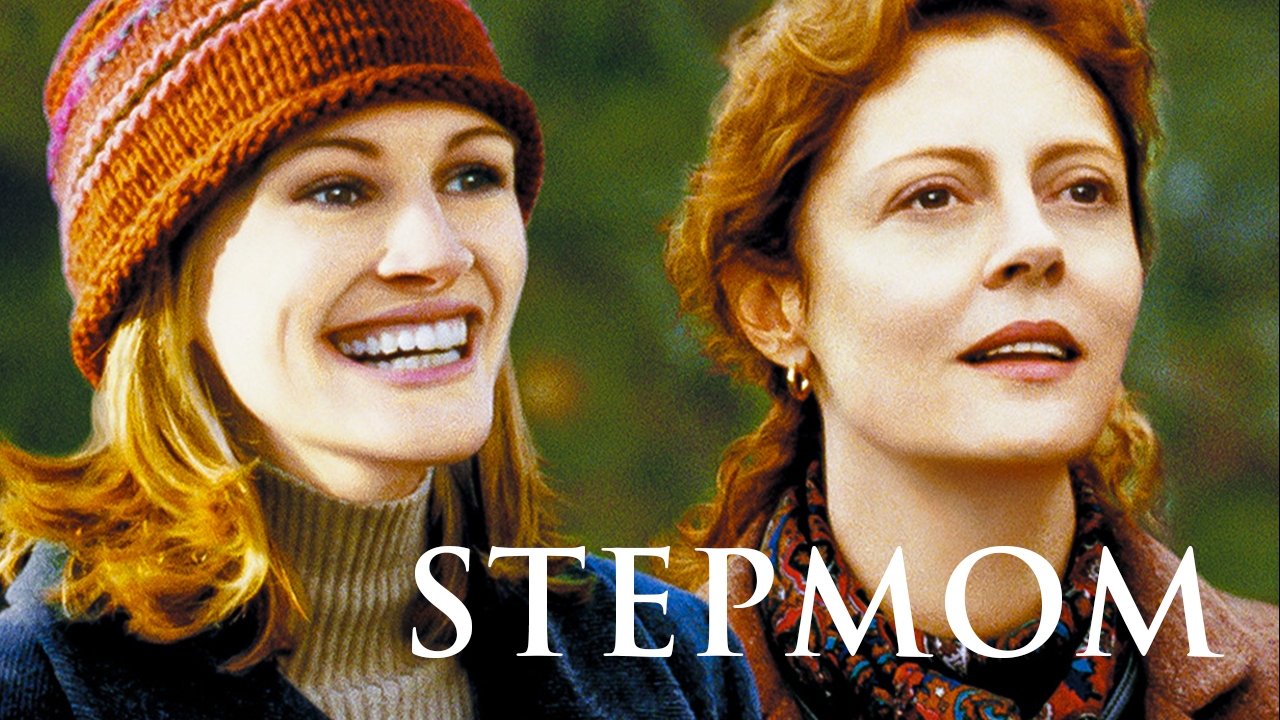
Rating: 8/10
The score is anchored firmly by the exceptional, Oscar-nominated performance from Susan Sarandon and a strong, empathetic turn from Julia Roberts. While the direction occasionally leans into sentimentality, the film’s emotional honesty regarding complex family dynamics and facing mortality resonates deeply. It navigates difficult subject matter with sensitivity, making it a standout drama from the late 90s VHS era that earns its tears through genuine character work rather than just manipulation.