There’s a certain weight to some stories, isn't there? Not just the plot points, but the sheer accumulation of years, of births and deaths, joys and sorrows, all packed into the lives unfolding before us. Watching Gregory Nava’s My Family (1995), often found under the title My Family, Mi Familia on those well-worn VHS boxes, feels less like watching a movie and more like being granted access to a sprawling, deeply personal family album, its pages filled with ghosts and dreams that linger long after the tape clicks off. It arrived in the mid-90s, a time often dominated by louder, faster fare, and offered something different: a patient, heartfelt chronicle of decades.
An Epic Heartbeat in East L.A.
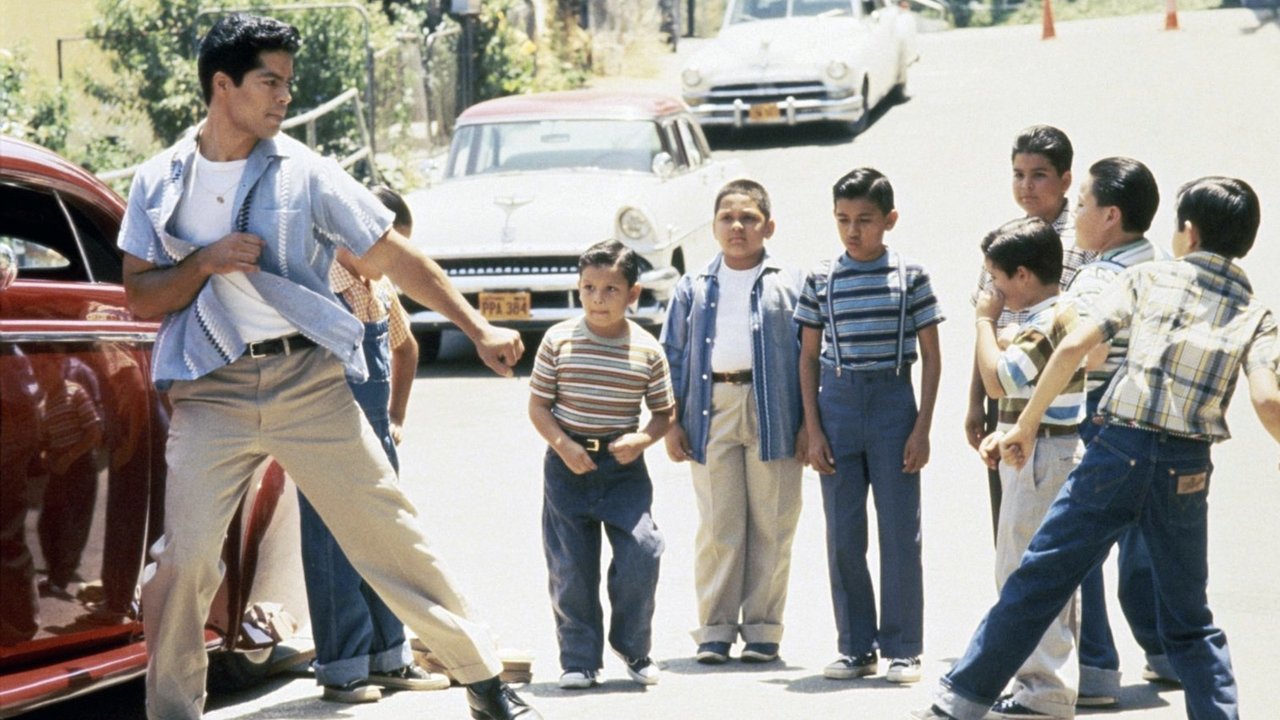
At its core, My Family is the multi-generational saga of the Sanchez family, beginning when José (the wonderfully grounded Eduardo Lopez Rojas) journeys north from Mexico to Los Angeles in the 1920s, eventually meeting and marrying María (Jenny Gago, radiating maternal strength). Their small house in East L.A. becomes the anchor point for decades of turbulent American history experienced through the intimate lens of one family. We witness their children grow – the responsible oldest son Paco (our narrator, voiced with gentle wisdom by Edward James Olmos), the tragically charismatic pachuco Chucho (Esai Morales), the volatile Jimmy (Jimmy Smits), the daughter Toni who becomes a nun (Constance Marie), and others. The film doesn't shy away from hardship – deportation, gang violence, imprisonment, prejudice – but balances it with fierce love, vibrant culture, and the unwavering resilience of family ties. It’s a narrative tapestry woven with threads of assimilation, cultural identity, loss, and the enduring pursuit of a place to call home.
Faces in the Family Album
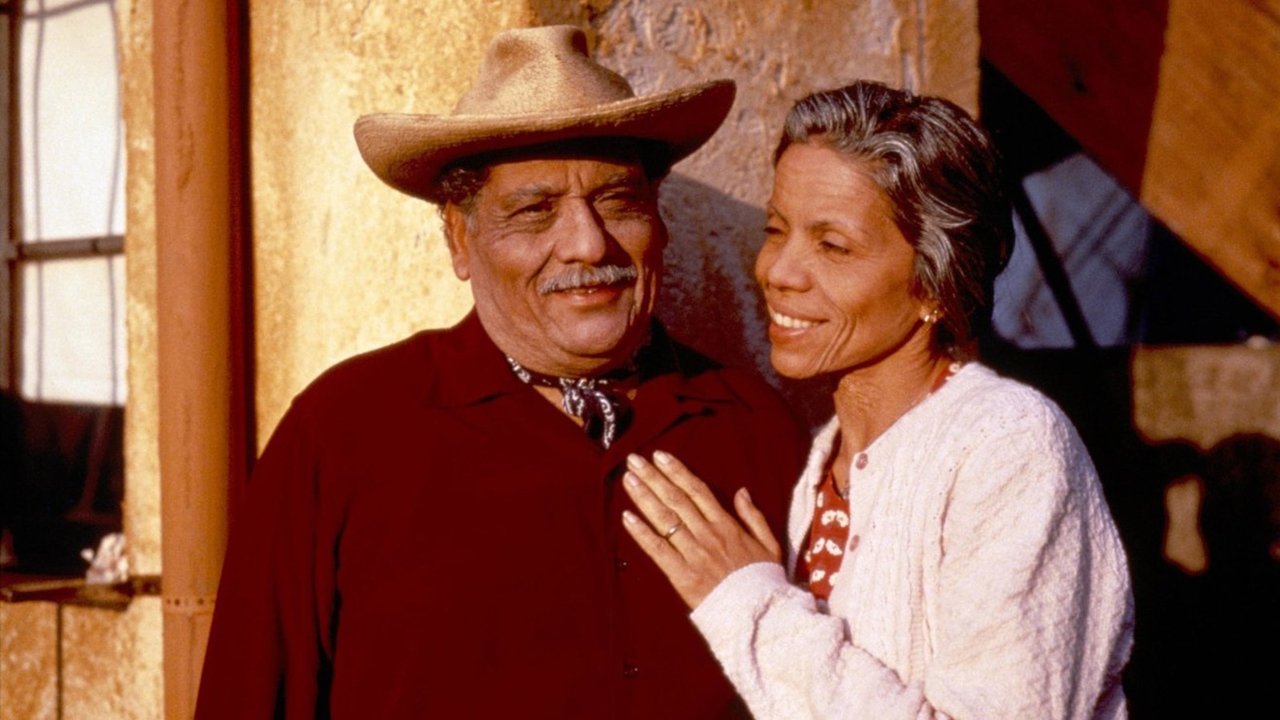
What truly elevates My Family beyond a historical chronicle are the performances, breathing life into Nava and co-writer Anna Thomas's ambitious script. This is an ensemble piece where every member feels vital. Edward James Olmos, fresh off acclaimed roles like Stand and Deliver (1988), provides the film's soul with his narration, framing the events with a sense of earned perspective and bittersweet reflection. But it’s within the individual stories that the film finds its most potent moments. Esai Morales, who many knew from La Bamba (1987), embodies Chucho’s doomed swagger with heartbreaking intensity; his fate casts a long shadow over the family.
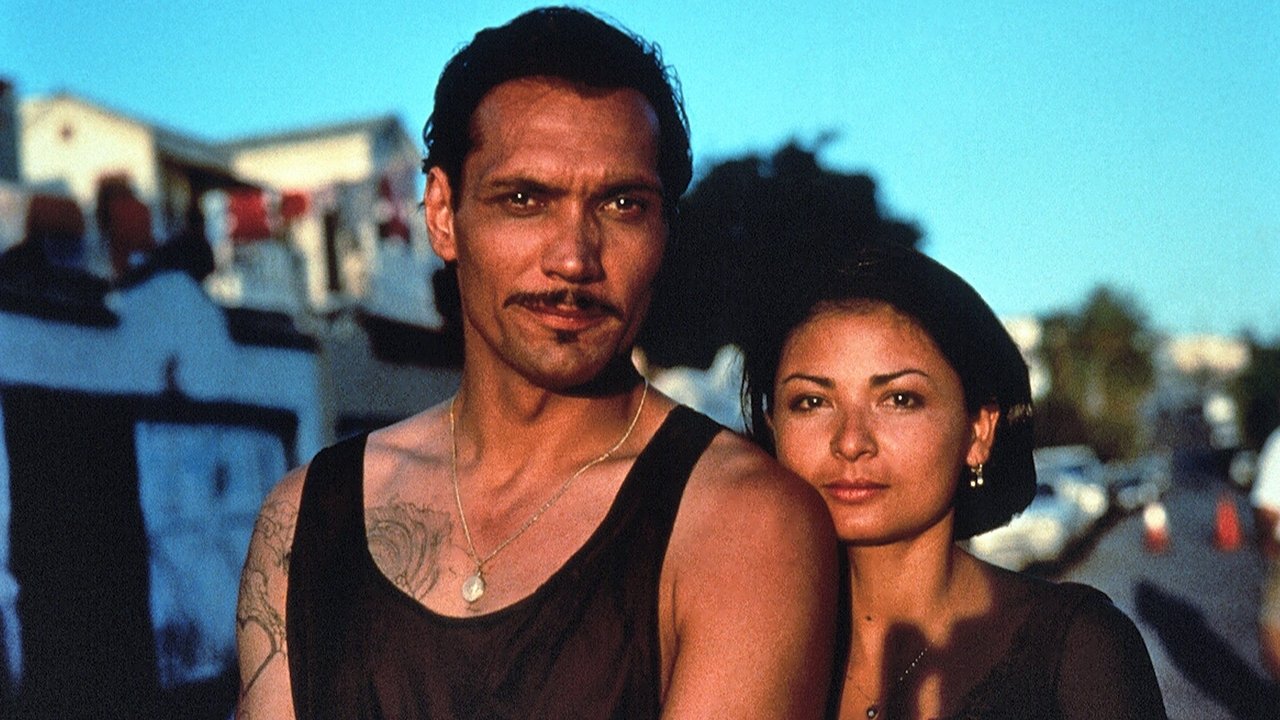
And then there's Jimmy Smits. Already a familiar face from TV's L.A. Law, Smits delivers a powerhouse performance as Jimmy, the troubled son who carries the weight of his brother's legacy and his own anger against the world. His scenes crackle with raw emotion, capturing the internal conflict of a man desperate for connection but perpetually pushing it away. It’s a portrayal that feels achingly real. We also see an early, vibrant performance from Jennifer Lopez as the young María in flashback sequences, hinting at the star power to come just before her breakout in Nava's subsequent film, Selena (1997). Each actor contributes a vital piece, making the Sanchez family feel lived-in and deeply authentic. Their interactions, the arguments, the quiet moments of understanding – they resonate because they capture the complex, often contradictory, dynamics present in any family.
Crafting a Legacy
Gregory Nava, drawing inspiration from his own family history and the stories of his community, directs with a clear love for his subjects. There's an almost lyrical quality to the filmmaking, occasionally dipping into touches of magical realism – Maria’s dreamlike river journey, the symbolism of the owl – that feel organically woven into the family's spiritual and cultural worldview. These moments don't break the reality; they deepen it, suggesting forces and connections beyond the mundane. It’s a testament to Nava’s vision that he managed to create such an epic sweep on a relatively modest budget of around $5.5 million, filming extensively in the very East L.A. neighborhoods the story inhabits, adding a layer of tangible authenticity.
Interestingly, the project benefited from the support of Francis Ford Coppola (director of The Godfather trilogy) who served as an executive producer. One wonders if his involvement helped shepherd such a personal, culturally specific story through the Hollywood system of the mid-90s. The film wasn't a massive blockbuster (grossing around $11 million), but it garnered significant critical acclaim, including a four-star review from Roger Ebert, and found a dedicated audience on home video – becoming one of those cherished discoveries passed between friends. I distinctly remember renting this one, drawn perhaps by the familiar faces on the cover, and being utterly captivated by its scope and heart.
More Than Just Memories
Watching My Family today, it feels remarkably prescient. The themes it explores – the complexities of the immigrant experience, the search for identity between two cultures, the cyclical nature of poverty and prejudice, the enduring strength required to build a life in a new land – haven't faded. If anything, they resonate even more profoundly now. Does the film offer easy answers? No, but it poses vital questions about legacy, community, and what it truly means to belong. What endures when generations pass, when landscapes change, when personal tragedies strike? The film suggests it’s the stories, the shared memories, the unbreakable, if sometimes strained, bonds of familia.
Rating: 9/10
This score reflects the film's masterful blend of epic storytelling and intimate character work, its superb ensemble cast, and its heartfelt authenticity. My Family achieves a rare emotional depth and cultural resonance, feeling both specific to its time and place, and universally relatable in its exploration of love, loss, and resilience across generations. It's a beautifully crafted piece of cinema that earns its tears and its moments of quiet triumph.
It leaves you contemplating the intricate threads that connect us to our past, and the quiet strength found in simply enduring, together. A true gem from the VHS shelf.