Okay, fellow film fans, gather ‘round the flickering glow of the metaphorical CRT for this one. While The Taste of Others (original title: Le Goût des autres) arrived in 2000, just nudging past our usual 80s/90s comfort zone, it possesses a timeless quality and a focus on nuanced human connection that feels spiritually akin to the best character-driven dramas we used to pluck from the video store shelves. It’s the kind of film you might have discovered on DVD right as VHS was fading, perhaps recommended by that knowledgeable clerk who knew you appreciated something more than explosions – a film that reminds us why we fell in love with stories about people.
### Worlds Colliding, Awkwardly
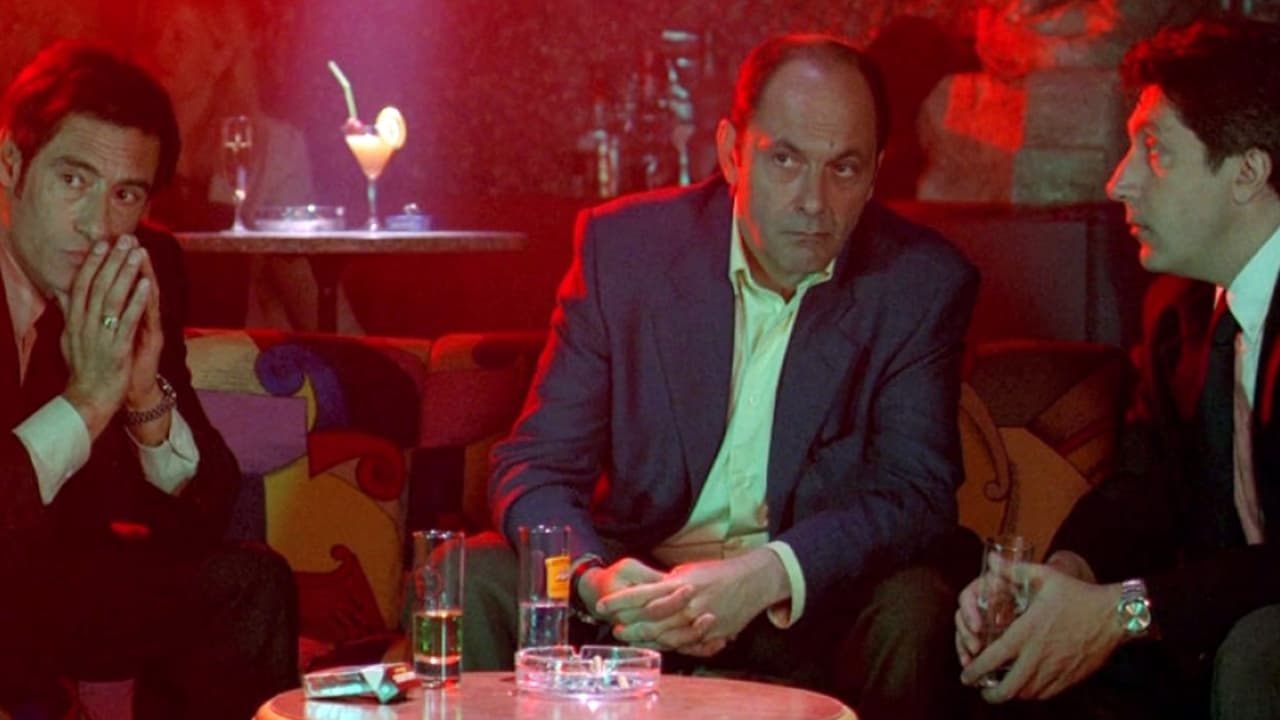
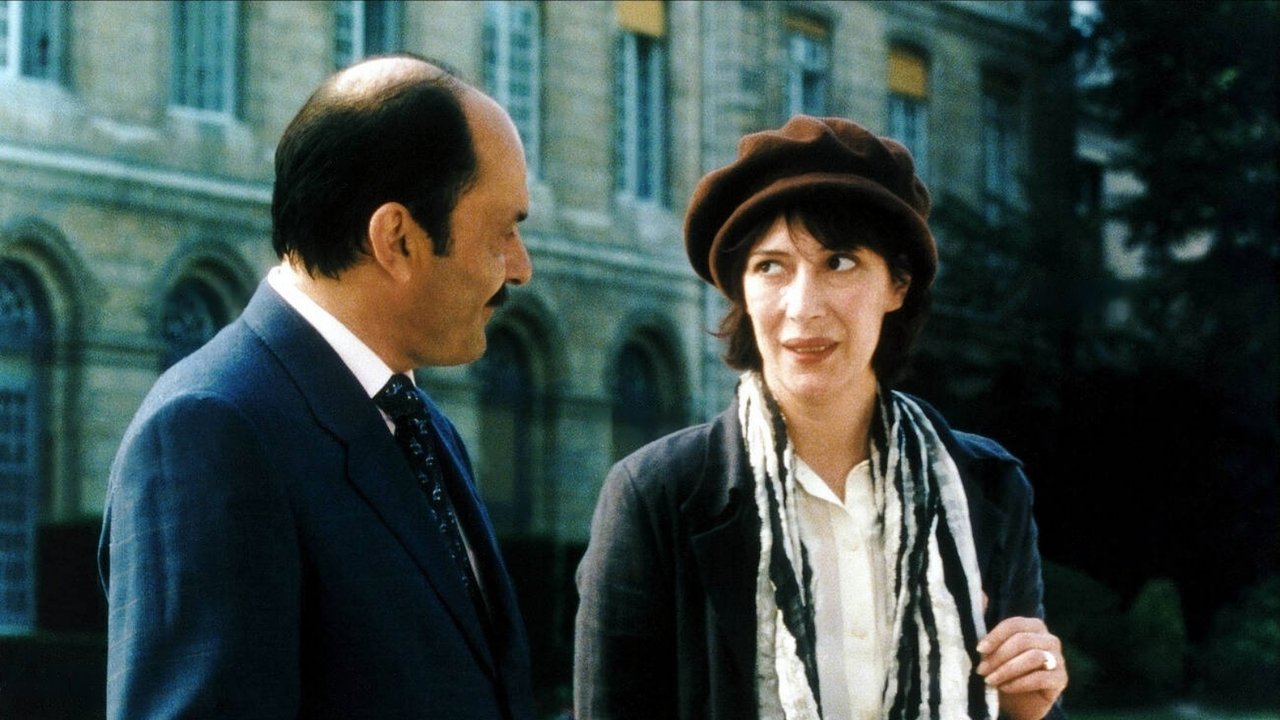
What happens when starkly different social and cultural circles overlap? That's the quietly simmering question at the heart of this brilliant French comedy-drama, co-written and directed by Agnès Jaoui, who also stars, alongside her long-time creative partner, the late, great Jean-Pierre Bacri. Bacri plays Castella, a gruff, wealthy industrialist – pragmatic, cultured in business but not the arts, and utterly bewildered when he finds himself emotionally captivated by Clara (Anne Alvaro), an actress performing in a play he attends reluctantly. His attempts to enter her world, populated by artists, intellectuals, and free spirits, are the source of much of the film's cringe-inducing humour and poignant observations.
It's a setup ripe for caricature, but Jaoui and Bacri’s screenplay avoids easy targets. Castella isn’t just a boorish philistine; he’s a man genuinely searching for something more, even if he can’t articulate it. Clara isn't merely an aloof artist; she’s wary, complex, and perhaps just as trapped by her own social codes as Castella is by his. The film masterfully depicts the subtle negotiations, the missed cues, and the profound loneliness that can exist even when surrounded by others. Remember that feeling of being the odd one out at a party, trying desperately to find common ground? This film bottles that sensation.
### The Art of the Ensemble
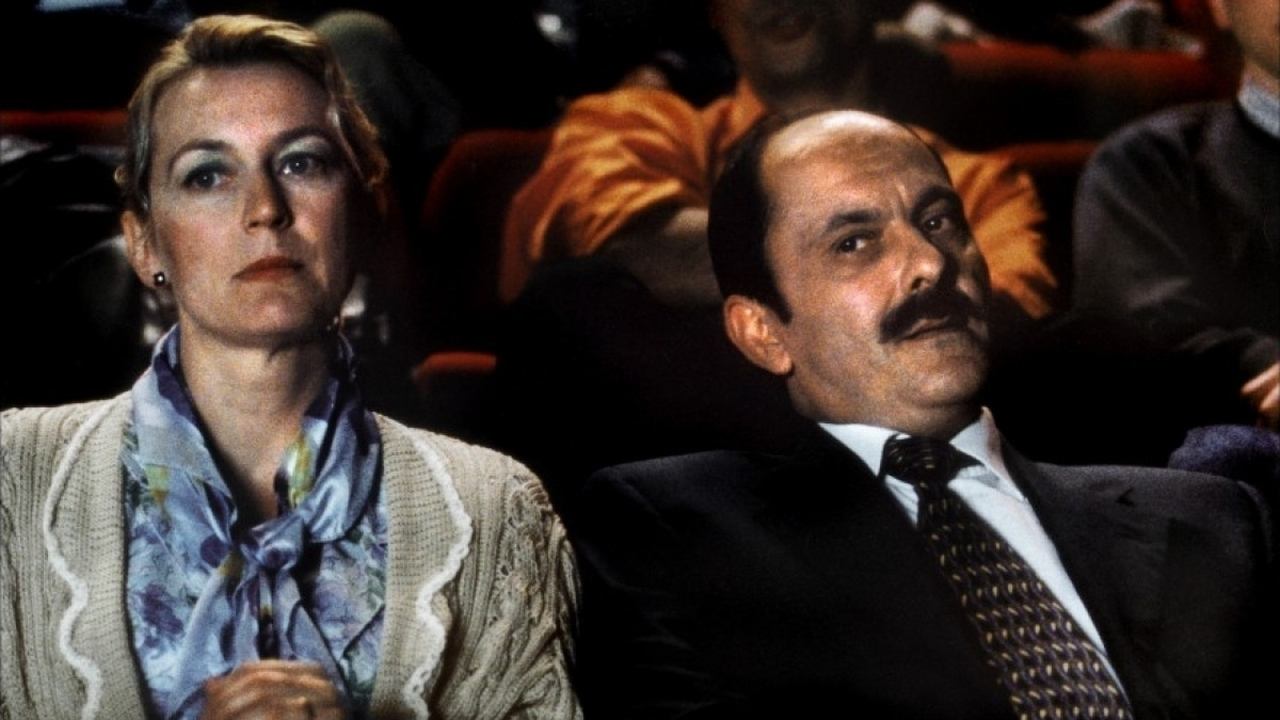
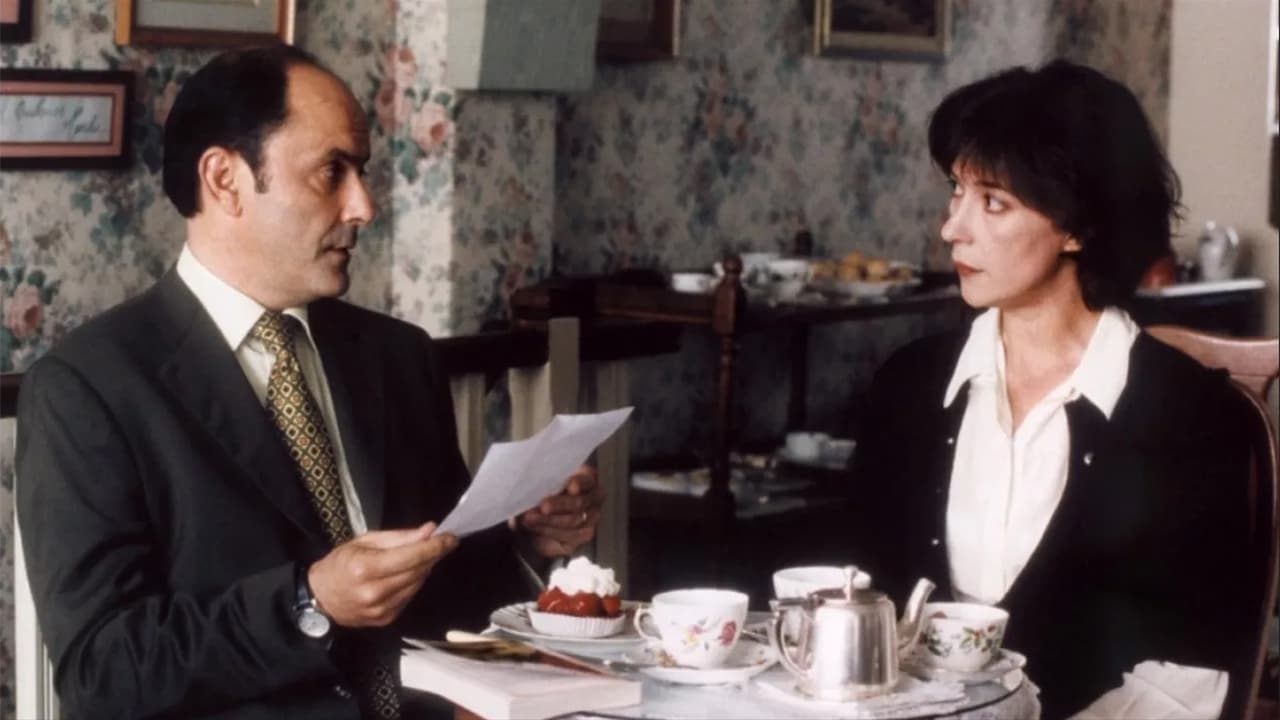
The genius of The Taste of Others lies significantly in its ensemble cast and the intricate web of relationships it portrays. Bacri is simply magnificent as Castella. His transformation from blunt businessman to awkward art enthusiast is played not for broad laughs, but for truthful, often painful, vulnerability. Watch his face as he listens intently to Clara reciting Racine – it’s a masterclass in conveying inner turmoil and burgeoning fascination without uttering a word. Anne Alvaro matches him note for note, giving Clara a guarded intelligence and a deep well of melancholy beneath her artistic persona.
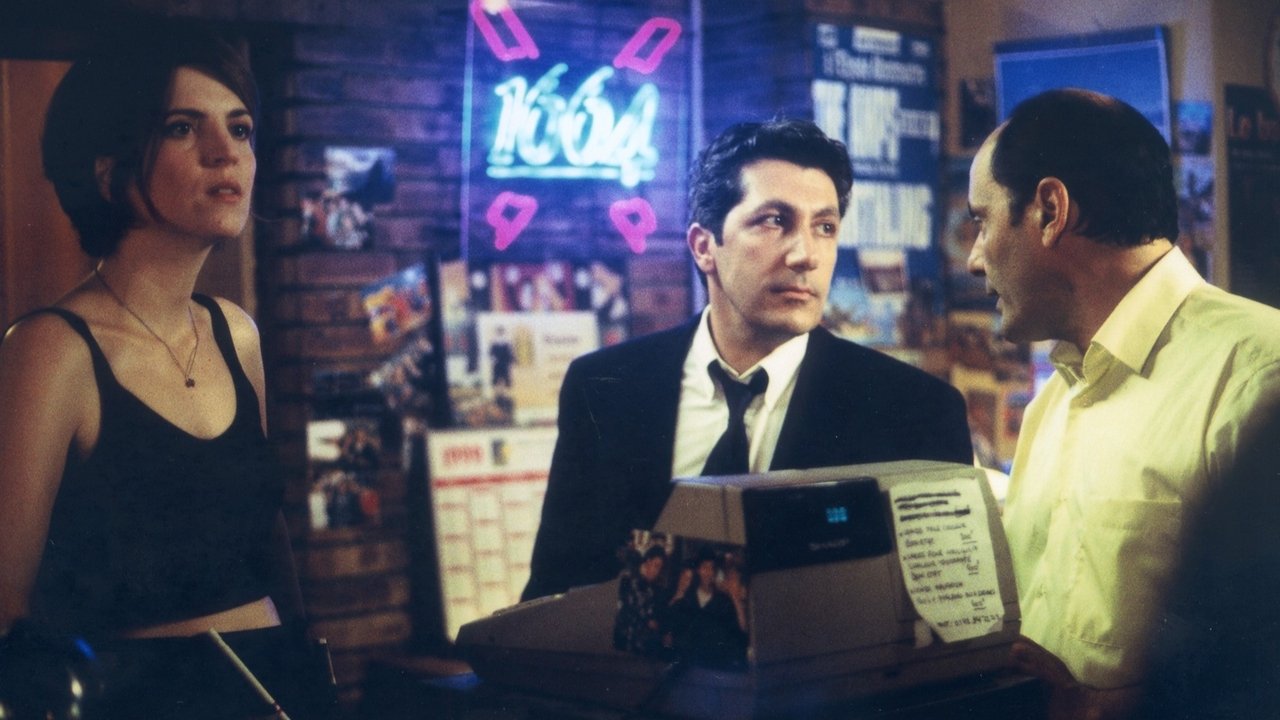
But the film isn't just their story. We have Castella’s perpetually exasperated wife (Christiane Millet), his taciturn bodyguard Franck (Gérard Lanvin) who finds an unexpected connection with the bartender Manie (Agnès Jaoui herself), and the charmingly cynical Benoît (Alain Chabat, familiar to many from Asterix & Obelix: Mission Cleopatra), whose observations often provide a grounding counterpoint. Each character feels fully realized, their individual desires and frustrations weaving together to create a rich tapestry of modern life. Jaoui, who also directed with remarkable subtlety, allows scenes to breathe, trusting her actors and the inherent drama of small, human moments. There are no flashy camera tricks here; the focus is squarely on the interactions and the unspoken emotions beneath the surface.
### A Film That Lingers
It’s fascinating to note that this relatively modest French film, reportedly made for around $5 million, struck such a chord internationally, securing an Oscar nomination for Best Foreign Language Film. Perhaps it was the universality of its themes – the search for connection, the difficulty of communication across social divides, the quiet desperation simmering beneath polite exteriors. These aren't exactly the high-concept plots that dominated the late 90s multiplexes, are they? Yet, the film finds profound drama and humour in these everyday struggles. The writing, a hallmark of the Jaoui-Bacri partnership which yielded several acclaimed films like Look at Me (2004), is precise, witty, and deeply empathetic. They understood the nuances of conversation, the things left unsaid often carrying more weight than the words spoken.
Does Castella truly appreciate the art he suddenly consumes, or is it merely a means to get closer to Clara? Does Clara see anything worthwhile in Castella beyond his persistent, if clumsy, attention? The film wisely avoids easy answers, leaving the viewer to ponder the complexities of attraction, taste, and the possibility (or impossibility) of truly bridging divides. It’s a film that doesn’t shout its insights but lets them subtly unfold, rewarding patient viewing.
### Final Thoughts: A Quiet Masterpiece
The Taste of Others might lack the pyrotechnics or genre thrills often associated with prime VHS Heaven fare, but its emotional intelligence and pitch-perfect performances make it a deeply satisfying watch. It's a reminder that compelling cinema doesn't always need grand gestures; sometimes, the most profound stories are found in the awkward silences and hesitant glances between people trying, and often failing, to understand one another. It captures a specific flavour of bittersweet reality, the kind that stays with you long after the credits roll.
Rating: 9/10
This score reflects the film's exceptional writing, outstanding ensemble performances (especially Bacri and Alvaro), and its insightful, nuanced exploration of human connection and social barriers. It achieves exactly what it sets out to do with remarkable grace and intelligence. A near-perfect example of character-driven storytelling that feels both distinctly French and universally resonant. It's the kind of film that makes you appreciate the quiet complexities of life, even the uncomfortable ones.