Okay, fellow tape travellers, let's dim the lights, maybe crack open a Zima (just kidding... mostly), and settle in for a trip back to the sun-drenched shores of 1998. There's a certain kind of film that arrives precisely when it's needed, offering not just a story, but an escape hatch. How Stella Got Her Groove Back feels exactly like that – a vibrant postcard from a time when finding yourself might just involve turquoise waters, a ridiculously handsome younger man, and the sheer force of will embodied by Angela Bassett. It tapped into a fantasy, sure, but one grounded in a recognizable yearning for renewal.
### Burnout and Breakthrough
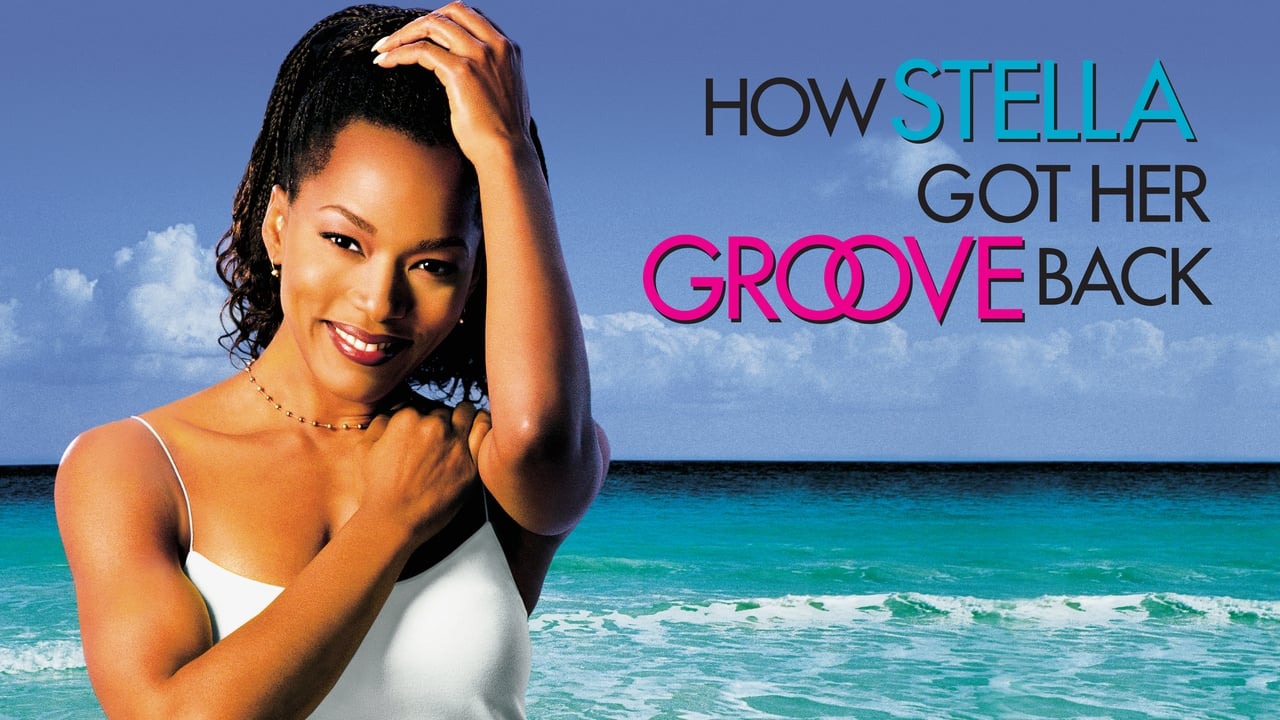
The setup is instantly relatable, isn't it? Stella Payne (Angela Bassett) is the picture of late-90s success: a high-powered stockbroker in San Francisco, sharp suits, sharper mind, single mother raising a good kid. But beneath the polished surface, she's running on fumes. The film, directed by Kevin Rodney Sullivan (who would later helm episodes of many acclaimed TV dramas), effectively captures that creeping sense of emptiness that can accompany professional achievement when personal joy feels neglected. It’s Bassett who truly sells this internal conflict. She wears Stella's exhaustion and simmering frustration not as weakness, but as banked fire. You see the intelligence, the capability, but also the profound need for something more, something just for her. It’s a performance layered with subtle anxieties and a quiet desperation that makes her eventual leap feel earned.
### Jamaican Sun and Cinematic Spark
Pressured by her irrepressible best friend Delilah (Whoopi Goldberg, stealing scenes with effortless warmth and wit), Stella jets off to Jamaica for a much-needed vacation. And here, the film truly blossoms visually. Forget gritty realism; this is pure, glorious wish-fulfillment. The cinematography leans into the island's beauty – the lush landscapes, the vibrant colours, the sheer sensory pleasure of sun and sea. It’s designed to feel like a balm, both for Stella and for us watching back home, perhaps stuck renting this very tape on a rainy Tuesday night. It was filmed on location in gorgeous spots like Montego Bay and Ocho Rios, adding an authenticity to the escape fantasy. You can almost feel the humidity and taste the rum punch.
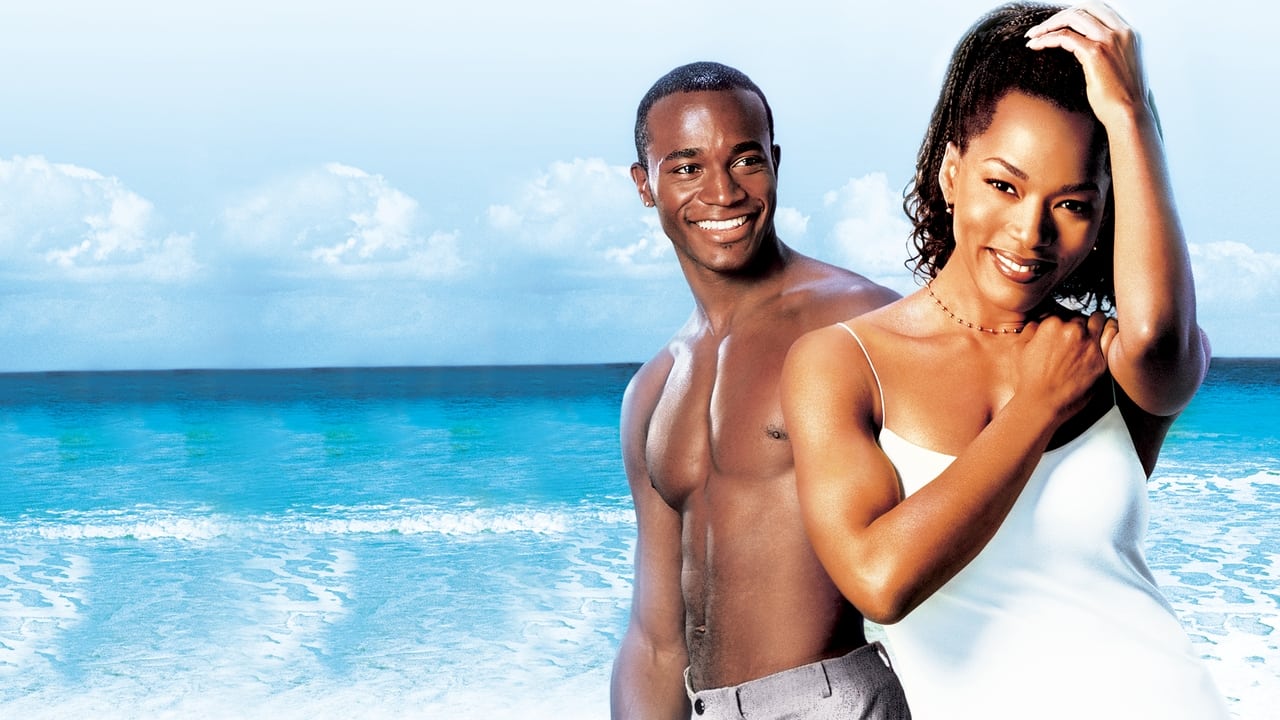
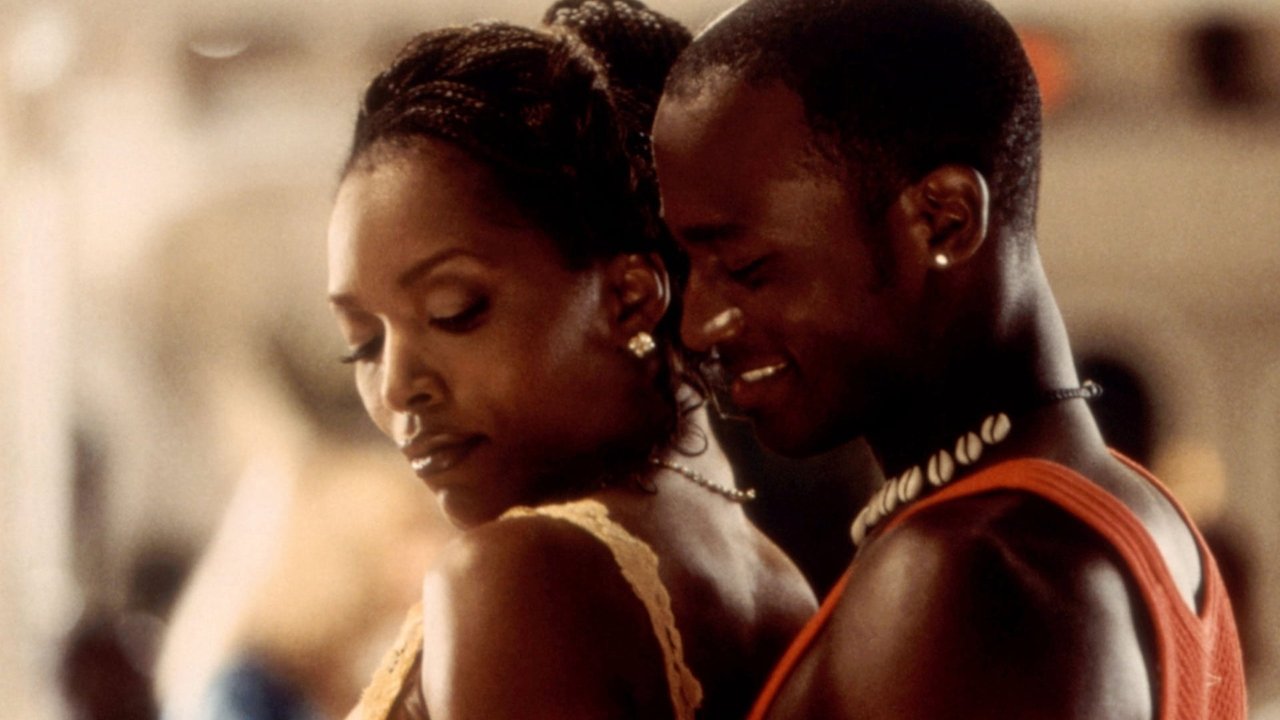
It's amidst this tropical paradise that Stella encounters Winston Shakespeare, played by a then-unknown Taye Diggs in his magnetic feature film debut. Let's be honest, the chemistry between Bassett and Diggs is the engine driving this film. Diggs, impossibly charming and confident, embodies the youthful energy and uncomplicated affection Stella desperately needs. Their interactions crackle – playful banter giving way to genuine connection. The film tackles the age gap (Stella is 40, Winston 20) head-on, exploring Stella's insecurities and societal judgments. While perhaps glossing over some complexities, it allows Bassett to explore vulnerability alongside her inherent strength. Seeing an actress of her calibre navigate the thrill and trepidation of unexpected romance was, and still is, refreshing.
### More Than Just a Holiday Romance?
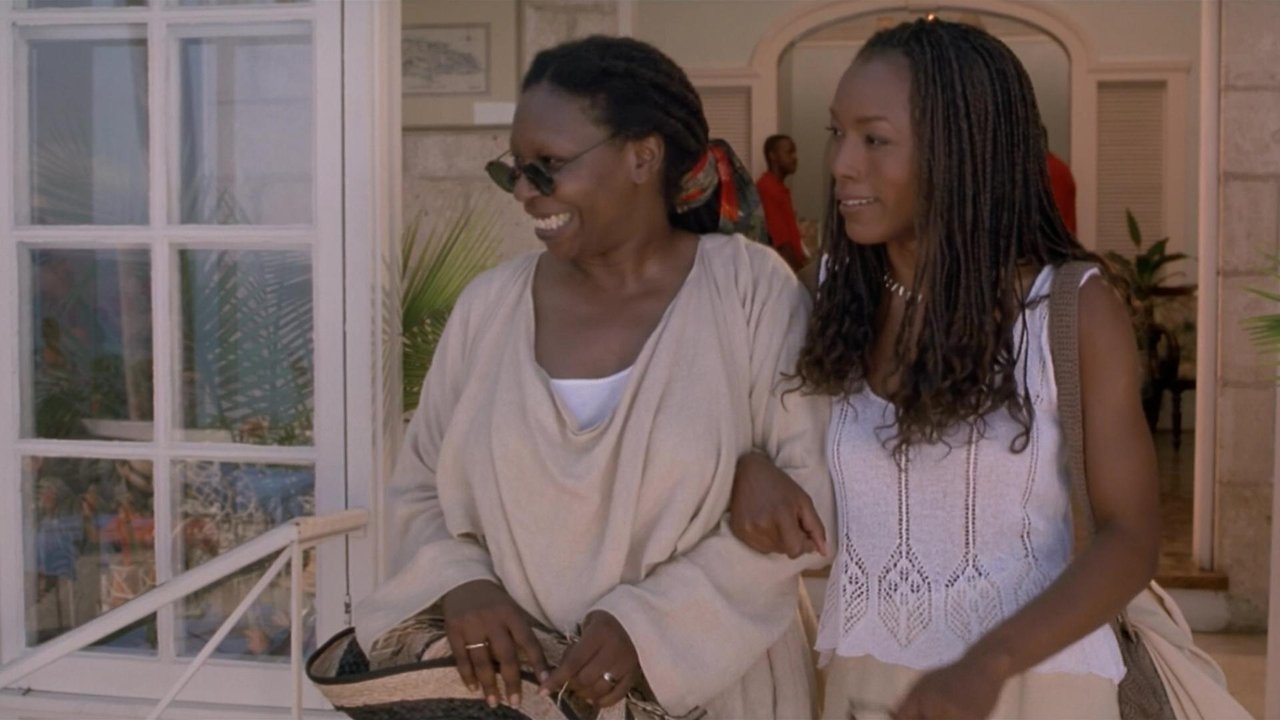
Based on the semi-autobiographical novel by Terry McMillan (who also co-wrote the screenplay with Ron Bass, known for Rain Man (1988)), the film carries the imprint of McMillan's personal experience. This lends a certain grounding to the fantasy. While Winston might seem like a dream figure, the core emotional journey – a successful Black woman reclaiming her passion, desires, and sense of self outside of career and motherhood – felt resonant and important, particularly in the late 90s cinematic landscape. Whoopi Goldberg's Delilah provides not just comic relief but crucial emotional support, their friendship forming a vital anchor. Her storyline, though secondary, adds a layer of poignant reality that balances the aspirational romance.
Of course, it's not without its bumps. The plot follows fairly predictable beats, and some dialogue feels a touch on-the-nose. Made on a budget of around $20 million, it performed respectably, earning nearly $40 million domestically, proving there was an audience hungry for this kind of story. But its enduring appeal isn't really about narrative twists. It’s about the mood, the performances, and the core fantasy of rejuvenation. The soundtrack, packed with R&B and reggae hits from artists like K-Ci & JoJo, Mary J. Blige, and Shaggy, became almost as iconic as the film itself, perfectly capturing the vibe of the era and the Jamaican setting. I distinctly remember that CD being a staple in many a Discman back in the day.
### Finding the Groove, Then and Now
Watching How Stella Got Her Groove Back today feels like revisiting a specific flavour of late-90s optimism mixed with mature introspection. It’s slick, beautifully shot, and anchored by a powerhouse performance from Angela Bassett, who radiates intelligence and vulnerability. Taye Diggs announced himself as a charismatic new star, and Whoopi Goldberg reminded us why she's a treasure. It doesn't reinvent the romantic drama wheel, but it offers a warm, engaging, and visually lush experience focused on a demographic often underserved by Hollywood romance. It’s a film about taking a chance, embracing joy, and realizing that self-discovery doesn't have an age limit.
Rating: 7/10
This score reflects the film's undeniable charm, the strength of its central performances (especially Bassett and Diggs' chemistry), and its success as a feel-good escape. It delivers exactly what it promises: a beautiful setting, a compelling romance, and a satisfying journey of self-renewal. While the plot might be somewhat conventional and occasionally simplistic, its emotional core and aspirational fantasy still resonate, making it a truly enjoyable piece of late-90s cinematic comfort food.
Final Thought: Does the "groove" ever truly get lost, or does it just wait patiently for us to find the courage, and perhaps the right Jamaican sunset, to let it back in?