It's a curious thing, isn't it? How some films, packed with star power and seemingly destined for acclaim, somehow slip through the cracks, ending up as those pleasant discoveries tucked away on a dusty video store shelf. Playing by Heart (1998) feels precisely like one of those – a film brimming with recognizable faces, tackling universal themes, yet possessing a quiet intimacy that perhaps prevented it from becoming a blockbuster, securing its place instead as a fondly remembered gem for those who found it. Watching it again now evokes that specific late-90s feeling, a time when ensemble dramas exploring the tangled webs of love and connection felt particularly resonant.
A Tapestry Woven in Conversation
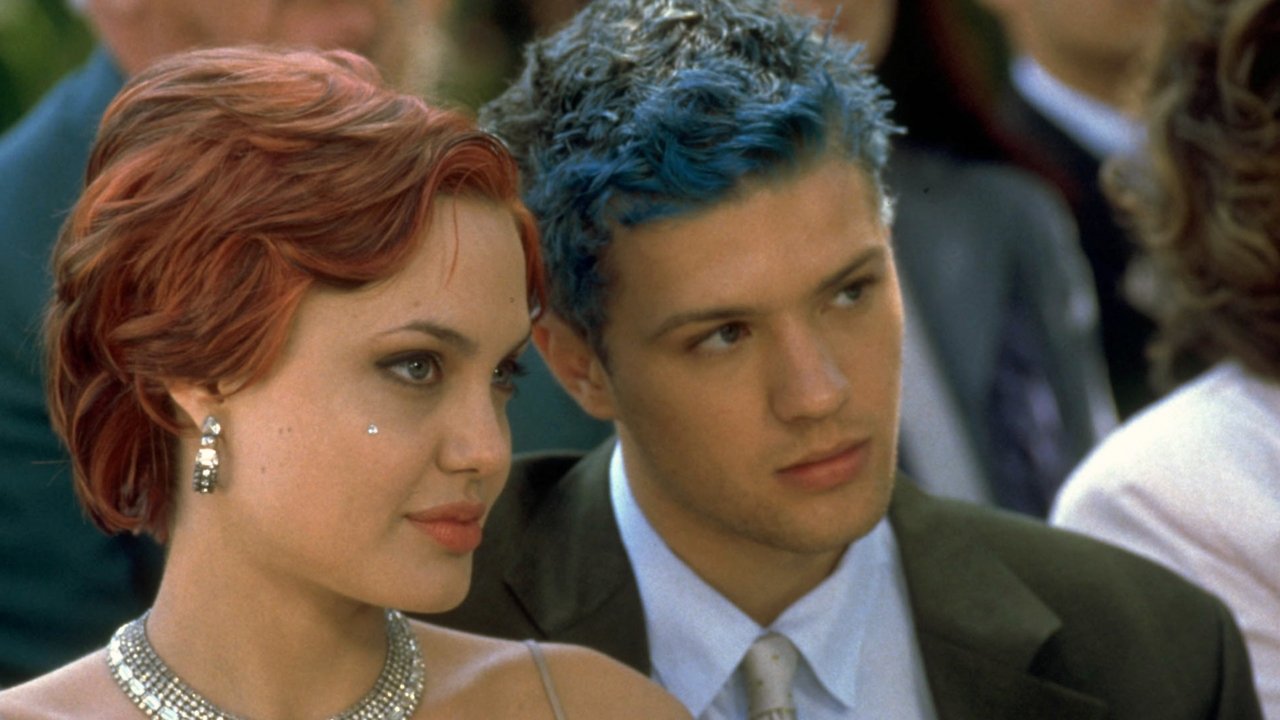
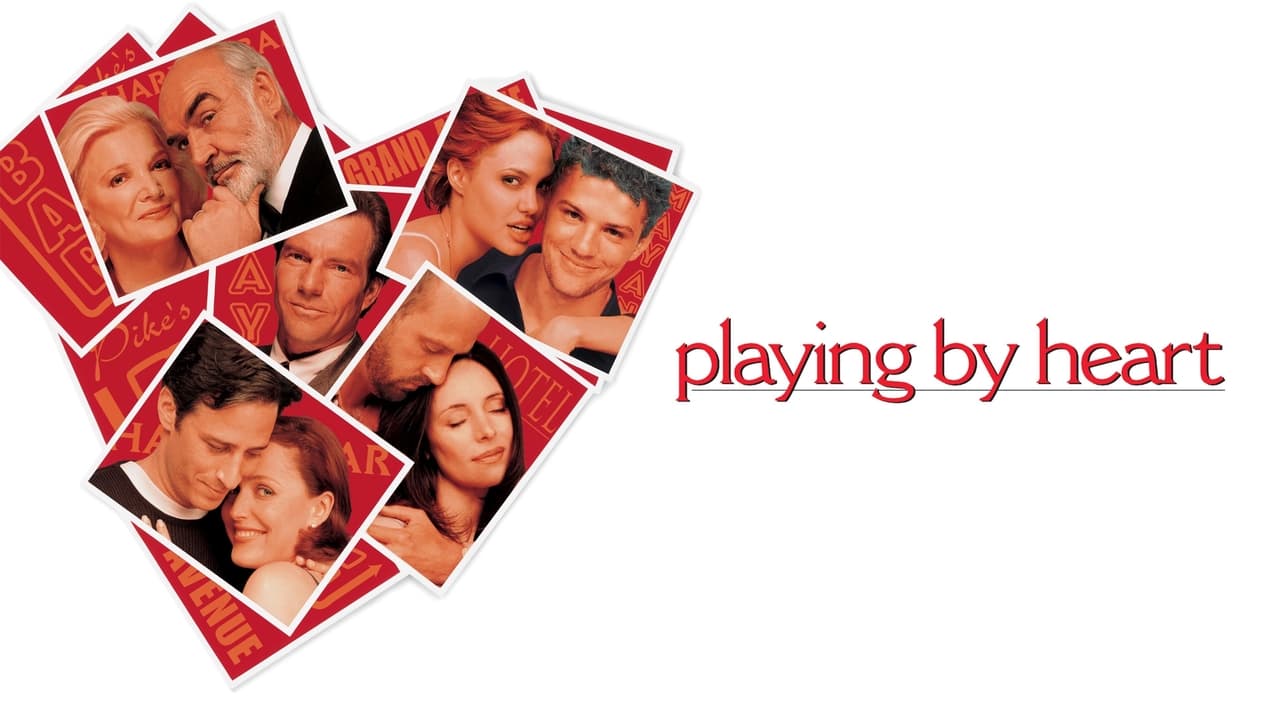
The film doesn't rely on a high-concept premise. Instead, writer-director Willard Carroll presents us with a mosaic of interconnected lives navigating the complexities of love in contemporary Los Angeles. We have Paul and Hannah (Sean Connery and Gena Rowlands), a long-married couple facing a potential bombshell revelation on the eve of their 40th anniversary; Meredith (Gillian Anderson), a guarded theatre director warily considering romance with the charmingly persistent Trent (Jon Stewart); Joan (Angelina Jolie), a restless club kid who finds an unexpected connection with the equally intense Keenan (Ryan Phillippe); and several other threads involving characters played by Ellen Burstyn, Dennis Quaid, Madeleine Stowe, Anthony Edwards, Jay Mohr, and Patricia Clarkson. It’s a structure that could easily feel disjointed, but Carroll manages, for the most part, to create a sense of shared emotional space, where the individual stories echo and comment on each other. The film lives and breathes in its dialogue, in the spaces between words, and the subtle shifts in expression.
Giants at the Heart
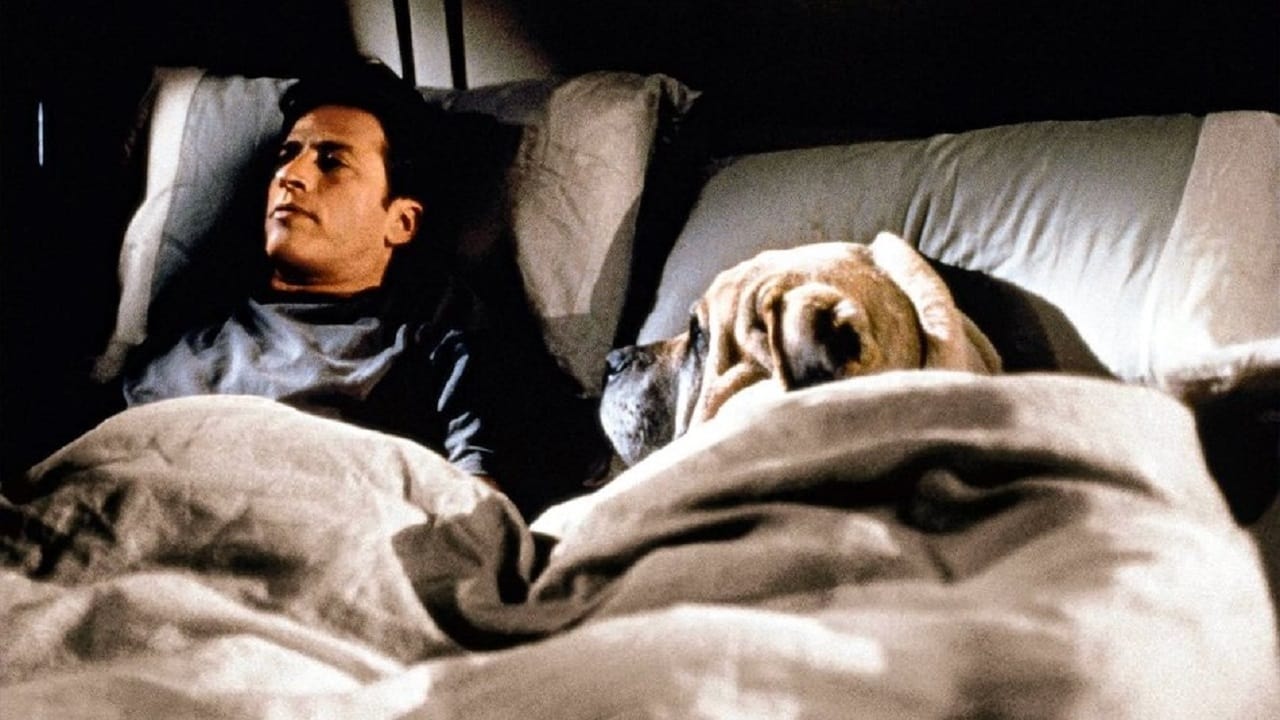
While the entire ensemble contributes, the undeniable anchor of Playing by Heart is the storyline featuring Sean Connery and Gena Rowlands. Seeing these two screen legends together is a pleasure in itself. Connery, far removed from his Bond persona but retaining that undeniable charisma, brings a touching vulnerability to Paul, a man grappling with past secrets and present affections. Rowlands, a titan of independent cinema (John Cassavetes' frequent collaborator in films like A Woman Under the Influence (1974)), is simply luminous as Hannah. Their scenes possess a lived-in authenticity – the gentle teasing, the comfortable silences, the weight of shared history, and the palpable fear beneath the surface as they confront a challenge that threatens to redefine their decades-long bond. Their chemistry is effortless, a masterclass in portraying enduring love with all its imperfections and quiet strengths. It’s their narrative that lends the film its emotional core and its most poignant moments.
Sparks in the City of Angels
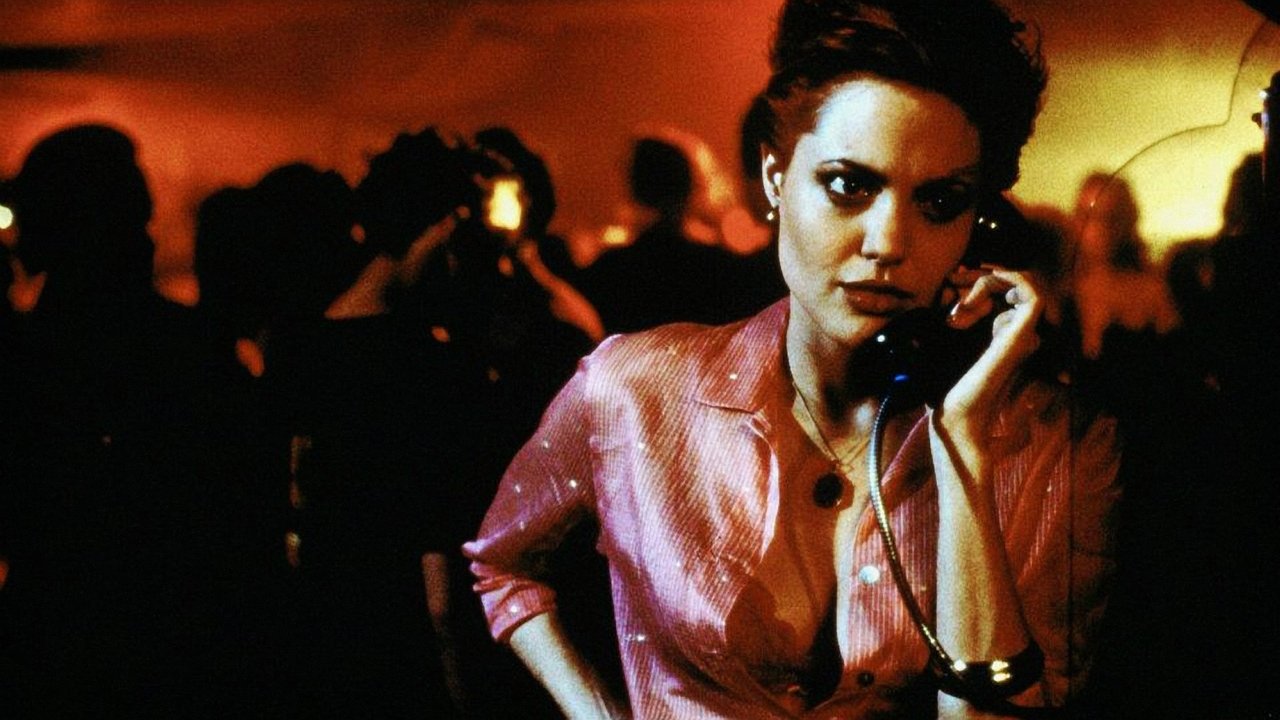
The younger generation’s stories offer different flavors of romantic entanglement. Gillian Anderson, then at the height of her X-Files fame, is compelling as the emotionally reserved Meredith, slowly letting her guard down opposite a surprisingly charming Jon Stewart, pre-Daily Show dominance. Their courtship feels tentative and real, a dance of advance and retreat. Elsewhere, Angelina Jolie, just before her major breakout in Girl, Interrupted (1999), crackles with restless energy as Joan, matched by Ryan Phillippe’s brooding intensity. Their connection feels impulsive and raw, capturing that specific brand of youthful, all-consuming attraction found in smoky bars and late-night conversations. These threads, while perhaps not as deeply resonant as Paul and Hannah's, effectively explore the anxieties and excitements of finding connection amidst the urban sprawl.

Retro Fun Facts & Quiet Craft
Pulling together such a high-caliber cast on what was reportedly a modest budget (around $14 million) speaks volumes about the appeal of Carroll's script. It's said that many actors were drawn simply by the quality of the writing and the chance to work opposite legends like Connery and Rowlands. Interestingly, the film's original title was Dancing About Architecture, a phrase often attributed (perhaps apocryphally) to Frank Zappa or Elvis Costello about the futility of writing about music – a nod, perhaps, to the difficulty of truly articulating matters of the heart. Despite the stellar cast, the film didn't make much noise at the box office, grossing only about $4 million domestically. This underperformance likely contributed to its quick transition to home video, where many of us probably first encountered it, nestled between bigger hits at Blockbuster. The direction by Willard Carroll is understated, prioritizing performance and dialogue over visual flourishes. He lets the actors carry the emotional weight, creating an intimate atmosphere that feels appropriate for the subject matter. The film also gently incorporates a storyline involving Mark (Jay Mohr) dealing with the implications of AIDS, handled with a sensitivity characteristic of late-90s independent cinema exploring the ongoing impact of the epidemic.
Lasting Impressions
Does Playing by Heart feel a little... late 90s? Certainly. The fashion, the specific brand of urban angst, the very structure of the interconnected ensemble drama – it definitely evokes its era. Yet, the core questions it raises about communication, forgiveness, vulnerability, and the sheer effort involved in maintaining love over time feel remarkably timeless. What lingers isn't necessarily a groundbreaking plot twist, but the accumulation of small, truthful moments: a shared glance between Connery and Rowlands, a hesitant smile from Anderson, a passionate declaration from Jolie. It reminds us that sometimes the most profound stories are the ones whispered in quiet rooms, not shouted from the rooftops. It’s a film that rewards patience, inviting you to simply sit with these characters and observe the intricate, often messy, ways they play the game of love.
Rating: 7.5/10
This rating reflects the film's undeniable strengths – particularly the powerhouse performances from Connery and Rowlands, and the overall quality of the ensemble cast – balanced against a slightly familiar structure and some storylines feeling less developed than others. The script offers moments of genuine insight and emotional resonance, elevating it above standard romantic fare. It’s a film whose heart is firmly in the right place, executed with sensitivity and warmth.
Playing by Heart remains a lovely, affecting piece of late-90s cinema, a testament to the power of strong acting and a thoughtful script. It’s the kind of film that might prompt a quiet sigh of recognition, a gentle reminder of the universal complexities of loving and being loved – a perfect find for a reflective evening, perhaps with a well-worn tape humming softly in the VCR of your memory.