Okay, let's settle in and dim the lights. Remember pulling a slightly worn clamshell case off the "Drama" shelf, maybe nestled between Kenneth Branagh's Henry V and Franco Zeffirelli's Romeo and Juliet? Sometimes, dragging Shakespeare home felt like homework, but Trevor Nunn's 1996 adaptation of Twelfth Night was different. Its cover, often showcasing those windswept Cornish cliffs and the earnest face of Imogen Stubbs, hinted at something more immediate, more atmospheric than dusty libraries. And opening that case revealed a film that didn't just recite the Bard; it breathed life into Illyria with a melancholic beauty and a cast that felt perfectly, almost impossibly, assembled.
### A Coastline Steeped in Longing
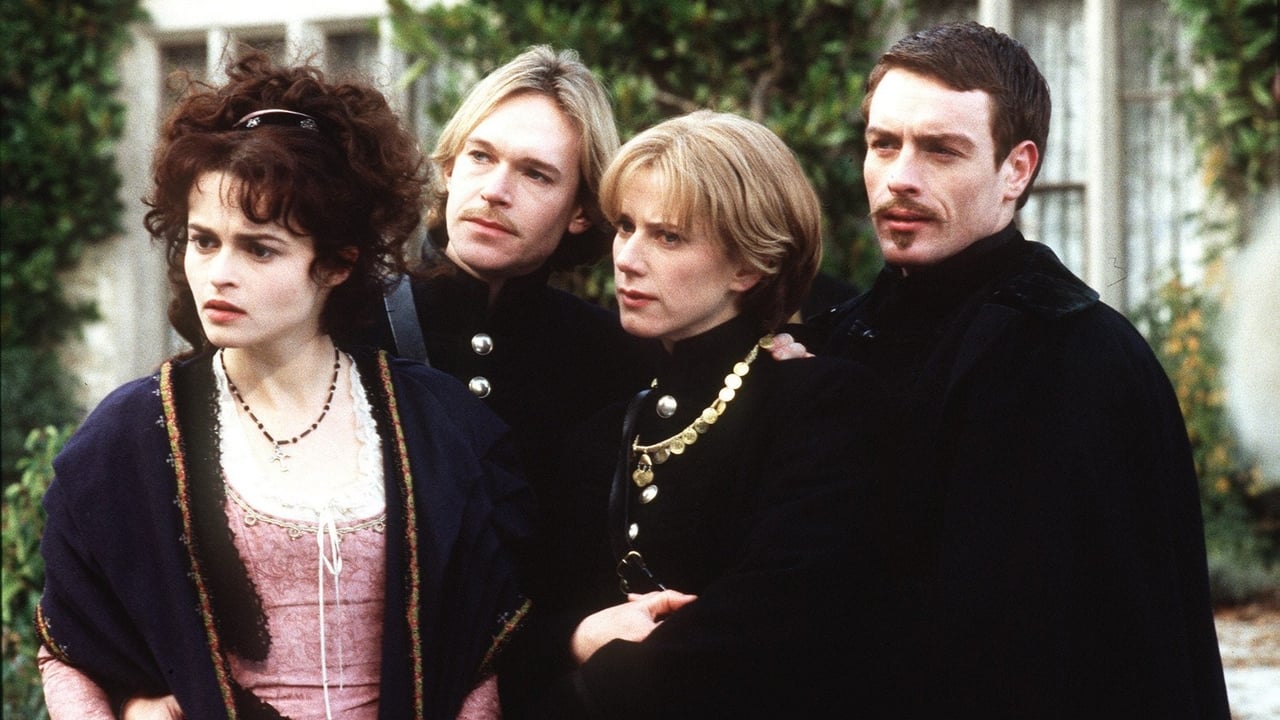
What strikes you immediately about Nunn's vision is its tangible sense of place. Forget abstract stage settings; this Illyria feels real, rooted in the rugged, rain-lashed landscapes of late 19th Century Cornwall. Shooting extensively on location – using spots like St Michael's Mount for Olivia's imposing estate and Lanhydrock House for Orsino's brooding manor – grounds the play's fantastical premise. Director Trevor Nunn, drawing on his immense experience with the Royal Shakespeare Company (including a legendary stage Macbeth with Ian McKellen and Judi Dench), understood that translating Shakespeare to film required more than just pointing a camera at actors. He uses the crashing waves, the windswept gardens, and the candlelit interiors not just as backdrops, but as extensions of the characters' inner turmoil. The slightly later period setting, moving away from Elizabethan dress, also subtly shifts the focus, allowing the universal emotions of love, loss, and mistaken identity to resonate perhaps more clearly for a modern audience. There's an autumnal quality suffusing the entire film, a beauty tinged with sadness, perfectly mirroring the play's blend of high comedy and heart-wrenching melancholy.
### Masks, Merriment, and Misery
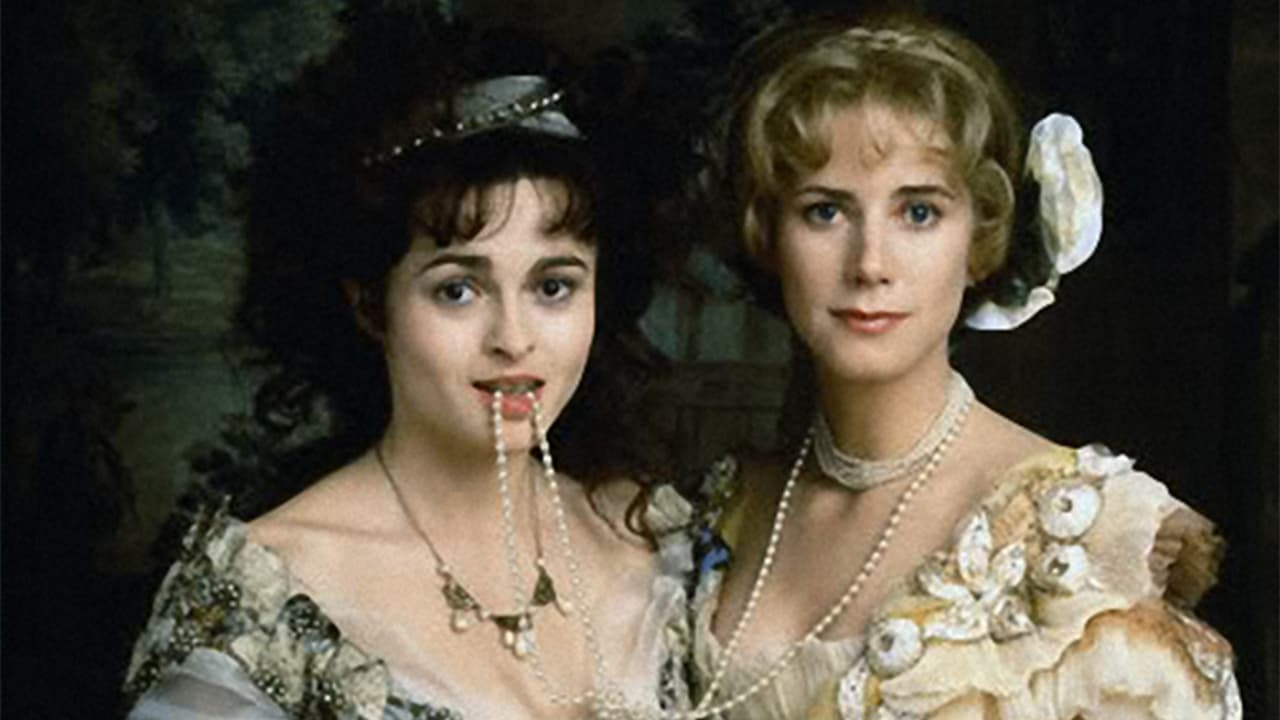
At its heart, Twelfth Night is a tangle of unrequited loves and hidden identities, and Nunn navigates this complex web with remarkable clarity. The central conceit – Viola (Imogen Stubbs), shipwrecked and believing her twin brother Sebastian (Steven Mackintosh) drowned, disguises herself as the young man Cesario to serve Duke Orsino (Toby Stephens) – unfolds with a convincing emotional logic. Stubbs is luminous, capturing Viola's sharp intelligence, her vulnerability, and the quiet agony of falling for Orsino while wooing the Countess Olivia (Helena Bonham Carter) on his behalf. Doesn't her performance perfectly encapsulate that impossible tightrope walk between outward duty and inward desire?
But this isn't just Viola's story. Nunn masterfully balances the romantic plotlines with the riotous subplot involving Olivia's household. Richard E. Grant delivers a brilliantly foppish Sir Andrew Aguecheek, all flailing limbs and misplaced confidence, a perfect counterpoint to the boisterous Sir Toby Belch (Mel Smith, gone far too soon) and the sharp-witted Maria (Imelda Staunton, already showcasing the versatility that would define her career). Their drunken revelry and cruel prank on the puritanical Malvolio feel less like broad stage antics and more like believable, if mean-spirited, late-night mischief.
### An Ensemble for the Ages
The casting truly is inspired, feeling less like a collection of stars and more like a cohesive company. Helena Bonham Carter, then primarily known for more buttoned-up Merchant Ivory roles like Lucy Honeychurch in A Room with a View (1985), brings a fascinating depth to Olivia. She beautifully charts the Countess's journey from performative mourning to bewildered, almost giddy infatuation with Cesario. You see the mask of noble grief crack and fall away, revealing a woman swept up by unexpected passion.
And then there's Nigel Hawthorne as Malvolio. Fresh off his acclaimed turn in The Madness of King George (1994), Hawthorne resists the urge to play Malvolio purely for laughs. Yes, the yellow stockings and cross-garters are absurd, but Hawthorne imbues him with such profound self-regard and, later, such wounded dignity that his humiliation feels genuinely uncomfortable, even tragic. His final, spat-out line – "I'll be revenged on the whole pack of you!" – carries real venom, a stark reminder of the cruelty underlying the comedy. It's a performance that elevates the entire film.
We also can't overlook Ben Kingsley as Feste, the fool. Kingsley plays him not as a jester, but as a weary, watchful observer, his songs laced with a profound melancholy. He seems to exist slightly outside the main action, commenting on the follies of love and ambition with a wisdom born of sadness. Nunn actually gives Feste the film's opening narration, immediately establishing this bittersweet tone. It’s a choice that pays off beautifully, framing the entire narrative through his insightful, slightly detached perspective. Reportedly, Kingsley learned to play the accordion specifically for the role, adding another layer of authenticity to his portrayal.
### Bringing the Bard to the Video Store
Nunn skillfully trims Shakespeare's text, making it accessible without sacrificing the poetry or complexity. He trusts his actors and the power of visual storytelling – a glance, a lingering shot on a rain-streaked window, the isolation of a character against the vast landscape – to convey emotional nuances. The score by Shaun Davey is also crucial, weaving through the narrative with motifs that underscore both the romance and the underlying sadness. For a film reportedly made for around $5-6 million, it looks remarkably lush and expansive, a testament to Nunn's focused direction and the evocative power of those Cornish locations. While perhaps not a box office smash, its critical acclaim and enduring presence on home video cemented its reputation as one of the truly great screen Shakespeares – a gem you might have discovered tucked away on the rental shelf, offering a far richer experience than many bigger-budgeted contemporaries.
---
Rating: 9/10
This rating reflects the film's exceptional success in translating Shakespeare's complex comedy to the screen with emotional depth, visual beauty, and outstanding performances across the board. The casting is near-perfect, Nunn's direction is assured and atmospheric, and the adaptation choices serve the story brilliantly. It loses perhaps a single point only because, by its nature, the intricate wordplay and identical twin conceit inherent in the source material can still occasionally feel stage-bound, despite Nunn's best efforts. However, the film overcomes this through sheer heart and artistry.
Final Thought: More than just a faithful adaptation, Trevor Nunn's Twelfth Night captures the play's soul – that unique blend of laughter and tears, leaving you pondering the masks we wear and the surprising, often painful, paths love leads us down, long after Feste has sung his final, haunting song.