It starts with a question, doesn't it? Not just within the narrative of Rod Lurie's gripping political drama, The Contender (2000), but for us, watching from the other side of the screen, perhaps years later. How much of a person's past belongs to the public when they step into the political arena? Where does scrutiny end and character assassination begin? Released right at the turn of the millennium, The Contender felt less like science fiction and more like a raw nerve exposed, tapping into the uneasy intersection of private lives and public service that seemed particularly charged in the late 90s and early 2000s. Watching it again now, it feels remarkably prescient, a film wrestling with demons that haven't loosened their grip.

The Weight of Nomination
The premise is deceptively straightforward: following the sudden death of the Vice President, President Jackson Evans (Jeff Bridges, in arguably one of his most enjoyably complex roles) throws Washington into a tailspin by nominating Senator Laine Hanson (Joan Allen) as his replacement. She's qualified, intelligent, and a potential symbol of progress. But this is politics, and the path to confirmation is paved with metaphorical broken glass. Enter Congressman Shelly Runyon (Gary Oldman), a ruthless political operator chairing the confirmation committee, who sees Hanson not just as an opponent, but as an obstacle to be dismantled. He unearths rumours of supposed sexual impropriety from her college days, turning the confirmation hearing into a brutal public trial.
Lurie, who both wrote and directed – drawing perhaps from his own experiences as a film critic and West Point graduate to inform the film's blend of idealism and cynicism – crafts a narrative that feels claustrophobic despite its national stage. Much of the tension unfolds in hearing rooms, offices, and hushed corridors, focusing intently on the faces of those caught in the storm. It’s a film less about grand political theory and more about the deeply personal cost of ambition and principle.
A Masterclass in Performance
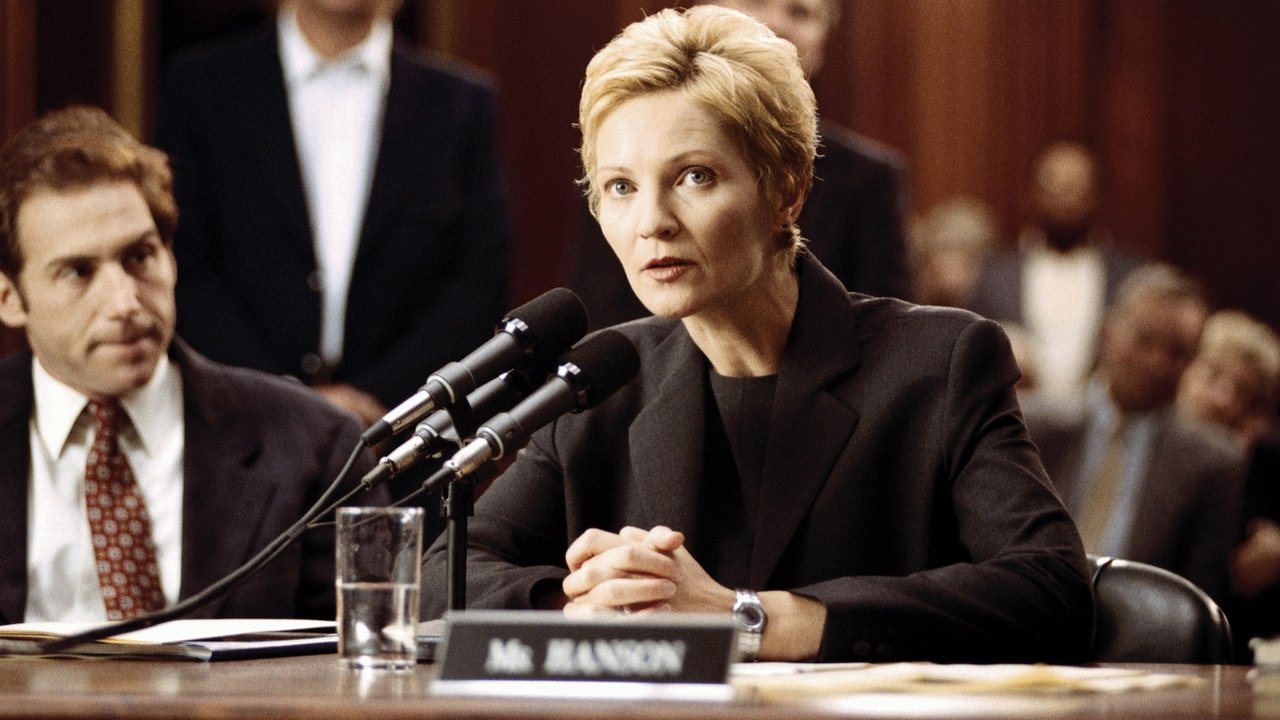
What truly elevates The Contender beyond a standard political thriller is the sheer force of its central performances. Joan Allen is simply magnificent as Laine Hanson. She imbues the Senator with a steely resolve, an intellectual sharpness, and a profound sense of dignity under fire. It’s a performance of quiet intensity; you see the calculations behind her eyes, the flicker of hurt beneath the composed exterior, the unwavering commitment to a principle even as it threatens to destroy her career. Allen rightfully earned an Academy Award nomination for this role, capturing the exhaustion and fury of a woman forced to defend not just her record, but her very right to privacy. Does her refusal to directly address the salacious accusations make her stronger, or simply more vulnerable? The film leaves that tension hanging, much to Allen's credit.
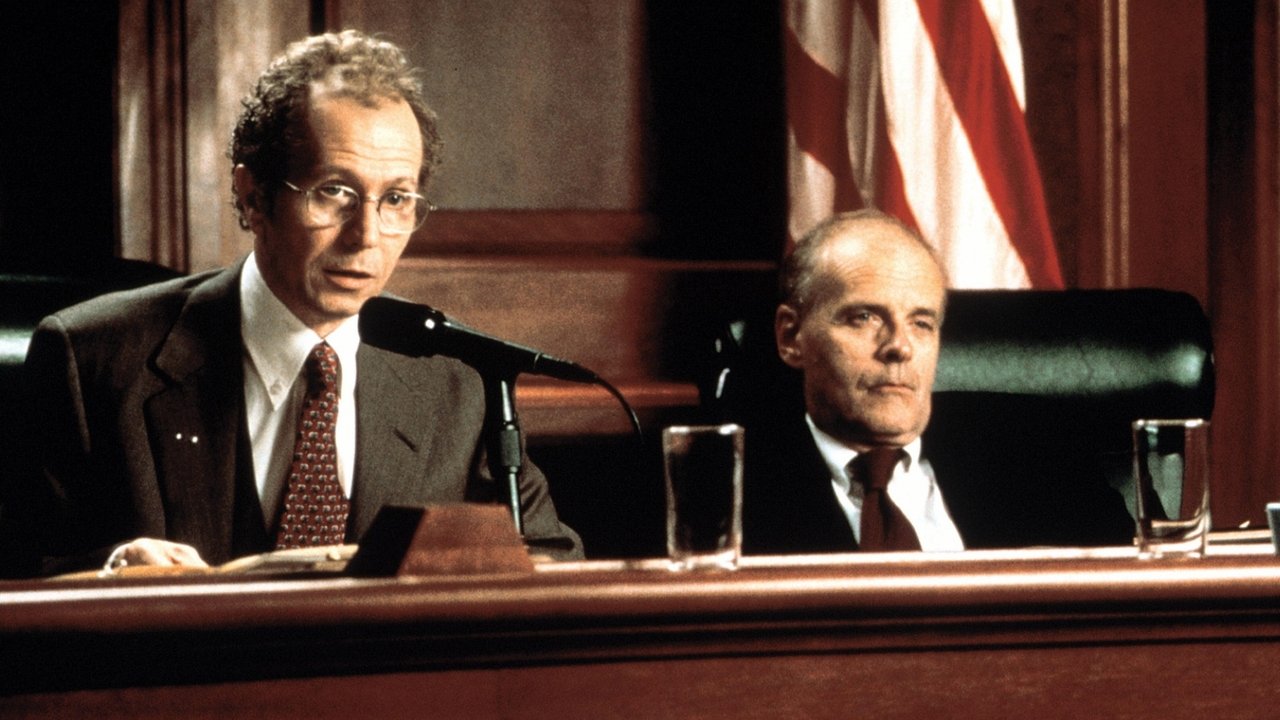
Opposite her, Gary Oldman delivers a chillingly effective portrayal of Shelly Runyon. It's a transformation that goes beyond mere makeup, though Oldman reportedly modeled Runyon's distinctive hairstyle and bearing on the notorious Senator Strom Thurmond. He embodies a particular brand of political zealotry – self-righteous, manipulative, and utterly convinced of his own moral authority, even as he employs the most morally questionable tactics. Oldman avoids caricature, making Runyon terrifyingly believable; he’s the whispering doubt, the smiling assassin. It’s a performance that gets under your skin.
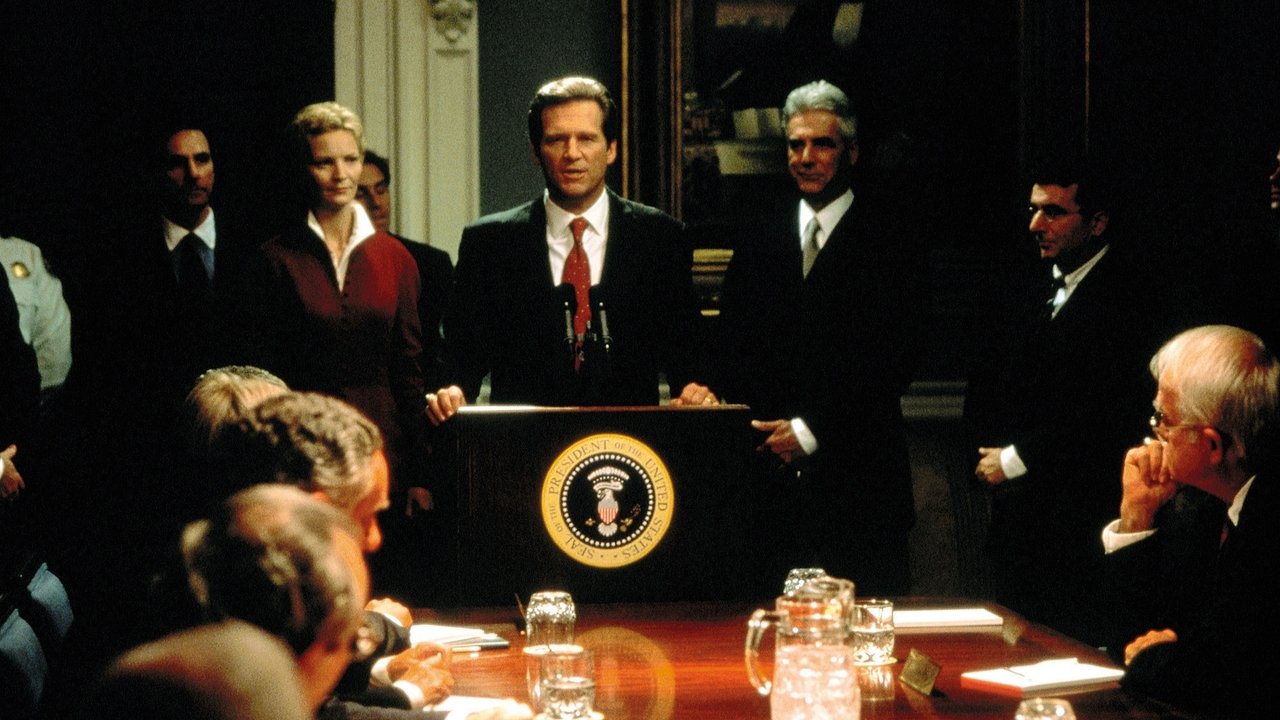
And then there's Jeff Bridges as President Evans. Is he a shrewd political mastermind playing chess while others play checkers, or a charming leader genuinely trying to do the right thing? Bridges masterfully walks that line, his folksy charm often masking a steely pragmatism. His scenes, particularly those opposite Allen, crackle with unspoken understanding and political calculation. The supporting cast, including Christian Slater as an ambitious young Congressman and Sam Elliott as the White House Chief of Staff, adds further depth to this Beltway pressure cooker.
Questions That Linger
The Contender isn't afraid to tackle difficult themes head-on: the blatant sexism Hanson faces, the media's role in fanning the flames of scandal, the impossible standards demanded of women in power compared to men. But its most enduring question revolves around Hanson's central defiance – her refusal to "answer the question" about her past, arguing that her private life, particularly decades-old unproven allegations, is irrelevant to her fitness for office. Is this a heroic stand for principle, a refusal to dignify baseless attacks? Or is it a strategic error, a failure to understand the brutal realities of modern political warfare?
Reportedly, writer-director Rod Lurie clashed with DreamWorks executives over the film's ending and marketing. The studio apparently pushed for a more clear-cut, triumphant conclusion, while Lurie fought to maintain the ambiguity surrounding Hanson's decision and its ultimate consequences. This artistic tension arguably benefits the film, leaving the audience to grapple with the moral complexities long after the credits roll. It didn’t set the box office alight (grossing around $22 million worldwide against a $20 million budget), but its impact came through critical acclaim, including those Oscar nominations for Allen and Bridges, and its resonance as a conversation starter.
A Political Thriller That Holds Up
Watching The Contender today, perhaps on a format far removed from the VHS tapes of its initial home video release, it feels less like a period piece and more like a vital, if uncomfortable, commentary. It lacks the bombast of many contemporary political thrillers, focusing instead on the power of words, the weight of silence, and the devastating impact of secrets, real or imagined. It’s a film built on sharp dialogue and powerhouse acting, reminiscent of the great political dramas of the 70s, but viewed through the lens of a rapidly changing media and political landscape at the dawn of the 21st century.
Rating: 9/10
This score reflects the film's exceptional performances, particularly from Allen and Oldman, its intelligent and provocative script, and its unflinching exploration of complex ethical questions. It’s a tightly constructed, superbly acted drama that uses the framework of a political confirmation battle to probe enduring issues of privacy, sexism, and integrity. The Contender isn't just a snapshot of its time; it's a film that forces us to confront uncomfortable truths about the political arena, leaving us pondering: in the fight for power, what lines should never be crossed, and what is the ultimate price of holding fast to one's principles?