It begins like a hazy, sun-drenched memory of youth – graduation caps tossed aside, the promise of adventure glittering in the humid Bangkok air. Two best friends, Alice (Claire Danes) and Darlene (Kate Beckinsale), giddy with freedom, embarking on that rite-of-passage trip before life gets serious. But Brokedown Palace doesn't linger in that carefree space. Instead, it plunges us, with terrifying speed, into a nightmare scenario that felt chillingly plausible back in 1999, tapping into a primal fear of losing control, far from home, trapped by circumstances you don't understand.

Paradise Lost
The setup is deceptively simple, almost archetypal 90s post-high-school escapism. Alice is the impulsive, slightly wilder one; Darlene, more cautious and seemingly naive. Their bond feels authentic, etched in shared glances and inside jokes, the kind of intense teenage friendship that feels like its own universe. Director Jonathan Kaplan, who previously explored difficult female experiences in The Accused (1988), masterfully captures both the intoxicating allure of Thailand for young Westerners and the subtle, creeping sense of otherness, the feeling that the rules might be different here. The vibrant street scenes and lush landscapes initially feel inviting, but soon morph into something oppressive once their world shrinks to the confines of a brutalist prison.
The pivot point – being duped by a charming stranger (Daniel Lapaine) into carrying luggage that turns out to contain heroin – is swift and brutal. There's no dramatic chase, just a quiet, dawning horror at airport security. Suddenly, the sun-drenched adventure curdles into fluorescent-lit interrogation rooms and the suffocating reality of the Thai legal system.
Trapped Tongues and Tested Bonds
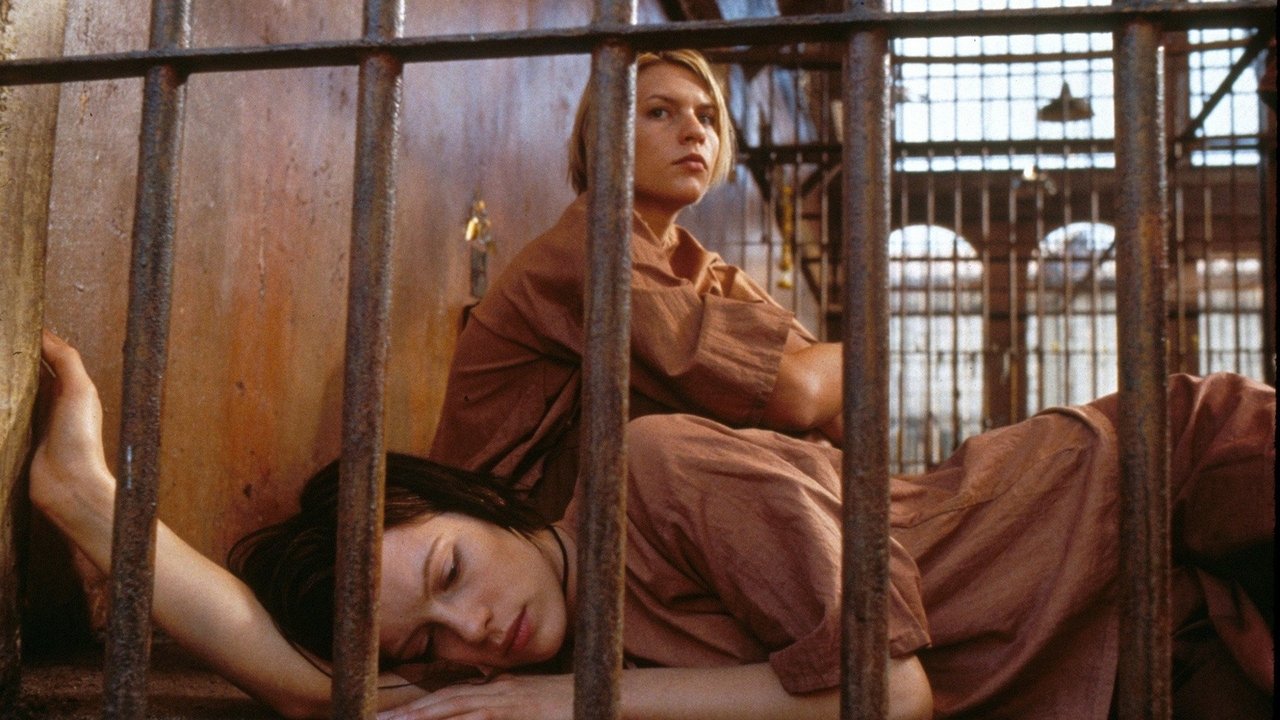
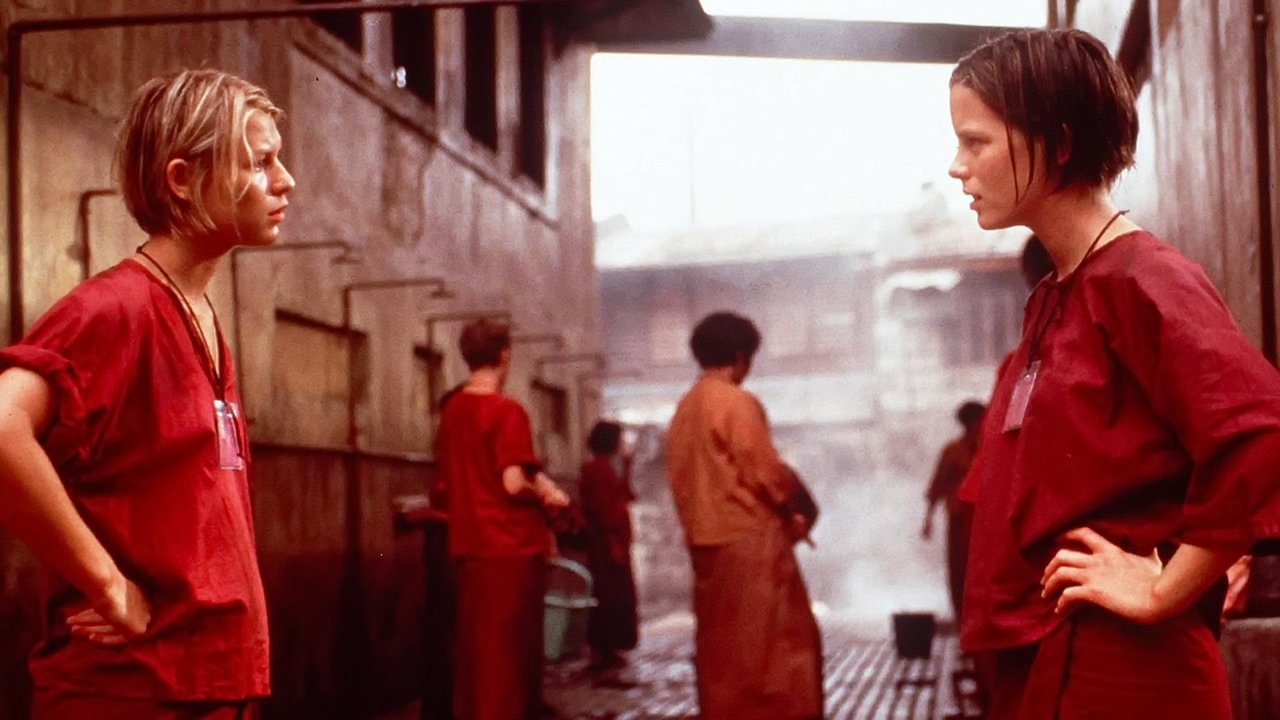
What makes Brokedown Palace stick with you isn't just the premise, but the devastating portrayal of the girls' fraying relationship under unimaginable pressure. Claire Danes, already showcasing the raw emotional intensity that would define her career (just a few years after her star turn in 1996's Romeo + Juliet), embodies Alice's fierce, often self-destructive, defiance. Kate Beckinsale, in one of her earlier high-profile roles before exploding into action stardom with Underworld (2003), delivers a nuanced performance as Darlene, whose quieter desperation masks a complex inner struggle. Their initial unity cracks, revealing old resentments and divergent survival instincts. Watching them turn on each other, subtly and overtly, is arguably more harrowing than the physical hardships they endure. It forces us to ask: how would our closest friendships hold up under such duress?
Into this bleak situation steps "Yankee Hank" Greene (Bill Pullman), an American lawyer living in Thailand. Pullman, often cast as the reliable hero (think Independence Day (1996)), plays Hank with a compelling ambiguity. Is he a genuine savior, a compromised opportunist, or something in between? His weary pragmatism clashes with the girls' fading hope, adding another layer of tension.
Behind the Bars: Production Realities
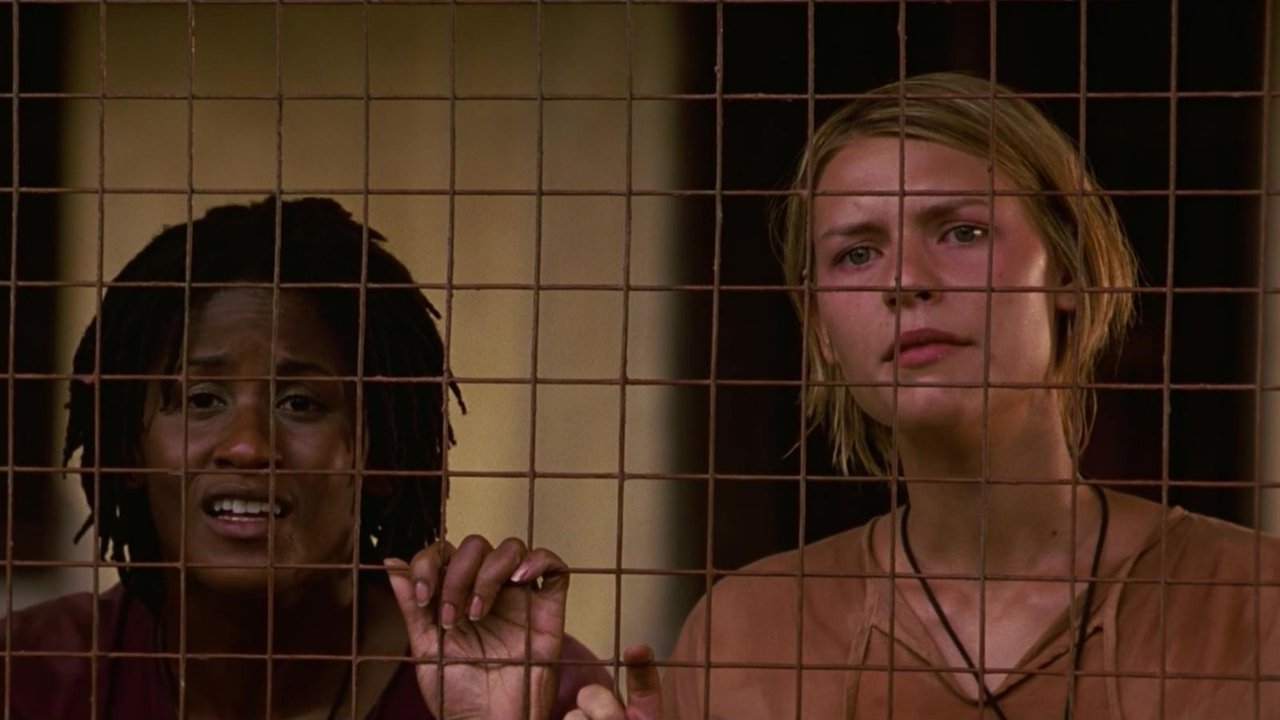
The film's sense of authenticity is heightened by the knowledge of its production challenges. Depicting the Thai legal system and prison conditions so negatively made filming in Thailand impossible. Consequently, Brokedown Palace was primarily shot in the Philippines, a behind-the-scenes reality that mirrors the film's theme of displacement and navigating unfamiliar, potentially hostile territory. This logistical hurdle, born from the controversial subject matter, undoubtedly informed the film's gritty, unsettling atmosphere. It wasn't a massive box office success – earning just over $10 million domestically on a similar budget – perhaps indicating audiences weren't quite ready for such a downbeat portrayal of paradise lost, despite the star power. It found its second life, like so many late-90s dramas, on the shelves of video stores, becoming a staple rental for those seeking something more intense than the usual blockbuster fare. The script itself, penned by Adam Fields and David Arata, drew loose inspiration from several real-life accounts of Westerners imprisoned abroad, adding a chilling layer of "this could happen" that resonated deeply.
A Lingering Chill
Brokedown Palace isn't an easy watch. It avoids neat resolutions and Hollywood heroics. The legal battle is confusing and frustrating, reflecting the characters' own disorientation. The film doesn't shy away from the grim realities – the squalor, the corruption, the psychological toll. Kaplan's direction keeps the focus tight on Alice and Darlene, making their emotional journey the core of the narrative. The film raises uncomfortable questions about justice, cultural arrogance, and the desperate measures people resort to when stripped of everything. Does youthful naivete excuse recklessness? How much responsibility do we bear for the choices of our friends?
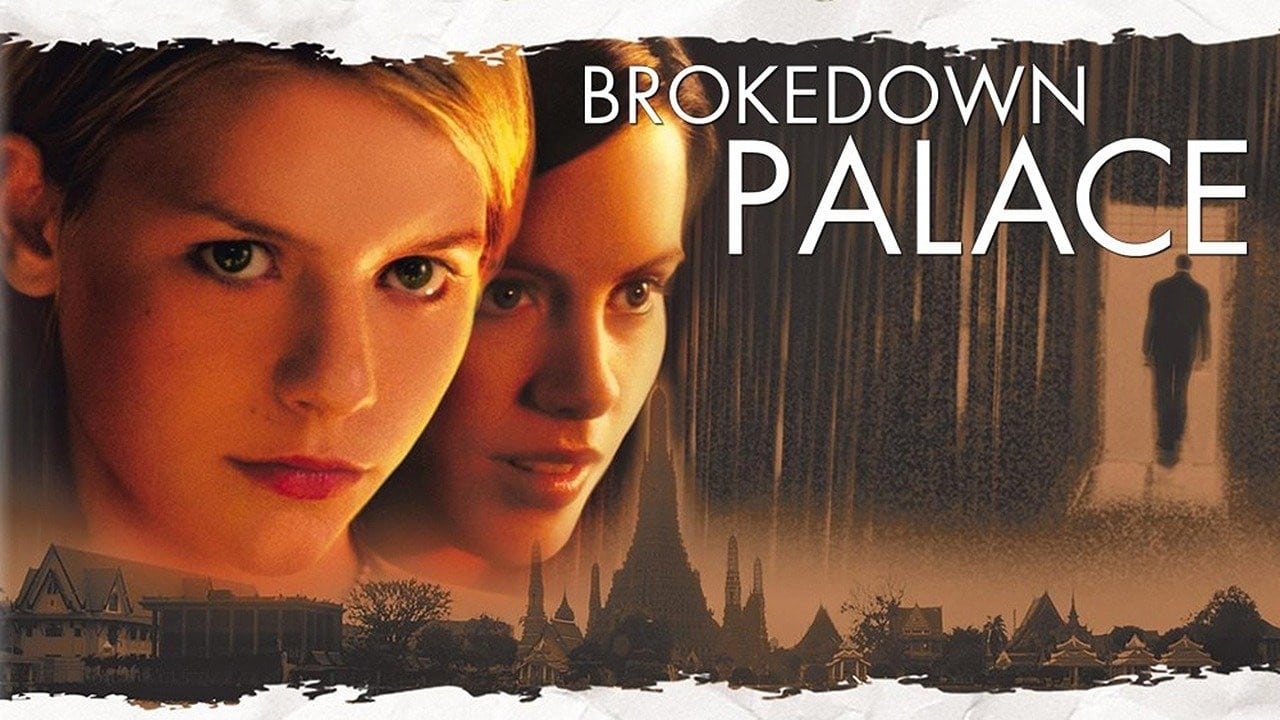
The film’s atmosphere is thick with humidity and despair, punctuated by moments of stark beauty and crushing disappointment. It’s a far cry from the feel-good escapism often associated with travel movies. I remember renting this on VHS, the slightly worn cover hinting at something heavier than the typical teen drama. It was the kind of film that sparked debate afterward, leaving you contemplating the "what ifs" long after the tape clicked off.
Rating: 7/10
Brokedown Palace earns a solid 7 for its powerful lead performances, its unflinching portrayal of a terrifying scenario, and its effective creation of a claustrophobic, desperate atmosphere. Danes and Beckinsale are utterly convincing, carrying the emotional weight of the film with raw vulnerability. While the plot mechanics occasionally feel convenient and Pullman's character could perhaps have been explored further, the film succeeds in its primary goal: to unsettle the viewer and explore the fragility of freedom and friendship under extreme duress. It might lack the comforting resolution some viewers crave, but its strength lies in that very ambiguity and harshness.
It’s a film that stays with you, less for specific plot points and more for the lingering feeling of dread and the haunting question it poses: how thin is the line between paradise and prison?