Okay, pull up a chair, maybe pour yourself something thoughtful. We’re stepping just slightly past the neon glow of the 90s for this one, into the year 2000, but trust me, the film we’re revisiting carries an urgency and raw power that feels timeless, the kind of discovery that might have sat quietly on a lower shelf in the "World Cinema" section of the rental store, waiting to floor whoever was brave enough to pick it up. I’m talking about Jafar Panahi’s devastating masterpiece, The Circle (original title: Dayereh). This isn't your typical blockbuster fare; it's something else entirely – a film that grabs you by the collar and refuses to let go.
### A Knock at the Maternity Ward Door
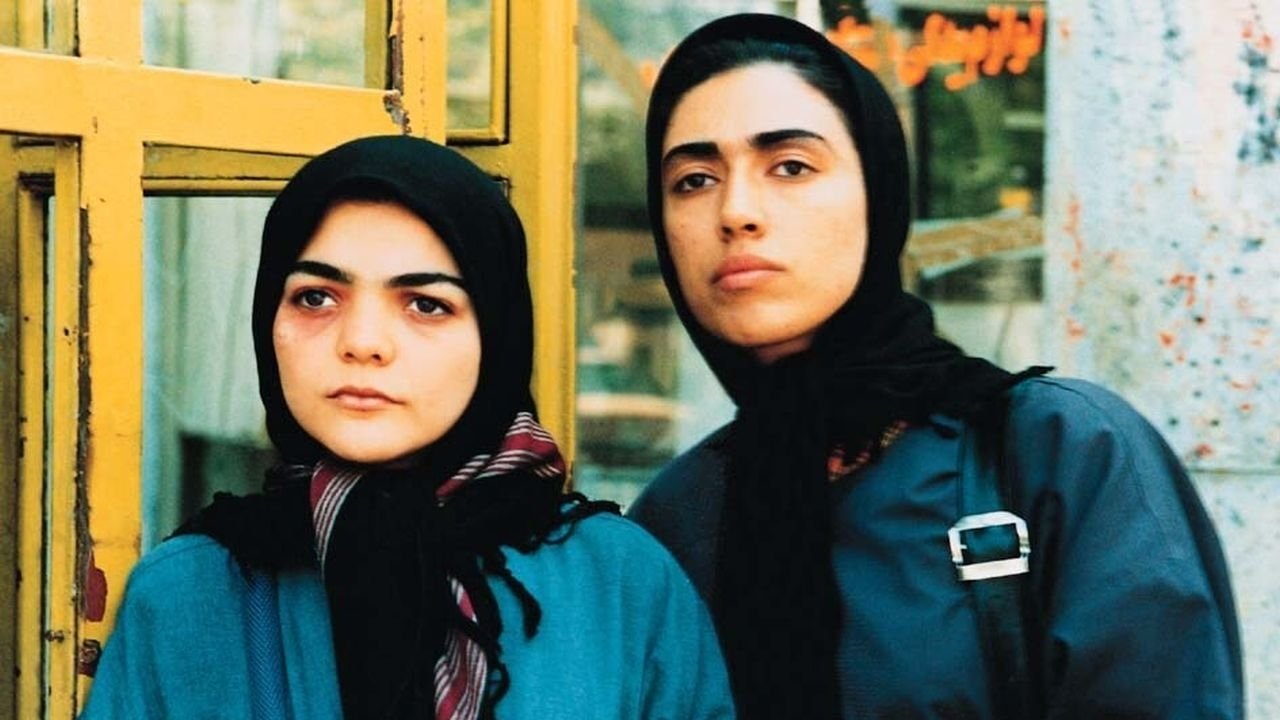
The film opens with a sound, a frantic knocking, and a whispered anxiety that sets the tone for everything that follows. A woman has given birth, but the grandmother waiting outside is distraught – it’s a girl, not the hoped-for boy. This initial moment, seemingly small, ripples outwards, revealing the crushing weight of societal expectation and the immediate disadvantage faced by women in the Iran depicted by Panahi. From this single point, the narrative unfurls like a sombre relay race, passing the baton of quiet desperation from one woman to another, each trapped within her own invisible, shrinking circle.
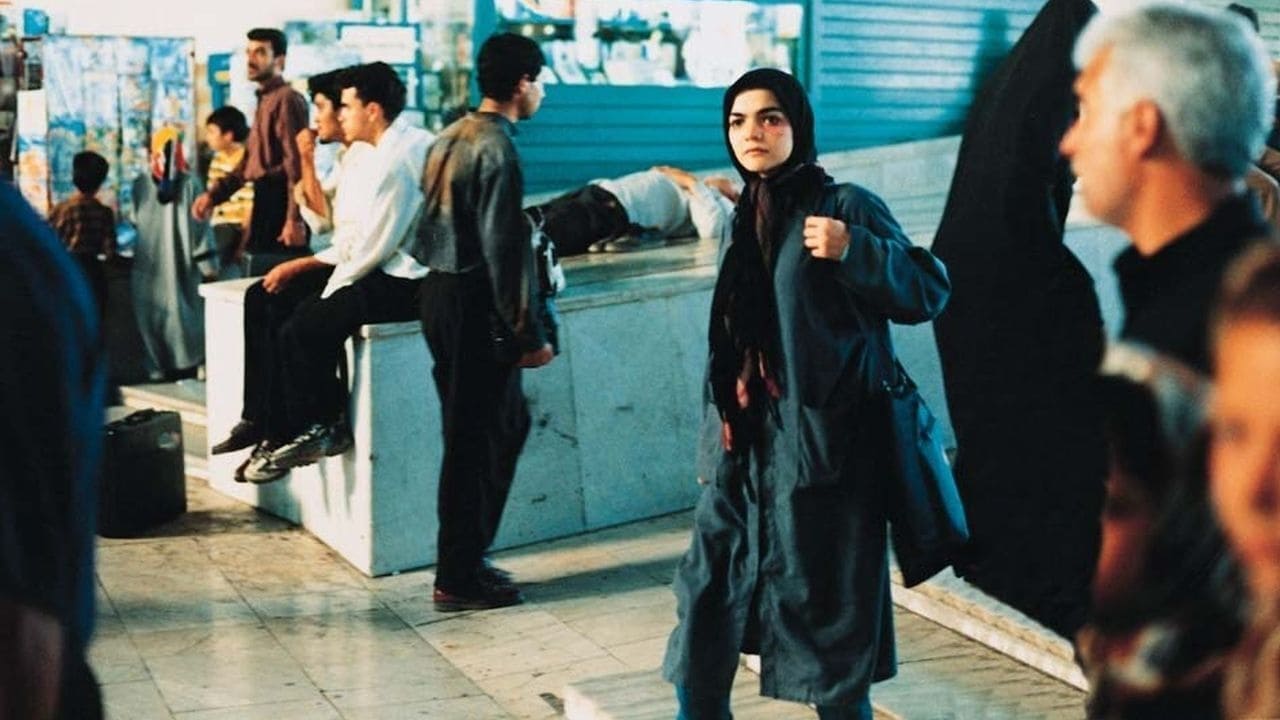
We follow several women – recently released prisoners, runaways, prostitutes, mothers seeking abortions – as they navigate the oppressive landscape of Tehran. They lack identification, permission to travel, or even the simple freedom to exist without male supervision. Their stories intertwine fleetingly, highlighting a shared vulnerability and the systemic forces that hem them in. What stays with you is the chilling anonymity; these aren't intricate character studies in the traditional sense, but rather snapshots of lives lived under constant threat and limitation.
### The Urgency of Stolen Moments
You can feel the tension in the filmmaking itself. Much of The Circle was reportedly shot guerrilla-style on the streets of Tehran, often without official permits. Jafar Panahi, already a filmmaker known for pushing boundaries (and who would later face severe restrictions from the Iranian government, including bans on filmmaking and travel), imbues the film with a palpable sense of immediacy. The camera, often handheld, sometimes lingers, sometimes rushes, mirroring the characters' precarious existence. It feels less like watching a constructed narrative and more like bearing witness.
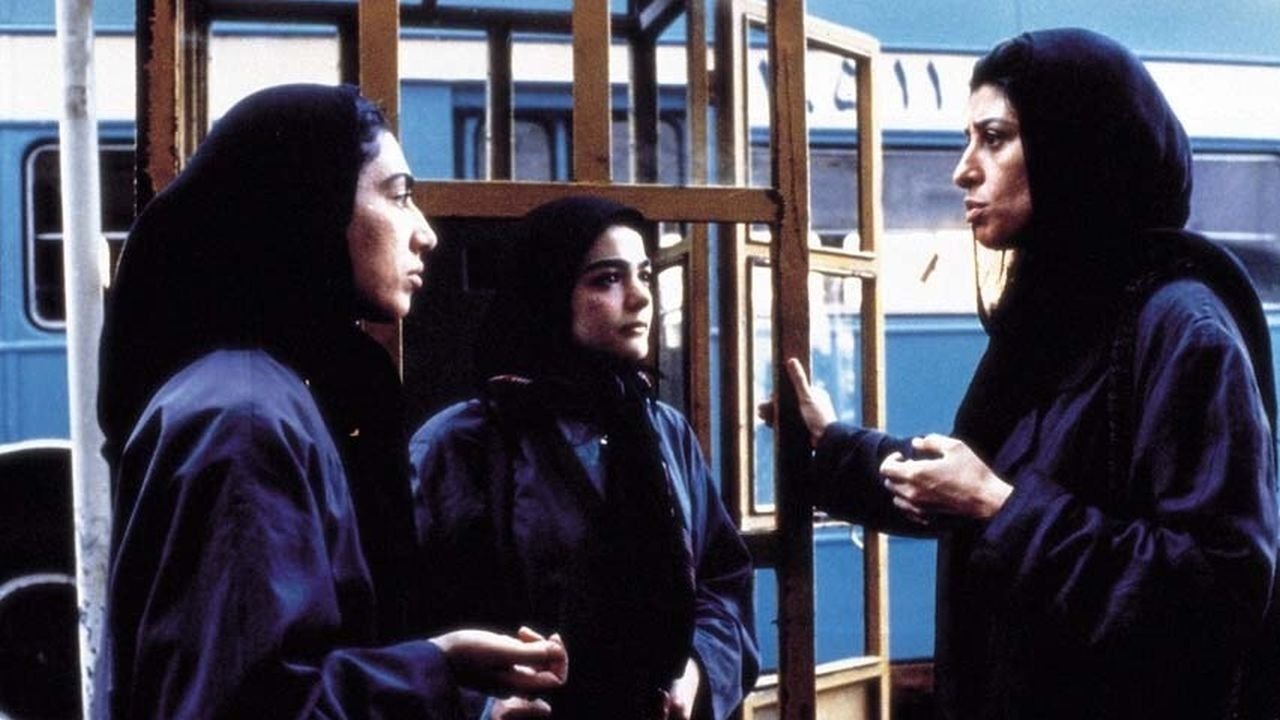
This necessity breeds a stark authenticity. The performances, largely from non-professional actors like Nargess Mamizadeh, Maryam Parvin Almani, and Mojgan Faramarzi, are stripped bare of affectation. There's a rawness, a weary resignation mixed with flickers of desperate hope in their eyes that feels utterly genuine. You believe their fear, their frustration, their fleeting moments of fragile connection. They aren't just playing roles; they seem to be embodying the harsh realities the film portrays. It’s a testament to Panahi’s direction that he could elicit such powerful, naturalistic work under challenging conditions.
### More Than Just a Story
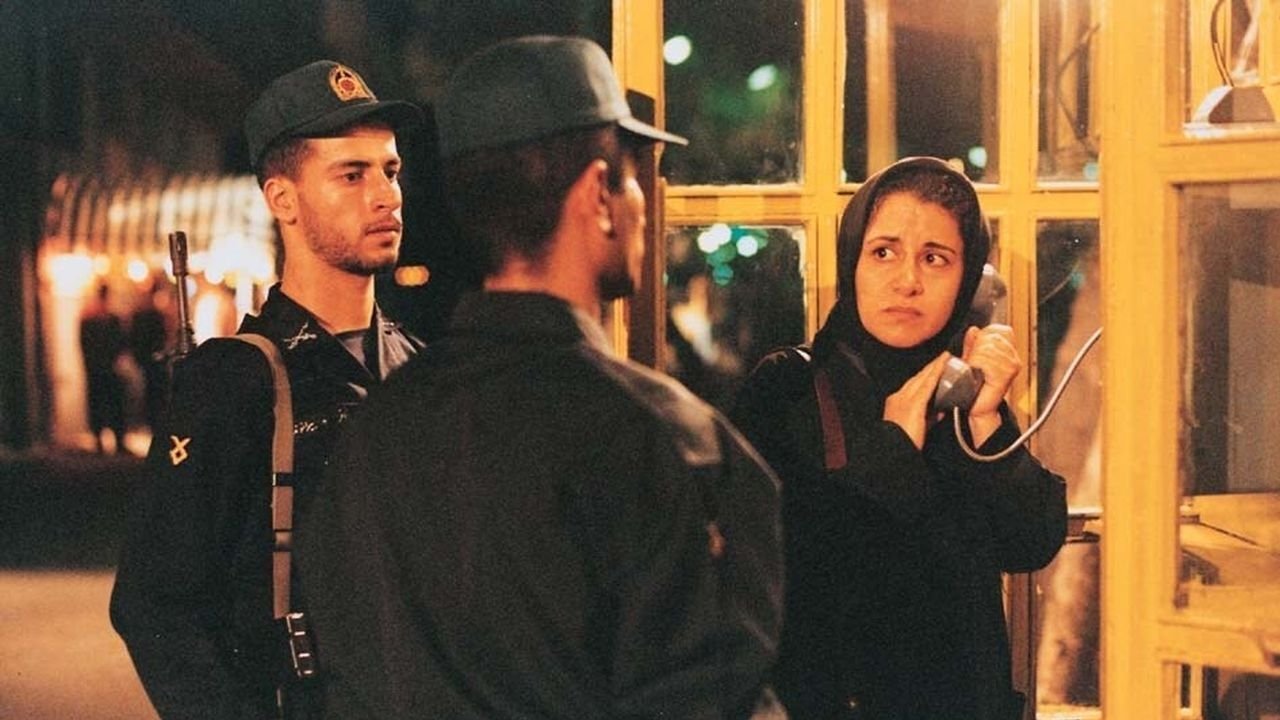
The Circle isn't subtle about its message. It's a direct, unflinching critique of the systemic oppression of women within its specific cultural context. Yet, its power transcends geography. Doesn't the feeling of being trapped, of navigating invisible but potent barriers, resonate on a universal level? The film forces us to confront uncomfortable questions about freedom, agency, and the societal structures that define and confine us.
The title itself is profoundly symbolic. Each woman's attempt to break free seems only to lead her further into the maze, tightening the circle around her. The narrative structure, handing off from one character to the next before looping back near the beginning, reinforces this sense of inescapable cyclicality. There are no easy answers offered here, no triumphant breakthroughs, just the stark portrayal of a reality that Panahi felt compelled to expose. It's worth noting the film achieved significant international acclaim, winning the prestigious Golden Lion at the Venice Film Festival in 2000, yet it was predictably banned in Iran – a fact that underscores the very truths it dared to tell.
This wasn't a film you'd likely find nestled between the latest action flicks or romantic comedies back in the day. Discovering The Circle, perhaps on a grainy VHS or an early DVD borrowed from a more adventurous friend or found in a specialized section of the video store, felt like uncovering something vital, something intensely real. It demanded your attention, your empathy, and left you wrestling with its implications long after the credits rolled.
Rating: 9/10
This is a near-perfect execution of neorealist filmmaking with a vital social conscience. The score reflects its technical mastery, the bravery of its production, the haunting authenticity of its performances, and its sheer, unforgettable impact. It loses a single point only because its unrelenting bleakness, while entirely purposeful and effective, makes it an undeniably difficult and harrowing viewing experience – essential, but demanding.
The Circle is a film that stays etched in your memory, not for its spectacle, but for its quiet, devastating truth. It’s a powerful reminder of cinema’s capacity to act as a mirror, reflecting uncomfortable realities and sparking necessary conversations, even from the shadows of a restrictive regime. What lingers most is the courage it took to capture these stolen moments, these fragmented lives, and share them with the world.