Okay, let's dim the lights, imagine the whir of the VCR pulling the tape in, and settle back onto the sofa. Some tapes we pulled off the rental shelf promised explosive action or belly laughs, pure escapism wrapped in a clamshell case. And then there were films like Mira Nair's Salaam Bombay! from 1988 – movies that didn't just entertain, but grabbed you by the collar and demanded you look. This wasn't your typical Friday night rental, perhaps, but finding it felt like uncovering something vital, something raw and unforgettable that lingered long after the static fuzz filled the screen.
### A World Away, Yet Strikingly Close
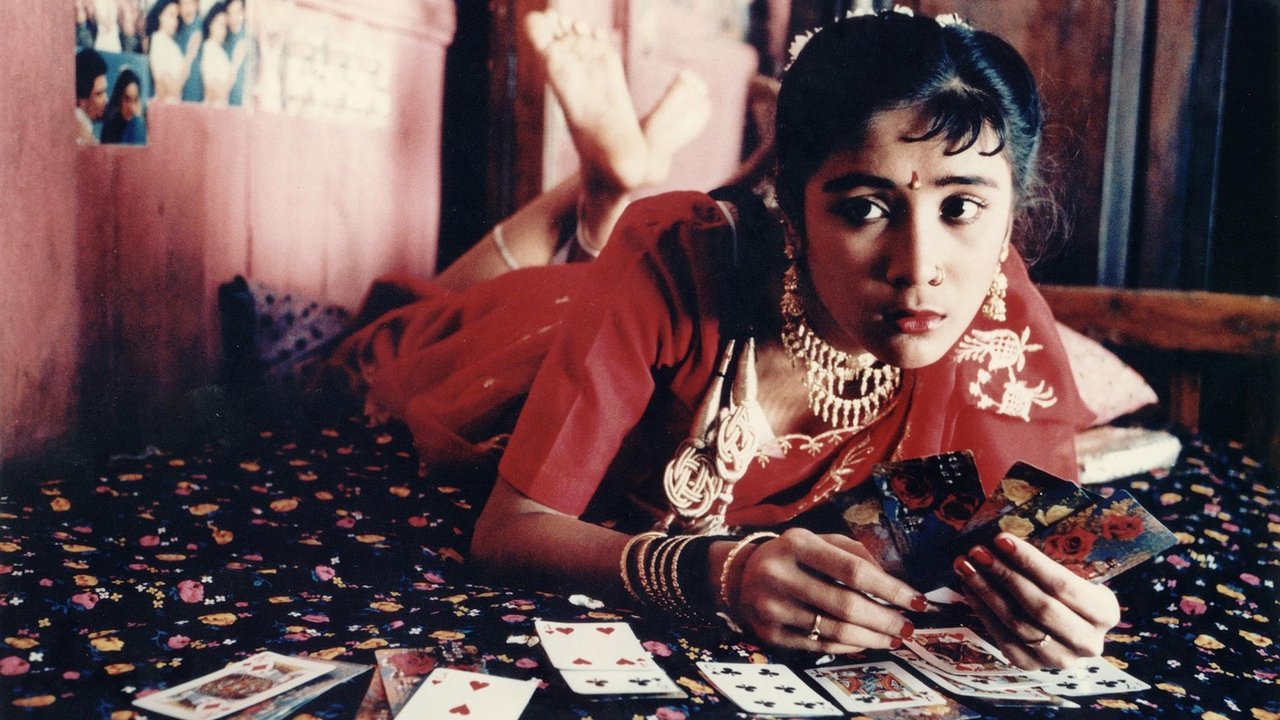
What strikes you immediately about Salaam Bombay! isn't a flashy opening sequence or a star-studded cast, but its almost documentary-like immersion into the lives of Bombay's street children. The film follows young Krishna (Shafiq Syed), abandoned by a travelling circus and sent to the city to earn 500 rupees to repay his mother – a debt incurred for damaging his brother's bicycle. Renamed 'Chaipau' (tea boy), he navigates the chaotic, sprawling, and often brutal ecosystem of Grant Road Station's red-light district and the surrounding markets. It’s a world of petty crime, fleeting friendships, desperate survival, and the constant, gnawing ache of childhood lost.
This film arrived amidst the glossy excess often associated with the late 80s, yet it offered zero artifice. There's a palpable sense of heat, grime, and noise that practically radiates off the screen. Director Mira Nair, who co-wrote the screenplay with Sooni Taraporevala, doesn't shy away from the harsh realities – exploitation, addiction, the vulnerability of young girls like the trafficked Nepali teenager Sola Saal (Chanda Sharma) or the heartbreaking Manju (Hansa Vithal), daughter of a prostitute and drug dealer. Yet, crucially, the film never feels exploitative itself. There's a profound empathy woven through its fabric.
### The Power of Authenticity
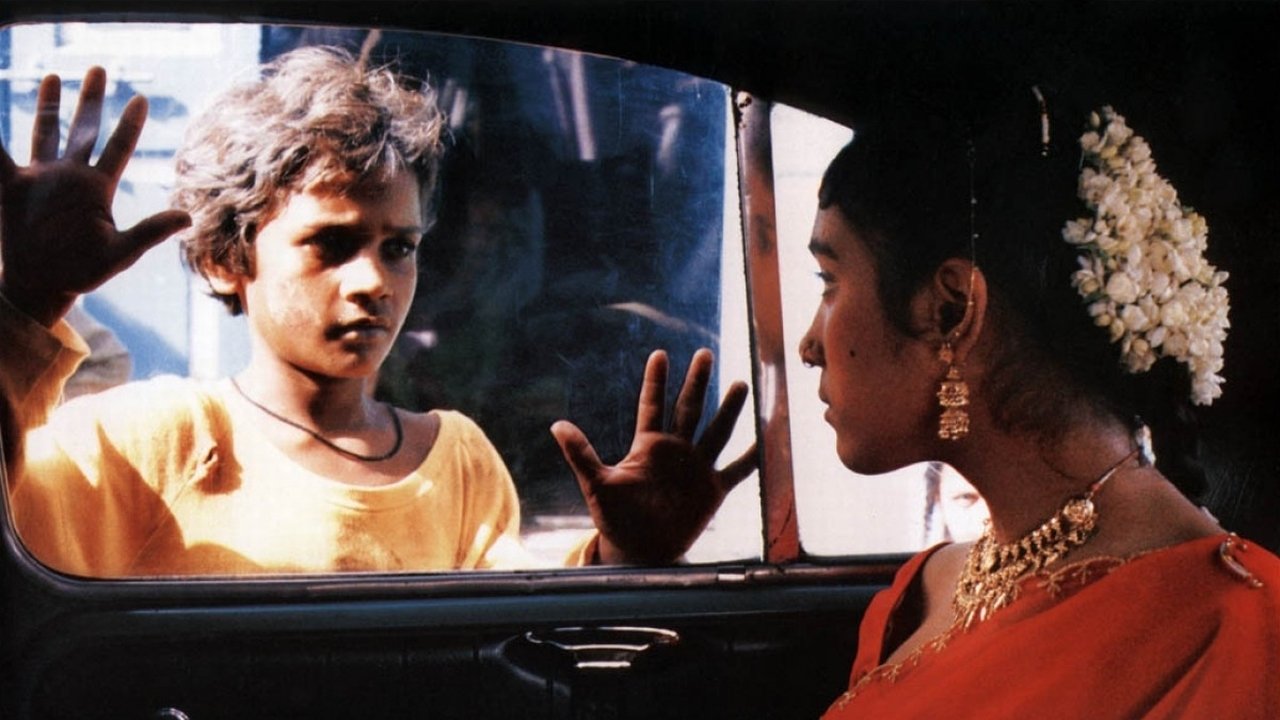
Much of the film's staggering power comes from Nair's decision to cast actual street children in the lead roles, including the magnetic Shafiq Syed. This wasn't just a casting gimmick; it was fundamental to the film's soul. Nair and her team reportedly spent months running workshops for children living near Churchgate station, building trust and finding voices that could bring these stories to life with an authenticity Hollywood could never replicate. You see it in their eyes, their movements, the way they navigate their environment – it’s lived experience translated directly onto celluloid. Syed, as Chaipau, carries the film with a resilience and world-weariness far beyond his years, yet glimpses of the child underneath – hopeful, searching, capable of joy – pierce through the hardship. His performance isn't 'acting' in the conventional sense; it feels startlingly real, drawn from a wellspring of genuine understanding.
It's a fascinating production story in itself. Made on a shoestring budget (reportedly around $450,000 USD), the film relied heavily on improvisation and capturing the raw energy of the city. Nair, who would later give us films like Monsoon Wedding (2001) and The Namesake (2006), demonstrated an incredible sensitivity and control, balancing the sprawling narrative threads and the chaotic environment without losing focus on the intimate human dramas unfolding within it. The film went on to win the Caméra d'Or (best first feature) at Cannes and snagged an Academy Award nomination for Best Foreign Language Film – a remarkable achievement that brought this unflinching slice of life to a global audience, many discovering it, like us, on home video.
### More Than Just Grit
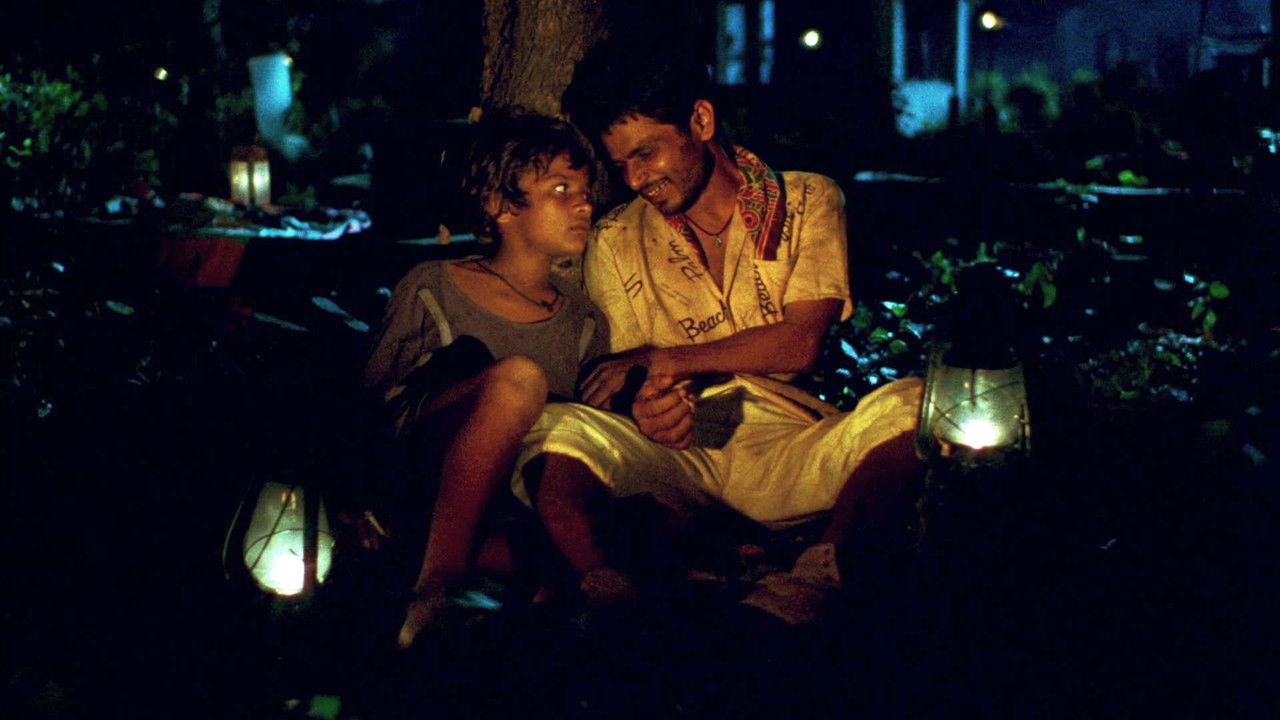
While the realism is central, Salaam Bombay! isn't merely a grim portrait of poverty. There are moments of camaraderie, fragile bonds formed in the face of adversity. There’s the shared hustle, the small celebrations, the dreams of escape, however fleeting. The film asks profound questions about systemic neglect, the cycles of poverty, and the resilience of the human spirit, especially in the young. What future awaits these children? Does society offer them any path other than the one they’re forced onto? These aren't easy questions, and Nair wisely offers no simple answers. Instead, she presents this world with unwavering honesty, leaving the viewer to grapple with the implications.
Watching it again now, decades later, the film hasn't lost any of its potency. If anything, its themes feel depressingly relevant. The specific textures of 80s Bombay might have changed, but the underlying issues of urban poverty and childhood vulnerability persist globally. It stands as a powerful testament to the lives often rendered invisible, demanding acknowledgement and empathy.
Rating: 9/10
This rating reflects the film's exceptional authenticity, the unforgettable performances drawn from real life, Nair's compassionate direction, and its sheer emotional impact. It's a near-perfect execution of a challenging vision, losing perhaps a single point only for the inherent difficulty some viewers might have with its relentless realism and lack of conventional resolution – though arguably, that's part of its strength.
Salaam Bombay! remains a landmark of independent cinema, a film that used the medium not just to tell a story, but to bear witness. It’s one of those VHS tapes that, once watched, likely didn't get returned to the rental store shelf quite so quickly – it needed time to settle, to be absorbed. It's a film that stays with you, a haunting reminder of the power of cinema to open our eyes to worlds unseen.