It's a title that almost sounds like a trashy romance novel you'd find faded on a drugstore rack, doesn't it? Toxic Love. But slip that tape into the VCR, press play, and brace yourself. What unfolds in Claudio Caligari's devastating 1983 debut feature, Amore Tossico, is leagues away from any pulpy fiction. Instead, it plunges you headfirst into the desolate reality of heroin addiction on the grim periphery of Rome, specifically the coastal town of Ostia. This isn't an escape; it's an unflinching confrontation.
The Concrete Shore
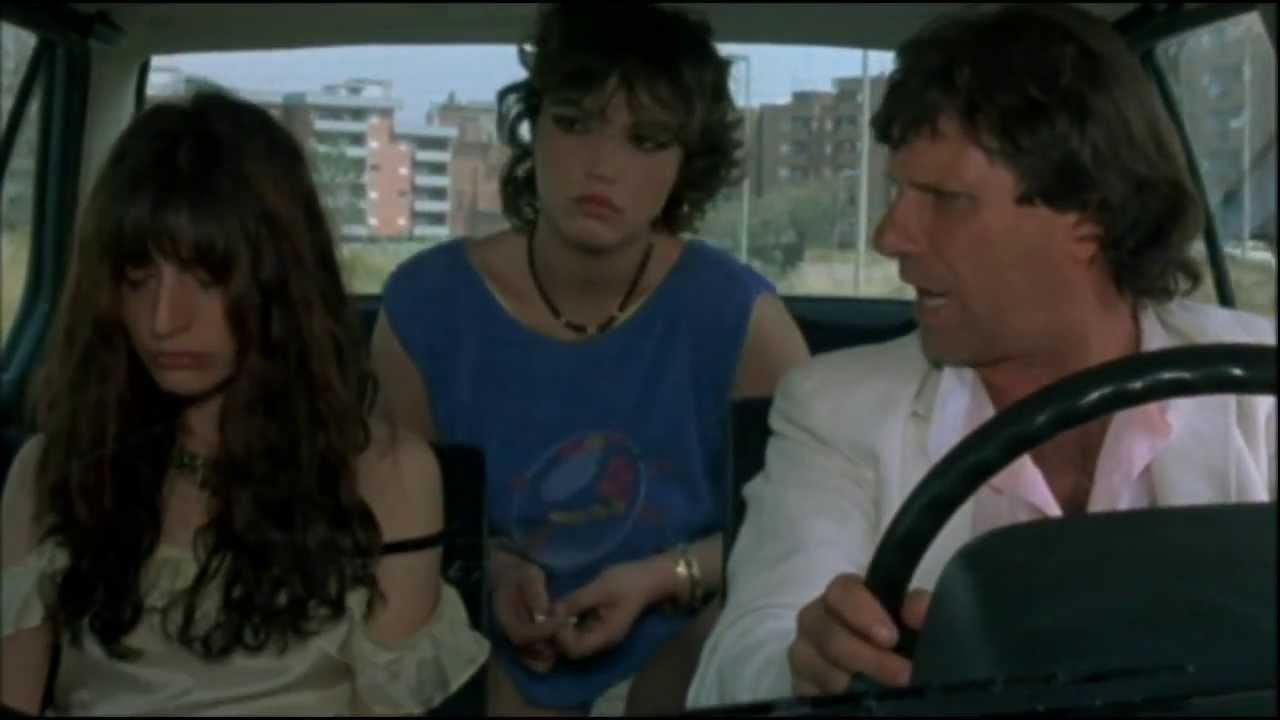
Forget the postcard image of Rome. Caligari paints Ostia not as a seaside escape, but as a kind of purgatory – grey apartment blocks, desolate beaches under overcast skies, the skeletal remains of Pasolini's monument haunting the landscape. The film breathes this atmosphere. There's little conventional plot, more a cyclical, day-to-day existence dictated by the relentless need for the next fix. We follow a group of young addicts – Cesare, Michela, Enzo, Ciopper, Loredana – as they drift through schemes, petty theft, fleeting moments of connection, and the crushing despair of their shared dependency. It’s a narrative structure, or perhaps anti-structure, that mirrors the chaotic, moment-to-moment reality of addiction itself.
Faces of Reality
What truly elevates Toxic Love beyond mere gritty realism is Caligari's audacious casting choice. Many of the main players, including leads Cesare Ferretti (Cesare) and Michela Mioni (Michela), were not professional actors but actual addicts recruited from the very streets depicted. This decision lends the film an almost documentary-like authenticity that is impossible to fake. Their performances – if one can even call them that, so seamlessly do they inhabit their roles – are raw, unvarnished, and utterly heartbreaking. There's no actorly vanity, no Hollywood gloss. When Cesare stares into the middle distance, his eyes reflecting a profound emptiness, or when Michela's face shifts from desperate hope to crushing disappointment, you feel the weight of lived experience. This wasn't just method acting; for many involved, it was simply being. Sadly, the tragic reality mirrored fiction; several cast members reportedly succumbed to addiction or related issues not long after the film's release, adding a layer of profound sadness to its legacy.
Caligari's Unflinching Gaze
Claudio Caligari, who sadly only completed three feature films before his passing in 2015 (including the posthumously released Non essere cattivo or Don't Be Bad), directs with a stark, observational eye. There’s a deliberate lack of sentimentality or moralizing. He doesn’t glamorize the lifestyle, nor does he explicitly condemn it. He simply presents it, forcing the viewer to bear witness. The camera often lingers, capturing the mundane rituals of scoring and shooting up with a disquieting intimacy. It's reminiscent of the Italian neorealist tradition, particularly the work of Pier Paolo Pasolini (who himself met a violent end near Ostia), but infused with a distinctly bleak, late-20th-century nihilism. The film was shot on a shoestring budget, estimated around 280 million Italian Lire (a tiny sum even then), and this constraint arguably enhances its rough-edged aesthetic, making the world feel even more tangible and unforgiving.
A Difficult Truth on Tape
Discovering Toxic Love on a video store shelf back in the day, perhaps tucked away in the foreign film section, must have been jarring. Amidst the colourful boxes promising action heroes and fantastical adventures, here was this stark, monochrome (in spirit, if not always on film) portrayal of human wreckage. It’s not an easy watch. It confronts themes of despair, social abandonment, the devastating grip of addiction, and the search for connection in the bleakest of circumstances. Does it offer hope? Very little. Yet, there's a strange, compelling power in its honesty. It forces us to ask uncomfortable questions about societal neglect and the human cost of addiction – questions that remain painfully relevant today. What happens to those left behind, on the fringes?
The film certainly caused a stir upon release, facing censorship issues in Italy due to its explicit content and uncompromising portrayal of drug use. Its raw power, however, couldn't be denied, earning it a Special Mention at the Venice Film Festival.
Rating & Final Reflection
Rating: 8/10
This rating reflects the film's undeniable power, its haunting authenticity born from radical casting, and Claudio Caligari's uncompromising vision. It’s a challenging, often brutal viewing experience, and its low-budget, gritty aesthetic won't appeal to everyone. The pacing can feel meandering, mirroring the lives it depicts, which might frustrate some viewers seeking conventional narrative drive. However, its raw emotional impact and historical significance as a stark document of a specific time, place, and human crisis make it a vital piece of 80s cult cinema. Toxic Love isn't 'enjoyable' in the conventional sense, but it's unforgettable. It stays with you long after the static hiss of the tape run-out, a grim reminder etched onto the magnetic dust of memory. What lingers most isn't just the suffering, but the undeniable humanity flickering beneath the surface, even in the darkest corners.