There are some films that don't just flicker across the screen; they sear themselves onto your memory. Uli Edel's 1989 adaptation of Hubert Selby Jr.'s infamous novel, Last Exit to Brooklyn, is one such film. Pulling this tape from the shelf at the local video store, maybe tucked away in the drama section or perhaps miscategorized under something else entirely, promised something different. It wasn't the neon gloss or escapist fantasy often associated with the late 80s. Instead, it offered a descent into a particular kind of urban hell, a journey that, once taken, is difficult to forget.

A Portrait of Desperation
The film plunges us headfirst into the grimy world of 1950s Brooklyn during a bitter union strike. This isn't the romanticized '50s of jukeboxes and sock hops; it's a landscape of decaying factories, dimly lit bars, and simmering resentment. Edel, who had previously explored raw urban realities in Christiane F. (1981), masterfully crafts an atmosphere thick with hopelessness. The strike isn't just a plot device; it's the backdrop against which various lives unravel, exposing the raw nerves of characters trapped by their circumstances, desires, and often, their own destructive impulses. The source material, Selby Jr.’s 1964 novel, was notoriously controversial, facing obscenity trials in the UK – a testament to the unflinching nature of its gaze, which Edel bravely translates to the screen. Finding financing and support to adapt such brutal material in the late 80s was no small feat, a sign of commitment to a difficult artistic vision.
Faces in the Crowd, Scars on the Soul
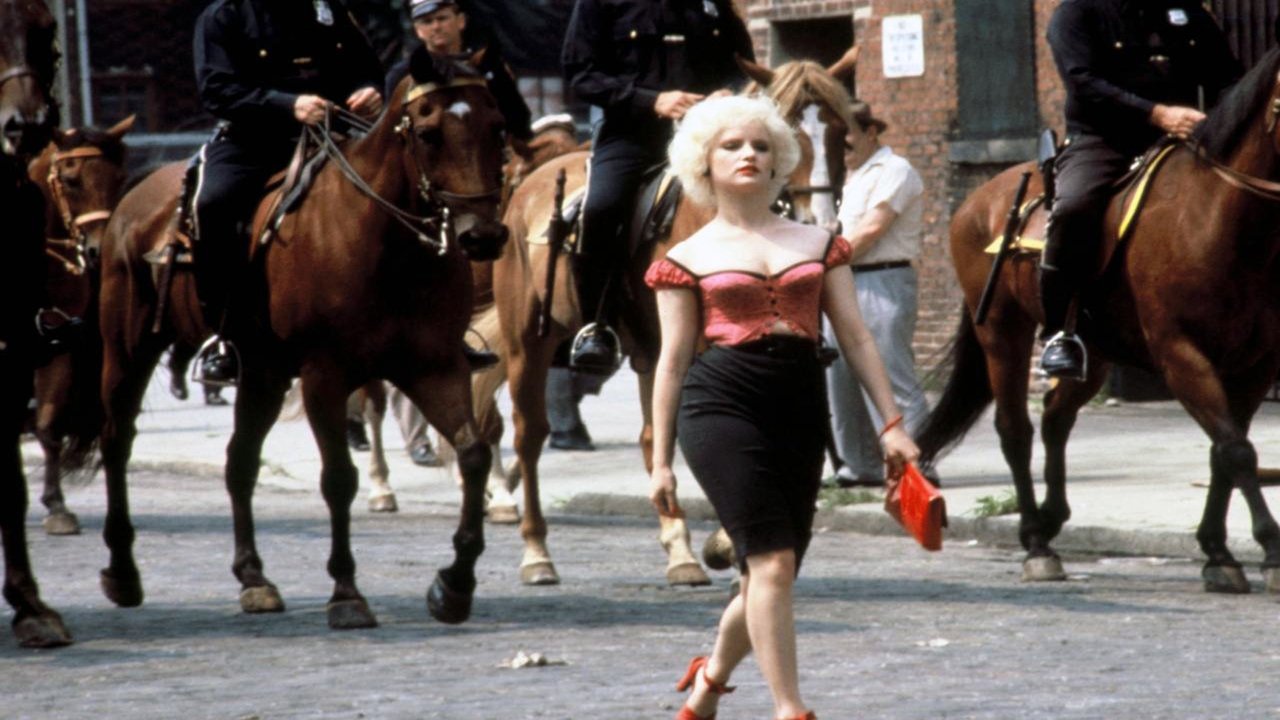
What truly elevates Last Exit to Brooklyn beyond mere grim portrayal are the performances, particularly that of Jennifer Jason Leigh as Tralala, the young sex worker navigating this predatory world. Leigh delivers a performance of astonishing bravery and vulnerability. She doesn’t shy away from the character's harsh edges or the grim realities of her existence, yet she imbues Tralala with a flickering humanity that makes her fate all the more devastating. It’s a raw, committed portrayal that reportedly involved Leigh immersing herself in the world the film depicts, and it stands as one of the most powerful performances of the late 80s – utterly magnetic and deeply unsettling.
Equally compelling is Stephen Lang as Harry Black, the union shop steward wrestling with his repressed homosexuality in a hyper-masculine environment. Lang captures Harry's internal conflict with a quiet intensity that’s heartbreaking. His journey from a position of perceived power to utter degradation is a central, tragic pillar of the film. And then there's Burt Young, perfectly cast as the brutish strike leader Big Joe, embodying the casual cruelty and ignorance that permeates this world. Even smaller roles, like Jerry Orbach’s weary union official or Alexis Arquette’s sensitive portrayal of the trans character Georgette, feel authentic and lived-in, adding layers to this bleak tapestry.
Crafting the Concrete Jungle
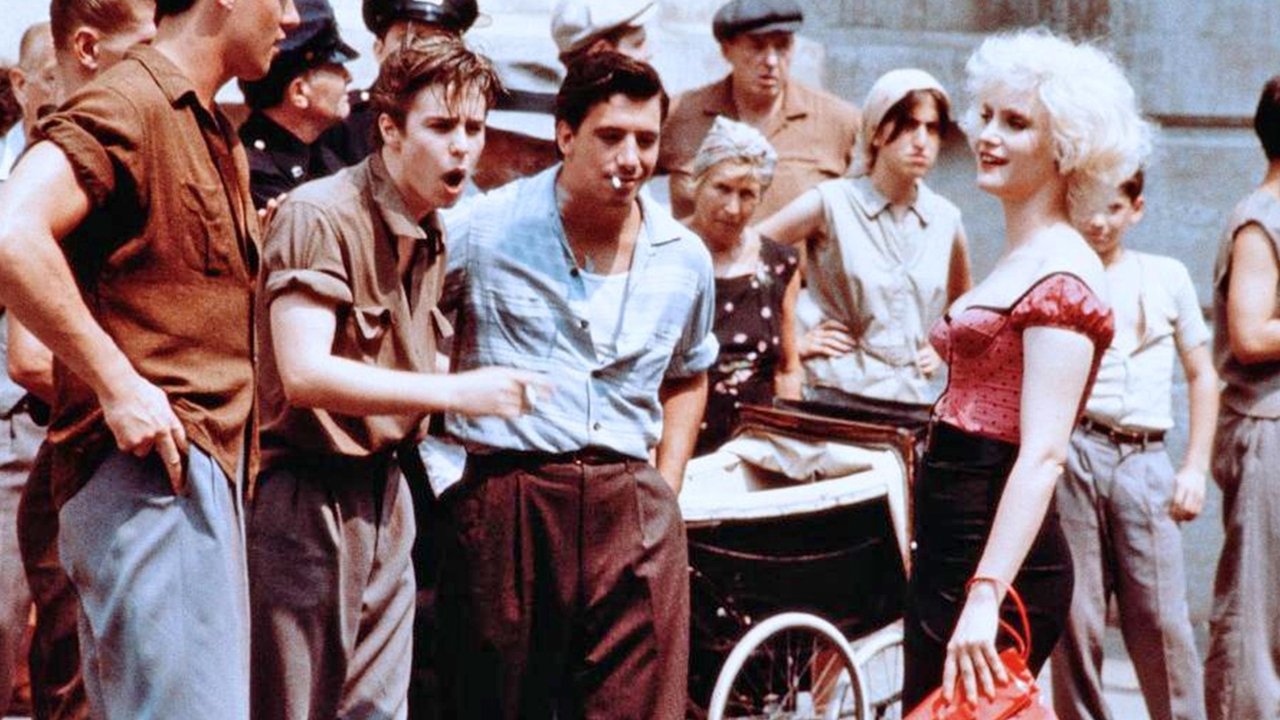

Director Uli Edel doesn't just depict squalor; he makes you feel it. The cinematography often employs a muted, desaturated palette, emphasizing the grime and lack of hope. There's a claustrophobia to the settings, whether it's the cramped apartments or the menacingly dark streets. The violence, when it erupts, is sudden, ugly, and devoid of cinematic glamour. Edel refuses to look away, forcing the viewer to confront the consequences of desperation and unchecked rage. This commitment to realism was crucial; the production painstakingly recreated the look and feel of 1950s Red Hook, Brooklyn, ensuring the environment itself became a character weighing down on the inhabitants.
Adding immeasurably to the film's power is the score by Mark Knopfler of Dire Straits fame. It's a haunting, melancholic soundtrack that perfectly complements the visuals, weaving through the narrative like a lament for the characters' lost souls. It avoids melodrama, instead opting for an atmospheric dread that underscores the pervasive sense of tragedy.
Why It Lingers
Watching Last Exit to Brooklyn back in the day, perhaps on a grainy VHS copy viewed on a humming CRT, felt like discovering something illicit, something powerful and dangerous. It wasn't an easy watch then, and it isn't now. The film confronts viewers with the ugliest aspects of human behavior – misogyny, homophobia, violence, betrayal – born from poverty and ignorance. There's little redemption offered, no easy answers provided. What does it say about societal structures when men lash out with such fury during a strike? How thin is the veneer of civilization when desperation takes hold? The film leaves these questions hanging heavy in the air long after the VCR clicked off.
Its unflinching portrayal divided critics upon release, lauded for its artistry and performances but condemned by some for its unrelenting bleakness. Yet, its power is undeniable. It’s a film that challenges, provokes, and ultimately, demands empathy for characters living lives most would rather ignore. It stands as a stark reminder that not all cinema from the 80s was about feel-good escapism; some dared to stare into the abyss.
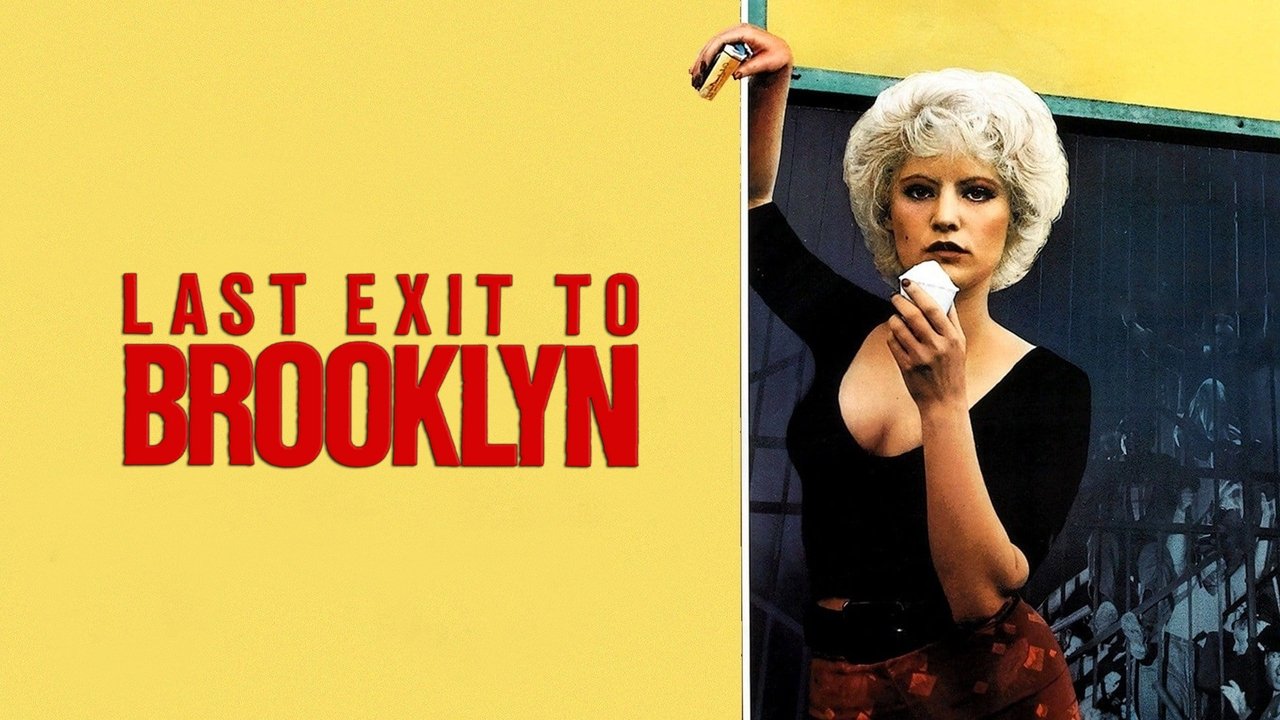
Rating: 8.5/10
This score reflects the film's sheer artistic power, its unforgettable performances (especially Leigh's), and Uli Edel's courageous direction in tackling such difficult source material. The deduction acknowledges its unrelenting bleakness, which makes it a challenging, rather than enjoyable, experience in the conventional sense. It’s a masterful piece of filmmaking, but one that requires a certain fortitude from the viewer.
Last Exit to Brooklyn remains a brutal, necessary piece of cinema – a stark portrait of shattered dreams on the fringes of the American nightmare, its echoes lingering like the mournful notes of Knopfler's guitar.