The year 2000 wasn't just the dawn of a new millennium; it carried a specific, low-humming anxiety. The Y2K bug might have fizzled, but a deeper unease lingered for some, a sense of things shifting, perhaps even ending. It was into this charged atmosphere that Left Behind arrived, not sneaking onto video store shelves, but rather materializing with the force of a phenomenon already in progress, a celluloid extension of a literary juggernaut that had gripped millions. Forget jump scares; the chill this film aimed for was existential, the sudden, horrifying silence of loved ones simply… gone.

The Sound of Silence
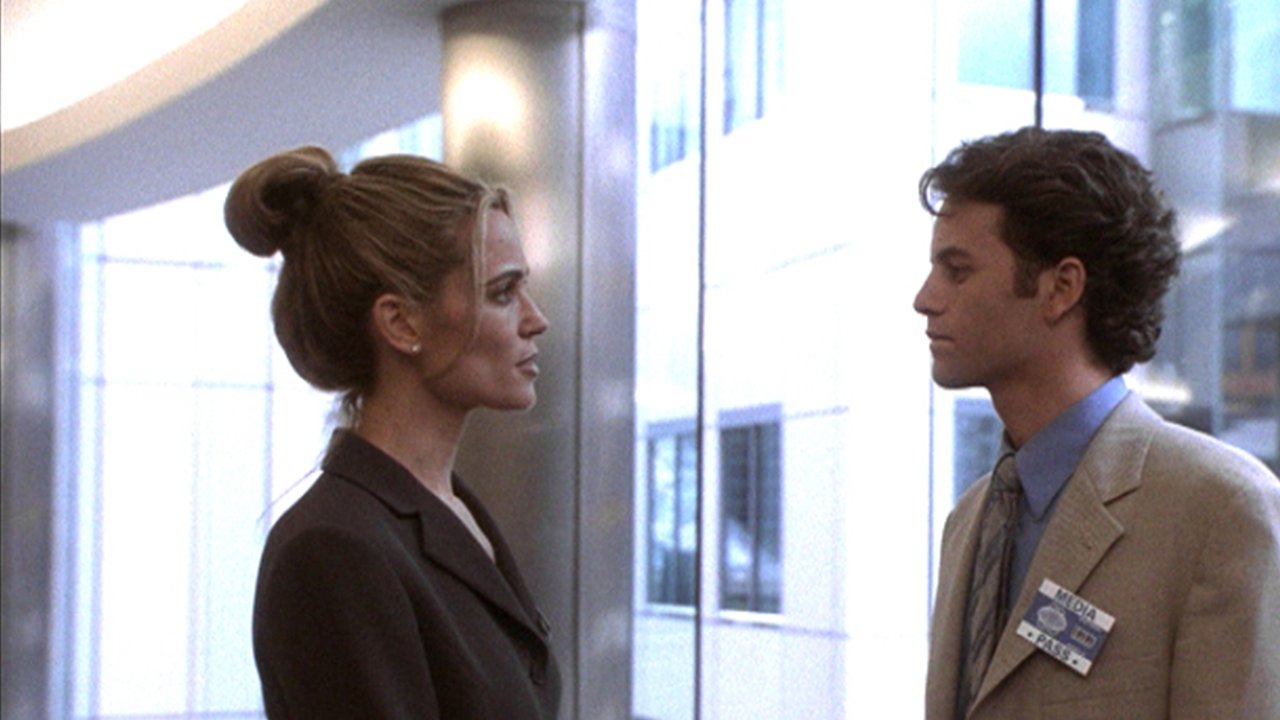
Based on the wildly successful Christian fiction series by Tim LaHaye and Jerry B. Jenkins, the premise is stark and terrifying in its simplicity: the Rapture. Millions vanish instantaneously worldwide, leaving behind only their clothes, possessions, and the bewildered, terrified souls deemed "left behind." The film centers this cataclysm around airline pilot Rayford Steele (Brad Johnson), grappling with a dissolving marriage and a plane full of panicked passengers mid-flight as crew and travelers alike evaporate. On the ground, his daughter Chloe (Janaya Stephens) navigates the terrestrial chaos, while star reporter Buck Williams (Kirk Cameron) chases the biggest, most inexplicable story of all time, one that points towards biblical prophecy and the rise of a charismatic, sinister global leader.
The initial moments depicting the Rapture itself carry a strange, almost clinical horror. There are no beams of light, no angelic choirs – just absence. Empty clothes crumple to the floor, pilotless vehicles careen into disaster, and the dawning realization on the faces of the remaining characters provides the film's most genuinely unsettling sequence. It taps into a primal fear of abandonment and the unknown, amplified by the sheer global scale of the event. Director Vic Sarin, primarily a cinematographer, captures this initial pandemonium with a workmanlike efficiency, letting the concept itself do the heavy lifting.
Faith, Fear, and Famous Faces
For many, Left Behind is inseparable from its star, Kirk Cameron. Decades removed from his teen heartthrob days on Growing Pains, Cameron’s portrayal of Buck Williams cemented his transition into faith-based entertainment. He brings an earnest intensity to the role, a crusading urgency that fits the character’s journalistic drive, even if the dialogue occasionally leans towards the declarative. Brad Johnson provides a more stoic anchor as Rayford, the Everyman pilot forced into extraordinary circumstances. The performances across the board share a certain sincerity, aiming for dramatic weight even when hampered by a script, co-written by Alan B. McElroy (who, in a fascinating career turn, also penned gritty genre fare like Spawn (1997) and Wrong Turn (2003)), that often prioritizes message over nuanced character development.
The film’s production undeniably reflects its origins outside the typical Hollywood system. Made for around $17.4 million – a significant sum for its specific market, but modest by blockbuster standards – it often feels like a high-end television movie from the era. The special effects, particularly the digital compositing of empty clothes and some of the disaster footage, haven’t aged gracefully. Yet, there's a peculiar charm to its limitations. Remember the slightly unconvincing green screen during the airplane sequences? Or the earnest attempts to convey global panic through news reports and stock footage? It’s part of the film’s DNA, a product of its time and budget constraints, much like the slightly fuzzy tracking on a well-loved VHS tape.

A Phenomenon in Plain Sight
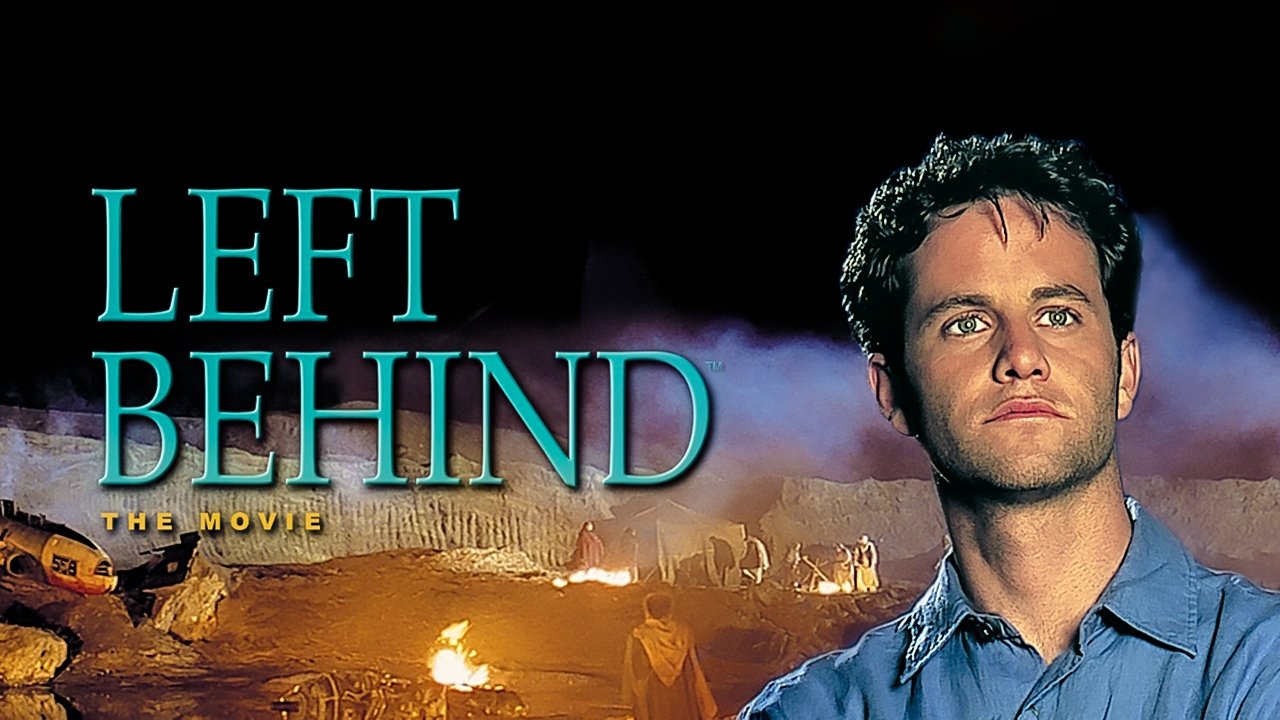
Understanding Left Behind requires acknowledging its specific cultural context. This wasn't just a movie; it was an event for a massive, often underserved, evangelical Christian audience who had devoured the books. Its distribution strategy, including church screenings and direct marketing, bypassed traditional routes and proved incredibly successful within its niche. It reportedly grossed over $4.2 million theatrically despite a limited release, but its real success was in home video sales, becoming a huge rental hit and a fixture in many Christian households. It tapped into pre-existing beliefs and anxieties about the End Times, offering a narrative that was both thrilling and affirming for its target demographic. This film, and the direct-to-video sequels it spawned (Left Behind II: Tribulation Force (2002) being the most notable), represented a significant moment in faith-based filmmaking attempting to mimic mainstream thriller conventions.
Did the film truly capture the bone-deep dread its premise promised? For outsiders, perhaps not. The pacing can feel uneven, caught between character drama, disaster movie tropes, and theological exposition. The antagonist, Nicolae Carpathia, feels more like a sketch of sinister charisma than a fully terrifying Antichrist in this initial outing. Yet, for those attuned to its message, or even just encountering its central conceit with fresh eyes late one night on a flickering CRT, the core idea – the world irrevocably changed in an instant, the familiar suddenly alien – could still land with unnerving force.
Final Judgment
Left Behind is a fascinating artifact. It’s a time capsule of early 2000s anxieties, a testament to the power of niche marketing, and a curious example of faith-based filmmaking striving for mainstream thriller appeal. Judged purely on technical merits, acting nuance, or script sophistication, it falls short of the cinematic heavens. The effects are dated, the dialogue often clunky, and the pacing struggles to balance its various elements.
However, its earnestness is undeniable, and the core concept of the Rapture remains inherently chilling. Its massive success within its intended audience speaks volumes about its cultural resonance at the time. It’s not a great film, but it’s a culturally significant one for a specific demographic, and possesses a certain direct-to-video sincerity (or perhaps unintentional camp value, depending on your perspective) that fits right into the VHS Heaven ethos.
Rating: 4/10
Justification: The score reflects the film's significant technical and narrative flaws (acting, script, effects, pacing) which prevent it from being conventionally 'good'. However, it earns points for its undeniably potent core concept, its earnest (if unsubtle) execution of that concept, its massive cultural impact within its niche market, and its status as a unique turn-of-the-millennium artifact. It delivered exactly what its target audience wanted, even if it stumbled for mainstream viewers.
For many, renting Left Behind back in the day was driven by curiosity as much as anything else – a glimpse into a cultural phenomenon happening just outside the mainstream multiplex. It may not haunt your dreams, but its stark central image of empty clothes and sudden, inexplicable loss lingers as a curious, slightly chilling echo from the Y2K era.