Okay, settle in, fellow tape-heads. Let’s rewind just a little past our usual comfort zone, right to the very cusp of the new millennium – the year 2000. While technically nudging past the 90s, there’s a film that often popped up in the final days of the rental giants, a tape whose cover art promised sweeping historical action and perhaps felt like a natural extension of the epic imports we’d started discovering. I’m talking about the ambitious South Korean production often found under the title Out Live, though many will know it by its original name, Bichunmoo (or sometimes Flying Warriors). It landed just as the world was buzzing about Crouching Tiger, Hidden Dragon, offering a distinctly Korean flavour of martial arts tragedy.
An Epic Canvas, A Turbulent Heart
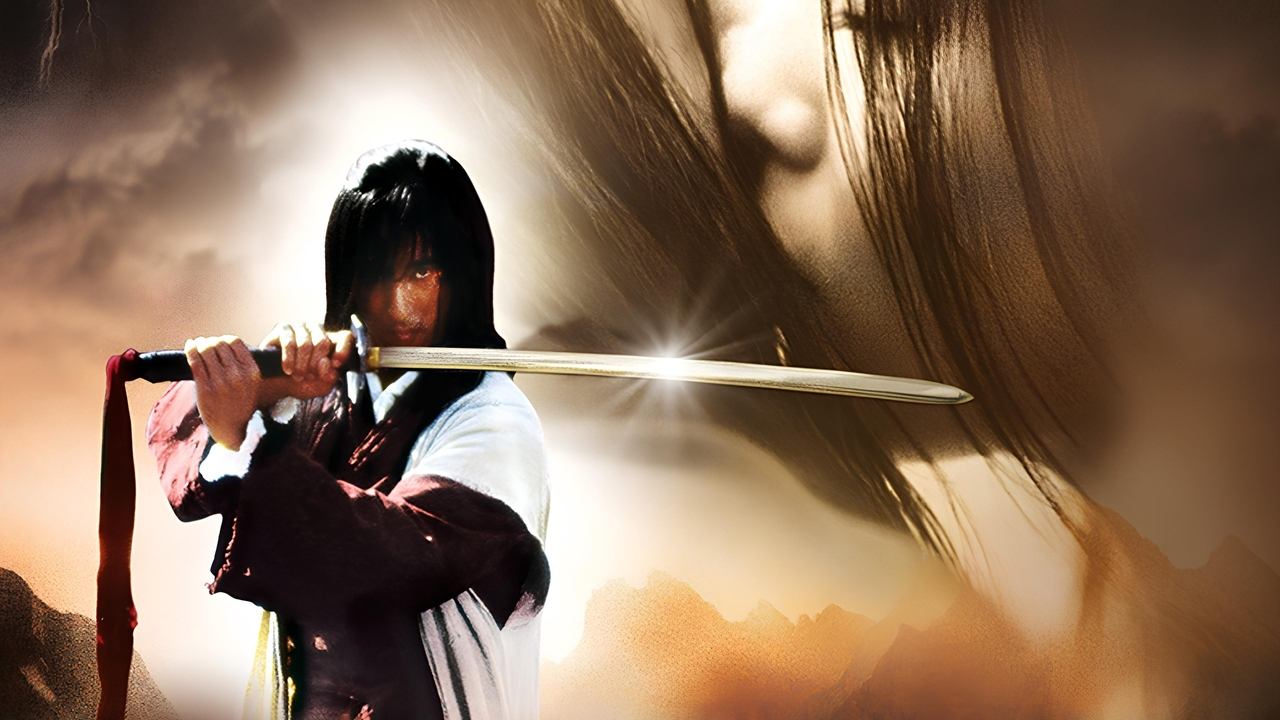
What strikes you first about Bichunmoo is its sheer scale. Directed by Kim Young-jun, who also co-wrote the script based on a popular manhwa (Korean comic) by Kim Hye-rin, the film clearly aimed for the fences. Set in 14th Century China during the Yuan Dynasty's decline, it plunges us into a world of warring factions, Mongolian oppression, and forbidden love. The story centers on Jinha (Shin Hyun-joon), an orphan of Korean descent who inherits the Bichun secret martial arts, and Sullie (Kim Hee-sun), the illegitimate daughter of a Mongolian general. Their childhood bond blossoms into love, inevitably shattered by social standing and political turmoil. It’s a classic setup – star-crossed lovers caught in the gears of history and vengeance – but rendered with a specific kind of Korean historical melodrama that feels both grand and deeply personal.
Visual Flair and Flying Fists
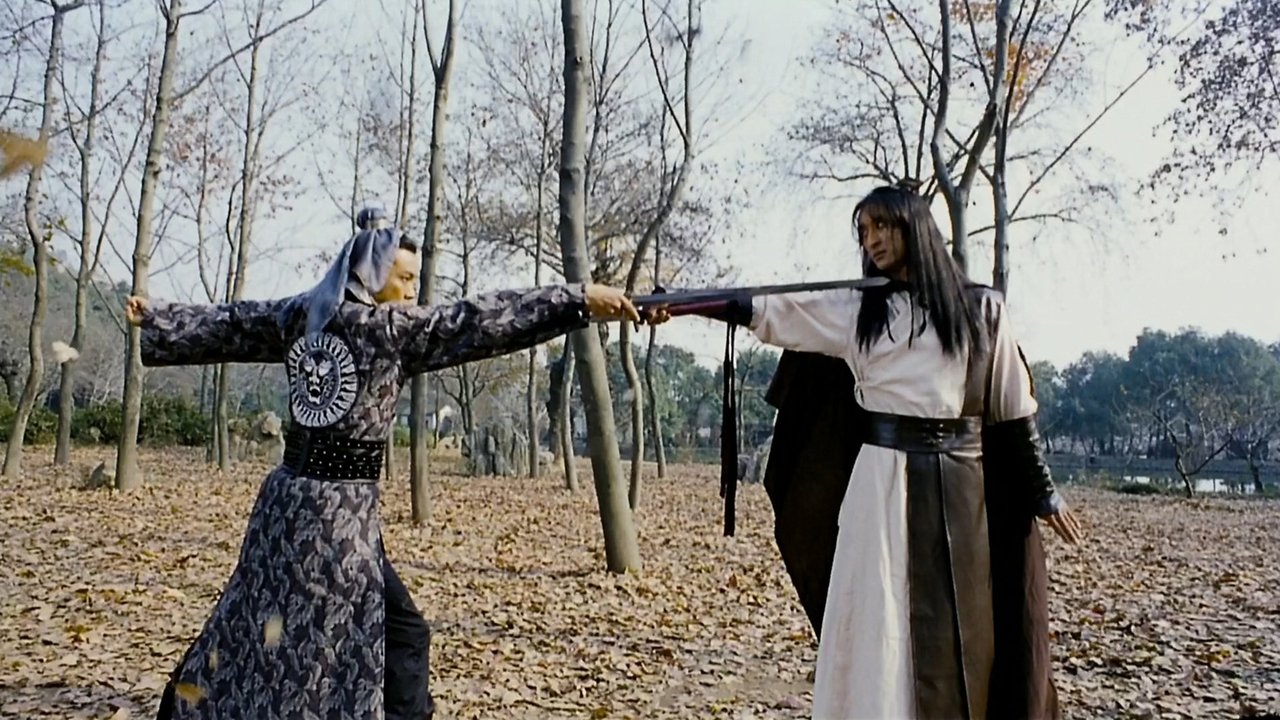
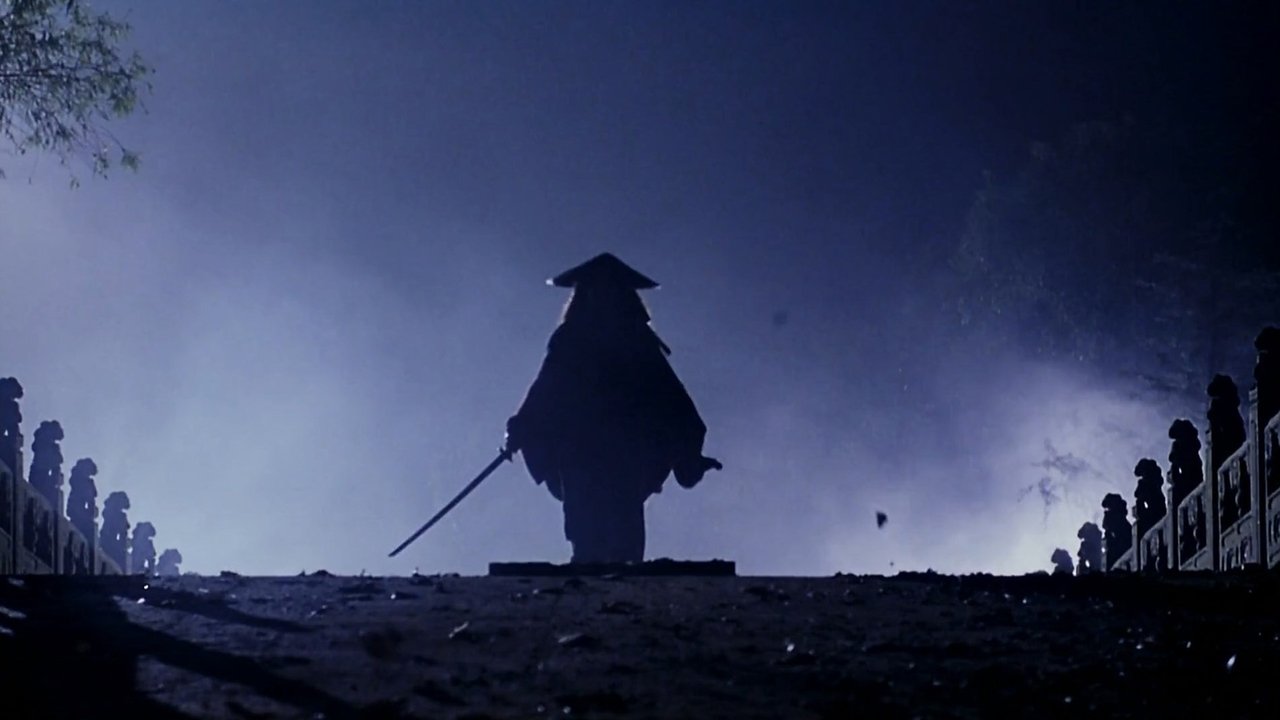
Visually, Bichunmoo is often stunning, especially considering its reported $3.5 million budget – a significant sum for Korean cinema at the time. Director Kim Young-jun throws everything at the screen: sweeping landscapes, elaborate costumes, and kinetic, wire-assisted fight choreography. This was the era where wire-fu was becoming increasingly sophisticated globally, and Bichunmoo embraces it wholeheartedly. The action sequences, while perhaps not possessing the balletic grace Ang Lee achieved the same year, have a raw energy and intensity. You feel the impact, the desperation in the clashes. Watching it on a CRT back in the day, likely pan-and-scanned, you still got a sense of the intended scope, even if some of the widescreen compositions were compromised. The practical effects and set design, striving for historical authenticity mixed with martial arts fantasy, create a tangible world that pulls you in. It wasn’t quite Hong Kong Wuxia, nor was it Hollywood historical epic; it had its own unique, slightly grittier aesthetic.
Echoes of Tragedy in Performance
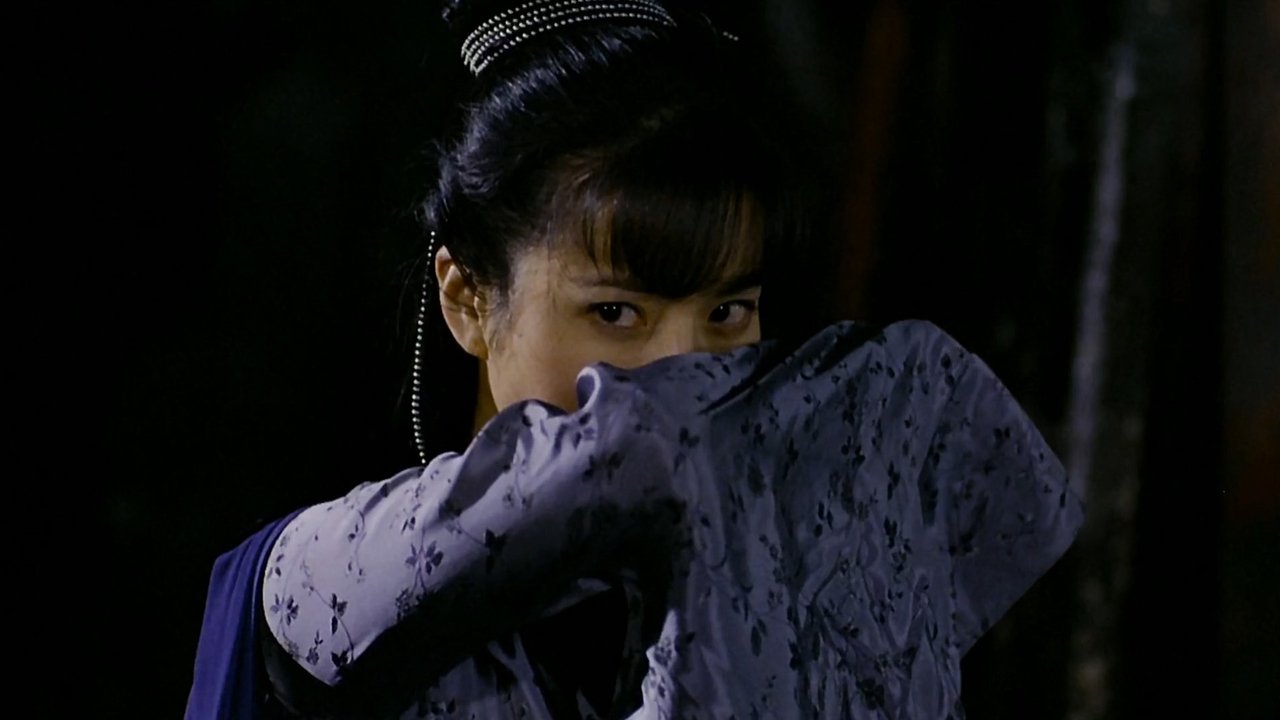
At the core of this sprawling narrative are the performances. Shin Hyun-joon carries the weight of the tormented hero, Jinha, effectively. His journey from naive young lover to embittered, legendary warrior is the film's spine. There’s a brooding intensity to his portrayal that resonates, even when the plot takes convoluted turns. Opposite him, Kim Hee-sun, already a huge star in Korea, embodies the tragic Sullie with ethereal beauty and vulnerability. Their chemistry fuels the film's romantic engine, making their forced separation and later conflicts genuinely poignant. Special mention must go to Jeong Jin-yeong as the ruthless Mongolian commander Taruga, Sullie’s father. He brings a grounded menace to the role, a calculating counterpoint to the more fantastical elements. Their performances elevate the material, grounding the high-flying action in recognisable human emotion – love, loss, betrayal, and the burning desire for revenge.
A Glimpse of the Wave to Come
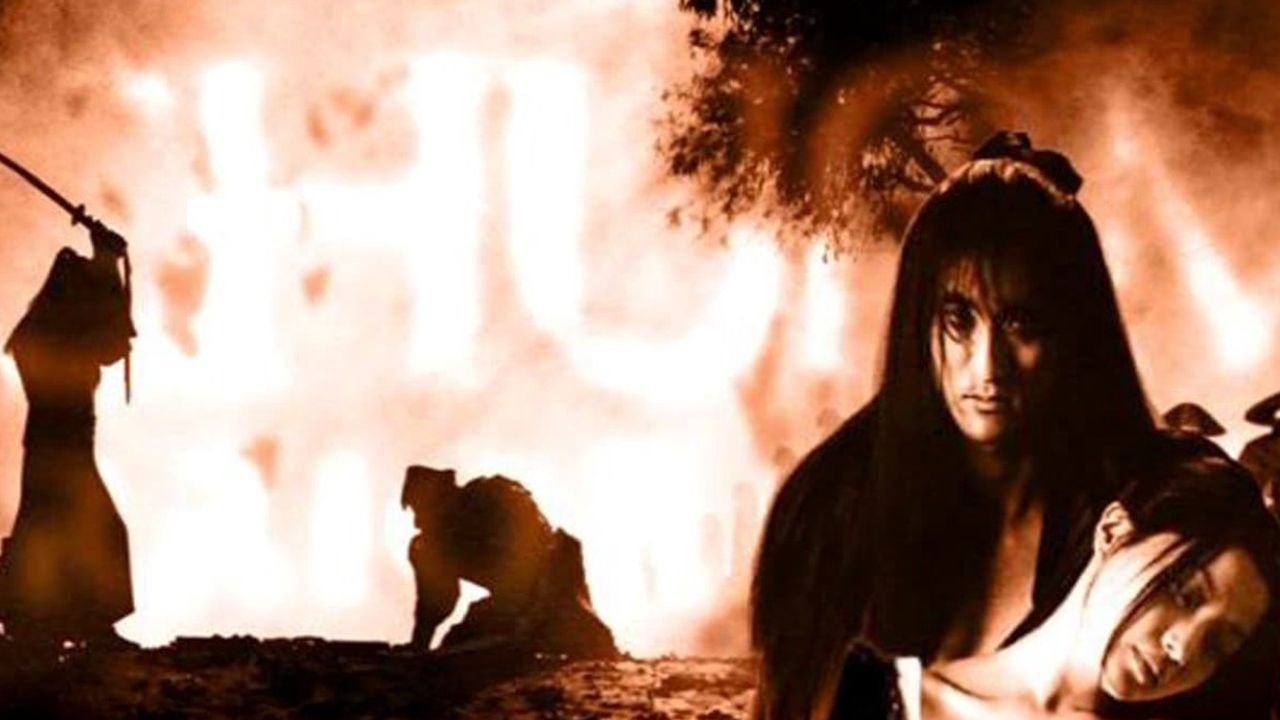
Finding Bichunmoo (or Out Live) felt like uncovering something special back then. It was a prominent example of South Korean cinema reaching for international recognition, a precursor to the Hallyu (Korean Wave) that would soon sweep the globe. While its narrative can sometimes feel overstuffed, juggling numerous characters and subplots drawn from its comic origins, its ambition is undeniable. Some scenes might feel rushed, and the pacing occasionally stumbles under the weight of its own epic aspirations. There were reports that the director battled for creative control, and perhaps some narrative threads got tangled in the process. Yet, the film’s commitment to its tragic vision and its visual spectacle often overcomes these hurdles. It’s a film that feels like a passion project, flaws and all. I remember renting this one, the cover promising something exotic and action-packed, and being drawn into its specific blend of historical drama and high-flying martial arts. It felt different, important somehow.
Final Reflection: A Flawed Gem from the VHS Twilight
Bichunmoo / Out Live isn't a perfect film. Its plot can be dense, and some of the wirework might look a bit dated compared to modern standards. However, its emotional core remains strong, driven by compelling performances and a genuinely tragic love story set against a tumultuous historical backdrop. Its visual ambition and energetic action sequences were impressive for their time and origin, offering a unique experience for Western audiences discovering the burgeoning power of Korean cinema at the tail end of the VHS era. It’s a film that tried to be grand, and largely succeeded in feeling that way, even if the seams occasionally showed.
Rating: 7/10
This score reflects the film's impressive ambition, strong central performances, and memorable visual style within the context of its time and budget, balanced against its sometimes convoluted plotting and occasional pacing issues. It delivered a potent dose of tragic romance and martial arts spectacle that stood out on the rental shelves.
What lingers most after watching Bichunmoo again isn't just the stylised action, but the melancholic weight of destiny and forbidden love. It’s a reminder that epic stories can be found beyond Hollywood, and that the twilight of the VHS age still held thrilling discoveries from across the globe. Didn't finding tapes like this feel like uncovering a secret treasure map?