Alright, rewind your minds with me. Picture this: You're wandering the aisles of the local video store, maybe on a Friday night. The fluorescent lights hum, the smell of plastic cases and maybe slightly stale popcorn hangs in the air. You stumble upon a cover – maybe slightly worn, maybe luridly coloured – depicting ghostly figures, swords, and maybe a hint of romance. You take a chance on A Chinese Ghost Story (倩女幽魂), pop it in the VCR later that night, and... whoa. What was that?

This wasn't your typical Hollywood fare. Released in 1987, A Chinese Ghost Story hit screens like a whirlwind romance colliding with a supernatural kung fu battle, all wrapped in ethereal gauze and splashed with vibrant colour. Directed by action choreographer extraordinaire Ching Siu-tung (who masterminded the incredible action in films like Hero (2002) and Shaolin Soccer (2001)) and famously produced by the visionary Tsui Hark (whose fingerprints are all over its kinetic energy, much like his own Zu Warriors from the Magic Mountain (1983)), this film remains a cornerstone of Hong Kong fantasy cinema, a glorious explosion of genres that feels both utterly unique and charmingly of its time.
### Spirits, Swords, and Scholars
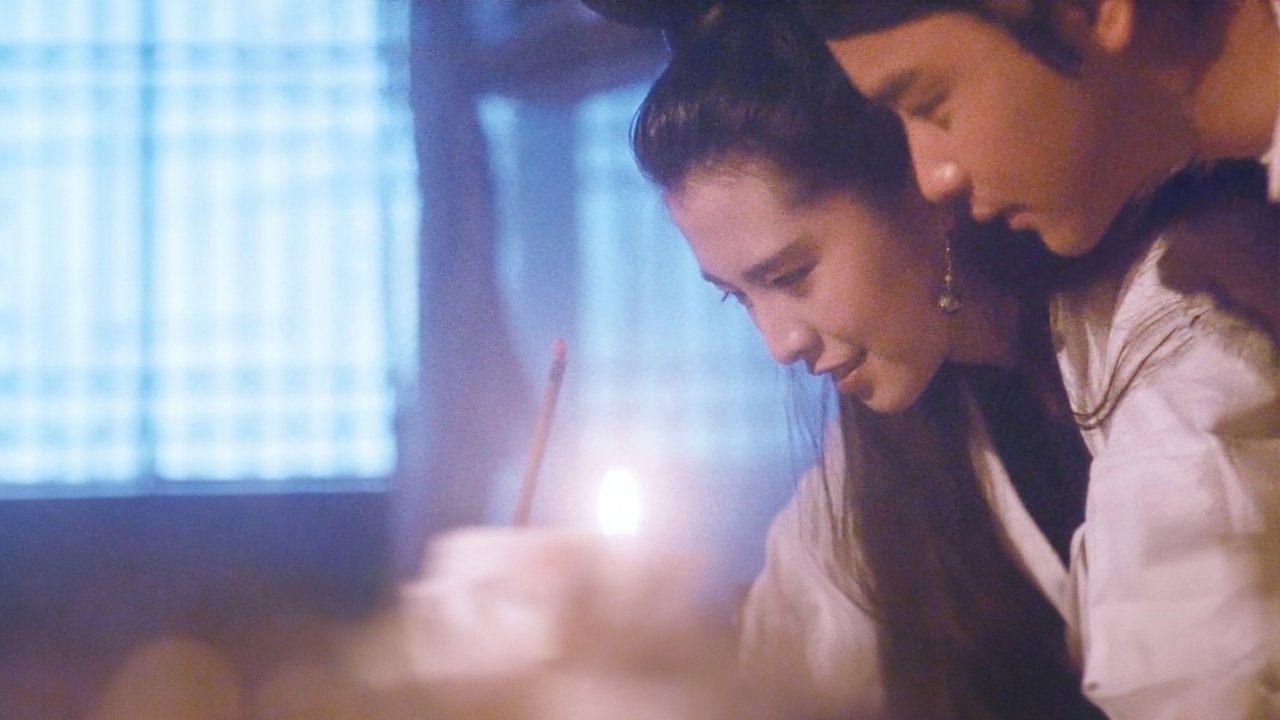
The setup is classic folklore filtered through a distinctly 80s Hong Kong lens. We follow the endearingly naive scholar Ning Choi-san, played with pitch-perfect innocence and vulnerability by the legendary Cantopop star and actor Leslie Cheung. Seeking shelter for the night, he stumbles upon the spooky Orchid Temple, ignoring warnings about spectral inhabitants. It's there he encounters the ethereally beautiful Nip Siu-sin, portrayed by Joey Wong in a career-defining role that instantly cemented her as an icon of otherworldly grace. Their connection is immediate, magnetic, but complicated by the tiny fact that she's, well, a ghost, bound to serve a malevolent Tree Demon with a terrifyingly long tongue.

Enter Yin Chik-ha, a scruffy, demon-slaying Taoist priest played with gruff charm and surprising depth by the veteran Wu Ma. He’s initially suspicious of Ning but soon becomes an unlikely ally in the fight against spectral forces. The dynamic between the gentle scholar, the beautiful ghost, and the world-weary warrior forms the heart of the film, a surprisingly potent blend of romance, supernatural horror, and buddy-action comedy.
### Wire-Fu Wizardry and Practical Pandemonium
Let's talk about the action because, oh boy, does A Chinese Ghost Story deliver. This is pure, unadulterated practical effects mayhem, Hong Kong style. Forget slick CGI – we're talking about elaborate wire-work ("wire-fu") that sends actors soaring through the air, dodging spectral energy blasts and clashing swords in frantic ballets of motion. Remember how real those moments felt, even with the visible wires sometimes? Ching Siu-tung orchestrates these sequences with incredible invention. The fights aren't just about impact; they're about speed, agility, and a kind of chaotic beauty.
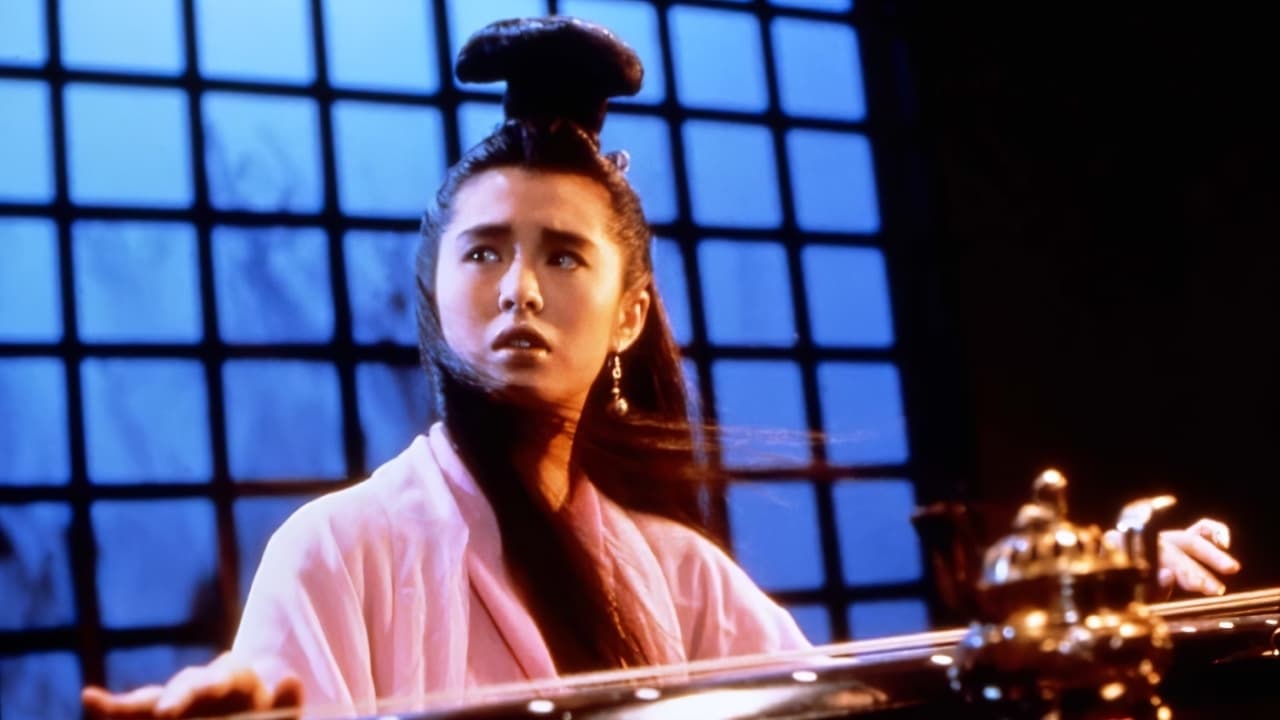
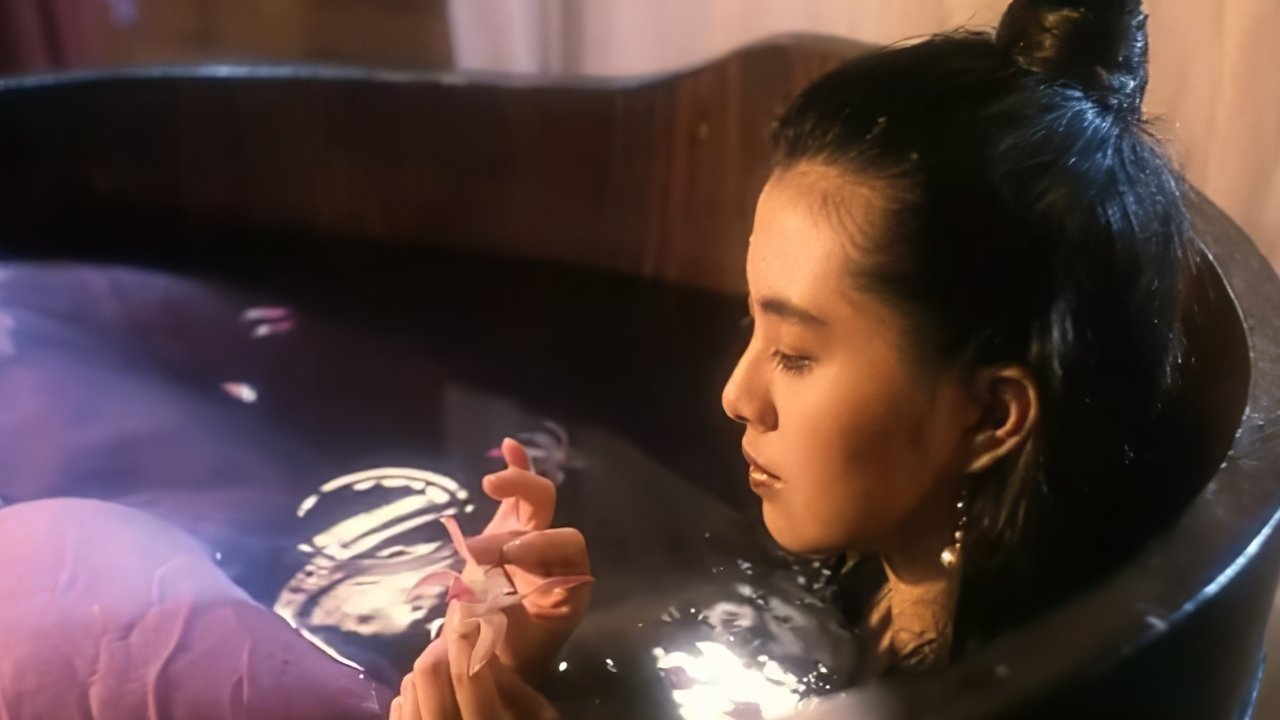
The ghostly effects themselves are a marvel of practical ingenuity. Flowing silks suggest spectral forms, clever lighting creates eerie glows, and the monstrous Tree Demon (voiced with guttural menace) is a triumph of puppetry and animatronics that feels genuinely threatening. There's a tangibility to it all, a sense of real objects and performers interacting in fantastical ways. Think about that infamous bath scene – seductive, dangerous, and full of ghostly limbs realised through pure physical performance and camera tricks. It’s a testament to the filmmakers' creativity, working within the technical limitations of the time to produce something truly memorable. It's fascinating to know that the film was a significant box office success in Hong Kong and across Asia, proving audiences were hungry for this kind of high-energy fantasy spectacle.
### A Timeless Tale, Charmingly Dated
Does it feel dated? Of course, in some ways. The pacing can be relentlessly frantic, the humour occasionally broad, and some of the effects might elicit a chuckle now compared to modern blockbusters. But that's part of the charm, isn't it? It wears its 80s heart on its sleeve. The synthesizer score, while effective, screams its era. The blend of slapstick comedy, genuine horror, touching romance, and high-flying action feels uniquely Hong Kong, a cinematic ecosystem that wasn't afraid to throw everything at the wall and see what stuck – and here, almost everything did.
Leslie Cheung brings a sensitivity that grounds the film, making Ning’s plight relatable amidst the supernatural chaos. Joey Wong is simply captivating, embodying both vulnerability and ethereal power. And Wu Ma’s Taoist priest is the grizzled anchor, delivering exposition and Daoist spells with equal conviction. It’s a perfect storm of casting, direction, and sheer creative audacity. Interestingly, Joey Wong wasn't the first choice; Japanese actress Akina Nakamori was initially sought after, inspired by the drawing in the source material, but Wong's screen test ultimately won the producers over.
### The Verdict
A Chinese Ghost Story is more than just a nostalgic trip; it's a vibrant, inventive, and wildly entertaining piece of filmmaking that showcases the unique energy of 80s Hong Kong cinema at its peak. It masterfully blends genres, delivers stunning practical action sequences, and tells a timeless story of love against impossible odds. The film spawned sequels and remakes, none quite capturing the lightning-in-a-bottle magic of the original, solidifying its place as a cult classic cherished by fans worldwide.
Rating: 9/10
This rating reflects the film's incredible energy, groundbreaking blend of genres for its time, iconic performances, and masterful use of practical effects and wire-fu wizardry. It’s a near-perfect encapsulation of Hong Kong fantasy filmmaking, losing only a point for pacing that might feel slightly too breakneck for some modern viewers, but its charm and inventiveness are undeniable.
Final Thought: Forget polished pixels; this is the glorious, tangible magic of silk ghosts, flying swordsmen, and pure cinematic adrenaline – a spectral romance that kicks harder than most modern action flicks, straight from the golden age of VHS rentals. Still bewitching after all these years.