It arrived almost like a rumour whispered on the wind at first, didn't it? A martial arts film, spoken in Mandarin, that wasn't just action-packed but… beautiful? Poetic? Deeply melancholic? For many of us browsing the shelves of Blockbuster or the local video store around the turn of the millennium, Crouching Tiger, Hidden Dragon (2000) felt like something utterly unexpected. It landed just as VHS was giving way to DVD, yet its impact reverberated through those rental aisles, demanding attention alongside the usual Hollywood fare. It wasn't just another action flick; it felt like an event, a piece of cinematic art smuggled onto the "New Releases" wall.
A Different Kind of Legend
Directed by Ang Lee, a filmmaker already known for his versatility with films like Sense and Sensibility (1995) and The Ice Storm (1997), Crouching Tiger took the wuxia genre – tales of martial artists in historical China – and elevated it into something universally resonant. Based on the fourth novel in a series by Wang Dulu, the screenplay (co-written by James Schamus, Wang Hui-ling, and Tsai Kuo-Jung) wasn't merely about stolen swords and legendary warriors. It delved into profound themes: duty versus desire, freedom versus societal constraint, the weight of unspoken love, and the consequences of choices made long ago. The Qing Dynasty setting felt authentic, yet the emotions were timeless, echoing dilemmas we still grapple with.
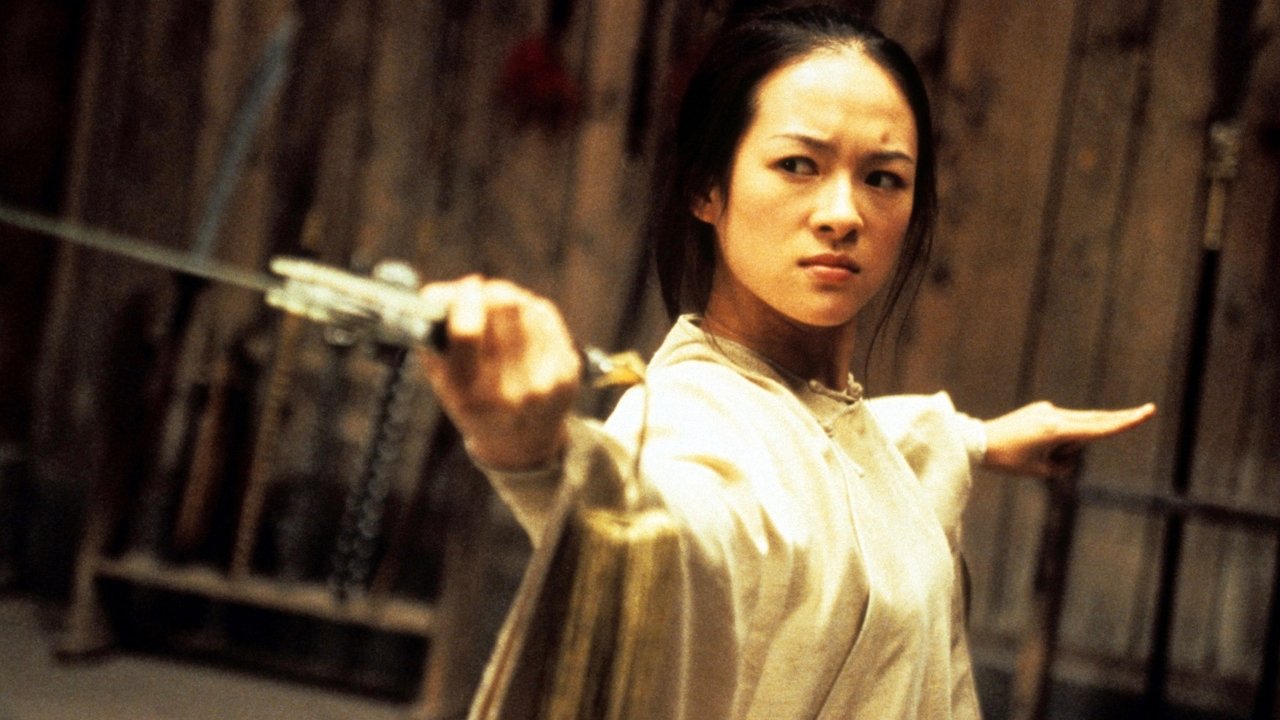
The story centers around the legendary Green Destiny sword, belonging to the master warrior Li Mu Bai (Chow Yun-Fat). When he decides to retire, entrusting the sword to his long-time friend and unspoken love Yu Shu Lien (Michelle Yeoh), it's stolen by a masked thief. This thief is revealed to be Jen Yu (Zhang Ziyi), a governor's daughter betrothed to another but yearning for the adventurous life of the martial underworld, secretly trained by the villainous Jade Fox (Cheng Pei-pei). What unfolds is a complex tapestry of honour, betrayal, mentorship, and tragically suppressed passion.
Gravity-Defying Grace
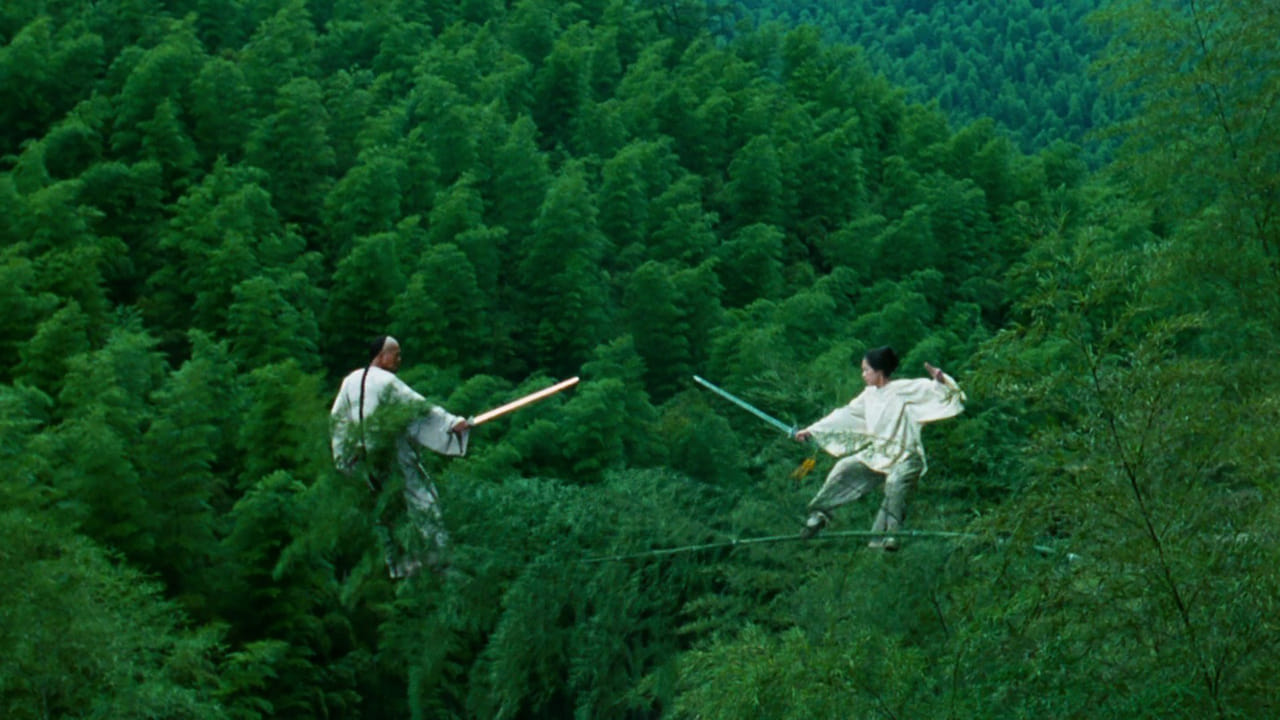
Of course, you can't discuss Crouching Tiger without mentioning the breathtaking fight choreography by the legendary Yuen Woo-ping (whose stunning work we already knew from The Matrix the year before). But here, the wirework wasn't just about impossible feats; it was integrated into the film's very soul. Remember that first rooftop chase? It felt less like a fight and more like a ballet performed across the moonlit tiles. And the iconic bamboo forest sequence – warriors gliding and dueling amidst the rustling green stalks – remains one of cinema's most indelible images. It possessed a dreamlike quality, suggesting the characters' mastery transcended mere physical limitations, becoming an extension of their spirit.
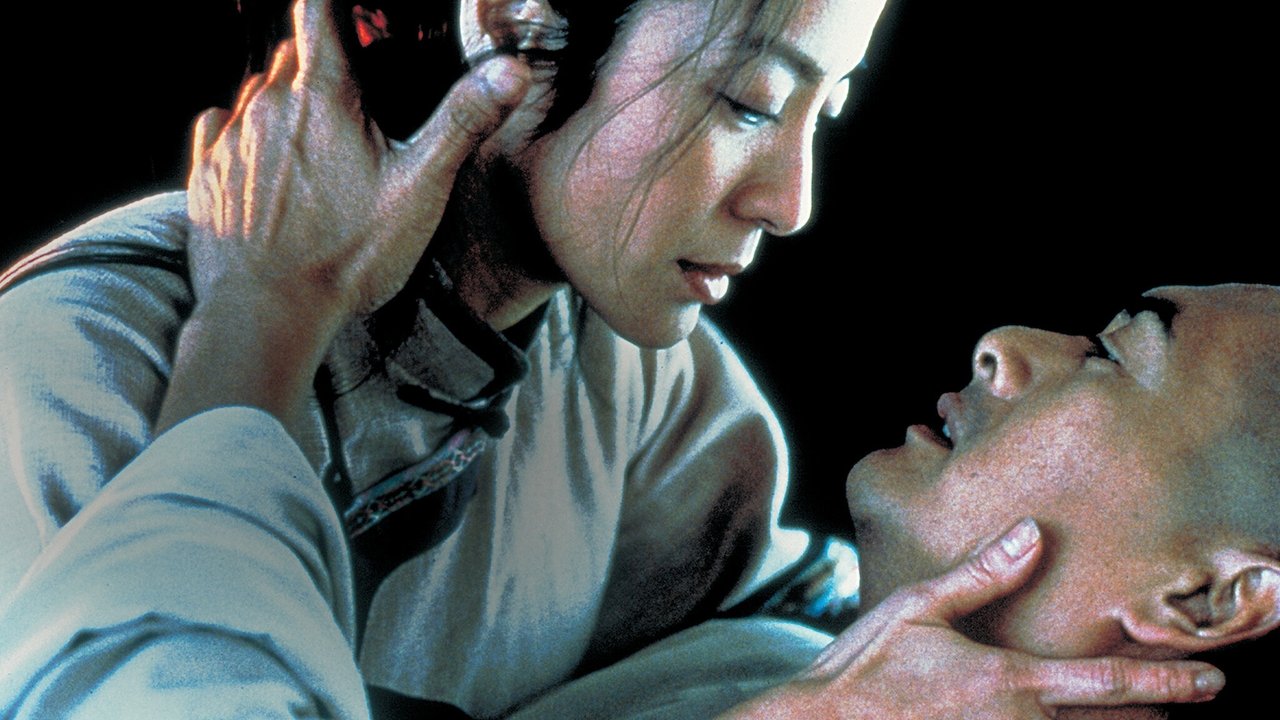
Achieving this ethereal quality wasn't easy. The wirework was notoriously difficult and demanding for the actors. Michelle Yeoh, already a seasoned action star, tragically tore her ACL during a stunt sequence, halting production while she recovered. It's a testament to her dedication, and Lee's vision, that she returned to deliver such a nuanced and physically commanding performance. You feel the history, the restraint, and the deep affection between her Shu Lien and Chow Yun-Fat's Mu Bai in every shared glance, every carefully chosen word.

Heartbreak Behind the Stoicism
The performances are central to the film's enduring power. Chow Yun-Fat, known internationally for his charismatic action roles in films like John Woo's The Killer (1989), brings a profound weariness and dignity to Li Mu Bai. It's a performance steeped in regret and unspoken longing. Interestingly, Chow, a Cantonese speaker, had to learn his Mandarin lines phonetically, a significant challenge he reportedly found more taxing than the intricate fight scenes. Yet, his portrayal of a master contemplating the end of his path is utterly convincing.
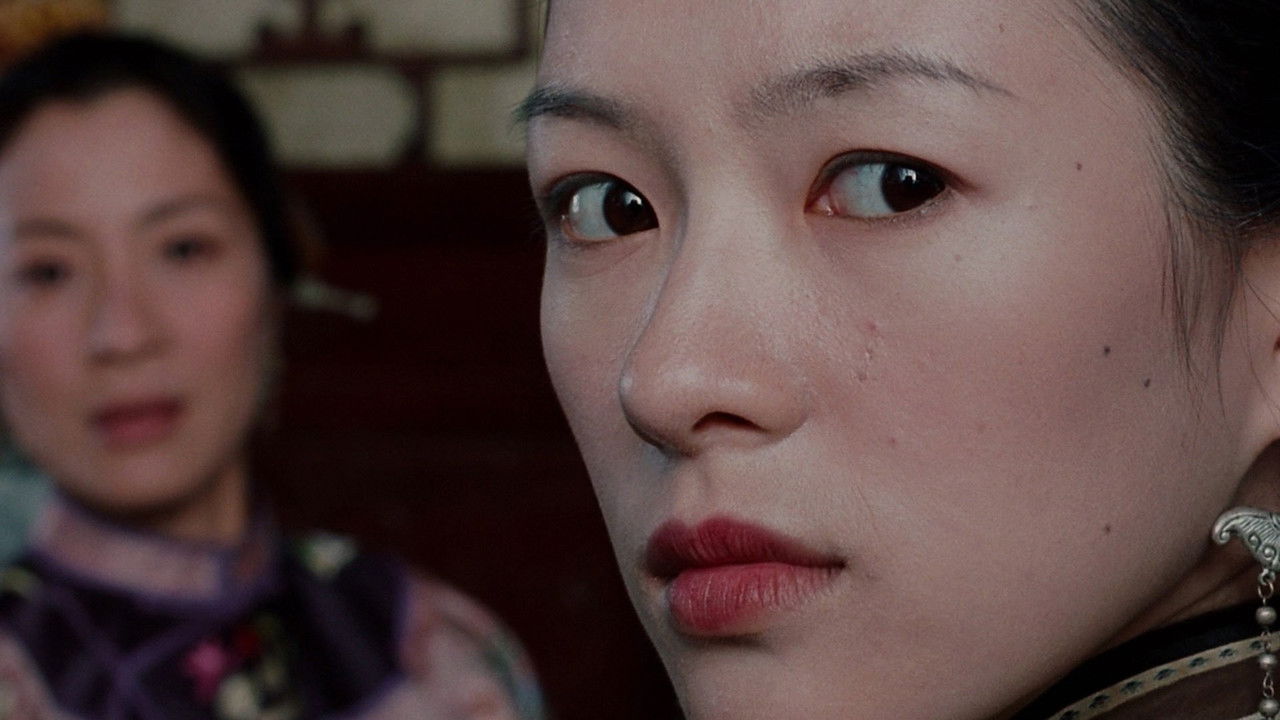
Michelle Yeoh is simply magnificent as Yu Shu Lien. She embodies strength, grace, and a heartbreaking sense of duty that keeps her from expressing her true feelings for Mu Bai. Her stoicism masks a deep well of emotion, conveyed through subtle expressions and posture. And then there's Zhang Ziyi in her breakout international role as Jen Yu. She perfectly captures the character's youthful arrogance, fierce independence, and underlying vulnerability. Jen isn't simply a spoiled aristocrat; she's a whirlwind of conflicting desires, trapped between societal expectations and her own potent abilities. It’s hard to believe now, but Zhang wasn't the first choice; Ang Lee initially considered Shu Qi, but Zhang ultimately won the demanding role, embodying Jen's fiery spirit.
More Than Just Kicks and Swords
Crouching Tiger, Hidden Dragon wasn't just a critical darling; it was a global phenomenon. Made on a relatively modest budget of around $17 million (roughly $30 million today), it grossed over $213 million worldwide (nearly $380 million adjusted for inflation), becoming the highest-grossing foreign-language film in American history at the time. Its success wasn't just financial; it smashed cultural barriers. Nominated for a staggering ten Academy Awards, it won four, including Best Foreign Language Film, Best Art Direction, Best Original Score (the haunting cello score by Tan Dun is unforgettable), and Best Cinematography (Peter Pau's visuals are painterly). This unprecedented Oscar recognition brought wuxia cinema firmly into the Western mainstream consciousness.
It proved that audiences were receptive to subtitled films if the storytelling and emotional core were strong enough. It reminded us that action could be poetry, that spectacle could serve deep thematic purpose. I remember renting that VHS tape, perhaps one of the last truly major event films I experienced primarily through that format before the DVD tide fully turned. There was a buzz around it, a sense that you had to see what everyone was talking about. And it delivered something far richer and more moving than mere hype.
---
Rating: 9.5/10
This score reflects the film's masterful blend of breathtaking action, profound emotional depth, stunning visuals, and superb performances. It's a landmark achievement that elevated its genre and captivated the world. The slight deduction acknowledges that the intricate plot, rooted in wuxia novel conventions, can occasionally feel dense for newcomers, but this is a minor quibble in the face of its overall artistry.
Crouching Tiger, Hidden Dragon remains a singular viewing experience. It’s a film that lingers long after the credits roll, leaving you pondering the choices we make, the loves we hide, and the bittersweet beauty of a world where legends walk—and sometimes fly—among us. What does freedom truly cost? That question echoes as powerfully today as it did across those moonlit rooftops back in 2000.