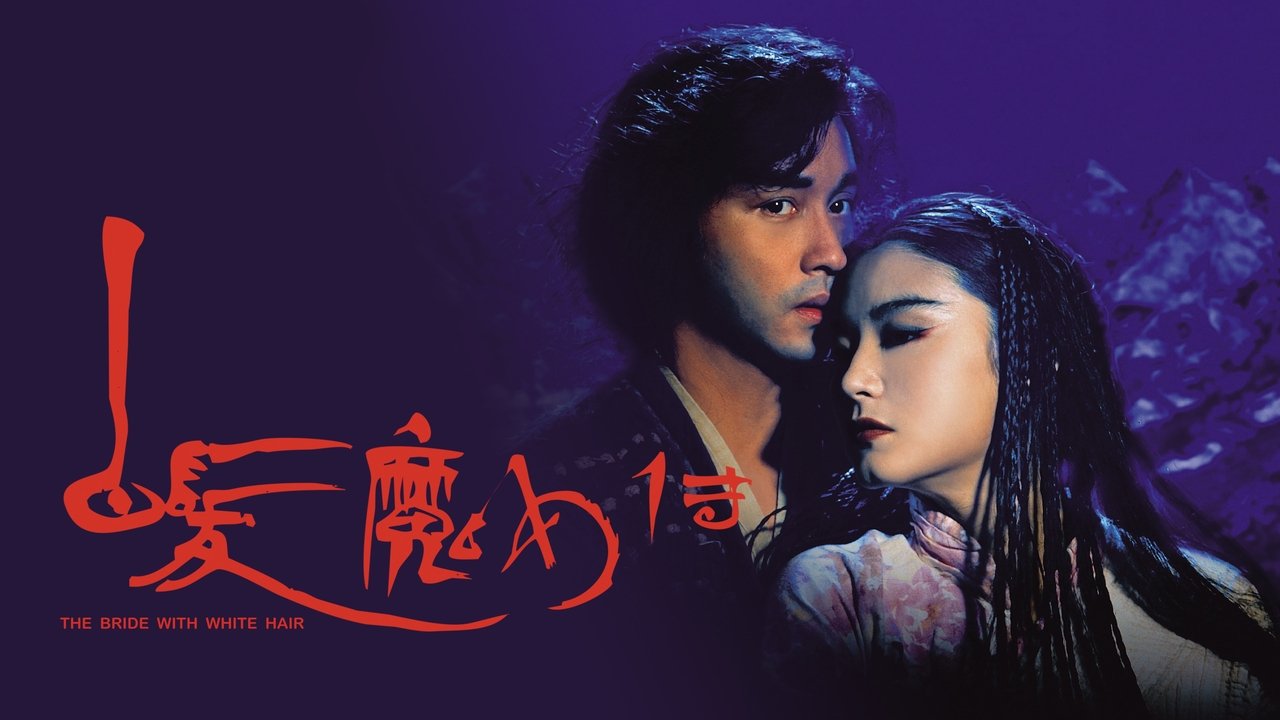
Alright, fellow tape-heads, dim the lights, maybe crack open a soda that expired sometime during the Clinton administration, because tonight we're diving headfirst into a swirling vortex of tragic romance, gravity-defying swordplay, and operatic angst that could only have sprung from the glorious peak of 90s Hong Kong cinema. I’m talking about Ronny Yu's visually staggering masterpiece, The Bride with White Hair (1993). Finding this gem on the shelf back in the day felt like unearthing forbidden treasure – the cover art alone, with Brigitte Lin’s striking, ethereal gaze, promised something far beyond your standard chop-socky fare. And boy, did it deliver.
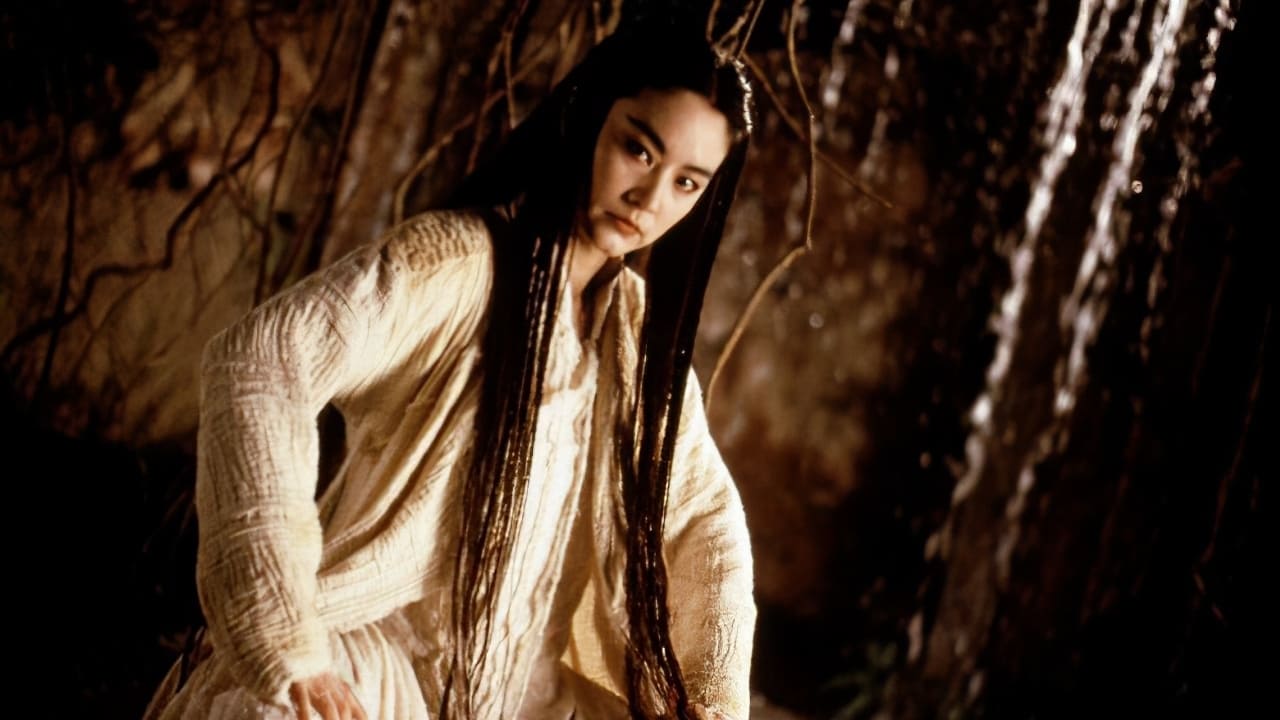
Forget gritty realism for a moment. This film, based loosely on a classic wuxia novel by Liang Yusheng, plunges you into a heightened, dreamlike world. It’s a place where rival clans clash with supernatural fury, love blossoms amidst bloodshed, and betrayal carries consequences so devastating they can literally turn your hair white overnight. At its heart is the doomed love story between Zhuo Yihang (Leslie Cheung, radiating charisma and conflicted sensitivity), the reluctant successor to the virtuous Wudang clan, and the enigmatic Lian Nichang (Brigitte Lin, in a career-defining performance), a deadly warrior raised by wolves and serving a demonic cult. Their forbidden passion is the fuse that ignites an already volatile landscape.
### Love, Betrayal, and Flying Swords
What immediately set The Bride with White Hair apart, even back on a fuzzy CRT screen, was its sheer visual ambition. Director Ronny Yu, who would later bring his distinct style to Hollywood with films like Bride of Chucky (1998) and Freddy vs. Jason (2003), crafts a world dripping with atmosphere. Credit must also go to cinematographer Peter Pau, who rightfully snagged a Hong Kong Film Award for his work here (he'd later win an Oscar for Crouching Tiger, Hidden Dragon). The use of colour, shadow, and baroque sets creates a gothic fairytale aesthetic unlike anything else in the genre at the time. Remember those intense reds and blues? They weren't just colours; they were emotions painted onto the screen.
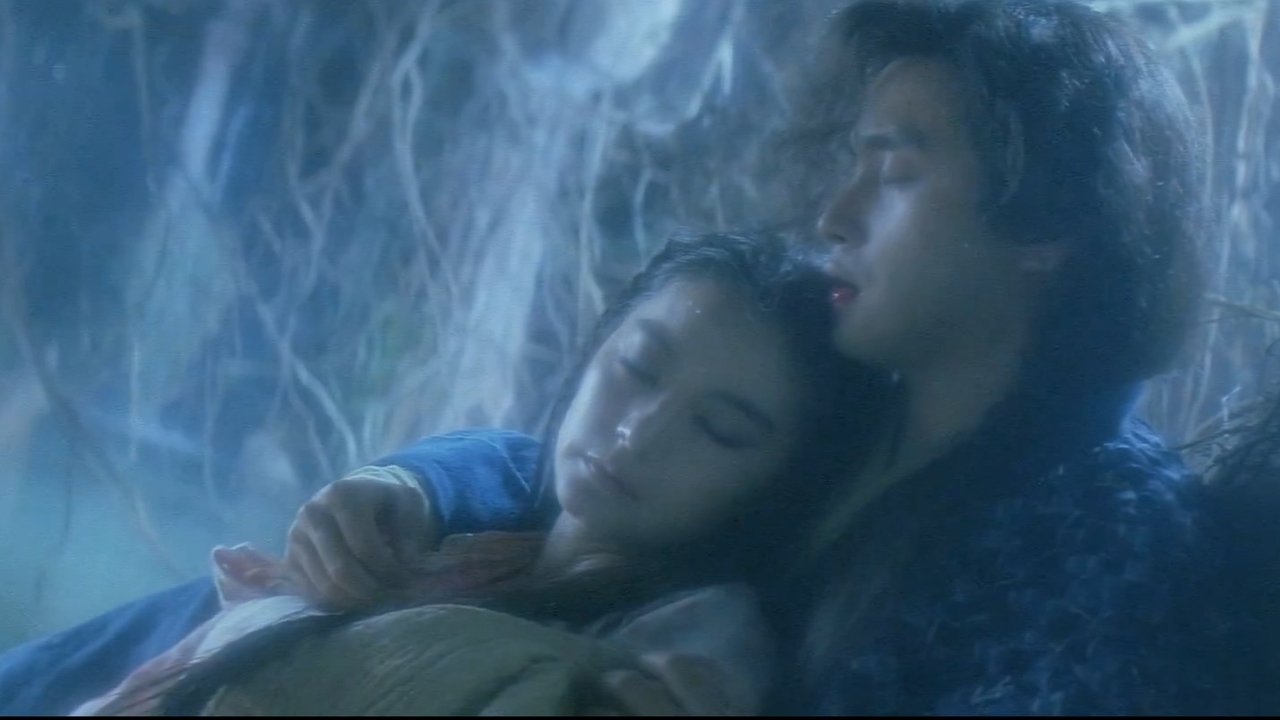
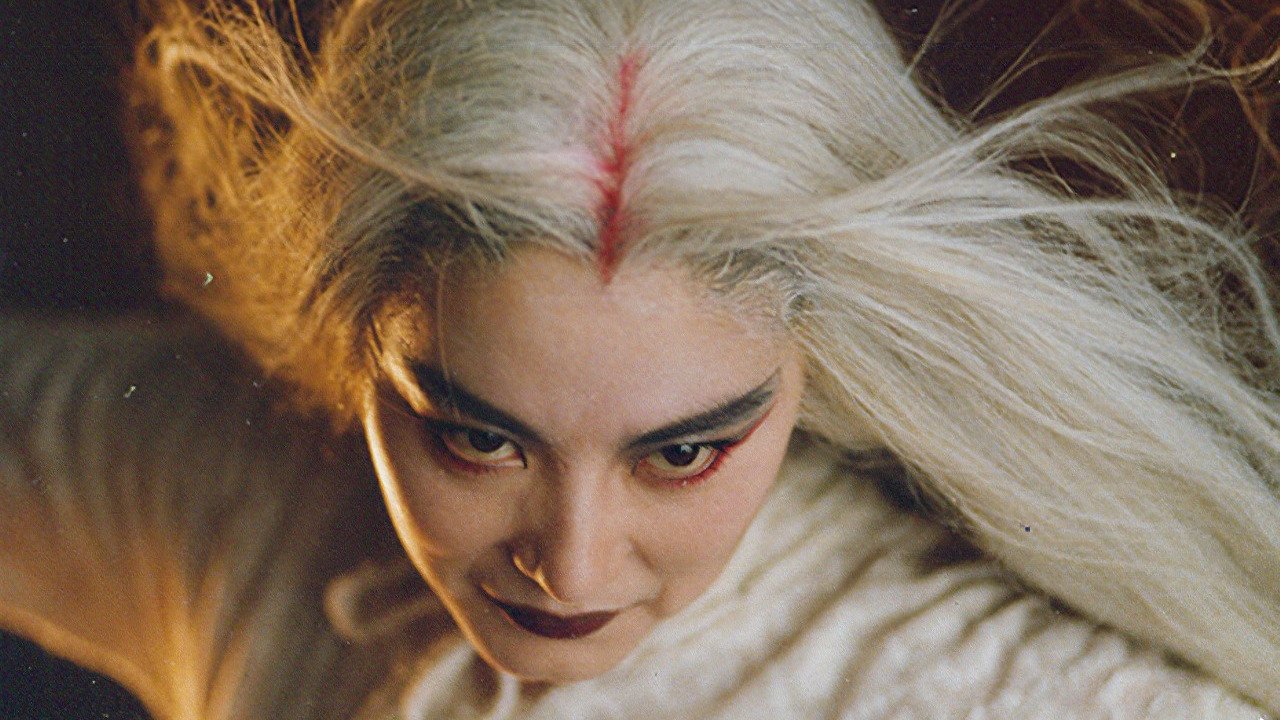
The central performances are magnetic. Leslie Cheung, already a massive Cantopop star and acclaimed actor (check him out in Wong Kar-wai's Days of Being Wild (1990)), perfectly embodies the tormented hero torn between duty and desire. But it’s Brigitte Lin who truly transcends. Already a superstar, her portrayal of Lian Nichang – shifting from fierce protector to wounded lover, and finally to vengeful force of nature – is iconic. Her transformation, triggered by a devastating misunderstanding, is one of cinema's great visual representations of heartbreak. It cemented her status as the androgynous, otherworldly icon of 90s wuxia, building on roles like Asia the Invincible in Swordsman II (1992). And let's not forget Francis Ng chewing the scenery magnificently as one half of the film's primary antagonists, the sinister conjoined twins.
### Wire-Fu Wonders and Practical Punch
Now, let's talk action. This was the era of wire-fu, and The Bride with White Hair took it to operatic heights. Forget today's often weightless CGI figures; the action here, while fantastical, has a tangible quality. When characters soar through moonlit forests or clash blades atop temple roofs, you feel the pull of the wires, the commitment of the stunt performers. It's a ballet of violence, choreographed with an eye for beauty as much as impact. Sure, some of the wire work might look a little more obvious now, but back then? Watching Lian Nichang whip her hair like a deadly weapon or glide effortlessly through the air felt revolutionary.
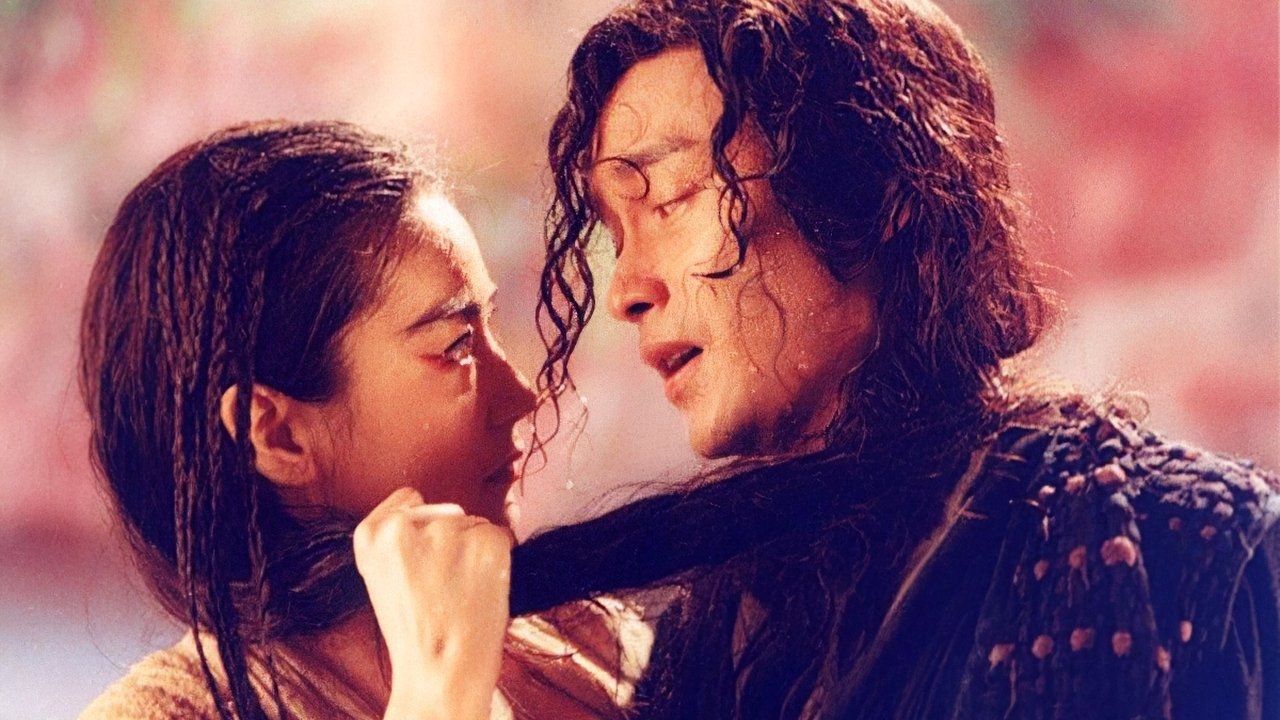
The film expertly blends this stylized combat with good old-fashioned practical effects. Explosions felt real because they were real. The intricate sets, the elaborate costumes (another Hong Kong Film Award win!), the sheer physicality of the performers – it all contributed to an immersive experience that digital effects often struggle to replicate. There’s a raw energy here, a sense of controlled chaos that defined the best Hong Kong action of the period. It was a time when filmmakers pushed practical limits, often on tight schedules and budgets typical of the HK industry, creating movie magic through sheer ingenuity and daring.
### A Wuxia Legend is Born
Released in 1993, The Bride with White Hair wasn't just a movie; it was a phenomenon in Hong Kong. It resonated deeply with audiences, becoming a significant box office success and sweeping several categories at the awards ceremonies. It arrived during a golden age of wuxia filmmaking, a period where directors like Tsui Hark were reinventing the genre with kinetic energy and wild imagination. The Bride stood out for its potent blend of action, gothic romance, and breathtaking visuals. It was dark, sexy, and unapologetically melodramatic – a potent cocktail that proved irresistible. Its influence can be seen in subsequent fantasy films, both East and West. A sequel, The Bride with White Hair 2, followed quickly the same year, though it didn't quite capture the lightning-in-a-bottle magic of the original.
Watching it today, the film still casts a powerful spell. The pacing might feel different to modern blockbusters, taking its time to build the central romance and the inevitable tragedy. But the emotional core remains incredibly strong, anchored by the unforgettable performances and the sheer artistry on display. It’s a reminder of a time when fantasy filmmaking felt handcrafted, passionate, and thrillingly unique.
Rating: 9/10
Justification: This earns a high score for its groundbreaking visual style, iconic performances (especially Lin's), powerful emotional core, and its status as a defining film of the 90s wuxia renaissance. It flawlessly blends romance, fantasy, and action into a unique, unforgettable experience. While some effects show their age, the artistry and impact remain undeniable.
Final Word: Forget slick, sanitised fantasy – The Bride with White Hair is pure, uncut 90s Hong Kong magic, a tragic opera painted with broad strokes of passion, betrayal, and exquisitely choreographed mayhem. It’s a beautiful bruise of a film that still aches perfectly after all these years. Rewind required.