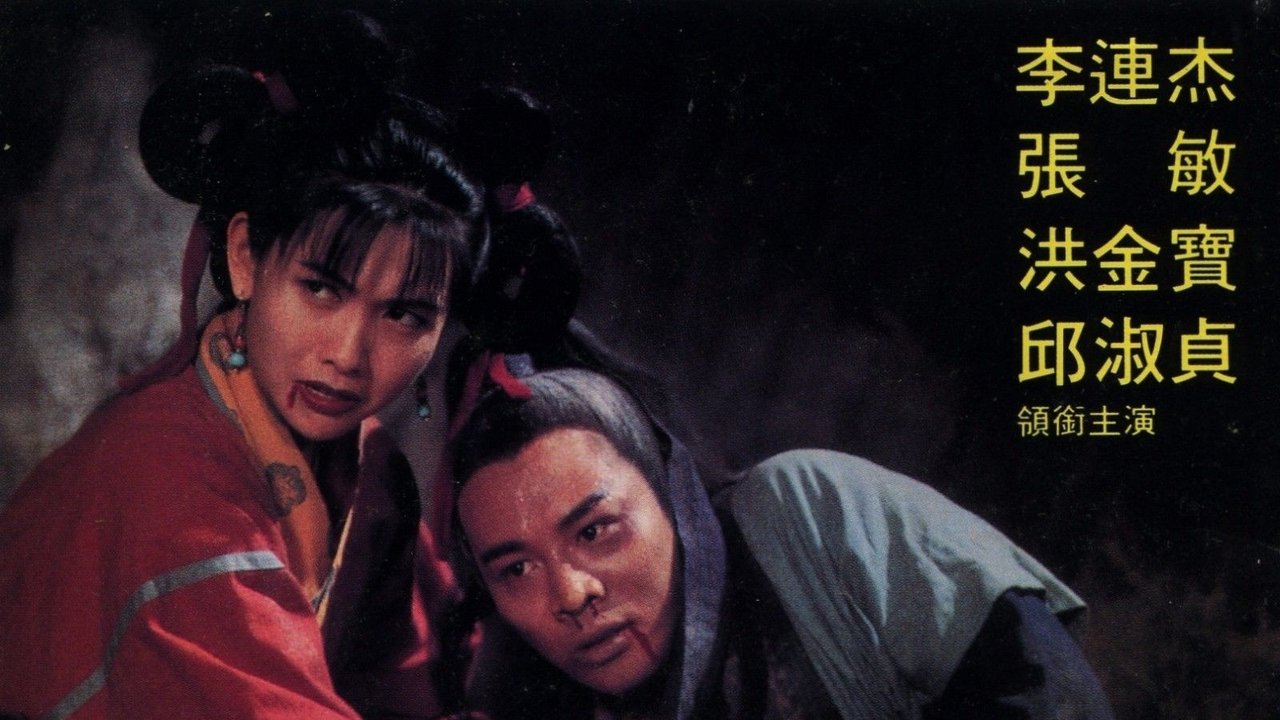
Okay, fellow tapeheads, pop this one in the VCR, adjust the tracking if you need to, and prepare for ninety-nine minutes of pure, unadulterated, glorious Hong Kong fantasy chaos. We're talking about 1993's The Kung Fu Cult Master (also known as Yi tin to lung gei: Moh gaau gaau jue or sometimes bafflingly Lord of the Wu Tang), a film that hits you with the energy of a triple espresso mainlined directly into your eyeballs. If you stumbled across this box art in the video store back in the day, with Jet Li looking intense amidst a swirl of characters, you knew you were in for something, even if you weren't quite sure what.

### Wuxia Overdrive
Directed by the notoriously prolific and often wonderfully excessive Wong Jing (the man behind everything from God of Gamblers (1989) to City Hunter (1993)), The Kung Fu Cult Master is an adaptation of Louis Cha's (Jin Yong's) sprawling Wuxia novel The Heaven Sword and Dragon Saber. And when I say adaptation, I mean Wong Jing took several hundred pages of intricate plotting, clan rivalries, and character arcs, threw them into a cinematic blender set to "pulverize," and poured out this hyper-kinetic gem. The result is… dense. Gloriously, confusingly, entertainingly dense. Don't worry too much about following every single plot thread on your first watch; just strap in and enjoy the ride.
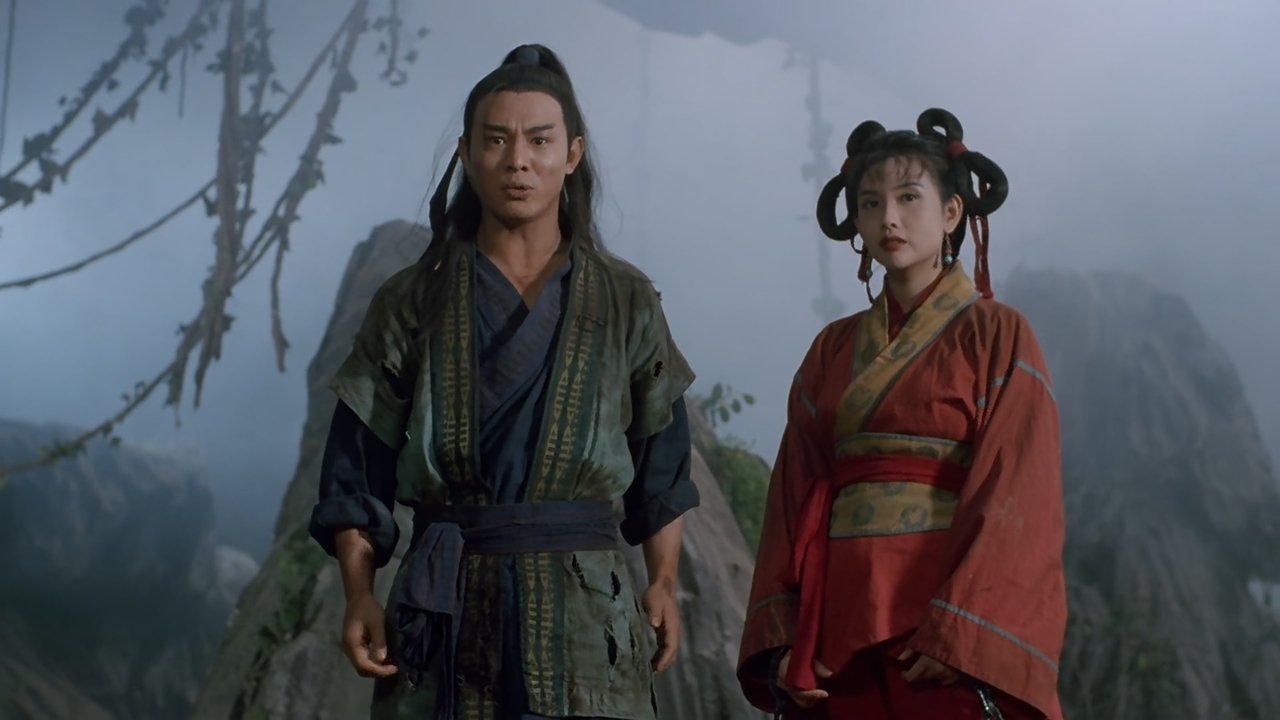
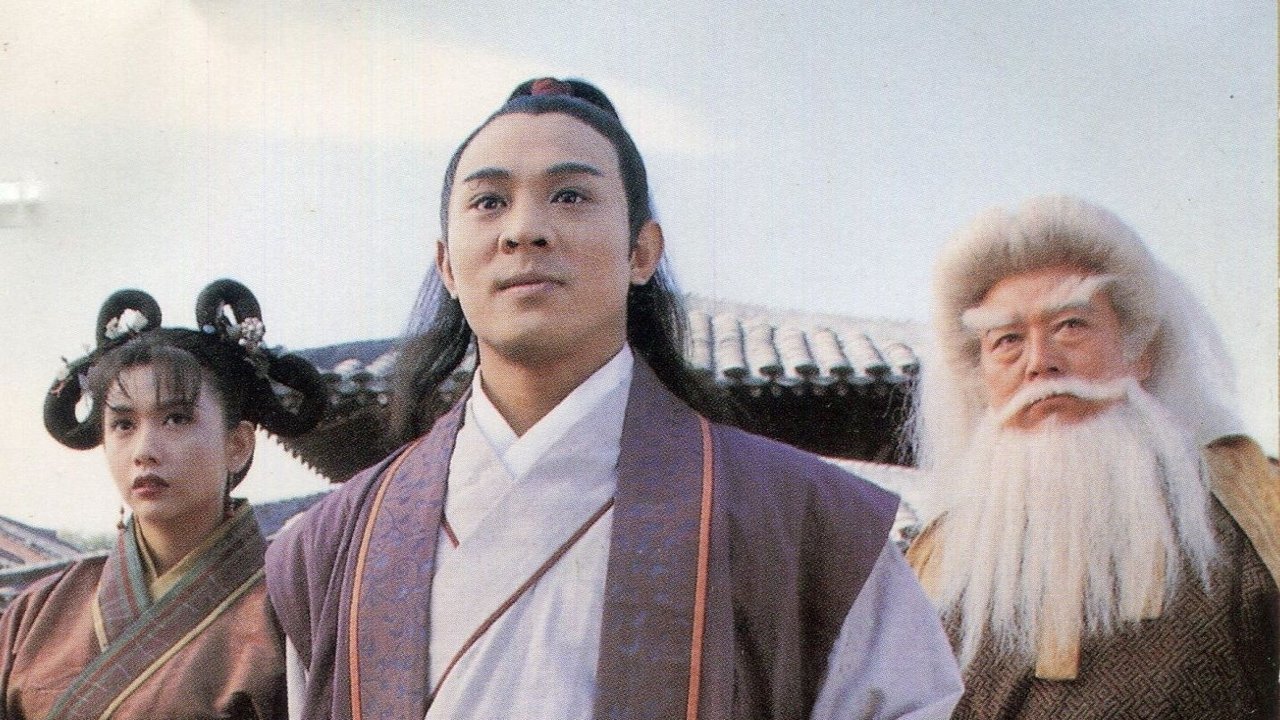
Our hero is Cheung Mo-kei (Zhang Wuji), played by the legendary Jet Li at the height of his early 90s Hong Kong peak. Mo-kei is caught between the warring factions of the martial arts world (the "righteous" clans and the Ming Cult, often labelled demonic). He possesses incredible potential, endures horrific betrayals, learns near-mythical kung fu techniques (like the Nine Yang Divine Skill!), and finds himself entangled with some formidable women, notably the cunning Mongolian princess Zhao Min (Sharla Cheung, effortlessly stealing scenes) and the conflicted Emei disciple Chow Chi-yu (Zhou Zhiruo), played with intensity by Gigi Lai.
### Li Takes Flight (Literally)
Let's talk action, because that's the pulsing heart of this beast. Forget realistic physics; this is high-flying wire-fu at its most inventive and exhilarating. The action choreography, masterminded by the incomparable Sammo Hung (who also cameos memorably as the near-immortal Zhang Sanfeng), is a whirlwind of motion. Characters leap improbable distances, spin through the air like tops, unleash energy blasts, and engage in weapon clashes that feel impossibly fast.
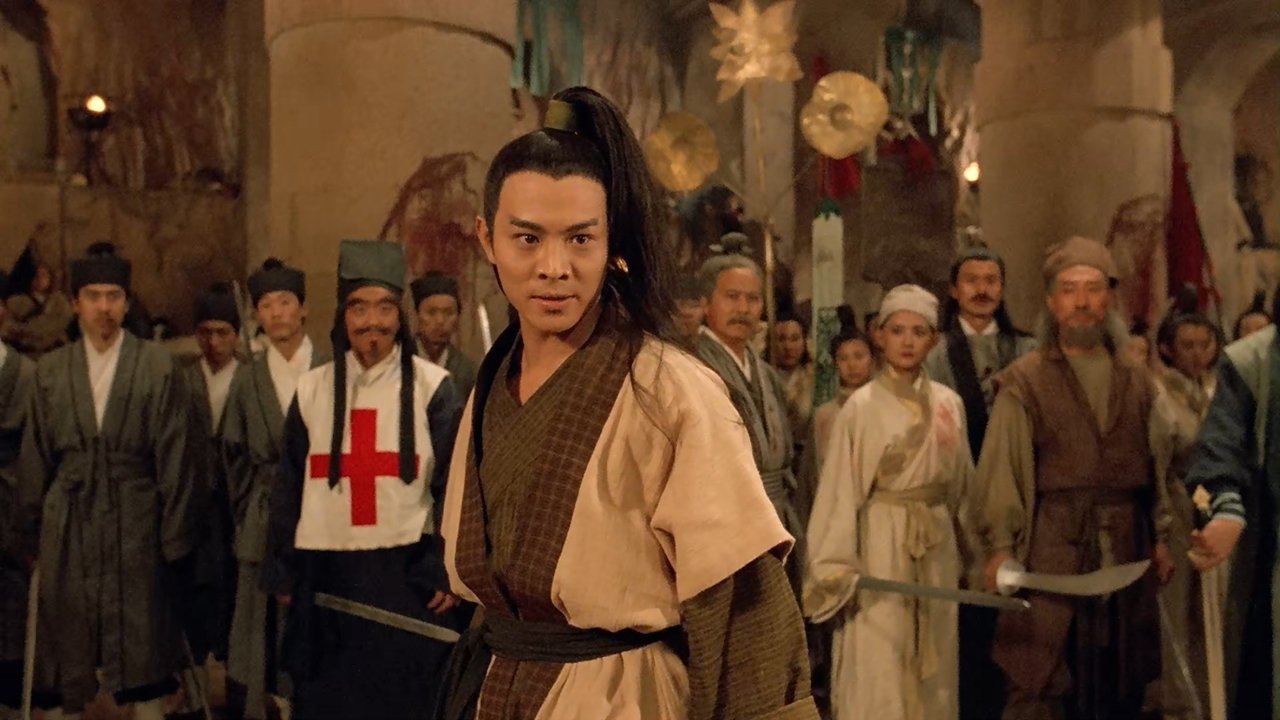
Remember how mind-blowing this stuff looked on a fuzzy CRT? The sheer speed and impact felt visceral. This was the era of practical fantasy. Yes, there are wires, but the performers – Jet Li foremost among them – are doing incredible physical work. You feel the strain, the speed, the impact of blocks and kicks in a way that smoother, more polished CGI often smooths over today. Those moments where Mo-kei unleashes his newfound powers? Pure, unadulterated wish-fulfilment, brought to life with practical ingenuity and athletic grace. The sheer creativity in staging these impossible duels is a hallmark of the golden age of Hong Kong action cinema.
### A Story That Never Stops
The plot moves at lightning speed, introducing characters and conflicts with barely a breath in between. We get secret manuals, poisoned protagonists, hidden identities, clan massacres, Shaolin showdowns, and burgeoning romances, all crammed into just over an hour and a half. It can feel overwhelming, like trying to drink from a firehose of Wuxia lore, but Wong Jing's sheer confidence (or perhaps manic energy) keeps it barreling forward. It’s a testament to the charisma of the cast, especially Jet Li, Sharla Cheung, and Gigi Lai, that they manage to carve out memorable characters amidst the whirlwind.
A key piece of trivia here explains a lot: The Kung Fu Cult Master was intended to be Part 1 of an epic. Wong Jing essentially adapted only the first half (or maybe two-thirds) of the massive novel. The film reportedly cost around HK$10 million (roughly US$1.3 million back then, maybe $2.7 million today) and while it made its money back domestically (around HK$11.8 million, or $2.9 million adjusted), it wasn't the mega-blockbuster needed to greenlight the ambitious sequel. This leads us to…
### Cliffhanger Blues and VHS Gold
Spoiler Alert! (Though if you know anything about this movie, you likely know this already). The film ends on one of the most notorious cliffhangers in action cinema history. Mo-kei has cleared his name (mostly), mastered incredible powers, and faced down numerous foes, only for Zhao Min to essentially kidnap the leaders of the major clans, promising Mo-kei he can find her (and them) in Dadu if he wants to rescue them... and agrees to her conditions. Roll credits. Wait, what?!
For years, fans who discovered this gem on worn-out VHS tapes or imported VCDs waited for the sequel that never came. It was agonizing! That abrupt ending cemented its cult status – a thrilling, hyperactive promise left unfulfilled. I distinctly remember renting this from a local store with a hand-written label, rewinding that final scene multiple times, convinced I'd missed something. Nope. Just the ultimate "To Be Continued...?"
Despite the narrative truncation and the breakneck pacing that might leave newcomers bewildered, The Kung Fu Cult Master is pure, distilled 90s Hong Kong fantasy action. It's visually inventive, packed with incredible choreography courtesy of Sammo Hung, features charismatic leads, and possesses an infectious energy that’s hard to resist. It perfectly captures that feeling of discovering something wild and exotic on the video store shelf, a portal to another world of martial arts magic.
Rating: 8/10
Justification: While the plot is a glorious mess and the ending remains a legendary frustration, the sheer energy, iconic performances (Jet Li! Sharla Cheung!), Sammo Hung's masterful action design, and its status as a defining example of 90s Wuxia fantasy make it essential viewing. It’s a breathless, exhilarating ride that perfectly embodies the anything-goes spirit of its era.
Final Thought: It’s the cinematic equivalent of downing three bags of sugary cereal while watching Saturday morning cartoons – maybe not entirely coherent, but undeniably awesome and leaving you buzzing long after the credits (don't) resolve anything. A true VHS treasure, even with that phantom Part 2 forever lost to time.