## More Than Just Brass and Saltwater
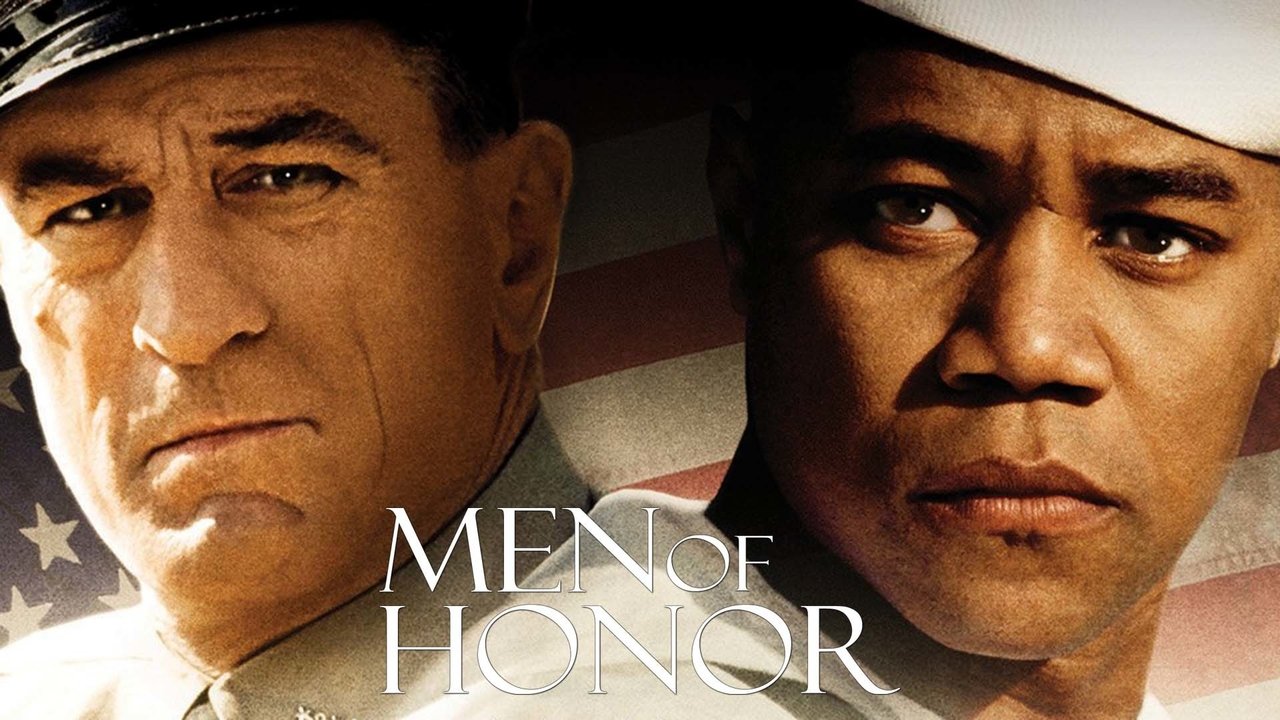
There's a certain weight to some stories, isn't there? Not just the emotional heft, but the sheer physical reality they depict. Watching Cuba Gooding Jr. as Carl Brashear struggle beneath the crushing pressure of the deep ocean, encased in that monstrous Mark V diving suit – all 200 pounds of brass and copper – you feel it too. Men of Honor (2000) arrived just as the sun was setting on the golden age of VHS rentals, but its powerful true story felt instantly timeless, a tale of grit and defiance that resonated deeply from the flickering glow of our CRT screens. It wasn't just another military drama; it felt like bearing witness.
The film chronicles the incredible journey of Carl Brashear, a sharecropper's son from Kentucky who dared to dream of becoming a U.S. Navy Diver in an era thick with prejudice. More than that, he aimed to be the first African American Master Diver, a goal met with seemingly insurmountable institutional racism and the outright hostility of men like Master Chief Billy Sunday, played with ferocious, unpredictable energy by Robert De Niro. It’s a classic underdog story, certainly, but one grounded in the brutal realities of post-WWII America and the unforgiving environment of deep-sea salvage diving.
A Clash of Wills Under Pressure
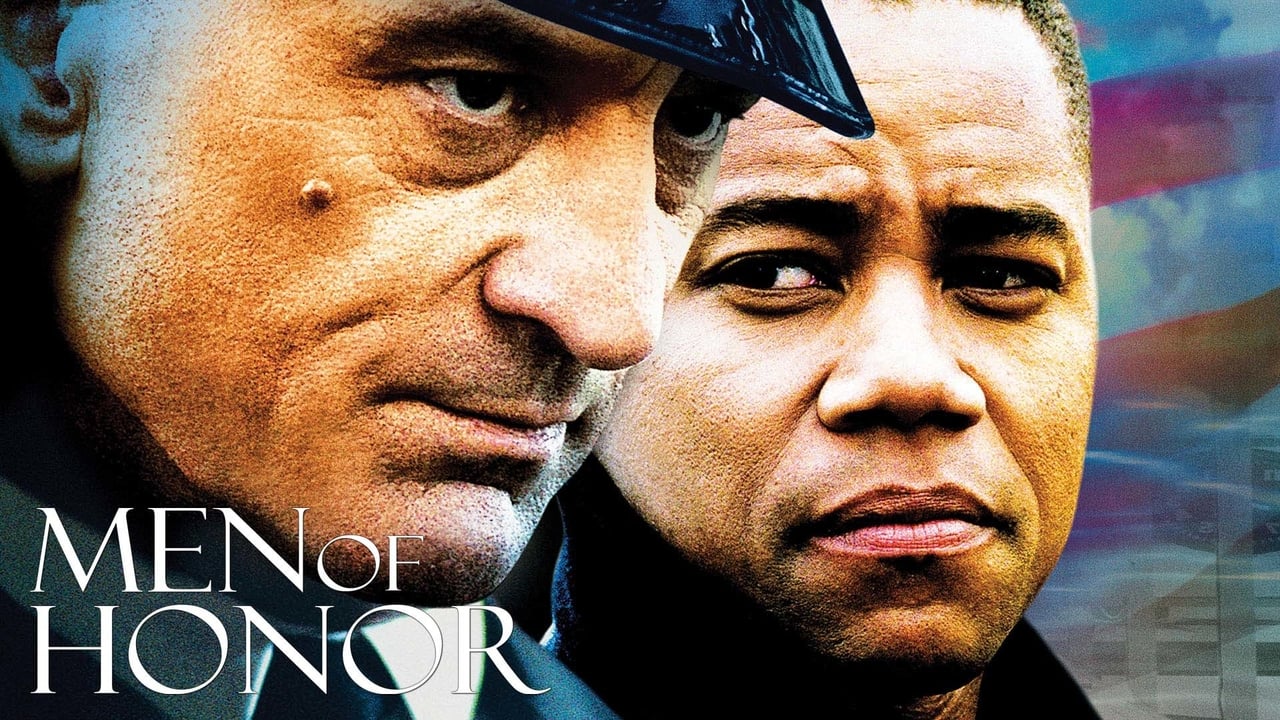
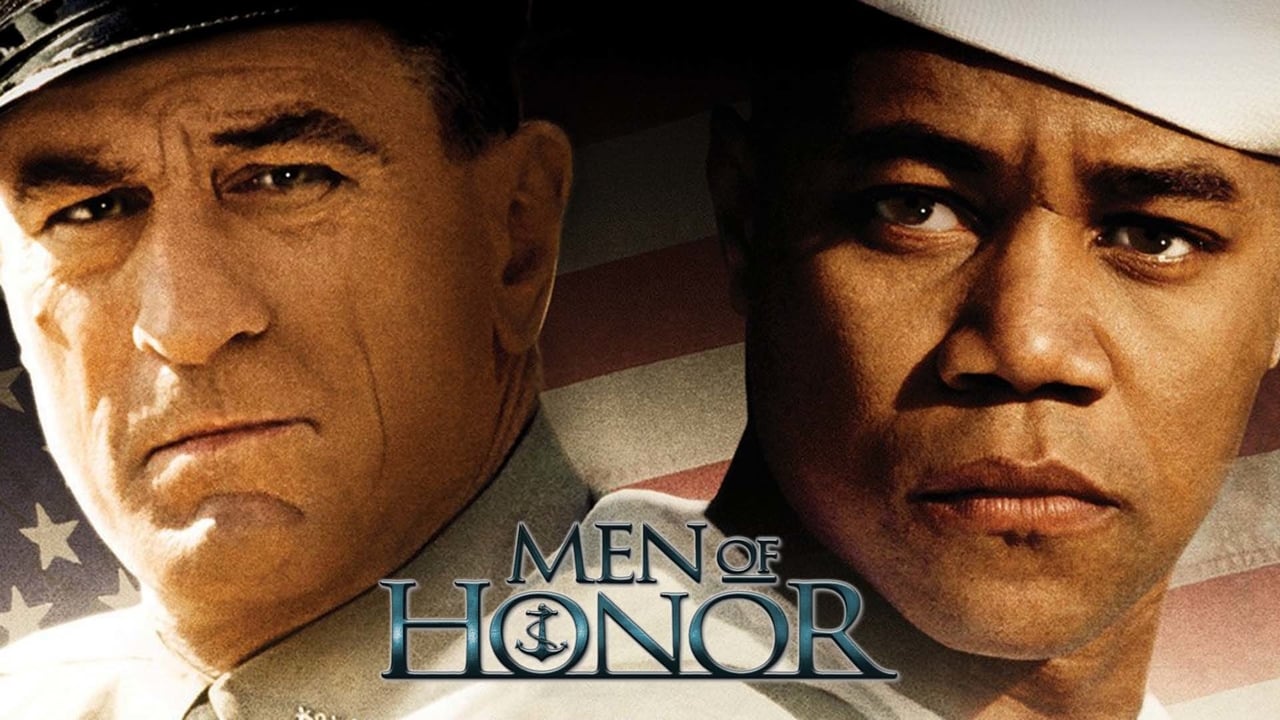
At its heart, Men of Honor is a two-hander, a tense dance between Brashear's unwavering determination and Sunday's deeply ingrained bigotry, which masks a complex, broken man beneath the surface. Cuba Gooding Jr., who had already captured hearts and an Oscar for Jerry Maguire (1996), pours everything into Brashear. He conveys not just the physical toll – the training montages here feel genuinely punishing – but the immense psychological burden of being the sole target of so much hatred. You see the flicker of doubt, quickly extinguished by a resolve forged in hardship. It’s a performance of quiet strength and explosive resilience.
Opposite him, Robert De Niro delivers a characteristically complex portrayal. Master Chief Sunday isn't a simple villain. He's profane, cruel, and undeniably racist, embodying the Navy's resistance to Brashear's ambition. Yet, De Niro, under the direction of George Tillman Jr. (who would later direct The Hate U Give), infuses Sunday with glimpses of a warped sense of honor and a grudging respect that slowly, painfully evolves. It's fascinating trivia that the character of Billy Sunday is largely a composite, a fictional antagonist created by screenwriter Scott Marshall Smith to represent the various obstacles Brashear faced, rather than a single real person. This dramatic license allows for a concentrated, symbolic struggle, though it perhaps simplifies the systemic nature of the prejudice Brashear endured. Still, the dynamic between these two actors crackles with tension. Their scenes together are the film's anchor, moments where ideology and sheer willpower collide.
The Weight of Authenticity
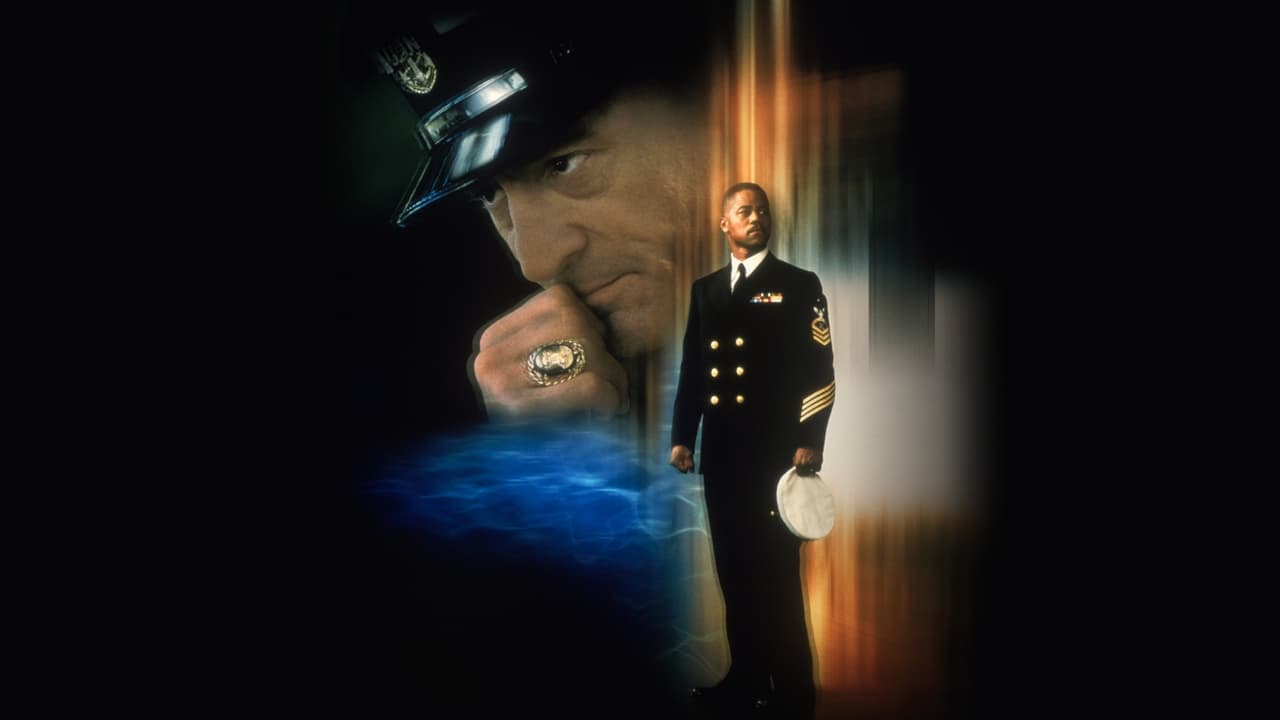
What elevates Men of Honor beyond typical biopic territory is its commitment to depicting the visceral reality of Navy diving in that era. Those Mark V suits weren't props; they were genuine, cumbersome beasts, and learning that Gooding Jr. and the other actors often had to endure the discomfort adds another layer of appreciation for their performances. Tillman Jr. doesn’t shy away from the danger, staging underwater sequences that feel claustrophobic and perilous. You understand the immense courage required not just to face down prejudice, but to literally descend into the crushing dark.
Interestingly, the real Carl Brashear was heavily involved as a consultant on the film, ensuring a degree of accuracy in the portrayal of the diving procedures and the Navy environment. He reportedly even taught Gooding Jr. how to salute correctly. This dedication to authenticity grounds the more Hollywood moments, reminding us that beneath the dramatic storytelling lies a core of incredible truth. The film's reported budget was around $32 million, and while it performed respectably at the box office ($82.3 million worldwide), its real legacy feels more tied to its inspirational message and its place as a memorable rental during that VHS-to-DVD transition period.
Beyond the Dive Bell
While the central conflict drives the narrative, the supporting cast adds texture. Charlize Theron, fresh off acclaimed roles like The Cider House Rules (1999), plays Sunday’s long-suffering wife, Gwen. It's a somewhat thankless role, offering glimpses into Sunday's troubled psyche, but Theron brings her usual grace and steeliness to the part, making the most of her limited screen time. Other familiar faces pop up, adding to that comforting feeling of watching a solid, well-cast studio picture from the era.
The film isn't without its flaws. It occasionally leans into biopic conventions, hitting expected emotional beats, and some of the dialogue feels a touch on-the-nose. But the sheer power of Brashear's story, coupled with the committed performances, overrides these minor quibbles. Doesn't the raw determination shown by Brashear resonate even today, in the face of different, yet persistent, societal barriers?
Legacy of Resilience
Men of Honor might have hit screens in 2000, technically just outside the 90s sweet spot we often celebrate here at VHS Heaven, but it absolutely feels like part of that home video tradition. It’s the kind of film you’d pick up on a Friday night, perhaps alongside a blockbuster or a goofier comedy, and find yourself unexpectedly moved by its sincerity and power. I remember the solid weight of that tape, feeling substantial, much like the story it held. It captured a specific moment – telling an important historical narrative with major star power, aiming for both inspiration and broad appeal.
Rating: 8/10
This score reflects the film's undeniable emotional impact, driven by stellar lead performances and a compelling true story. While it adheres closely to biopic structures, its depiction of the physical and psychological challenges, the potent central conflict, and the sheer force of Carl Brashear's real-life resilience make it a powerful and memorable watch. It earns its emotional crescendos through the genuine struggle it portrays.
Men of Honor remains a potent reminder of the human spirit's capacity to endure and overcome. It's a film that leaves you not just impressed, but truly inspired by the courage it takes to breathe, fight, and rise, even under the most crushing pressure. A salute, indeed.