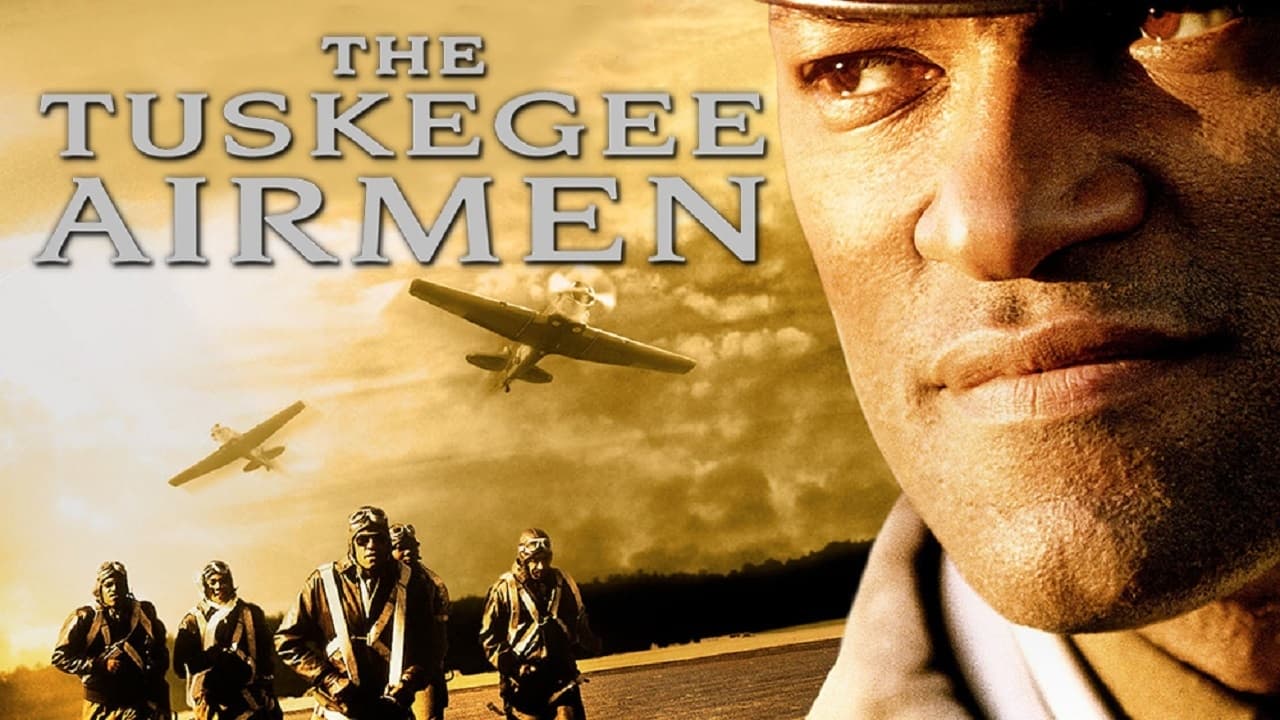
It wasn't just another TV movie premiere back in '95. There was a palpable sense of importance surrounding HBO's The Tuskegee Airmen, a feeling that a significant, shamefully overlooked chapter of American history was finally receiving a mainstream spotlight. This wasn't merely entertainment; it felt like an event, a corrective measure broadcast into living rooms across the country. Did the film carry the weight of that expectation? For the most part, emphatically yes. It arrived not with bombast, but with a quiet dignity and simmering anger that reflected the very men it portrayed.
Bearing Witness
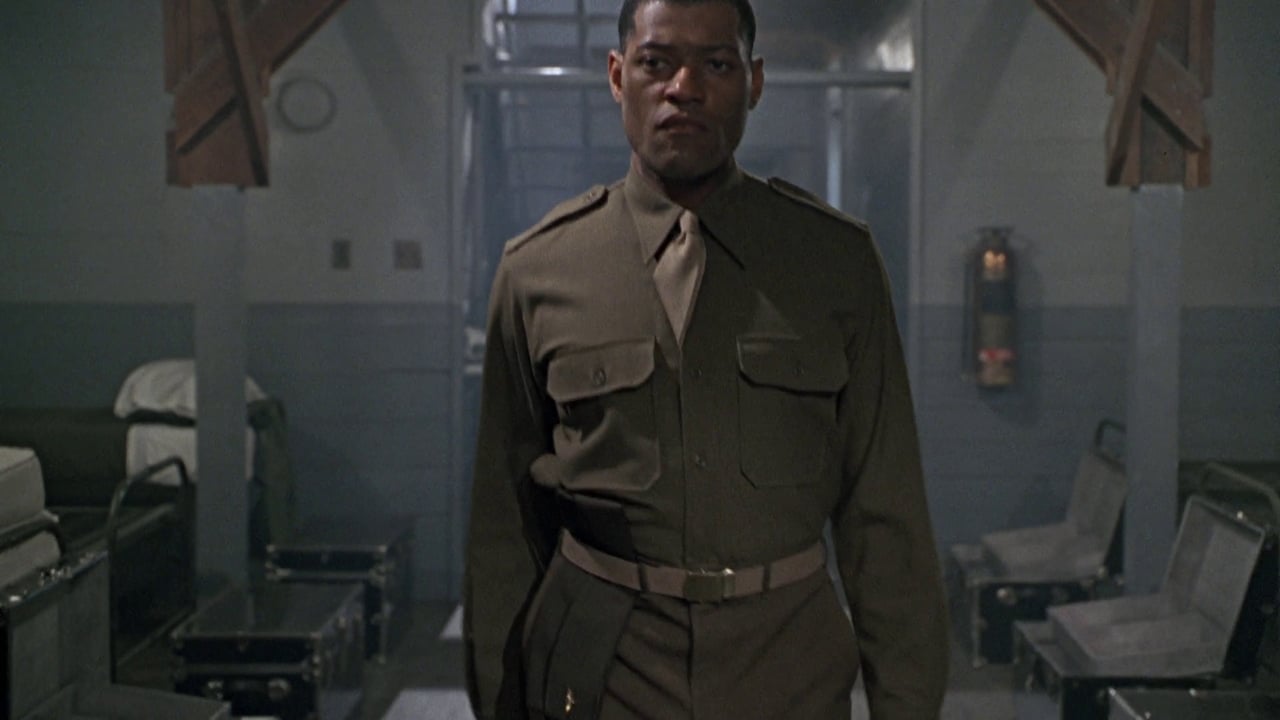
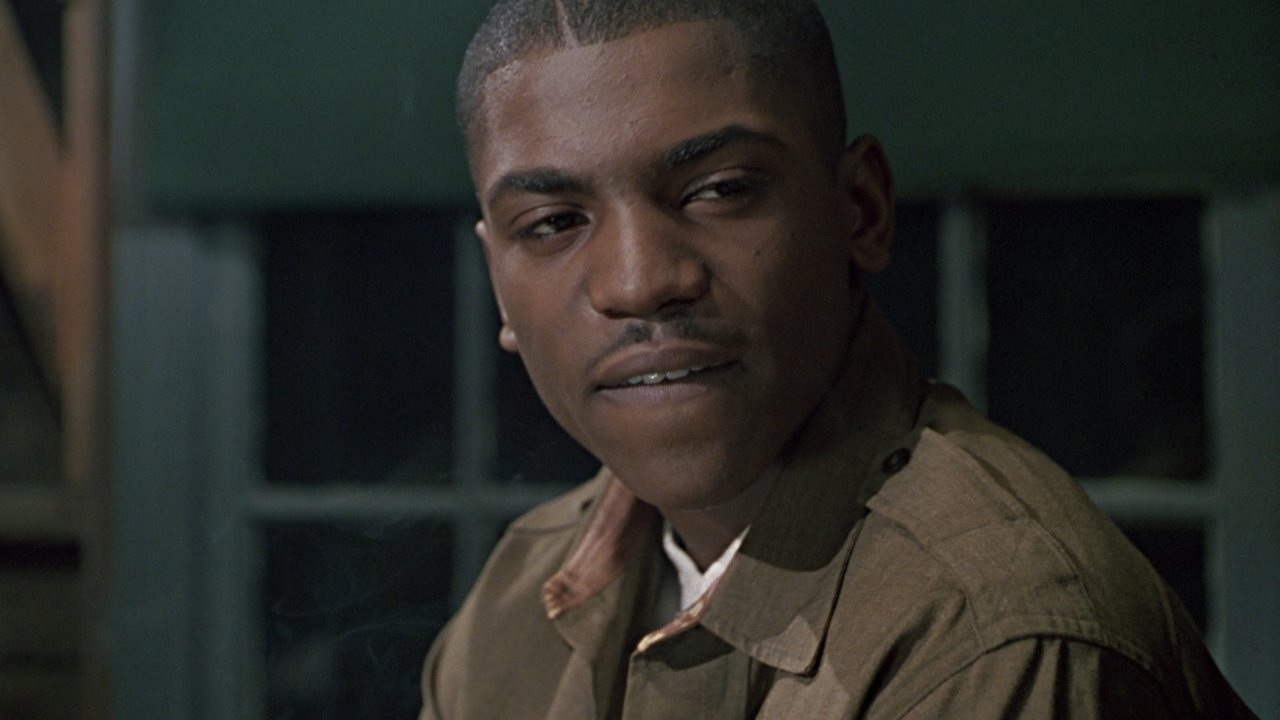
Directed by Robert Markowitz, a veteran of television filmmaking, The Tuskegee Airmen undertakes the monumental task of condensing years of struggle, prejudice, and eventual triumph into a roughly two-hour narrative. It wisely centers on a core group of cadets navigating the grueling flight training program at Tuskegee Army Air Field in Alabama, while simultaneously battling the deeply ingrained racism of the U.S. military establishment during World War II. We follow individuals like the determined Hannibal Lee (Laurence Fishburne), the smooth Walter Peoples (Allen Payne), the earnest Leroy Cappy (Malcolm-Jamal Warner), and others as they strive to prove wrong the prevailing, odious belief that Black men lacked the intelligence, discipline, or courage to fly combat missions.
The screenplay, credited to Paris Qualles, Trey Ellis, and Ron Hutchinson, doesn't shy away from the ugliness these men faced. We see the petty indignities, the overt hostility from white officers, the constant burden of needing to be twice as good to be considered half as equal. There's a palpable sense of pressure, not just to master complex aircraft, but to represent an entire race under the harshest scrutiny. What resonates deeply is the portrayal of camaraderie forged in this crucible – the shared jokes, the mutual support, the understanding glances that speak volumes about their shared burden.
A Towering Performance
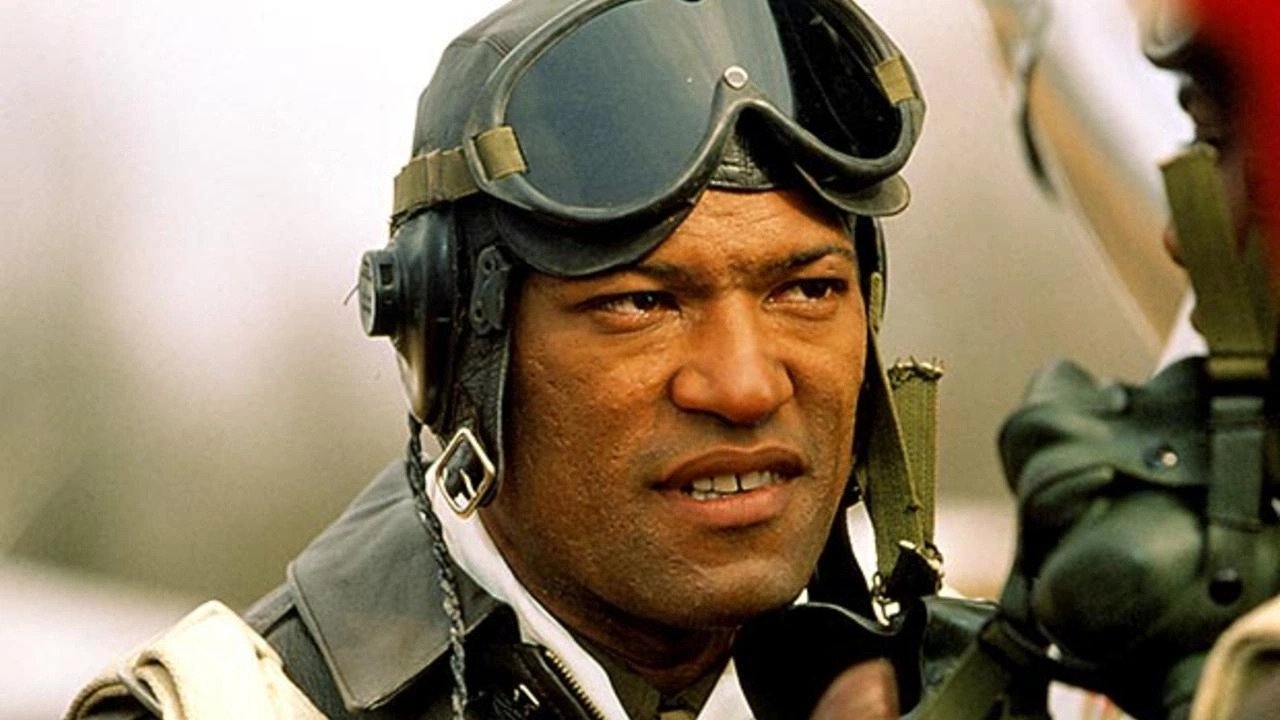
At the heart of the film stands Laurence Fishburne as Hannibal Lee. Fresh off powerful roles in films like Boyz n the Hood (1991) and his Oscar-nominated turn in What's Love Got to Do with It (1993), Fishburne brings an extraordinary gravity and coiled intensity to Lee. He embodies leadership born not just of skill, but of profound inner strength and resilience against constant systemic assault. His performance is a masterclass in conveying complex emotions – pride, frustration, weariness, determination – often through subtle shifts in expression or posture rather than overt displays. When Lee finally confronts institutional racism head-on, the controlled fury is devastatingly effective precisely because it feels earned, the culmination of countless slights and doubts endured. Supporting players like Payne and Warner also deliver commendable performances, capturing the diverse personalities within the unit united by a common cause.
Bringing History to Life (With Help)
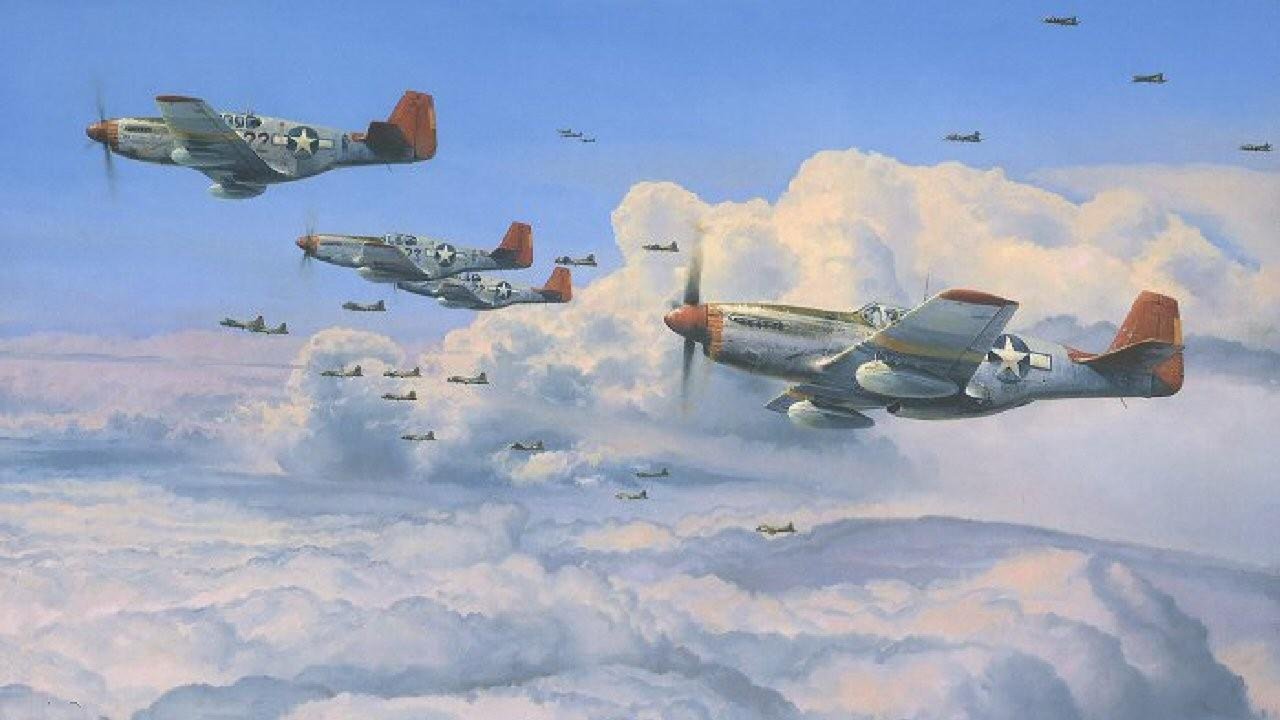
Given its television origins, the production values are impressive for the time. The aerial combat sequences, depicting the famed "Red Tails" escorting bombers over Europe, are handled with competence and clarity. While perhaps not possessing the budget for truly expansive dogfights seen in later theatrical films, Markowitz effectively conveys the danger and skill involved, focusing on the pilots' perspectives within the cockpit. The use of actual P-51 Mustangs (or convincing replicas) lends crucial authenticity. The film deservedly won Emmy Awards for its sharp editing and immersive sound mixing, elements critical to making these sequences work.
It's worth remembering the journey this story took to the screen. This project wasn't conceived overnight; actor Robert Hooks (who appears in the film as a Pullman porter) had reportedly been championing a Tuskegee Airmen film since the 1970s. Its eventual realization by HBO, with a reported budget around $8.5 million (a significant sum for a TV movie then, roughly $17 million today), represented a major commitment. Adding immeasurable weight and ensuring a level of fealty to the experience, several original Tuskegee Airmen served as consultants on the production, some even visiting the set. Their presence undoubtedly infused the project with a sense of profound responsibility.
The Weight of Their Wings
What lingers long after the credits roll is the film's exploration of patriotism under duress. What does it mean to fight, bleed, and potentially die for a country that actively denies your fundamental rights and questions your very humanity? The Tuskegee Airmen doesn't offer easy answers but presents the question with aching clarity. The pilots' fierce pride in their accomplishments, their unwavering dedication to protecting the bomber crews (who came to specifically request the "Red Tail angels"), and their ultimate contribution to the war effort become powerful acts of defiance against the bigotry they faced. Does this struggle for recognition, this fight against prejudice within the systems meant to protect, still resonate today? The question hangs heavy in the air, long after the roar of the engines fades.
Final Reckoning
The Tuskegee Airmen is a deeply earnest and affecting film. It treats its subject matter with the respect it deserves, carried by powerful performances, particularly from Laurence Fishburne. While it occasionally employs familiar narrative beats common to war films and biographical dramas, and operates within the visual constraints typical of 90s premium cable features, its emotional honesty and historical significance are undeniable. It succeeds admirably in its mission: to educate, to move, and to honor the legacy of these pioneering aviators.
Rating: 8.5/10
Justification: The film earns this score for its powerful lead performance, its respectful and sincere handling of crucial historical events, and its significant impact in bringing the Tuskegee Airmen's story to a wider audience. While exhibiting some conventions of the TV movie format of its era, its emotional core, educational value, and the importance of the narrative it tells elevate it considerably. The involvement of actual Airmen and the evident passion behind the project shine through, largely overcoming any minor limitations.
Final Thought: Beyond just recounting history, The Tuskegee Airmen captured on tape a vital narrative of courage – not just in the skies over Europe, but in the daily battle for dignity and equality on the ground, ensuring the Red Tails wouldn't be forgotten.