It starts with the oppressive stillness, doesn't it? The thick, humid air of Lisbon in the summer of 1938, clinging to everything like a shroud. It's a feeling Roberto Faenza captures so palpably in Pereira Declares (original title: Sostiene Pereira), a film that perhaps didn't shout from the "New Releases" wall of your local video store back in '95, but nestled quietly on the shelf, waiting for the discerning viewer. This isn't a movie that grabs you by the lapels; it invites you in, slowly, to witness a man's soul beginning to stir under the shadow of fascism. I remember finding this one, maybe tucked away in the drama section, and being utterly captivated by its deliberate pace and profound heart.
A Man Adrift in History
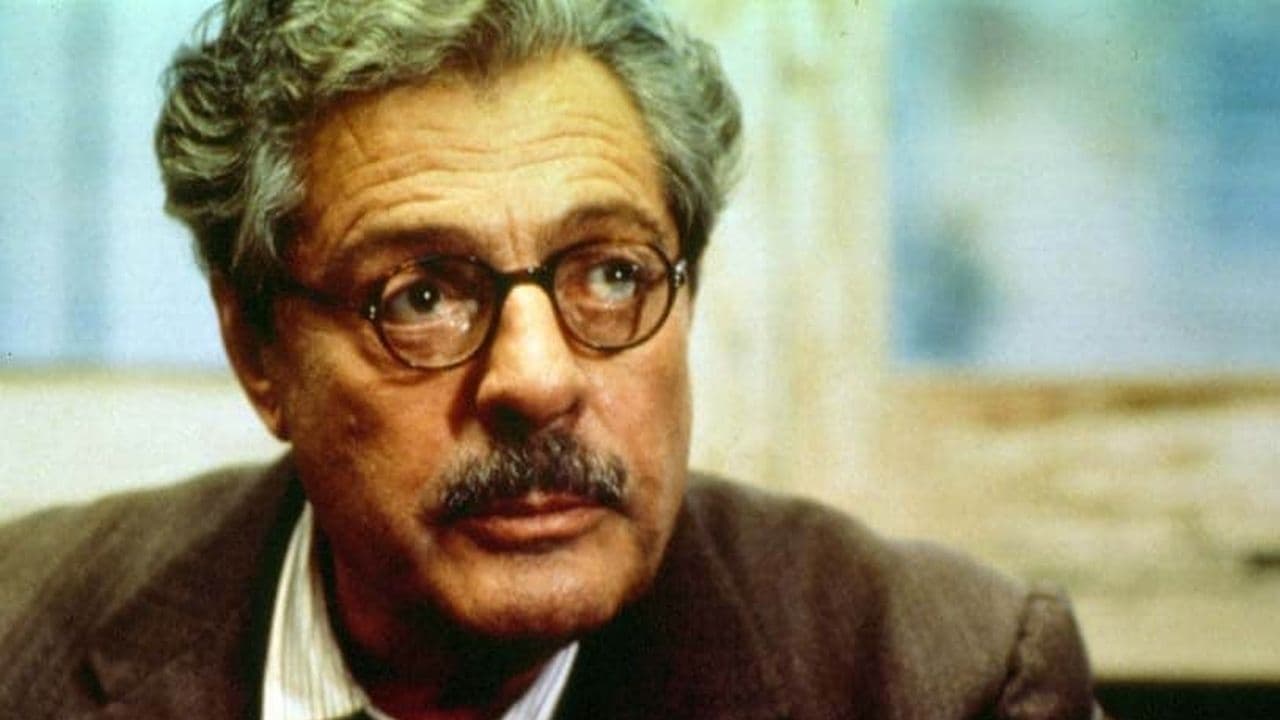
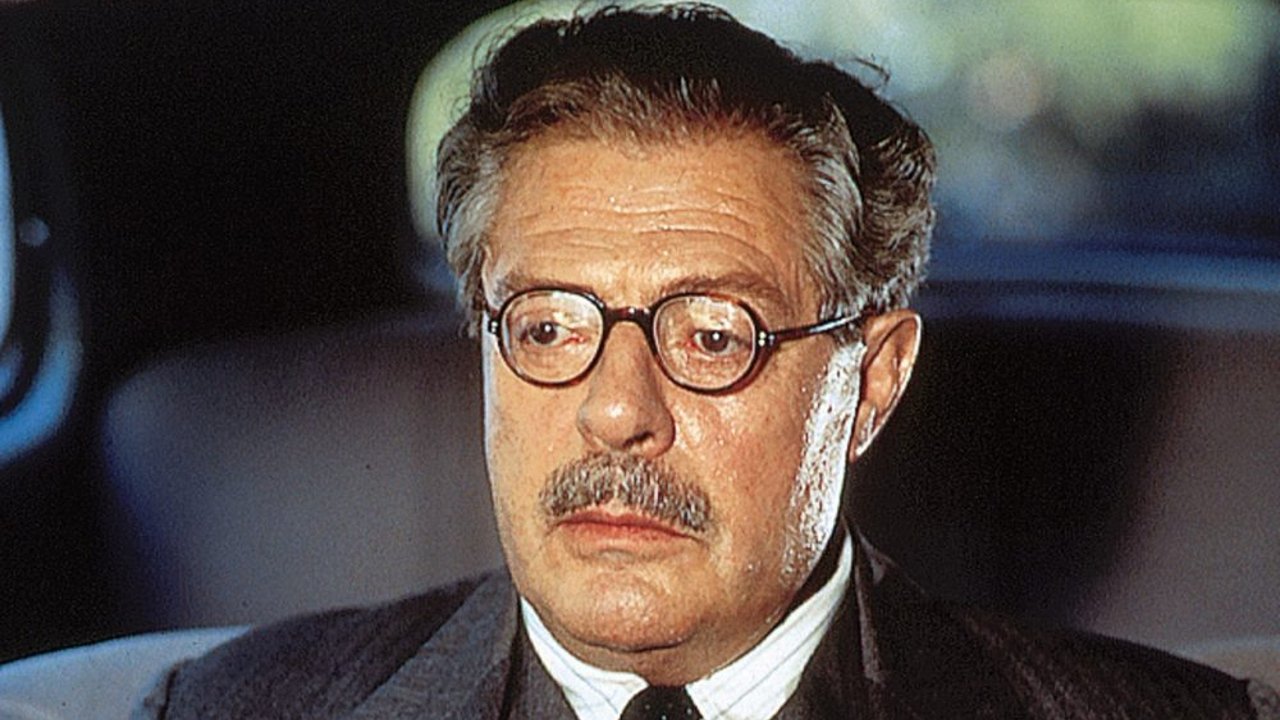
At the centre of it all is Dr. Pereira, embodied with heartbreaking vulnerability by the legendary Marcello Mastroianni in one of his final, most poignant roles. Pereira is the editor of the culture section of a minor Lisbon newspaper, overweight, widowed, talking frequently to a photograph of his deceased wife. He's a man deliberately cultivating detachment, focusing on translating 19th-century French stories while António Salazar's authoritarian regime tightens its grip outside his window. He seems content, almost determined, to remain oblivious. But history, as it often does, refuses to be ignored.
Mastroianni's performance is a masterclass in subtlety. He is Pereira – the shuffling gait, the sweat perpetually beading on his brow, the eyes that hold both weariness and a flickering, buried spark. You feel the weight of his loneliness, his fear, his intellectual compromises. It’s a performance built not on grand pronouncements but on quiet sighs, hesitant glances, and the gradual straightening of a slumped posture. Witnessing Mastroianni, already frail but radiating immense screen presence, navigate Pereira's internal landscape is profoundly moving. Knowing this was near the end of his incredible career, a journey that included masterpieces like La Dolce Vita (1960) and 8½ (1963), adds another layer of resonance. He poured what felt like his remaining essence into this role.
The Catalyst and the Conscience
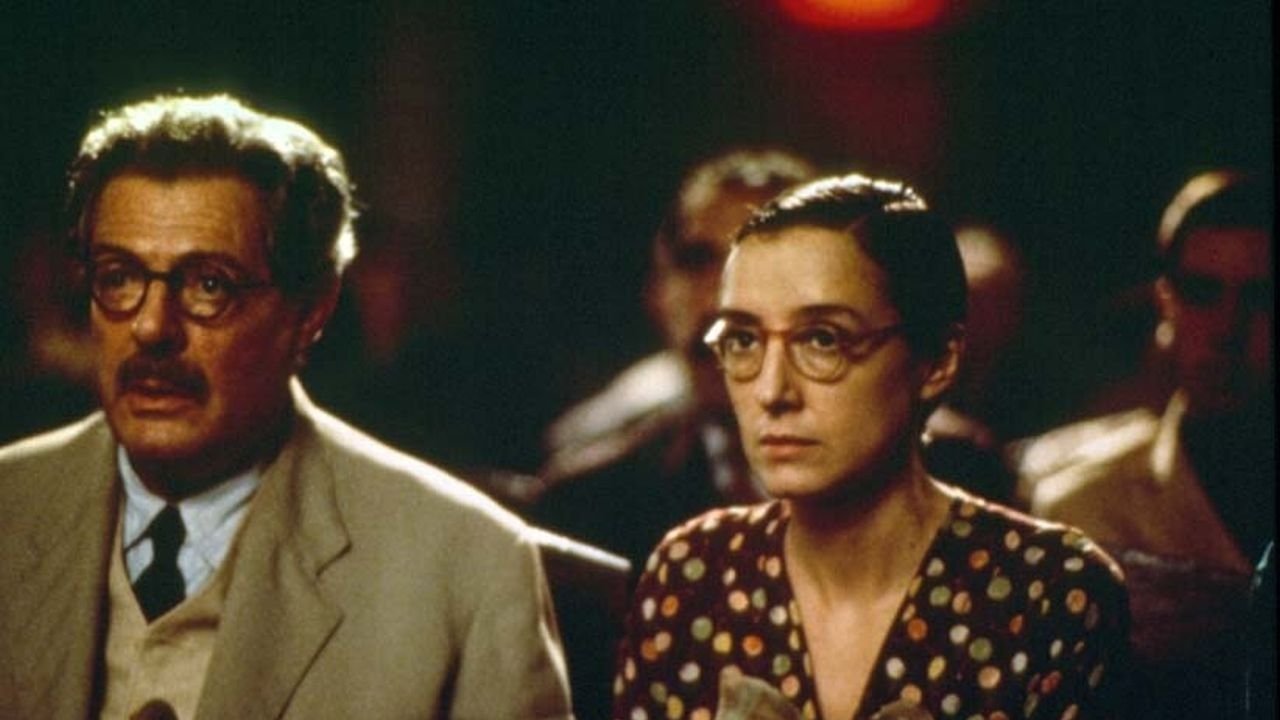
Pereira's carefully constructed world begins to crack when he hires a young, idealistic writer, Francesco Monteiro Rossi (Stefano Dionisi). Rossi is fiery, passionate, and deeply involved with anti-fascist movements, writing provocative articles Pereira knows he can't possibly publish. Dionisi brings a necessary vitality and recklessness that contrasts sharply with Mastroianni's cautious melancholy. Their relationship becomes the film's engine – the cautious intellectual forced to confront the passionate activist, the old guard encountering the dangerous idealism of youth.
Adding another layer is Dr. Cardoso (Daniel Auteuil), the thoughtful physician at the thalassotherapy clinic Pereira visits. Auteuil, always an actor of immense intelligence (think Jean de Florette, 1986), provides a crucial sounding board. Cardoso represents a different kind of resistance – intellectual, philosophical, urging Pereira towards a theory of the "confederation of souls," suggesting our identities are not fixed but capable of profound change. Their conversations, often overlooking the sun-drenched coast, are quiet highlights, moments of philosophical reflection amidst the rising political tension.
Crafting the Atmosphere of Dread
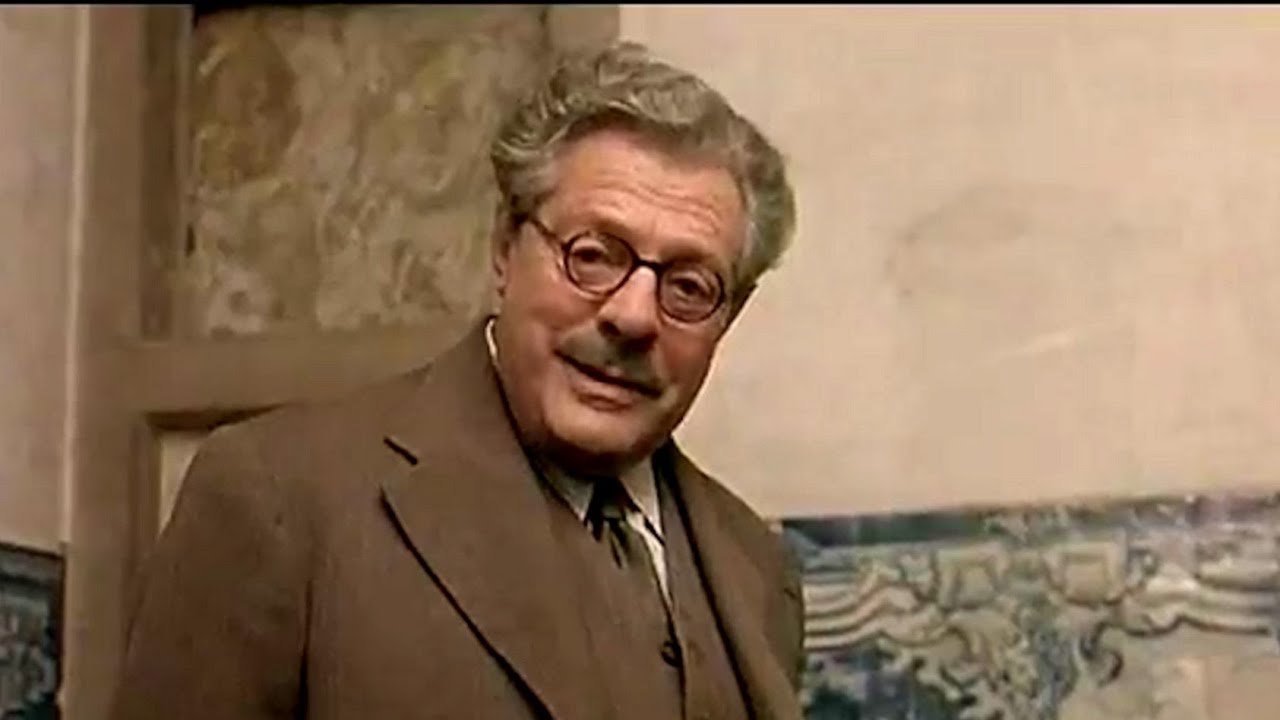
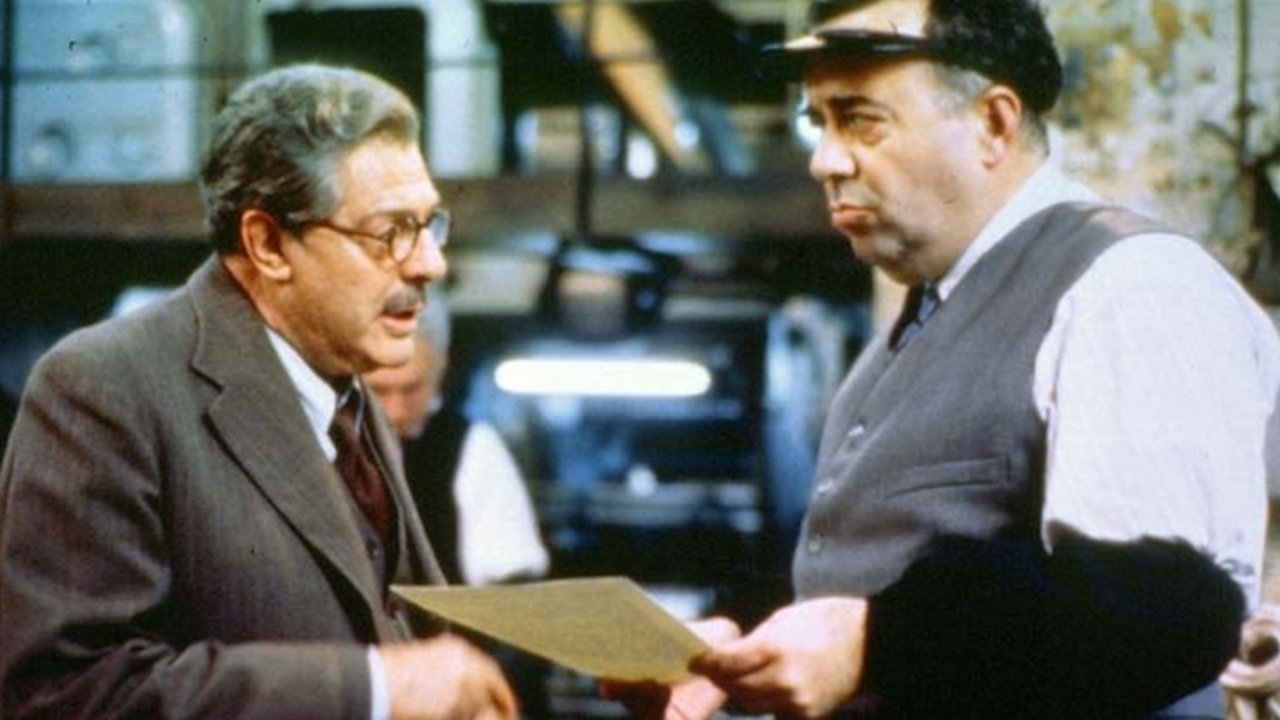
Director Roberto Faenza, who also co-wrote the screenplay adapting Antonio Tabucchi's acclaimed novel, masterfully evokes the era. It's not just the period details – the cars, the clothes, the smoky cafes – but the pervasive sense of fear. Conversations are hushed, glances linger perhaps a second too long, and the threat of the political police feels ever-present, even when unseen. The cinematography by Blasco Giurato uses the Lisbon light beautifully, contrasting the external brightness with the shadowy interiors of Pereira's life and the darkness encroaching on the country.
Interestingly, the film was a significant Italo-Franco-Portuguese co-production, pooling resources to recreate 1930s Lisbon authentically. It swept the David di Donatello Awards (Italy's Oscars) in 1995, including Best Actor for Mastroianni – a fitting tribute. While based on a celebrated Italian novel about Portugal under Salazar, its themes of journalistic integrity, censorship, and the courage required to speak out felt universally relevant then, and perhaps even more so now. What does it mean to remain silent when witnessing injustice? Can art and culture truly be separated from politics? The film forces us to ponder these questions alongside Pereira.
The Quiet Declaration
Spoiler Alert! The film builds towards Pereira's titular declaration – a courageous act of defiance smuggled into the pages of his conservative newspaper. It's not a loud revolution, but a deeply personal one, the culmination of his gradual awakening. The power lies in its unexpectedness, coming from a man who seemed determined to look the other way. It’s a testament to the idea that courage can bloom in the most unlikely hearts, often when prompted by empathy and a confrontation with undeniable brutality.
Pereira Declares isn't explosive; it's an insistent, simmering burn. It requires patience, asking the viewer to invest in Pereira's internal struggle. Some might find the pace too deliberate compared to the high-octane fare often associated with the 90s VHS era. But for those willing to settle in, it offers profound rewards. It’s a character study wrapped in a political thriller, driven by one of the all-time great actors giving a deeply affecting performance. It felt like an important film when I first pulled that tape from its sleeve, a story about finding your voice even when it seems too late, and that feeling hasn't faded.
Rating: 9/10
Why this score? Pereira Declares earns this high mark primarily for Marcello Mastroianni's unforgettable, career-capping performance. Coupled with Faenza's sensitive direction, the palpable atmosphere of quiet dread, and its thoughtful exploration of timeless themes like conscience and courage under oppression, it's a near-masterpiece. The deliberate pacing, while potentially a barrier for some, is integral to Pereira's gradual transformation and ultimately enhances the film's impact. It’s a powerful, humane, and deeply resonant film.
Final Thought: In an era often remembered for its cinematic fireworks, Pereira Declares remains a potent reminder of the quiet power of conviction, leaving you to wonder: when faced with creeping darkness, what would you declare?