The green glow. Not the ethereal, suggestive mystery of the Loc-Nar this time, but something cruder, more visceral. It spills across the screen in Heavy Metal 2000 (often marketed as Heavy Metal: F.A.K.K.² outside North America, a nod to its graphic novel origins), bathing everything in the sickly light of immortality-gone-wrong. Nineteen years after the original anthology shattered expectations, this follow-up arrived like a blast of thrash metal interrupting a Pink Floyd concert – louder, angrier, and decidedly less concerned with nuance. It landed on video store shelves not with a whisper, but a guttural roar.
### Echoes in the Void
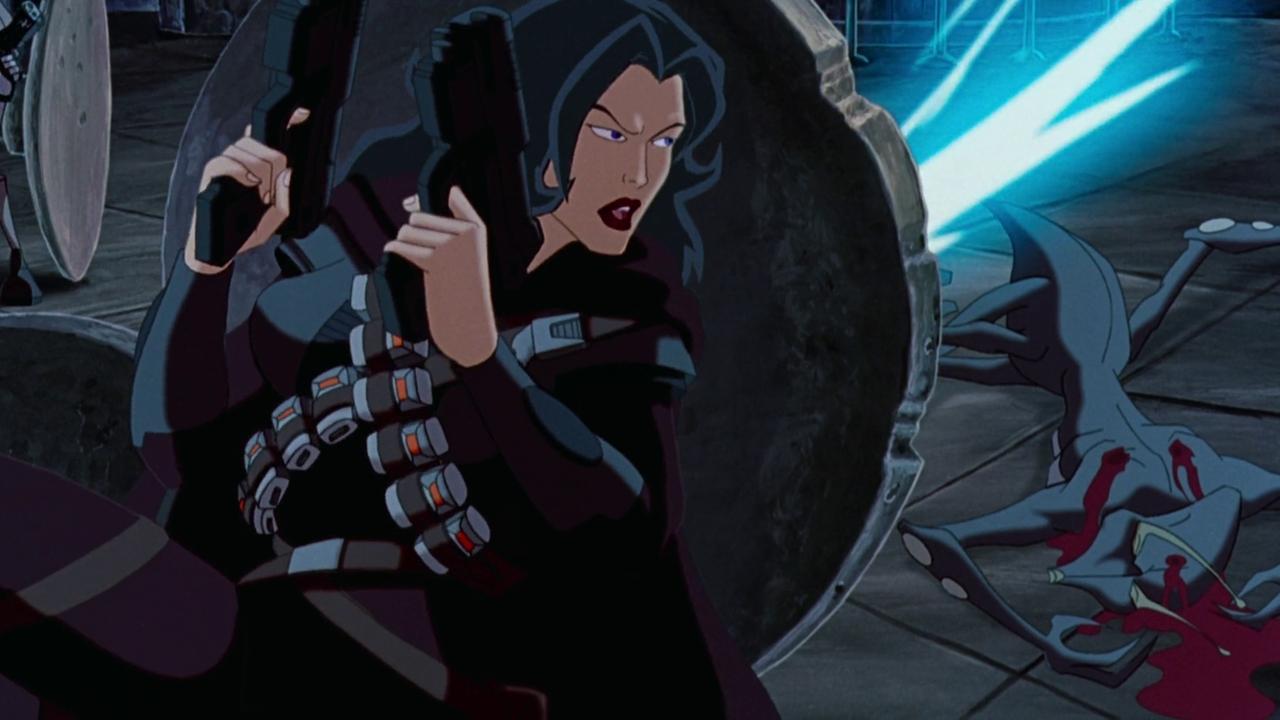
Forget the campfire tales structure of its 1981 predecessor. Heavy Metal 2000 offers a singular, brutal narrative, ripped from the pages of Kevin Eastman (yes, that Kevin Eastman, co-creator of the Teenage Mutant Ninja Turtles and then-owner of Heavy Metal magazine) and Simon Bisley's graphic novel, The Melting Pot. It follows Julie (voiced, perhaps inevitably, by the late cult icon Julie Strain, upon whom the character was visually based), a warrior woman seeking vengeance against the psychopathic Tyler (Michael Ironside, delivering menace like only he can) who destroyed her home planet in his quest for immortality via the planet's life-giving waters. This water doesn't just grant eternal life; it drives the drinker insane, turning Tyler into a hulking, green-veined monster fueled by cosmic rage.
The shift from anthology to a single story was a gamble. Did it pay off? It certainly streamlines the experience, focusing the relentless energy. But something of the original's strange, dreamlike variety is lost. That film felt like flipping through a dog-eared copy of the magazine itself, each story a different flavour of weird. HM2000 feels more like one specific, hyper-violent story arc stretched thin, its darkness derived not from cosmic horror but from pure, unadulterated brutality and a pervasive sense of nihilism. This isn't the unsettling dread of the unknown; it's the oppressive weight of a universe where everyone seems to be an axe-wielding maniac or cannon fodder.
### Bisley Unleashed
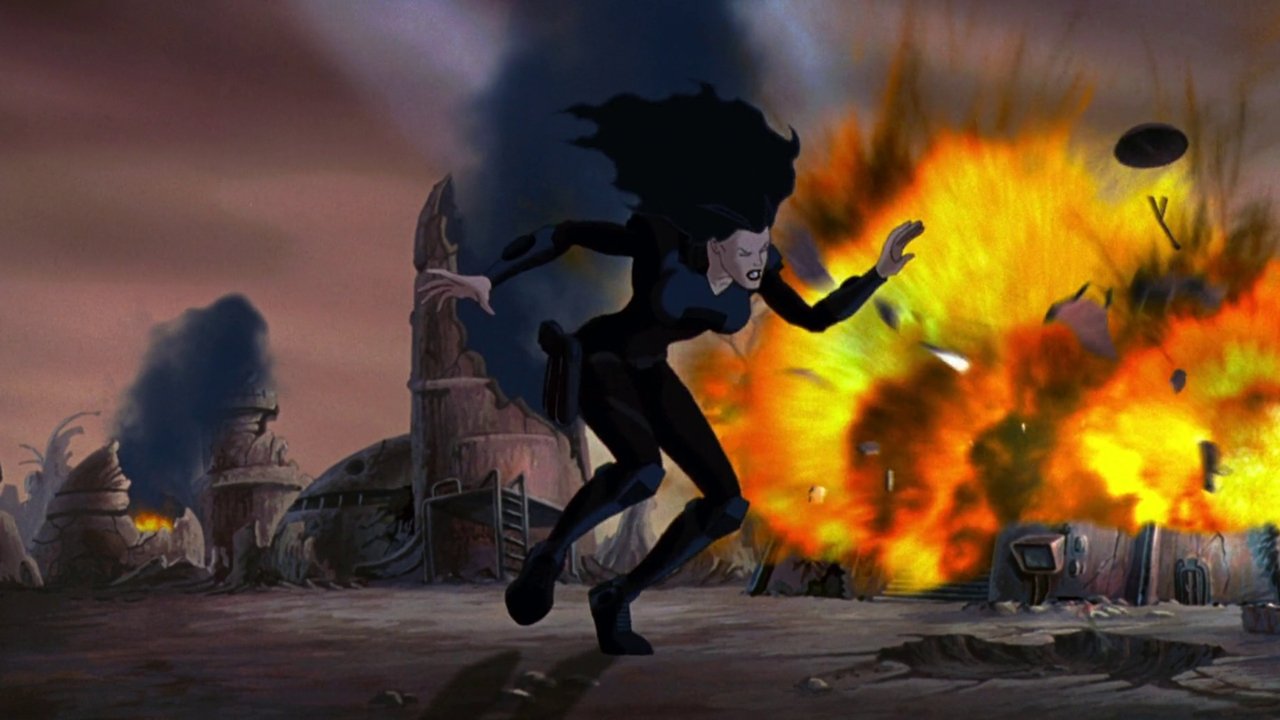
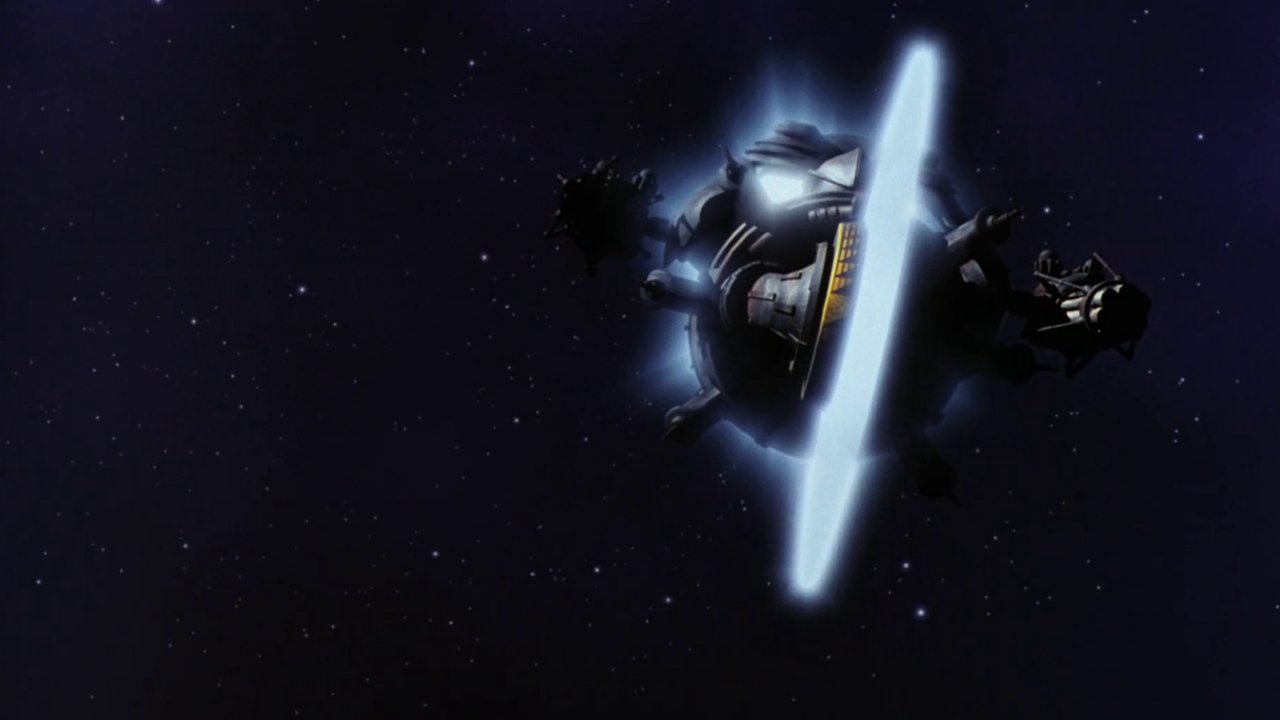
Where HM2000 truly asserts its identity is in the visuals. The animation, spearheaded by director Michael Coldewey, strives to translate Simon Bisley's distinctive, hyper-detailed, and often grotesque art style directly onto the screen. Muscles bulge impossibly, flesh rips, and machinery looks cobbled together from scrap and nightmares. It’s a style that feels deliberately raw and unfinished in places, capturing that gritty, ink-splattered energy of late 80s/early 90s independent comics. It’s not always fluid, sometimes feeling more like moving illustrations than traditional animation, but it has undeniable power. You can almost smell the sweat and ozone dripping off the screen. There's a tangible weight to the exaggerated anatomy and brutal action sequences that feels distinct from the smoother, rotoscoped look often employed in the original. This commitment to the source material's aesthetic is perhaps the film's strongest asset, even if it occasionally looks dated by today's standards. Remember seeing those early CGI spaceships mixed with the 2D? A hallmark of its Y2K production era.
### Sound and Fury, Signifying… Well, Fury

The soundtrack ditches the classic rock and metal gods of the first film (think Black Sabbath, Blue Öyster Cult) for the sounds of the turn of the millennium: Pantera, System of a Down, Monster Magnet, Machine Head. It’s a wall of aggressive noise that perfectly complements the on-screen carnage. It’s less iconic, perhaps, lacking a unifying theme like Don Felder’s title track, but it certainly amps up the adrenaline. Then there's the voice cast. Michael Ironside is predictably fantastic as the scenery-chewing villain Tyler, his gravelly voice dripping with contempt and madness. Hearing Billy Idol lending his sneer to the ambiguous rockstar/revolutionary Odin adds another layer of late-era cool. And Julie Strain voicing her own animated alter-ego... well, it adds a layer of meta-commentary that feels perfectly in sync with the Heavy Metal ethos. Strain, a Penthouse Pet turned B-movie queen, was the F.A.K.K.² universe incarnate for many, and her presence lends the film an authenticity it might otherwise lack.
### Cracks in the Chrome
Let’s be honest, though. Watched today, Heavy Metal 2000 feels like a product of its specific time – that slightly awkward transition period between the grit of the 90s and the slickness of the new millennium. The plot is paper-thin revenge fantasy, the dialogue often clunky ("Looks like we have time for one more drink!"), and the relentless violence can become numbing. Some attempts at humour fall flat, lacking the dark wit that occasionally surfaced in the original. It lacks the ambition and the sheer imaginative breadth of its predecessor. There's no equivalent to the haunting beauty of "Taarna" or the surreal horror of "B-17." It's all cranked up to eleven, all the time. This was a direct-to-video release, after all, built on a reported budget far smaller than its epic scope might suggest (figures are hard to nail down, but certainly not blockbuster territory), and sometimes those limitations show. Did it capture the sheer rawness intended? Yes. Did it capture the magic? That's debatable.
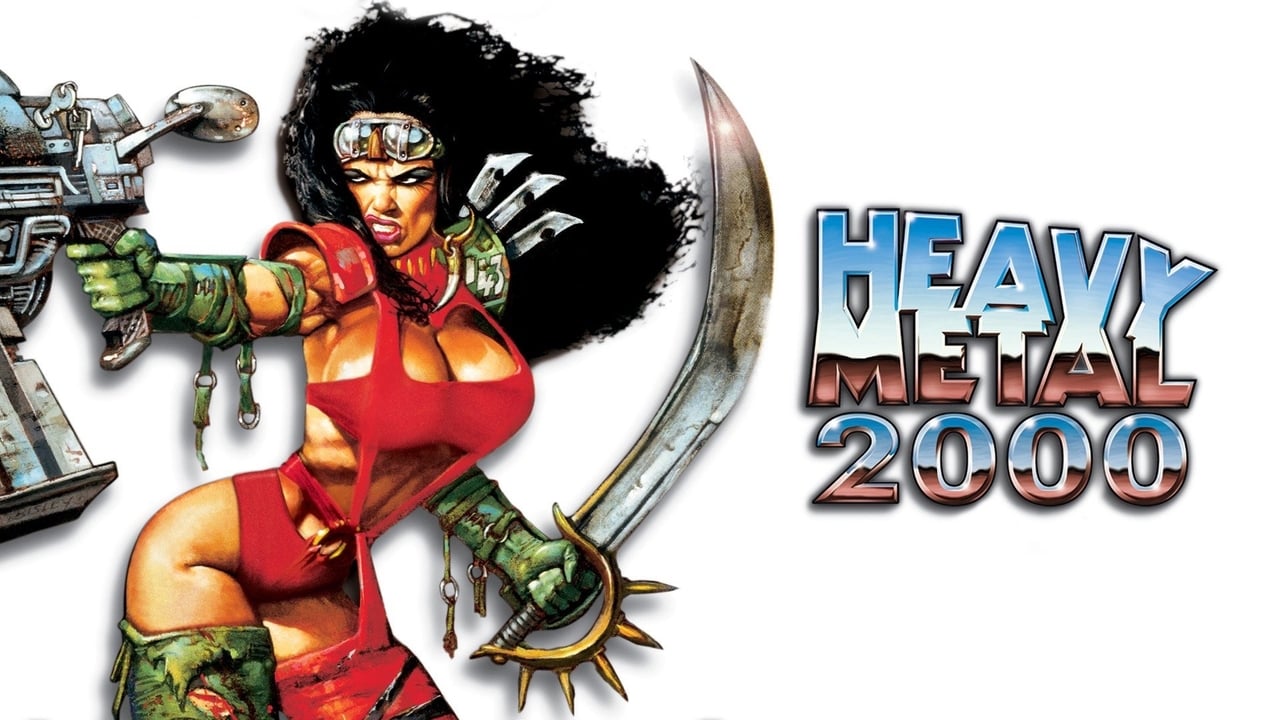
Yet, there’s an undeniable, pulpy charm here. It’s unapologetically adult, reveling in its T&A and gore with adolescent glee. It’s a time capsule of a certain kind of edgy, turn-of-the-century animation aimed squarely at the Spawn animated series crowd. It’s the sound of distorted guitars and the sight of impossible physics colliding in deep space. I remember grabbing this off the shelf at Blockbuster, the cover art promising exactly the kind of no-holds-barred sci-fi violence that felt like forbidden fruit. It delivered on that promise, even if it wasn't the transcendent experience the original Heavy Metal might have been.
Final Rating: 6/10
Justification: Heavy Metal 2000 gets points for its bold visual style attempting to replicate Simon Bisley's art, the powerhouse voice work from Michael Ironside, and its sheer, unadulterated commitment to violent, hyper-sexualized sci-fi action. Julie Strain voicing Julie is a unique meta touch. However, it loses points for a simplistic plot, repetitive action, less imaginative scope compared to the original, and animation that sometimes feels stiff. The soundtrack is effective but less timeless than the 1981 film's. It's a solid, if slightly hollow, echo of a legend.
Final Thought: While it never quite escaped the shadow of its monumental predecessor, Heavy Metal 2000 remains a fascinating artefact – a loud, messy, and aggressively stylized blast of Y2K-era animated rebellion that still headbangs defiantly on the fringes of cult fandom. It wasn't the second coming, but for a dose of pure, unrefined F.A.K.K.² energy, it scratches a particular, rusty itch.