The screen flickers, not with the tracking static of worn-out tape this time, but with an image so sharp, so impossibly detailed, it felt like a transmission from another, far darker future. Even arriving at the dawn of the DVD era in 2000, Vampire Hunter D: Bloodlust carried the soul of something older, something steeped in the grand gothic tradition that haunted the best horror shelves of our beloved video stores. It wasn't just animation; it was a tapestry woven from shadows, moonlight, and arterial spray, a visual feast that still feels decadent, almost forbidden.
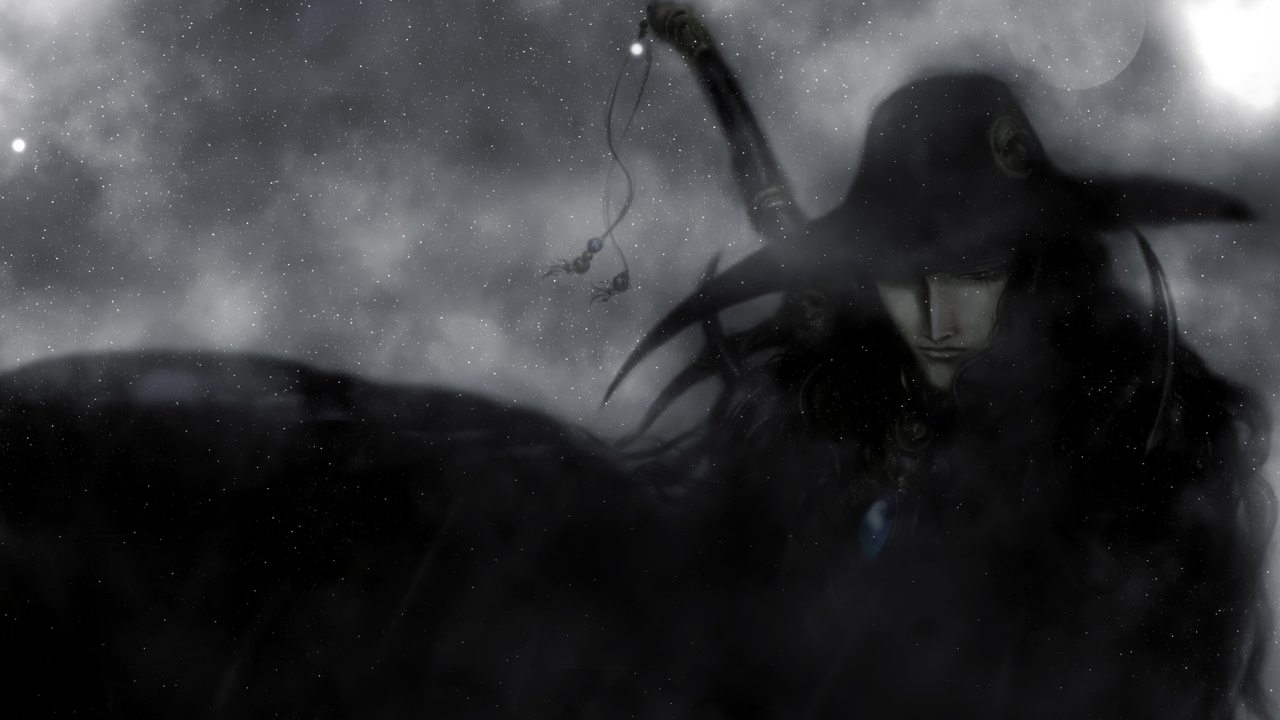
Directed by the legendary Yoshiaki Kawajiri, already a god-tier name to anime fans thanks to the visceral thrills of Ninja Scroll (1993) and the moody cyberpunk of Wicked City (1987), Bloodlust felt like a statement. This wasn't the sometimes charmingly rough 1985 Vampire Hunter D OVA many of us rented back in the day. This was a different beast entirely – leaner, meaner, and breathtakingly beautiful. Based on the third of Hideyuki Kikuchi’s sprawling D novels, "Demon Deathchase," the story drops us back into the far, far future (12,090 A.D. to be precise) where vampires, the Nobility, rule the night, though their power wanes. Our stoic, half-vampire protagonist, D (Andrew Philpot delivering a perfectly measured, quiet menace in the English dub), is hired for a grim task: retrieve Charlotte Elbourne, kidnapped by the powerful vampire Baron Meier Link (John Rafter Lee), dead or alive. But D isn't the only one on the hunt; the formidable Marcus Brothers, a rough-and-tumble crew of human hunters armed with grit and specialized gear, are after the same hefty bounty.
A Symphony of Shadows and Steel
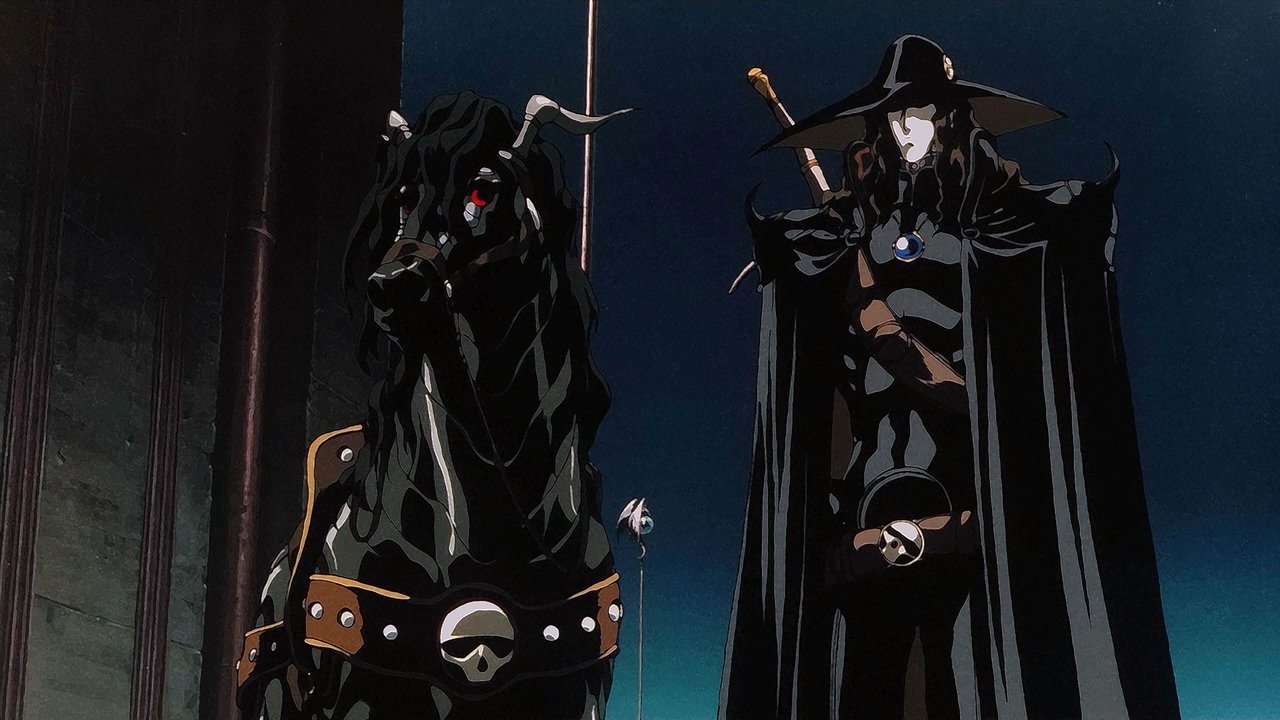
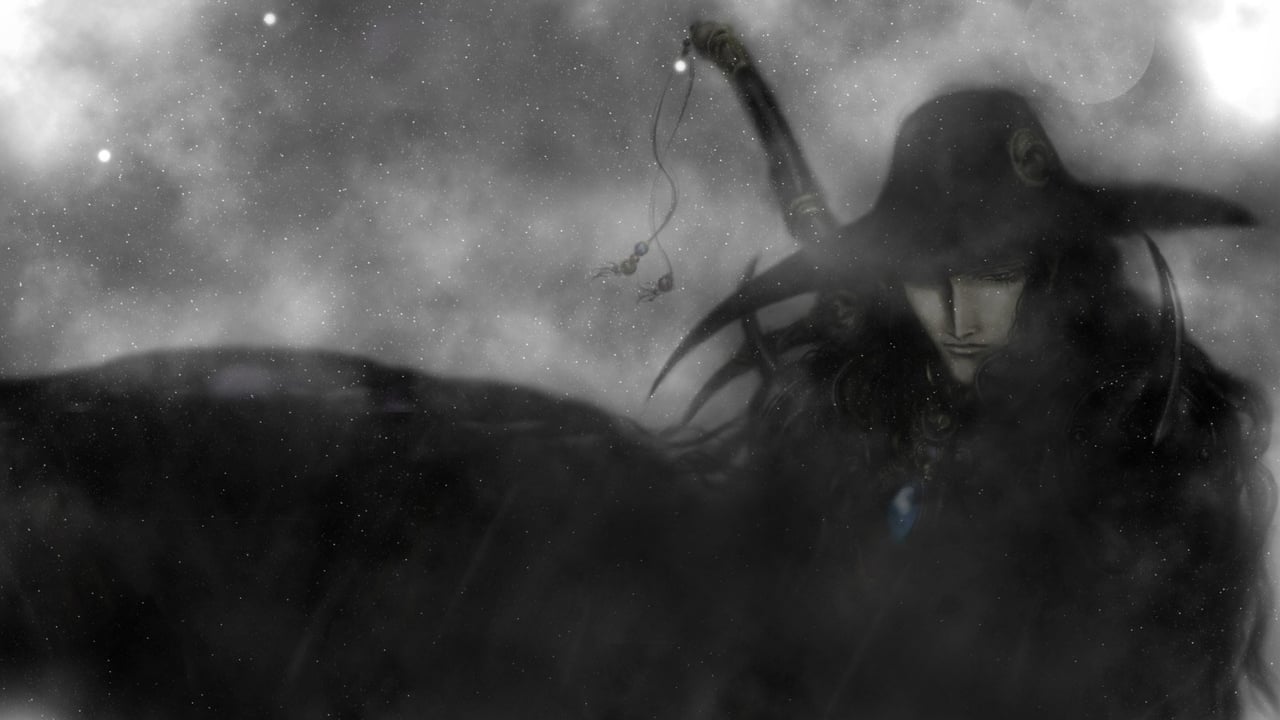
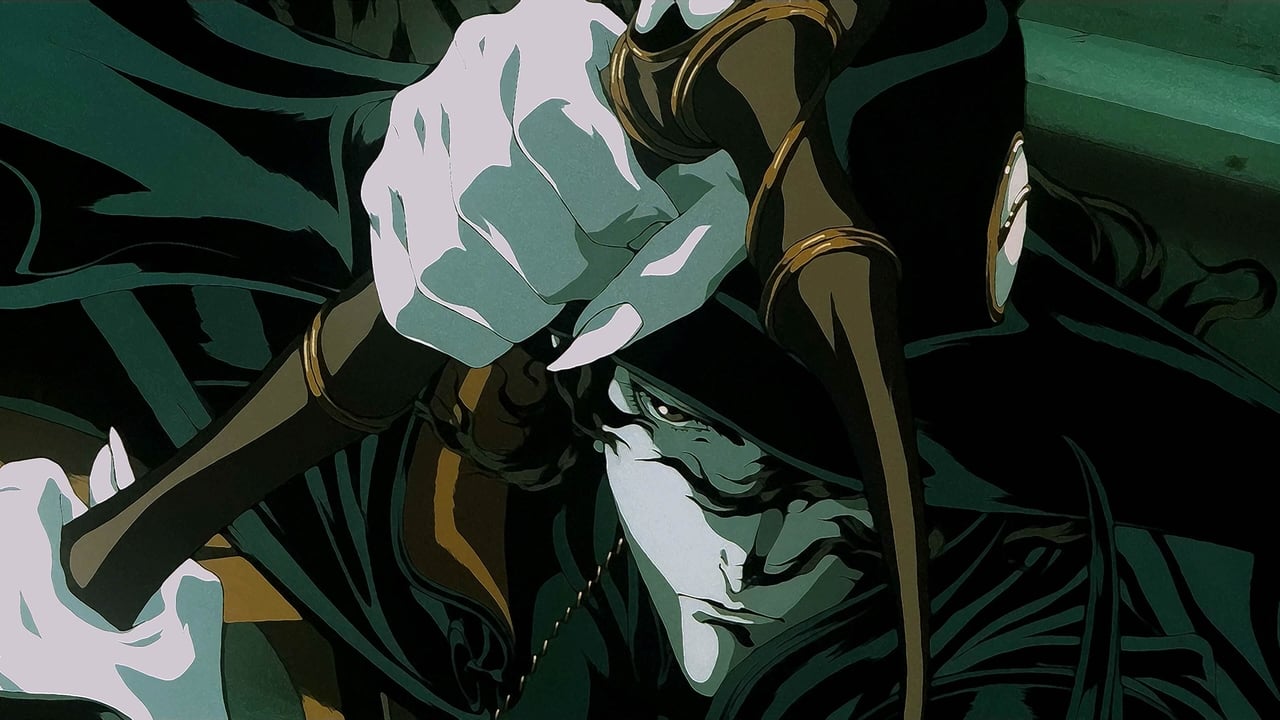
What immediately sets Bloodlust apart, then and now, is its staggering visual fidelity. Animated by the renowned Madhouse studio, this film reportedly benefited from a substantial budget (rumored around $20 million – a king's ransom for anime at the time, easily over $35 million today) and Kawajiri used every cent. The character designs, meticulously adapted by Yutaka Minowa from the ethereal, iconic artwork of Yoshitaka Amano (famous for his Final Fantasy illustrations), are exquisite. D himself is the perfect gothic anti-hero: impossibly tall, impossibly cool, his symbiotic Left Hand (voiced with mischievous glee by Mike McShane) providing cryptic commentary and occasional eldritch assistance. Meier Link isn't just a monster; he’s a figure of tragic nobility, draped in impossible capes and ancient sorrow. And Charlotte (Wendee Lee)? She transcends the damsel trope, becoming a complex figure in a doomed romance.
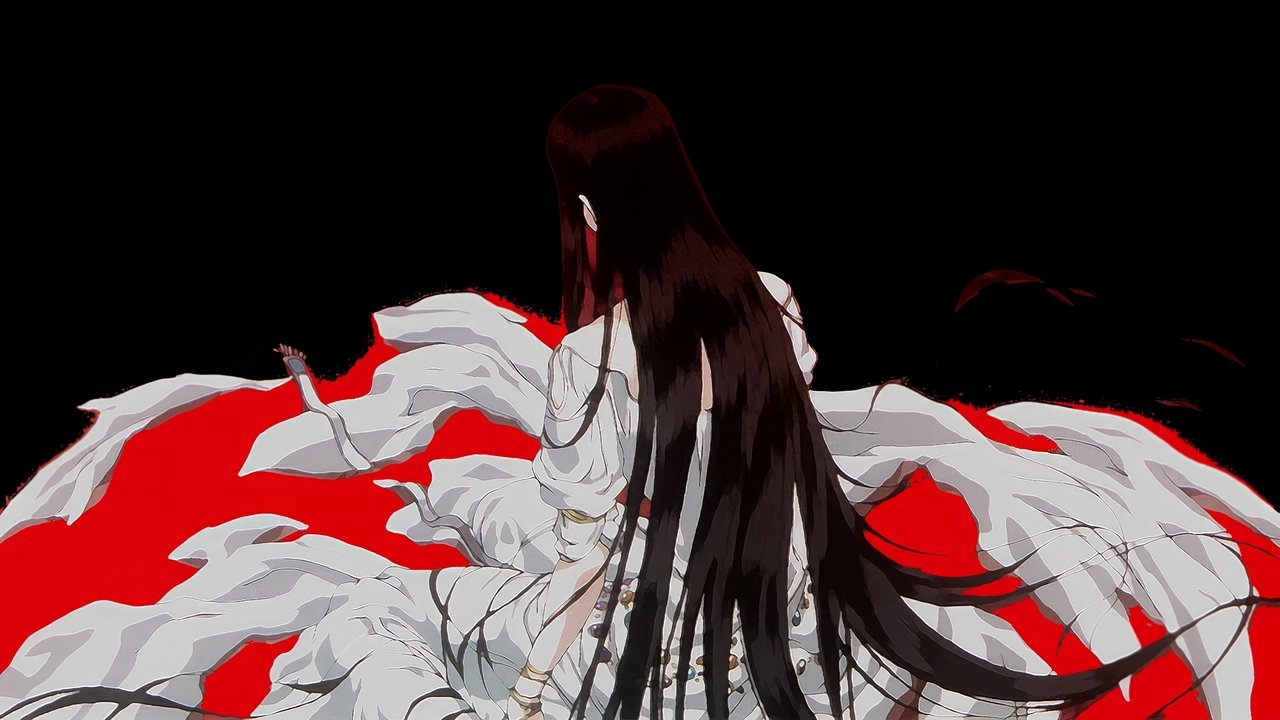
The world itself breathes. Every frame is dense with detail, from the decaying grandeur of ancient vampire castles that pierce the sky like broken teeth, to the dust-choked frontier towns clinging to existence. This isn't just background; it's character. The blending of post-apocalyptic sci-fi, gothic horror, and surprisingly effective Western tropes creates an atmosphere thick enough to choke on. You feel the chill wind sweeping across desolate plains, the oppressive silence of crypts untouched for centuries. It’s a world meticulously crafted to inspire awe and dread in equal measure. Remember the sheer detail in the Barbarois mutants, those grotesque, fascinating guardians Meier employs? Each one felt like a creature pulled from a nightmare Beksinski might have painted, rendered with terrifying fluidity.
Blood Opera on the High Plains
While the atmosphere is king, Kawajiri doesn't skimp on the action. The clashes between D, the Marcus Brothers, and Meier Link's monstrous protectors are balletic displays of violence. D's swordsmanship is impossibly fast, elegant yet brutal. The Marcus Brothers utilize brute force and cunning tech – Leila's (Pamela Adlon) agility and Nolt's (John DiMaggio) sheer power make for dynamic contrasts. These aren't just quick cuts and flashes; they are intricate sequences where every parry, every monstrous transformation, every explosion is rendered with painstaking care. It’s the kind of animation that makes you lean closer to the screen, trying to absorb every impossible detail, something that felt revolutionary compared to much of the TV anime fare trickling onto Western shores via traded tapes in the years prior.
The production wasn't without its interesting footnotes. As a Japanese-American co-production, it was explicitly designed for international appeal, hence the stellar English voice cast assembled early on (unlike many anime licenses of the era which were dubbed later). This focus perhaps contributed to its smoother narrative flow compared to some more esoteric anime titles. The score by Marco D'Ambrosio is another highlight, a haunting orchestral piece that perfectly complements the film's operatic scope and melancholic heart, shifting seamlessly from eerie suspense to pulse-pounding action cues.
Enduring Elegance
Does Vampire Hunter D: Bloodlust hold up? Absolutely. Its animation remains a high watermark, a testament to the power of traditional cel animation pushed to its absolute limit just as CGI was beginning its inexorable takeover. The story, while centered on a chase, delves into themes of love defying boundaries, prejudice (human vs. vampire, dhampir vs. both), mortality, and the weight of eternal existence. D’s silent suffering and unwavering code are eternally compelling. Meier and Charlotte’s tragic romance resonates with a surprising depth. Did the gothic melodrama occasionally border on excessive? Perhaps. But within this meticulously crafted world, it felt earned, essential even.
It's a film that feels both timeless and perfectly situated at the cusp of a new millennium, carrying the dark fantasy torch passed down from the 80s and 90s into a new era of animation possibilities. It captured that feeling of discovering something truly special, something visually unlike anything else, a feeling many of us chased from shelf to shelf in the video store days.
Rating: 9/10
The score reflects the film's astonishing technical achievement in animation, its potent atmosphere, strong direction, and compelling, mature storyline that elevates it far beyond a simple monster hunt. It might lose a single point for moments where the sheer spectacle slightly overshadows deeper character nuance, but it's a minor quibble in the face of such artistry. Bloodlust isn't just a great anime film; it's a haunting piece of dark fantasy cinema that remains sharp, beautiful, and utterly unforgettable, a chilling reminder of how captivating animation could be when aiming for pure, gothic grandeur.