Okay, fellow tape-trackers, let's dust off a slightly newer gem that still feels right at home in our VHS Heaven collection. While technically hitting screens in 2000, Escaflowne: The Movie (sometimes known as Escaflowne: A Girl in Gaea) carries the distinct echo of that late 90s anime wave that crashed onto Western shores, often discovered through meticulously traded fansub tapes or those early, precious official VHS releases. It arrived like a bolt from the blue – a darker, cinematic reimagining of a TV series many of us were just discovering, promising epic fantasy and giant robots on a scale that felt truly theatrical.
### A Familiar World, Seen Through a Darker Lens
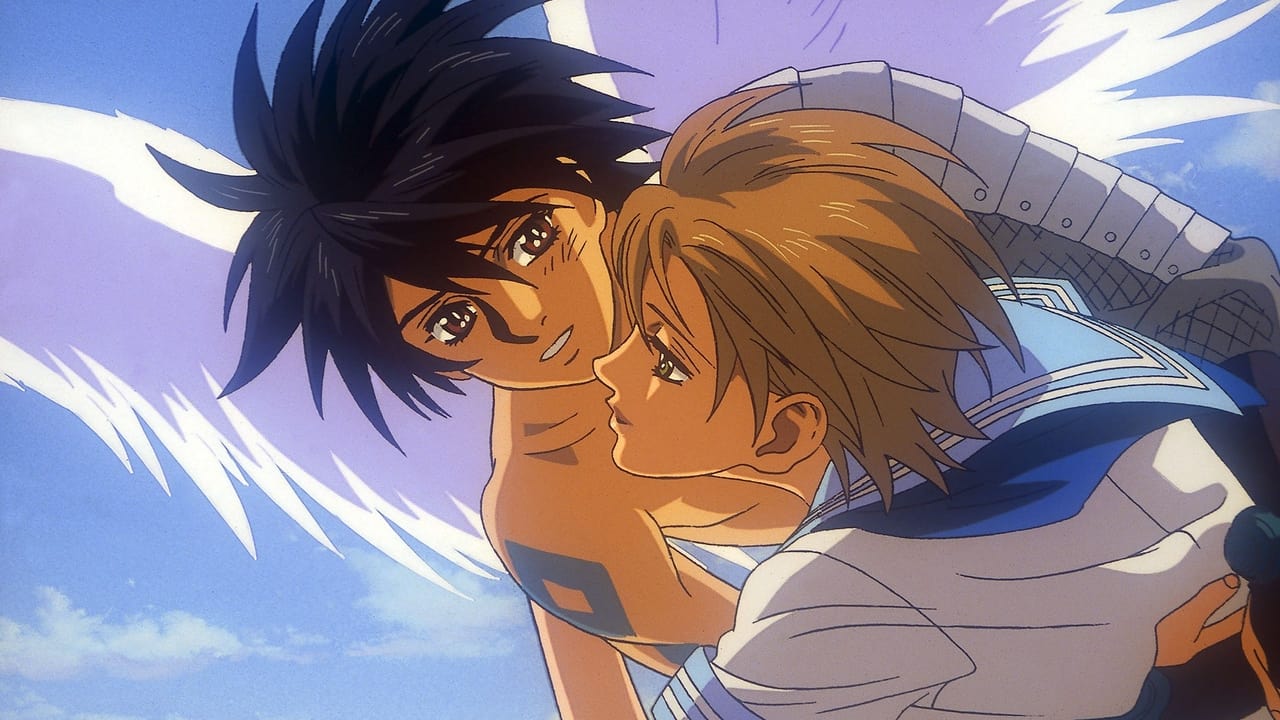
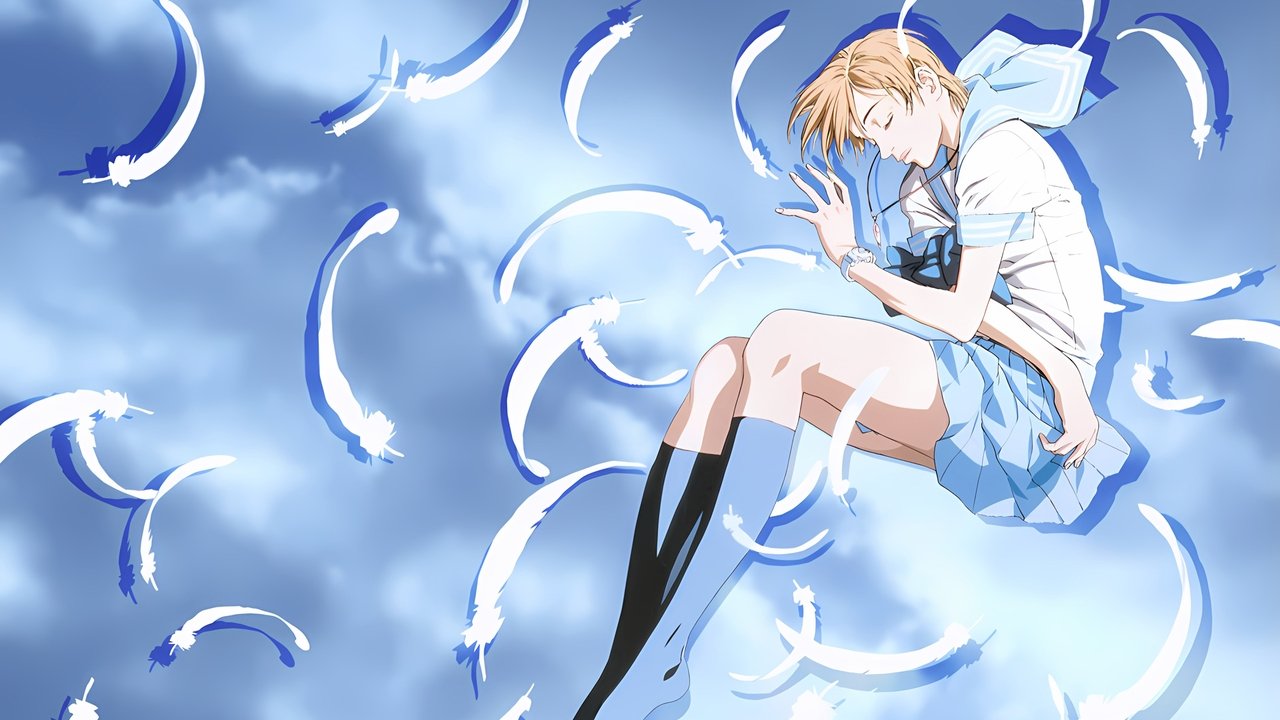
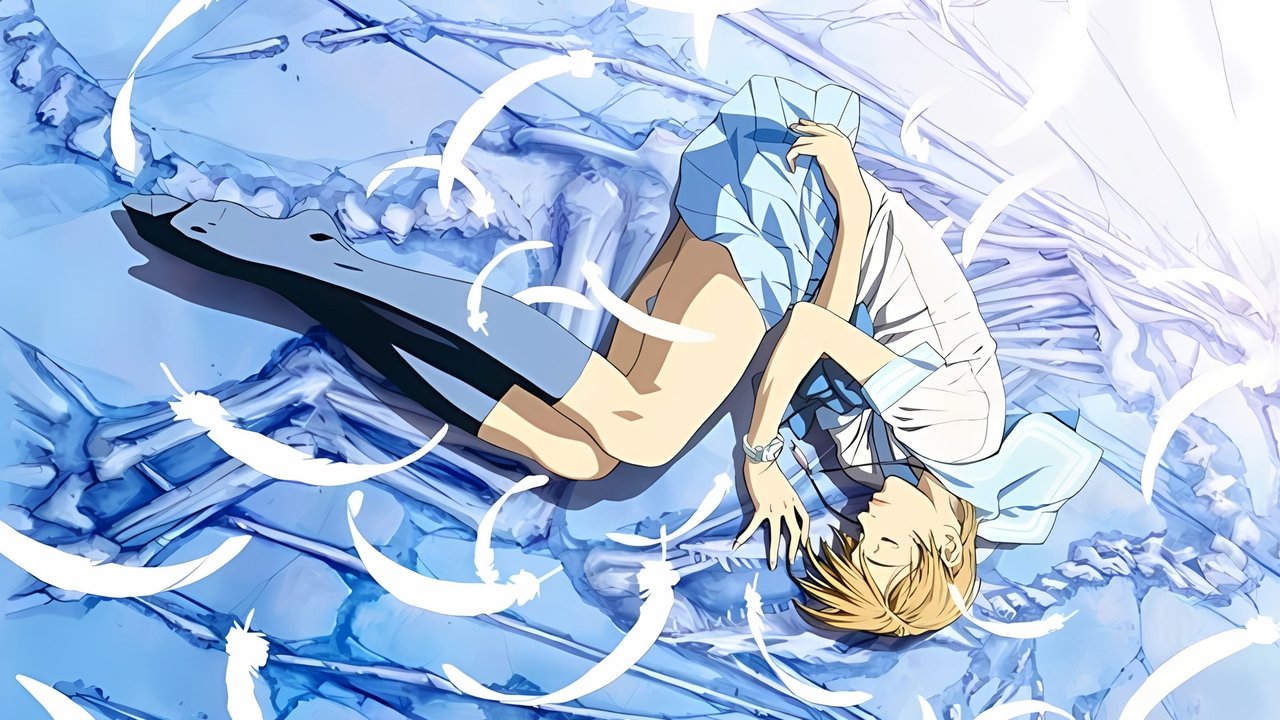
Forget the sprawling political intrigue and lighter moments of the original The Vision of Escaflowne (1996) TV series for a moment. Director Kazuki Akane, returning from the series alongside original creator and mecha design maestro Shoji Kawamori, opted for a condensed, moodier interpretation here. Penned by Ryota Yamaguchi (who also worked on the series), the movie presents a parallel narrative, not a direct sequel or prequel. Our familiar protagonist, Hitomi Kanzaki (voiced with aching vulnerability by Maaya Sakamoto, who reprised her role), is painted here not as a relatively upbeat high school runner, but as a deeply depressed young woman contemplating suicide. Her sudden transport to the war-torn world of Gaea isn't just bewildering; it's potentially a twisted answer to her despair.
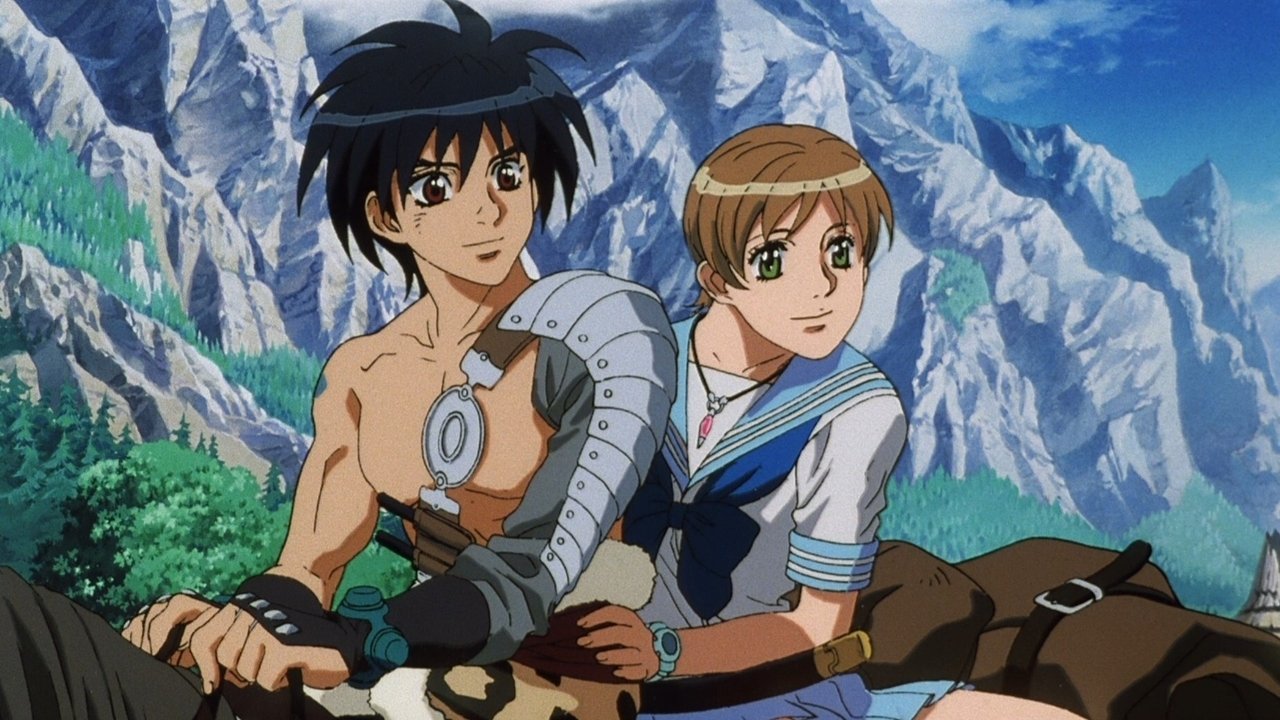
This tonal shift is immediate and striking. Gaea feels less like a vibrant fantasy world and more like a brutal, dying land under the shadow of the ominous Black Dragon Clan, led by the ruthless Lord Folken (Shin-ichiro Miki, also returning but portraying a very different Folken). Van Fanel (the returning Tomokazu Seki), the volatile young king, is introduced not with boyish angst but with raw, vengeful fury, clad in imposing armor even before piloting the legendary guymelef, Escaflowne. It's a bold move, focusing squarely on the core emotional triangle between Hitomi, Van, and the dashing knight Allen Schezar, while streamlining the vast cast and complex plotlines of the original.
### Visual Splendor, Auditory Bliss
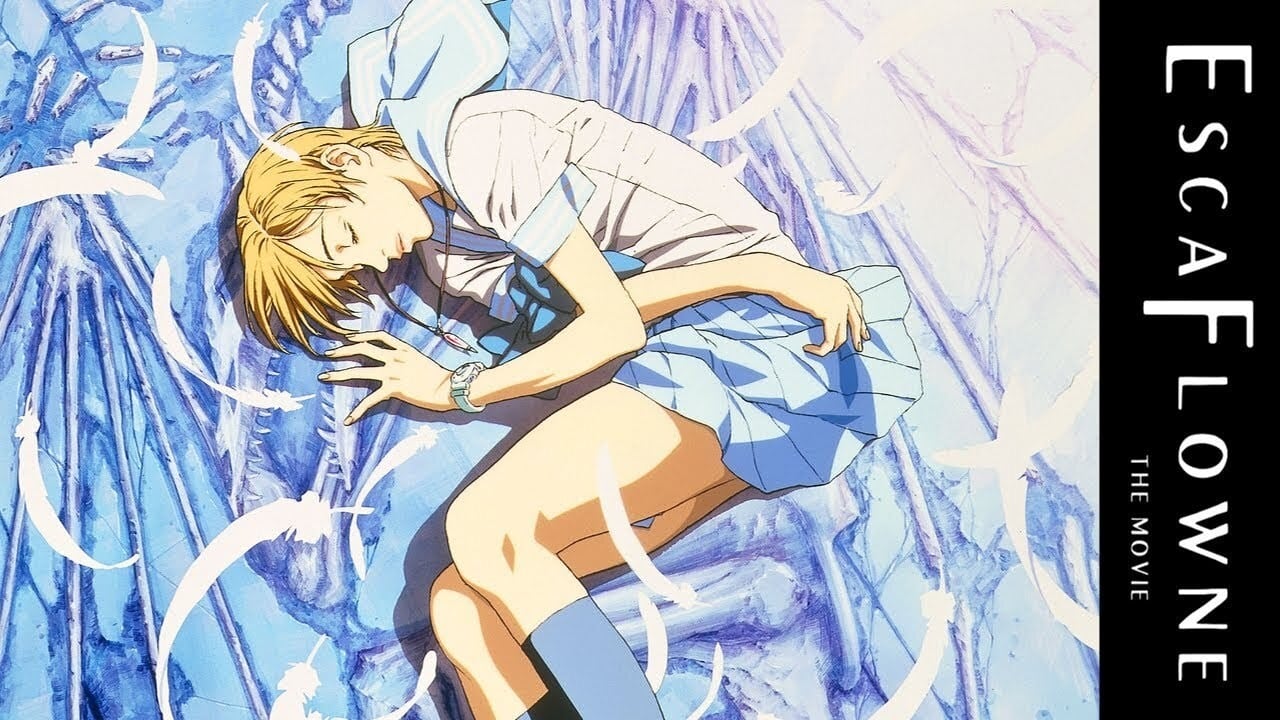
If there's one area where Escaflowne: The Movie absolutely shines, it's the sheer production value. This film looks gorgeous. The animation, a blend of traditional cel work and burgeoning early-00s CGI, is fluid, detailed, and often breathtaking. Studio Sunrise clearly threw significant resources at this project. The guymelef battles, particularly Escaflowne’s visceral, almost feral transformations and combat, possess a weight and impact that surpassed much of the TV animation of the era. Watching the intricate clockwork mechanisms of Escaflowne unfold, or the sweeping, desolate landscapes of Gaea rendered with such painterly detail, felt like a true cinematic event, even on a fuzzy CRT screen via a well-loved tape. I remember being captivated by the sheer artistry on display; it felt like a storybook brought to life with uncommon intensity.
And the sound! The legendary Yoko Kanno returned to compose the score, collaborating with Hajime Mizoguchi. While some iconic themes from the series are revisited, the movie’s score is largely new, darker, and more operatic. It perfectly complements the visuals, swelling during moments of high drama and underscoring the pervasive sense of melancholy. Maaya Sakamoto's haunting theme song, "Yubiwa" (Ring), became an instant classic for many anime fans, perfectly capturing the film's bittersweet atmosphere. It’s the kind of soundtrack that burrowed into your soul back then, playing on repeat on your Discman long after the credits rolled.
### Retro Fun Facts & Adaptation Choices
One fascinating aspect is how Escaflowne: The Movie functions as an early example of a major anime franchise receiving a theatrical "reimagining" rather than a straightforward adaptation or continuation – something we see much more commonly today. The decision to drastically alter Hitomi's initial characterization was controversial among some series fans, but it undeniably gives the film a distinct identity. The production aimed for a more standalone experience, accessible even to newcomers, though arguably it resonates most deeply if you have some familiarity with the source material to appreciate the contrasts.
Interestingly, despite the visual upgrade, some character designs were simplified slightly compared to Nobuteru Yūki's original TV series designs, perhaps to facilitate the demanding animation required for the fluid action sequences. The film condensed roughly 26 episodes of intricate plot into about 98 minutes, inevitably leading to a feeling of narrative rush for some viewers. Key characters like the charming cat-girl Merle or the calculating Dilandau are either absent or significantly altered, a necessary casualty, perhaps, of the tighter focus. This streamlining, while making it more self-contained, does sacrifice some of the world-building richness that made the TV series so beloved.
### Legacy and Final Thoughts
Escaflowne: The Movie occupies a curious space. It’s undeniably a visual and auditory feast, a testament to the ambition of theatrical anime at the turn of the millennium. The animation holds up remarkably well, and the darker, more focused narrative offers a compelling, if different, take on the core characters. However, its condensation of the sprawling source material and significant tonal shifts mean it doesn’t quite replace the original series in the hearts of many fans. It feels less like the definitive Escaflowne story and more like a beautiful, intense, slightly melancholic dream experienced within that universe.
For those of us who caught it back in the day, perhaps renting it from Blockbuster or that specialist import store, it felt like a glimpse into the epic possibilities of anime on the big screen. It was serious, beautiful, and packed an emotional punch, even if the story felt a little breathless.
VHS Heaven Rating: 7.5/10
Justification: The score reflects the film's stunning technical achievements – the gorgeous animation and sublime score are undeniable highlights (easily 9/10 territory). However, the narrative streamlining and significant alterations from the beloved TV series, while creating a distinct experience, can feel rushed and less emotionally resonant for some, particularly those deeply attached to the original's broader scope and character arcs, pulling the overall score down slightly. It’s a visual marvel and a potent mood piece, but perhaps not the perfectly balanced epic it aspired to be.
Final Thought: A visually stunning, darkly romantic detour to Gaea that might not capture the full magic of the original journey, but still offers breathtaking sights and sounds well worth revisiting on a quiet night. It’s a beautiful piece of turn-of-the-century anime ambition.