It wasn't every day in the mid-90s that a dragon filled your CRT screen, not just as a fleeting monster, but as a character – witty, weary, and wonderfully realized. Long before digital creatures became commonplace, DragonHeart landed in 1996 like a thunderclap, bringing with it a blend of classic sword-and-sorcery adventure and groundbreaking visual effects that felt genuinely magical on that worn-out VHS tape. It captured a sense of mythic grandeur mixed with an unexpected buddy-comedy dynamic, a combination that still resonates with a particular charm.
To Slay a Dragon, or Befriend One?
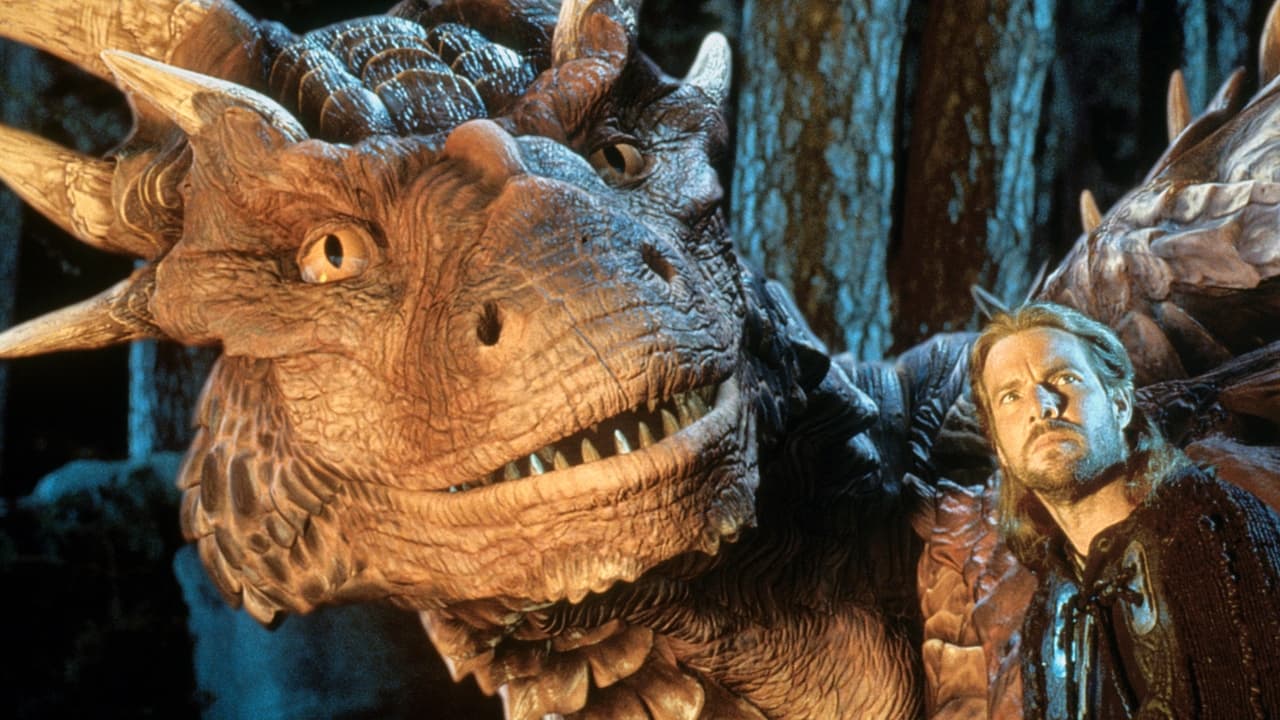
At its core, DragonHeart tells the tale of Bowen (Dennis Quaid), a knight of the Old Code, disillusioned after his protégé, Prince Einon, grows into a tyrannical king. Believing dragon-kind responsible for corrupting Einon's heart (literally!), Bowen becomes the realm's most renowned dragonslayer. That is, until he encounters the last dragon, a magnificent beast voiced with inimitable gravitas and wry humor by the legendary Sean Connery. Their initial battle ends not in death, but in a grudging stalemate and, eventually, a rather clever business arrangement: staging dragon attacks for Bowen to "heroically" thwart, bilking villagers along the way. It's a delightful twist on the standard fantasy trope, injecting welcome humour into the proceedings.
Dennis Quaid, ever the earnest hero, plays Bowen with a rugged conviction that anchors the film, even if his accent occasionally takes a scenic route through the British Isles. But the real scene-stealers are arguably his co-stars. David Thewlis, just a few years after his stunning turn in Naked (1993), sinks his teeth into the role of King Einon, crafting a villain who isn't just mustache-twirlingly evil, but chillingly petty, cruel, and utterly self-absorbed. It's a performance that elevates the stakes considerably. And we absolutely cannot forget the late, great Pete Postlethwaite as Brother Gilbert, a wandering monk and aspiring poet who provides much of the film's gentle comedy and historical perspective. His presence adds a layer of quirky warmth that perfectly complements the epic scale.
The Magic Behind the Scales
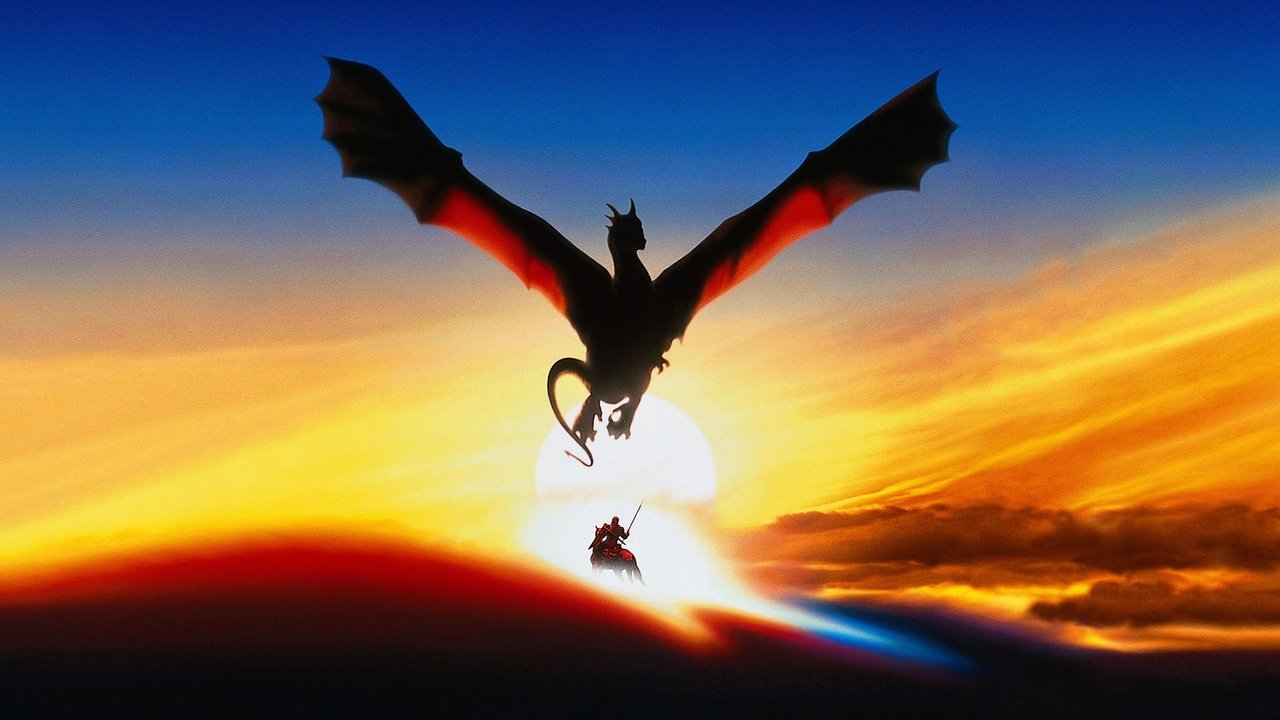
Let's talk about Draco. For 1996, the CGI work by Industrial Light & Magic (ILM) was nothing short of revolutionary. Directed by Rob Cohen (who would later give us the high-octane thrills of The Fast and the Furious (2001)), the film seamlessly blended this digital marvel with live-action actors and practical sets. Watching Draco converse, emote, and take flight felt like witnessing a genuine cinematic breakthrough. It’s fascinating trivia that the animators reportedly studied Sean Connery's facial expressions during recording sessions, incorporating subtle elements of his mannerisms into Draco's design, adding an extra layer of personality that pure technology couldn't capture. Sure, compared to today's hyper-realistic digital creations, the effects might show their age, but back then? Pure awe. It reportedly took a hefty $57 million budget (around $100 million today) to bring Draco to life, but the gamble paid off, earning a respectable $115 million worldwide and an Oscar nomination for Best Visual Effects.
The screenplay, penned by Charles Edward Pogue (who also adapted Cronenberg's The Fly (1986)) from a story concept by Patrick Read Johnson simmering since the late 80s, taps into timeless themes: the loss of honor, the burden of sacrifice, redemption, and the power of unlikely friendships. There’s a genuine heart beating beneath the fantasy trappings, particularly in the evolving bond between Bowen and Draco. Their shared weariness with the world and their eventual commitment to a greater cause gives the film an emotional weight that lingers. Enhancing this emotional core is Randy Edelman's magnificent score – soaring, heroic, and tinged with melancholy, it’s one of the truly memorable fantasy soundtracks of the decade. I distinctly remember humming that main theme for weeks after first renting the tape.

A Relic Worth Revisiting
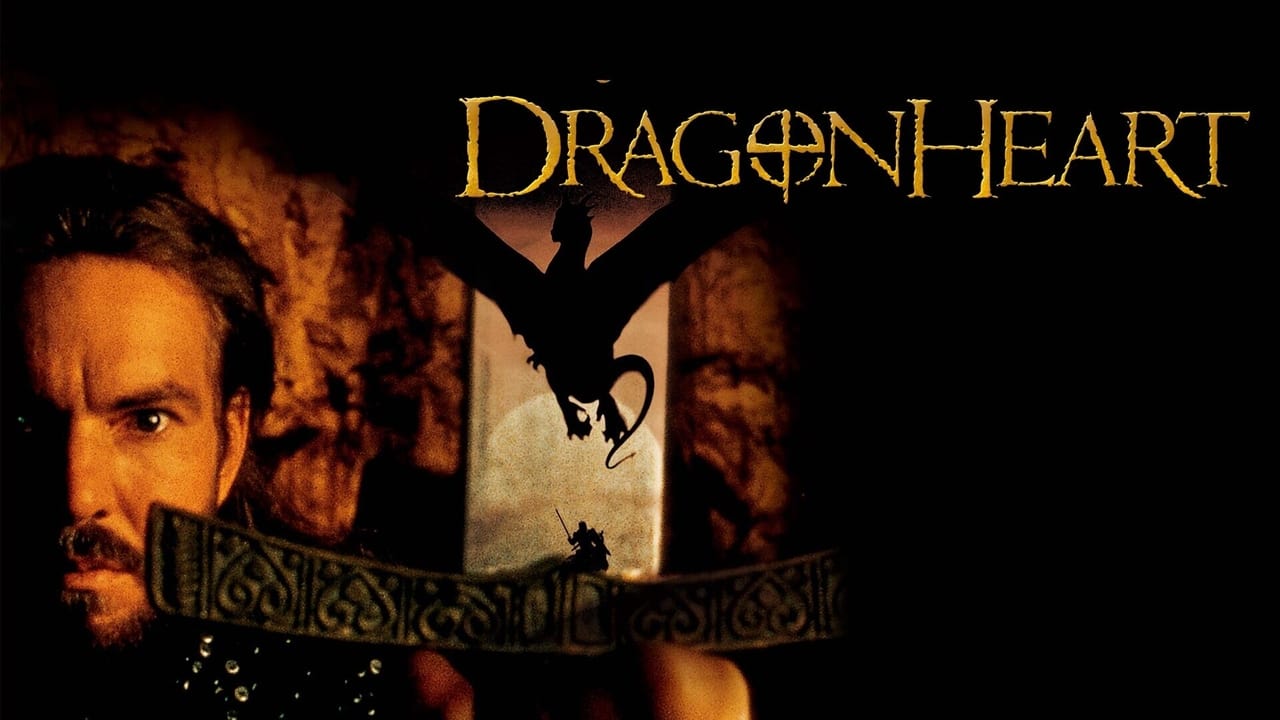
DragonHeart occupies a special place – it’s a bridge between the practical effects era and the dawn of ubiquitous CGI. It carries the earnest, slightly heightened tone common in 90s fantasy but pairs it with then-cutting-edge technology. It spawned several direct-to-video sequels and prequels of varying quality, but none quite captured the magic or the technical significance of the original. Seeing it again evokes that specific mid-90s feeling – a time when digital magic was still fresh and surprising, capable of making you truly believe a knight and a dragon could share the screen, and maybe even save the world together. We all have those films that felt like pure escapism on a Saturday afternoon viewing, and for many, DragonHeart was definitely one of them.
VHS Heaven Rating: 8/10
DragonHeart earns a solid 8 for its groundbreaking (for the time) visual effects, Sean Connery's iconic voice work bringing Draco to life, David Thewlis's deliciously evil turn as Einon, and its genuinely heartfelt story about honor and friendship. While some aspects feel dated, its ambition, charm, and Randy Edelman's stirring score overcome minor quibbles. It perfectly captured a moment when fantasy cinema was evolving, delivering spectacle with surprising soul.
It’s a film that reminds us that even in cynical times, stories of nobility, sacrifice, and talking dragons can still lift the spirit – a true treasure from the age of tracking adjustments and rewind buttons.