Cast your mind back to the cusp of the new millennium. The air crackled not just with Y2K anxiety, but with an electric energy fueled by pocket monsters. Pokémania was at its absolute zenith, a cultural phenomenon that swept playgrounds, card shops, and living rooms worldwide. Following the tear-jerking (admit it!) success of Mewtwo Strikes Back, the anticipation for the next cinematic chapter was immense. And then, blasting onto screens with the force of a Hyper Beam, came Pokémon the Movie 2000: The Power of One (or simply Revelation Lugia in its native Japan), promising an adventure of truly legendary proportions. For many of us clutching our Game Boys, this wasn't just another movie; it felt like witnessing mythology unfold on the big screen.
### An Elemental Prophecy Unfolds
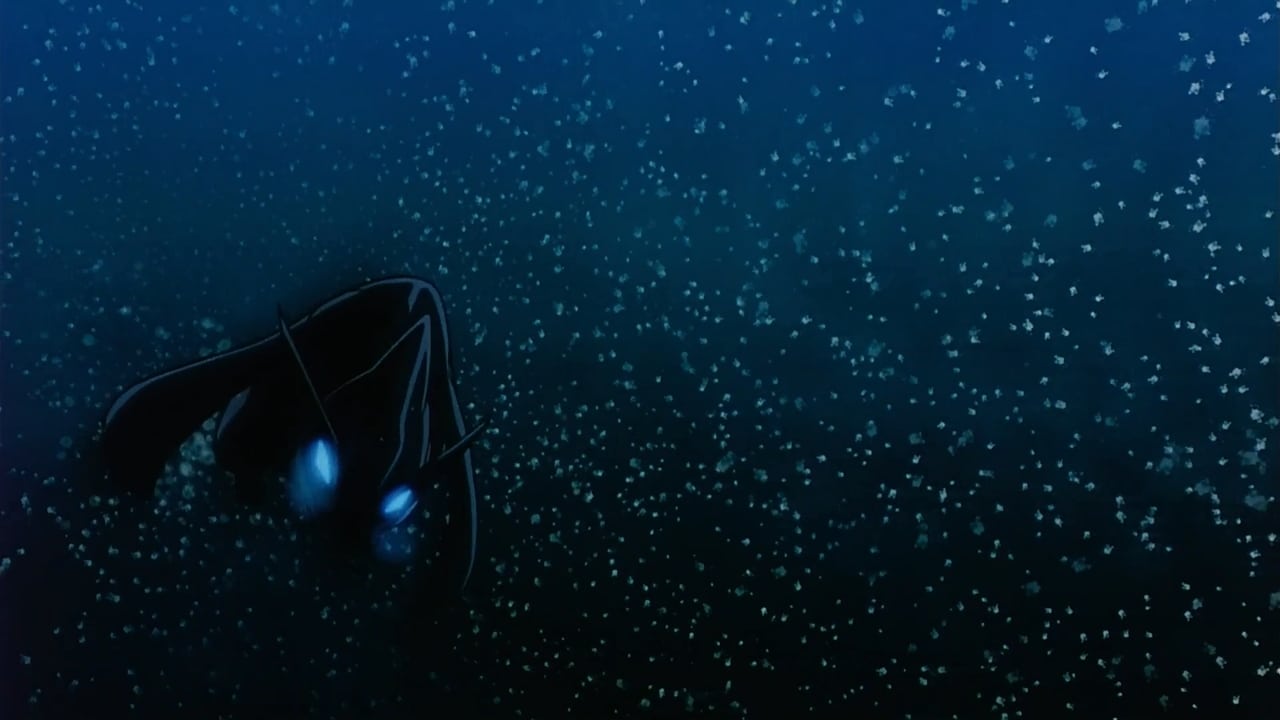
Dropping us into the vibrant, tropical setting of the Orange Islands – a refreshing change of scenery from the Kanto mainland familiar from the games and show – the film wastes little time setting the stakes. Ash, Misty, and the ever-observant Tracey Sketchit (giving Brock a well-deserved break) stumble into the middle of an ancient festival centered around a prophecy foretelling elemental chaos. It speaks of the legendary bird trio – Moltres, Zapdos, and Articuno – being disturbed, threatening the world's balance, and the emergence of a great guardian, Lugia, alongside a "Chosen One" destined to restore harmony.
This setup immediately signals a shift from the first film's more introspective, clone-focused drama. Helmed once again by veteran Pokémon director Kunihiko Yuyama, Pokémon 2000 leans heavily into grand-scale action and adventure. The plot revolves around Lawrence III, a uniquely motivated antagonist. He’s not driven by world domination, but by the obsessive desire of a collector – albeit one with a colossal, high-tech flying fortress and a penchant for capturing gods. His disturbance of the legendary birds is what kicks off the film's environmental catastrophe, providing a spectacular visual feast of warring elements.
### Voices We Knew and Loved
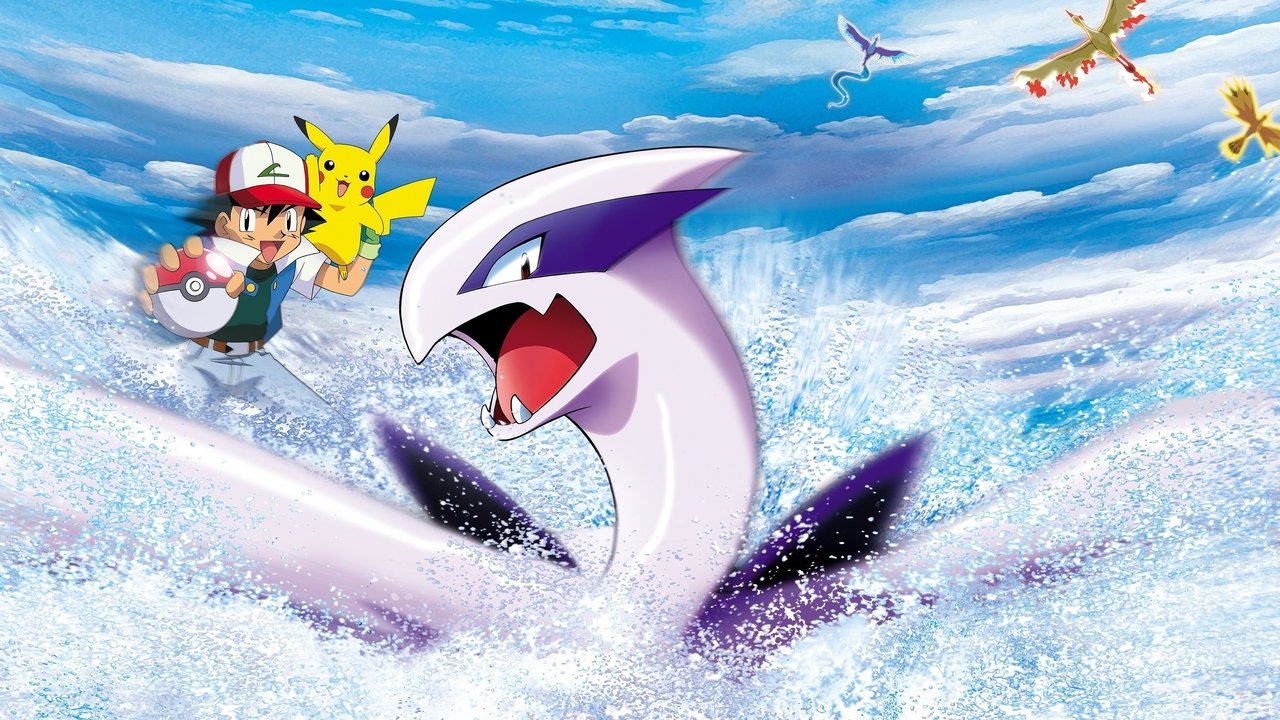
Part of the enduring charm comes from slipping back into the familiar rhythms of our heroes. Veronica Taylor's Ash Ketchum is as endearingly dense and determined as ever, thrust into a heroic role he doesn't fully grasp but tackles with typical gusto. Rachael Lillis brings Misty's blend of exasperation and loyalty, while Eric Stuart voices Tracey, offering a slightly calmer, more analytical presence than Brock.
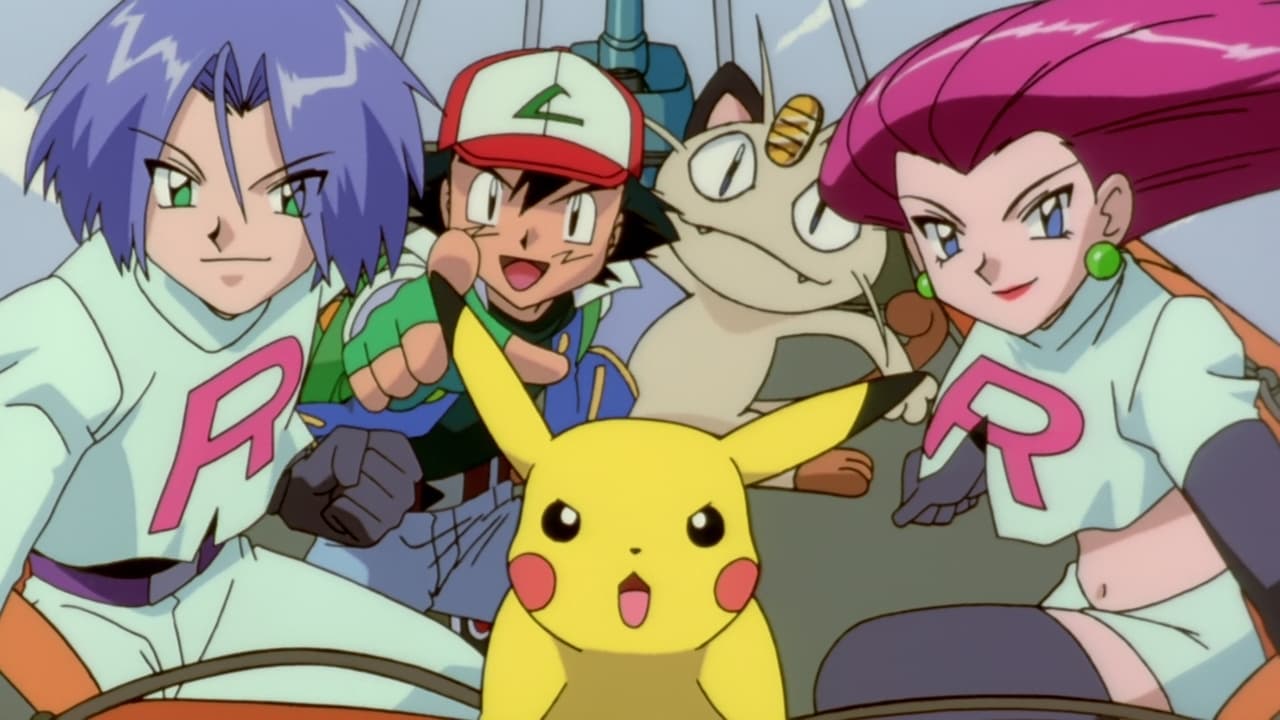
And let's not forget Team Rocket! In a delightful twist that became something of a welcome trope in these early movies, Jessie, James, and Meowth find themselves inadvertently helping the "twerps," delivering some genuinely funny lines and showcasing a surprising, if self-serving, streak of heroism. Their realization that "if the world is destroyed, there's no one left to steal Pokémon from" is peak Team Rocket logic, and frankly, quite sound.
### Spectacle on the High Seas
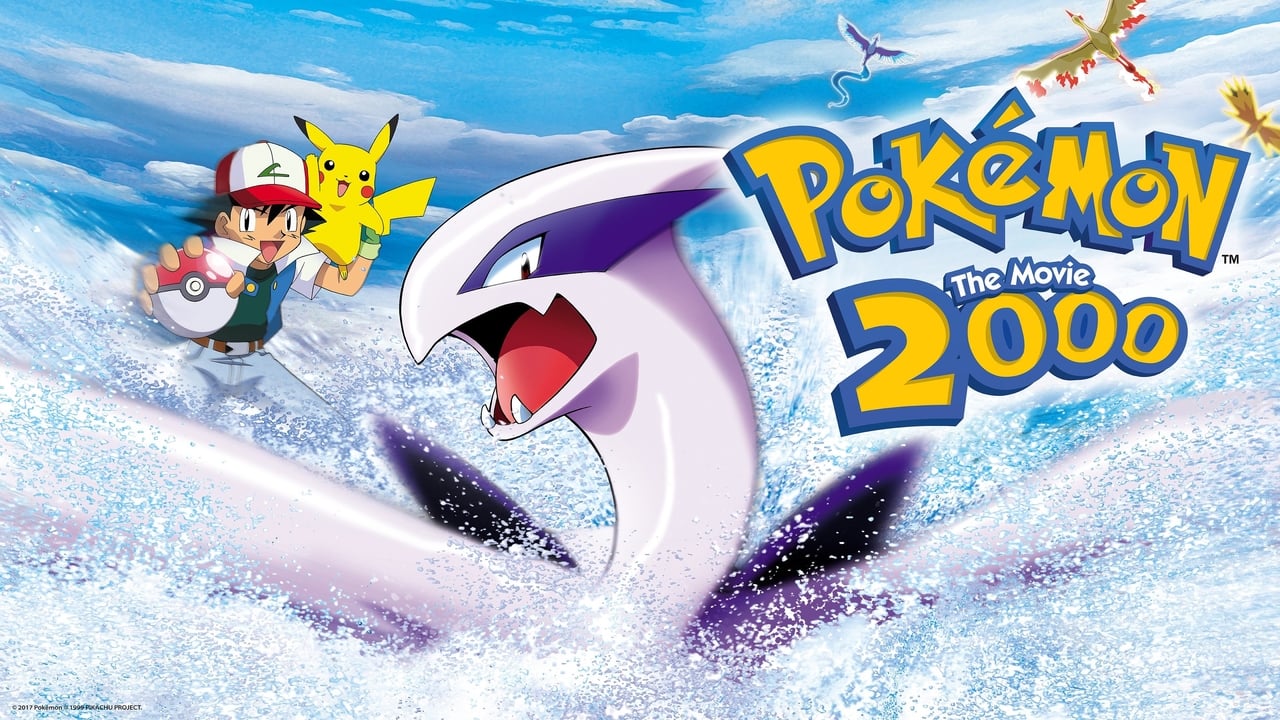
Where Pokémon 2000 truly shines, especially viewed through the lens of late-90s animation, is in its spectacle. The battles between the legendary birds are genuinely thrilling – fiery clashes, crackling lightning, and freezing blizzards rendered with a scope and energy that surpassed the weekly TV show. Lawrence III's menacing flying fortress, a technological marvel bristling with capture devices, felt genuinely imposing. And then there's Lugia. Its arrival, heralded by that hauntingly beautiful melody ("Lugia's Song"), is a genuinely stirring cinematic moment. The sheer scale and grace of the guardian of the sea captured imaginations and instantly cemented Lugia as a fan-favorite legendary.
The animation, handled by OLM, Inc., the studio synonymous with Pokémon, maintained the familiar character designs but elevated the backgrounds, effects animation, and overall sense of scale for the theatrical release. Watching Ash bravely (or foolishly) zip between islands on Lugia's back amidst raging storms felt like a proper blockbuster moment back then.
### Retro Fun Facts: More Than Meets the Eye
Digging into the history of Pokémon 2000 reveals some fascinating tidbits that add colour to its legacy. The prominent "Chosen One" prophecy and the theme song "The Power of One" (memorably performed by disco legend Donna Summer for the English soundtrack!) were actually additions by the 4Kids Entertainment localization team. The original Japanese script, penned by Takeshi Shudo (who conceived much of the early Pokémon anime's darker potential) and Hideki Sonoda, focused more directly on environmental themes and the natural balance disrupted by human greed, without explicitly naming Ash as the single prophesied hero. This difference subtly shifts the narrative weight, but the English version undeniably resonated with its target audience.
Financially, the film was a solid success, riding the wave of Pokémania to gross nearly $134 million worldwide against an estimated budget likely around the $30 million mark (though precise figures are hard to nail down). It might not have quite replicated the staggering numbers of the first movie, but it proved the franchise had serious staying power on the big screen. Oh, and who could forget the delightful "Pikachu's Rescue Adventure" short that preceded the main feature? These charming, dialogue-light adventures focusing solely on the Pokémon were always a treat. And for many cinemagoers, the promotional ancient Mew trading card handed out at screenings became an instant playground treasure.
### Still Got the Power?
Watching Pokémon the Movie 2000 today is like opening a time capsule. The animation holds up surprisingly well, retaining its distinct style. The plot is straightforward, certainly, lacking the philosophical heft of its predecessor, but it fully delivers on its promise of high-stakes adventure. It’s a film driven by action, spectacle, and the simple, powerful message that even one person (with a lot of help from their Pokémon!) can make a difference. Does it feel a little dated? Sure, particularly some of the dialogue and the very specific late-90s vibe of the English soundtrack. But the core thrill of seeing these legendary creatures clash, the warmth of the familiar characters, and the sheer nostalgic power it wields are undeniable.
Rating: 7/10
This score reflects Pokémon the Movie 2000's success as exactly what it aimed to be: a thrilling, visually engaging adventure for fans that perfectly captured the zeitgeist of Pokémania. While the story is simpler than the first film's and heavily influenced by its English localization choices, the introduction of Lugia, the spectacular elemental battles, and the sheer fun factor make it a standout entry in the early Pokémon movie canon. It delivered the goods for kids desperate to see more of their heroes on the big screen.
For a blast of pure, unadulterated late-90s nostalgia and a reminder of when Pokémon felt larger than life, popping this one back in the VCR (or, you know, the modern equivalent) is still a joyous trip. It may not be complex, but Pokémon the Movie 2000 understood the power of adventure, friendship, and really, really cool monsters.