Okay, fellow tape travelers, let's rewind to the turn of the millennium. While the Y2K bug fizzled out, another kind of magic was brewing, particularly for those of us caught in the rising tide of anime fandom. Remember that feeling? Discovering vibrant worlds far removed from Saturday morning cartoons? For many, the jewel in that crown was Cardcaptor Sakura, and its cinematic conclusion, Cardcaptor Sakura: The Sealed Card (2000), felt like a precious event, a final, shimmering chapter we absolutely had to see. It wasn't quite the gritty sci-fi or explosive action we often feature here at VHS Heaven, but its arrival on home video (often via dedicated fansubbers or those lovely, slightly expensive import tapes/DVDs back in the day) was met with just as much fervent anticipation.
### One Last Capture
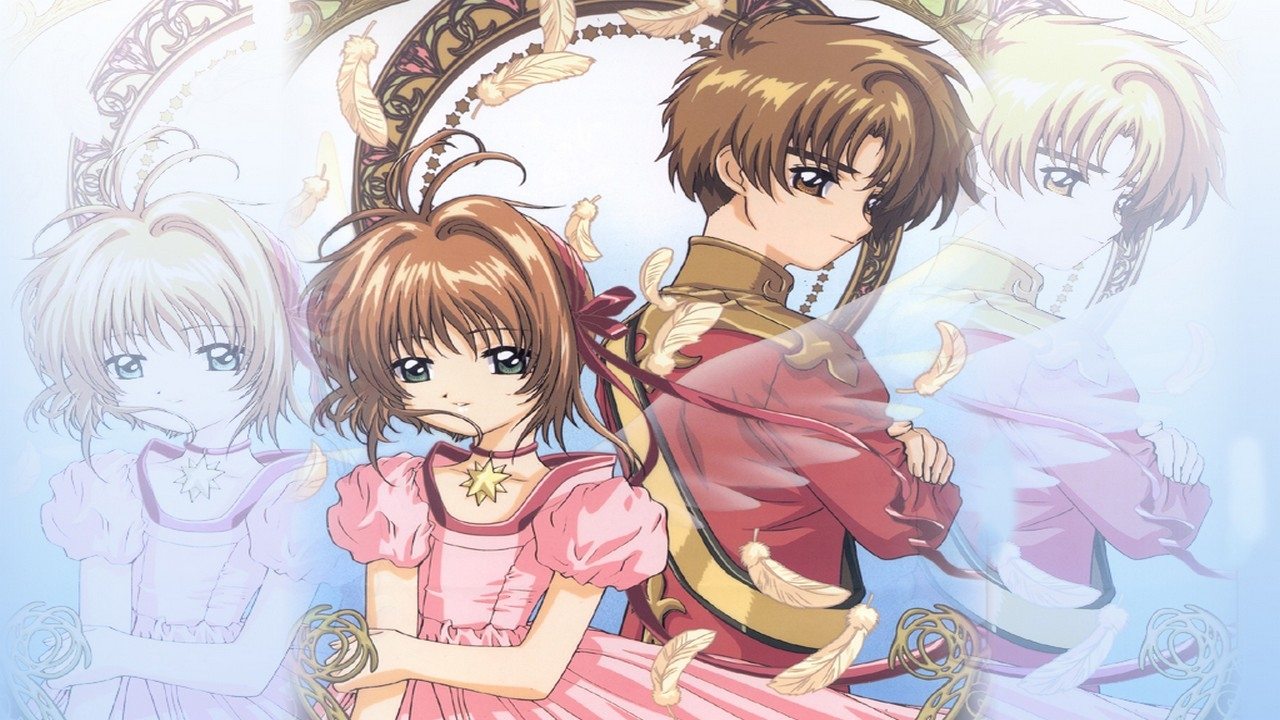
Picking up after the heartwarming finale of the beloved 70-episode TV series, The Sealed Card finds Sakura Kinomoto (Sakura Tange) settling into a seemingly peaceful life. The Clow Cards have been transformed into Sakura Cards, Eli Eriol has returned to England, and most importantly for Sakura's fluttering heart, Syaoran Li (Motoko Kumai) is back in Tomoeda! The stage seems set for pure, sugary slice-of-life... until strange incidents begin plaguing the town, erasing things – and eventually, Cards – one by one. Enter the Nameless Card, later known as "The Nothing" or "The Hope," a powerful entity born from the negative space left by the original Clow Cards, driven by a lonely desire for companionship that manifests as destructive emptiness.
Directed by Morio Asaka, who expertly helmed the original series and would later bring us gems like Chobits and Nana, the film masterfully recaptures the series' unique blend of gentle charm, burgeoning adolescent romance, and genuinely thrilling magical stakes. Asaka understood the assignment: deliver a visually stunning finale that honours the characters and provides the emotional payoff fans craved. The screenplay, penned by Nanase Ohkawa of the legendary creative collective CLAMP (the original manga creators), ensures the story feels perfectly in tune with the source material, retaining that signature mix of elegance, warmth, and subtle melancholy that defines their work.
### More Than Just Sparkles and Frills
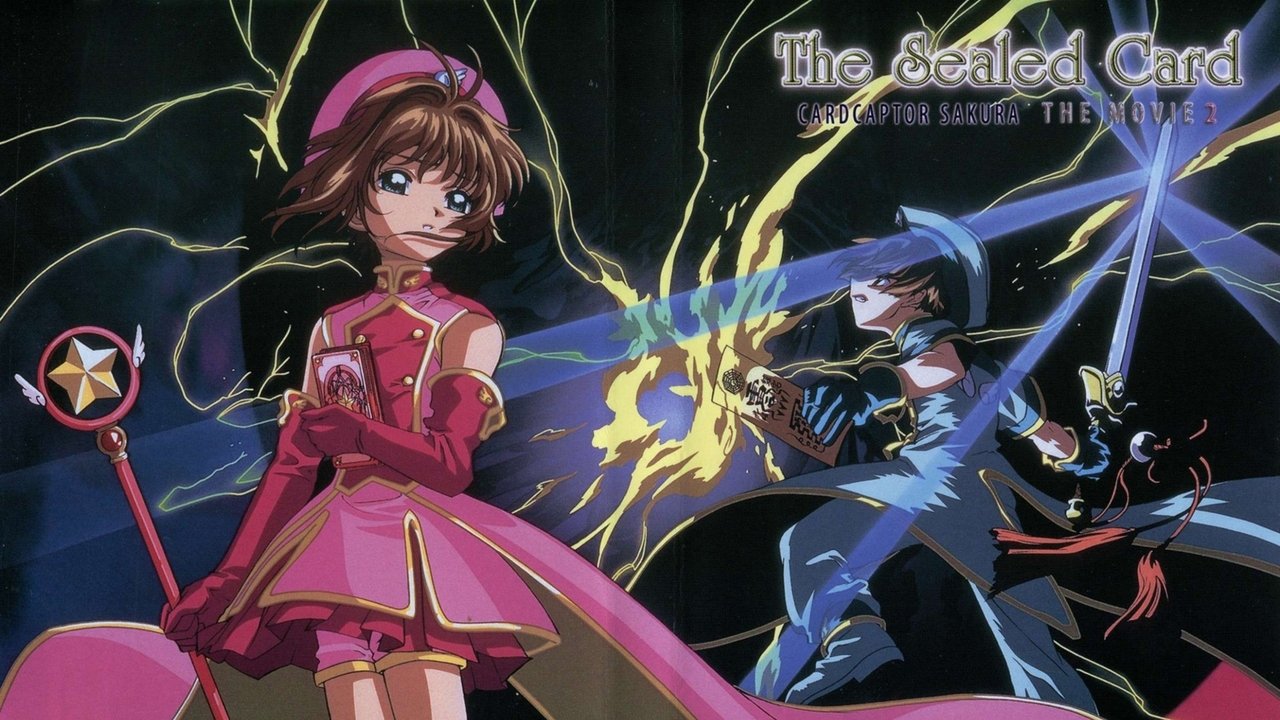
What always set Cardcaptor Sakura apart, and what this movie doubles down on, is its emotional intelligence. Yes, there are incredible magical battles animated with theatrical flair by the renowned studio Madhouse – sequences that definitely benefited from the bigger budget. The fluid animation, richer colours, and dynamic "camera" work felt like a significant step up from the already high-quality TV series. Watching Sakura soar through the air, Keroberos (Aya Hisakawa in his true form providing booming support, and Masaya Onosaka handling the plushie cuteness) blasting energy, and Tomoyo Daidouji (Junko Iwao) documenting it all with her usual delightful obsession felt cinematic.
But beneath the spectacle, the film’s heart beats around Sakura and Syaoran's relationship. The central conflict isn't just about capturing a powerful card; it's about Sakura finally confronting her feelings and giving Syaoran her long-awaited answer. This emotional throughline gives the magical conflict genuine weight. The Sealed Card’s power – forcing Sakura to sacrifice her most precious feeling (her love for Syaoran) to seal it – is a surprisingly mature and poignant challenge for our young heroine. It elevates the stakes beyond simple good vs. evil, tapping into themes of sacrifice, memory, and the bittersweet nature of growing up. Did anyone else feel their heart ache during that climactic scene? It still gets me.
### Retro Fun Facts & CLAMP Magic
- A True Finale: Unlike the first Cardcaptor Sakura movie (which was more of a side-story), The Sealed Card was specifically written by CLAMP's Nanase Ohkawa to serve as the definitive conclusion to the anime storyline, resolving plot threads left open by the TV series ending.
- Box Office Blossom: The film performed well in Japan, reflecting the massive popularity of the franchise. While specific figures are tricky to nail down precisely for that era's anime releases internationally, its reputation cemented Cardcaptor Sakura as a cornerstone of the magical girl genre.
- Musical Cues: Composer Takayuki Negishi returned to provide the score, seamlessly blending familiar themes with new, stirring compositions that perfectly underscore the film's emotional highs and magical action. The ending theme, "Ashita e no Melody" by Chaka, is pure nostalgic bliss for fans.
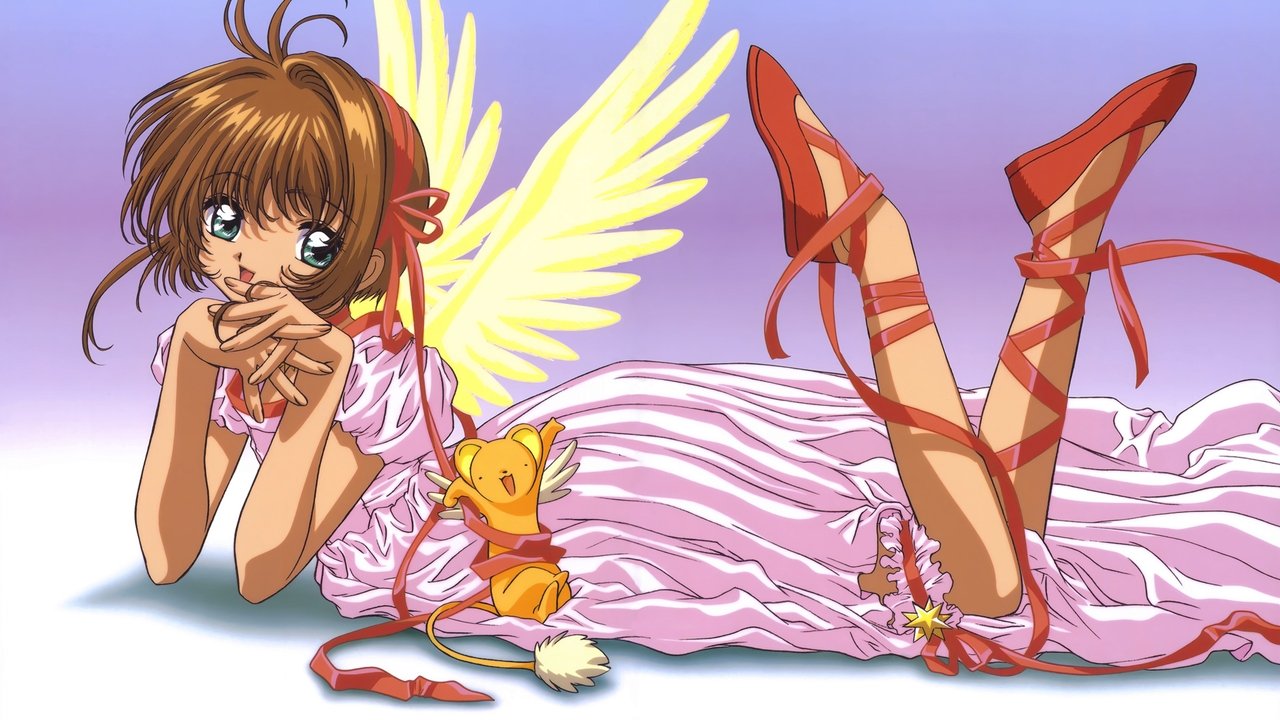
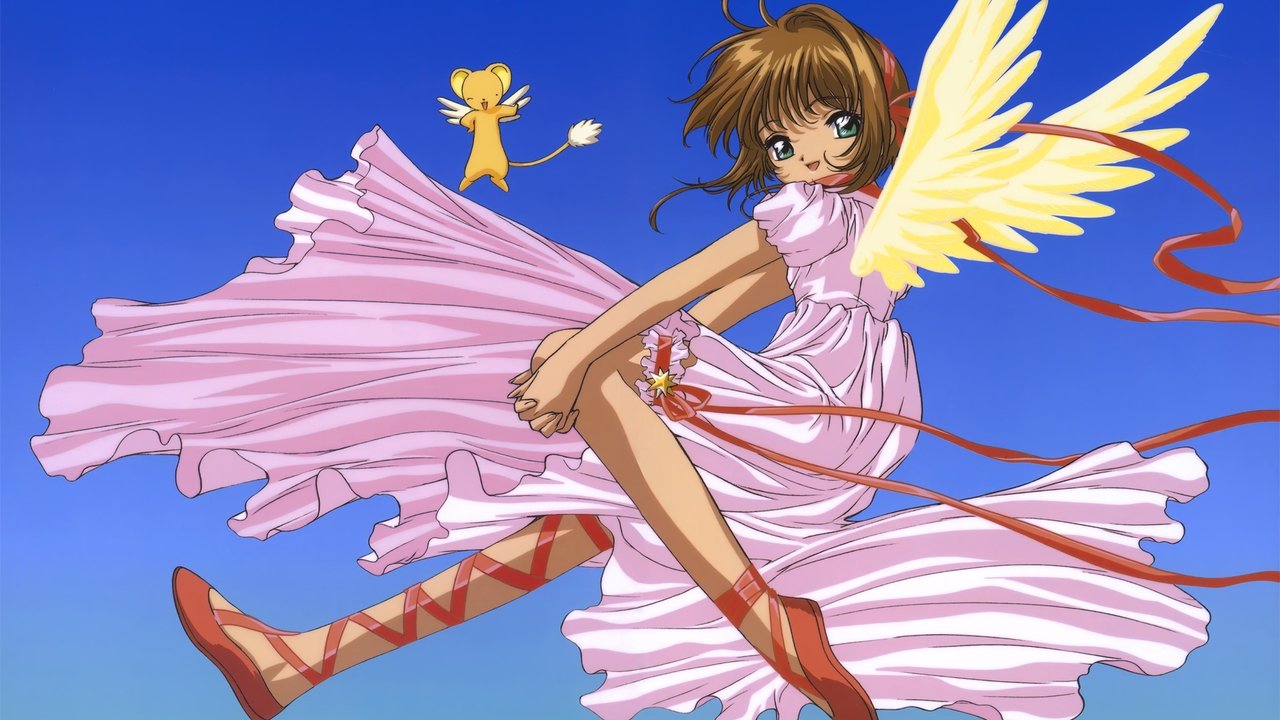
- Design Consistency: The character designs and overall aesthetic remained remarkably faithful to CLAMP's iconic style, ensuring a seamless transition from the small screen. That delicate linework and those elaborate costumes are instantly recognizable. It’s pure eye candy.
### The Last Page
Cardcaptor Sakura: The Sealed Card isn't just an epilogue; it's a beautifully crafted culmination. It delivers thrilling magical action, gorgeous animation that holds up remarkably well, and most importantly, a deeply satisfying emotional conclusion for characters we'd grown to adore. It perfectly captures the innocence and burgeoning maturity of its protagonists, wrapping the entire saga in a hopeful, albeit slightly bittersweet, bow. While perhaps lacking the gritty edge of some VHS-era favorites, its charm, artistry, and emotional resonance make it a standout anime film from that transitional period between the 90s and the new millennium. It understood its audience, respected its source material, and delivered a finale worthy of Sakura's journey.
Rating: 9/10
This rating reflects the film's stunning animation for its time, its faithful and emotionally resonant storytelling that perfectly concludes the beloved series, strong voice performances, and its successful capture of the unique CLAMP magic. It's near-perfect as a finale to the Cardcaptor Sakura anime. It might not resonate as strongly with newcomers, but for fans, it was everything they could have hoped for.
So, if you ever spot this gem – whether on a dusty import tape, a treasured DVD, or even streaming – give it a watch. It’s a reminder of a gentler, yet still captivating, kind of magic that blossomed beautifully as the VCR era waned. Pure magical girl perfection, sealed with a heartfelt smile.