Okay, fellow tape travelers, let’s rewind to a time just before the new millennium, when the digital world felt both excitingly new and mysteriously unknown. Forget the grand, sprawling adventures that would follow; our destination today is the very seed from which a global phenomenon grew: the original 1999 short film, Digimon Adventure. Directed by a young Mamoru Hosoda, years before his masterpieces like Summer Wars or Wolf Children, this twenty-minute gem offered a tantalizing, surprisingly intimate glimpse into a world where childhood curiosity literally hatched monsters in the bedroom.
### The Egg in the Apartment
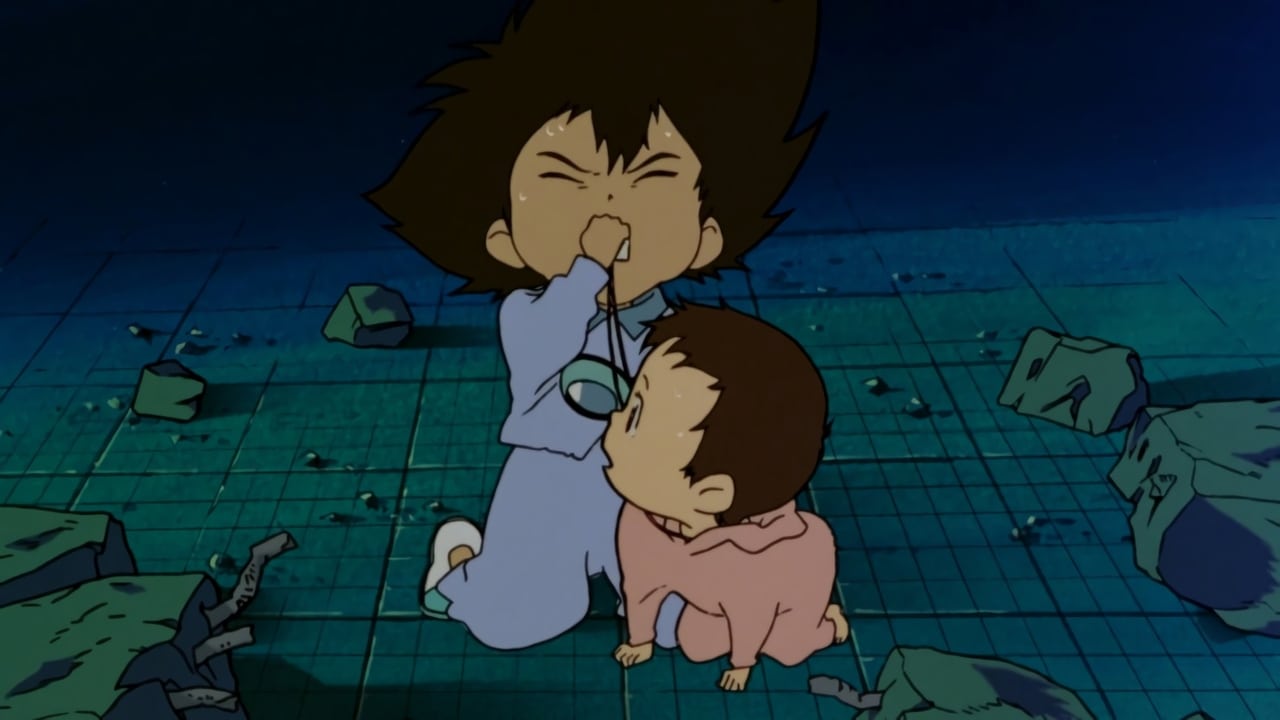
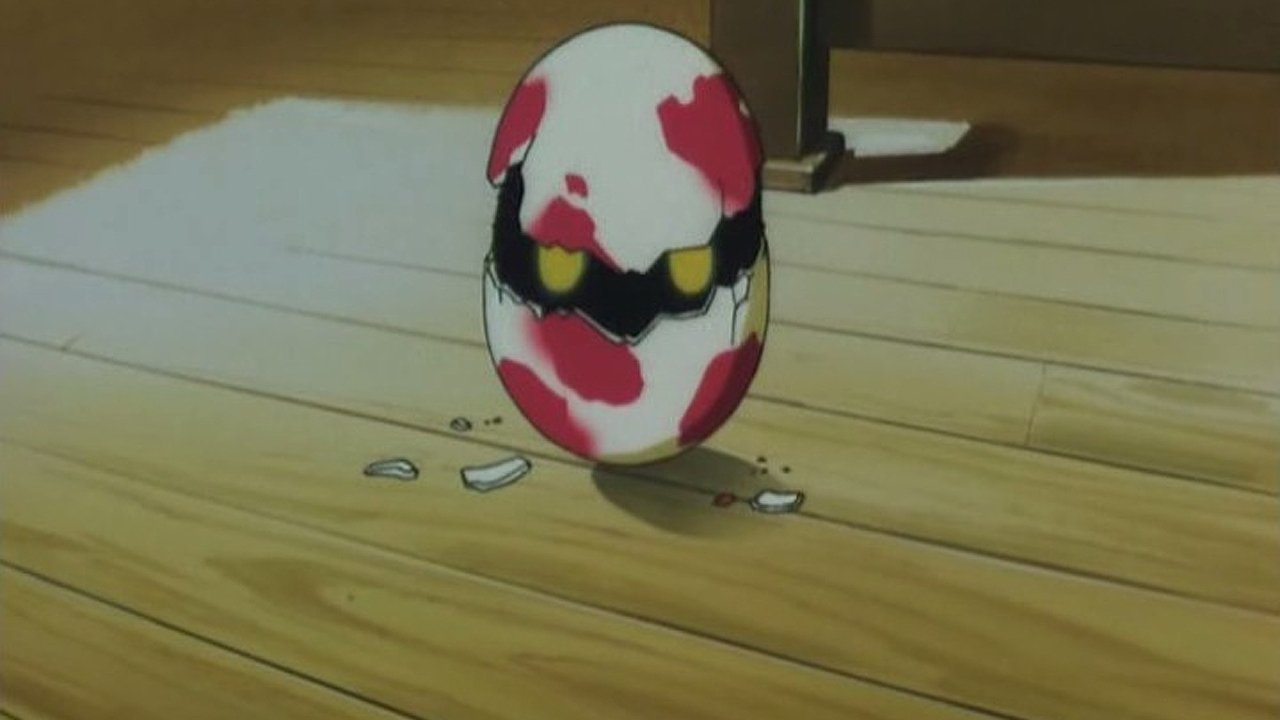
Unlike the globe-trotting quests the Digimon Adventure TV series would soon popularize, this initial outing feels remarkably grounded, almost like a home movie invaded by the uncanny. Written by Reiko Yoshida (whose sensitive character work would later grace beloved anime like K-On! and A Silent Voice), the story focuses tightly on young siblings Taichi "Tai" Yagami and his little sister Hikari "Kari." One night, a strange digital egg emerges from their father's computer. What hatches isn't just a pet, but Botamon, which rapidly digivolves into the babbling Koromon (voiced with infectious energy by Chika Sakamoto, who also voiced Agumon). The film brilliantly captures the children's perspective – the wonder, the confusion, the immediate attachment, all unfolding within the familiar confines of their apartment block.
There's a palpable sense of domesticity here that Hosoda masterfully juxtaposes with the escalating weirdness. Koromon bouncing off walls, Kari innocently blowing her whistle (a sound cue that becomes surprisingly significant), Tai trying to rationalize the impossible – it feels authentic to how kids might react. This focus on intimate character moments and contained chaos is a hallmark Hosoda would refine throughout his career, making this early work fascinating for fans of his later films. It’s less about saving the world and more about dealing with the extraordinary creature that just appeared in your room.
### A Glimpse of Hosoda's Genius
Even in this early work, Mamoru Hosoda's distinct directorial flair is evident. The animation, while simpler than the later series or feature films, possesses a fluidity and expressiveness, particularly in the Digimon's movements and the children's reactions. There’s a deliberate use of colour and light, contrasting the warm, everyday tones of the apartment with the stark, otherworldly glow emanating from the computer screen and the digital phenomena that follow. The camera often stays low, aligning with the children’s eye level, immersing us in their bewildered yet fascinated point of view.
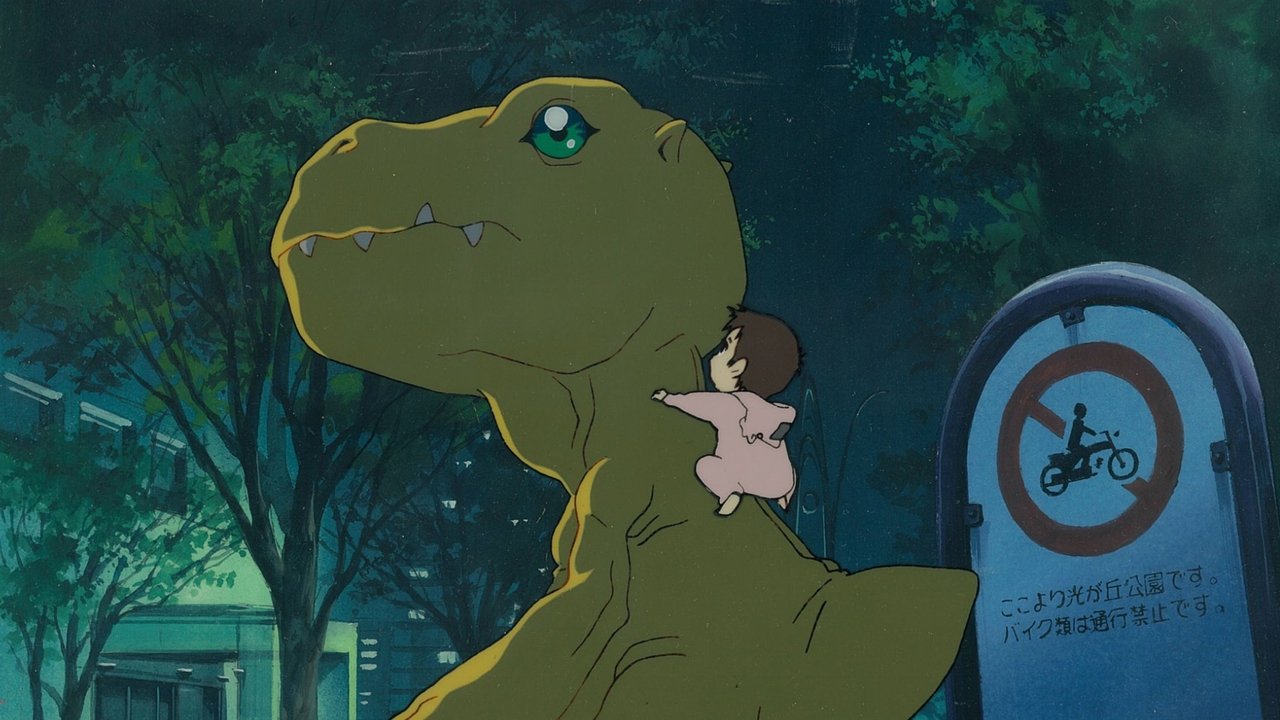
One sequence that always stuck with me is when the newly-digivolved Agumon carries Kari on his back through the night city. It's strangely beautiful and eerie, capturing that dreamlike logic where impossible things happen without question. This wasn't just monster-of-the-week setup; it felt like a small, personal encounter with something vast and incomprehensible, leaking through the cracks of burgeoning technology. You can see the DNA of Summer Wars' virtual world Oz taking its first tentative steps here.
### Retro Fun Facts: From Short Film to Phenomenon
- Pilot Power: This short wasn't initially conceived as part of a grand franchise plan. It premiered at the Toei Animation Spring 1999 Fair alongside shorts for Dr. Slump - Arale-chan and Yu-Gi-Oh! (the Toei version). Its positive reception was instrumental in greenlighting the Digimon Adventure TV series, which launched just one day after the fair ended!
- Hosoda's Vision vs. The Series: While Hosoda directed this prologue, the main TV series had a different directorial team, leading to noticeable tonal and stylistic differences. This short remains a unique piece within the broader Digimon universe, showcasing Hosoda's more intimate, atmospheric approach.
- The US Movie Mashup: Many in the West first encountered this story as the opening act of Digimon: The Movie (2000). That compilation film famously stitched together this short, Our War Game! (also directed by Hosoda), and Digimon Hurricane Touchdown!! It featured a completely different, pop-punk heavy soundtrack and significant dialogue changes, creating a radically different viewing experience from the original Japanese versions. Revisiting this original short offers a quieter, more nuanced perspective.
- Voice Talent Foundation: The core relationship between Tai (voiced by the late, great Toshiko Fujita) and Kari (Kae Araki) is established wonderfully here, providing an emotional anchor that carried through the subsequent series. Their sibling dynamic feels genuine and relatable amidst the digital chaos.
### Before the Digital Floodgates Opened
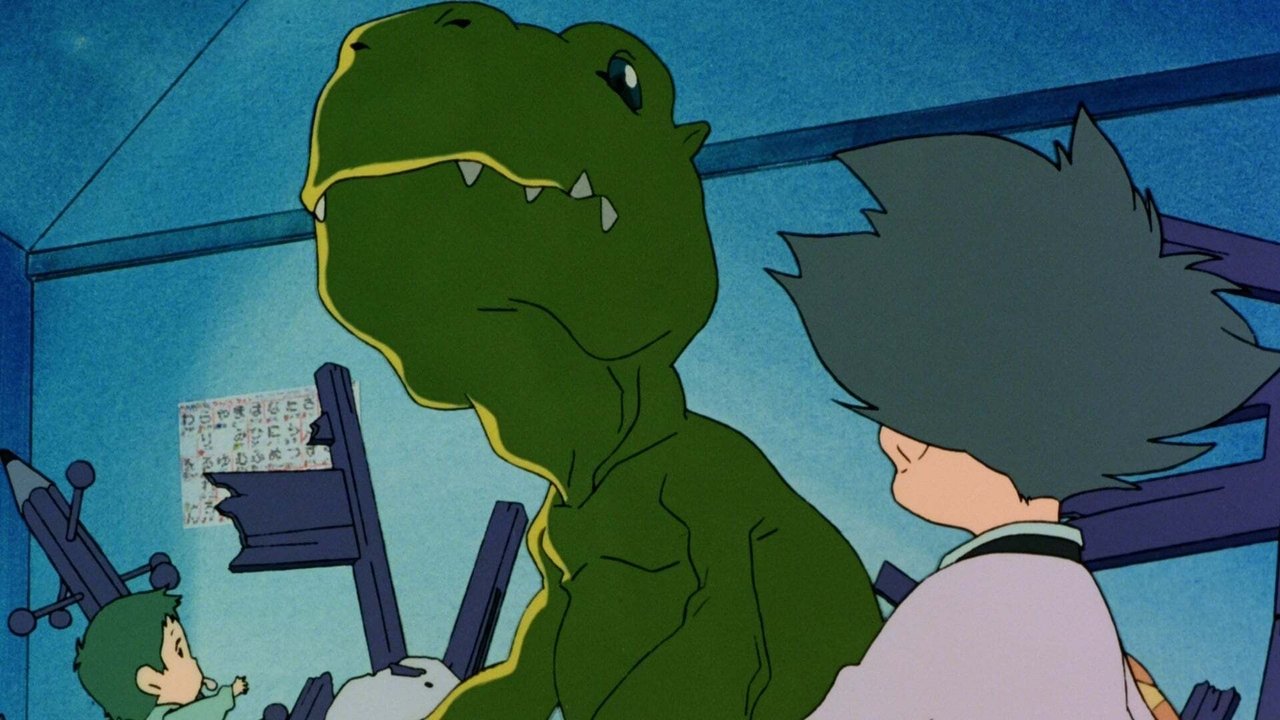
Watching Digimon Adventure (1999) now feels like uncovering a charming time capsule. It evokes those late 90s vibes, a period when the internet was transitioning from novelty to necessity, and the idea of digital life forms felt fresh and exciting. This short captured that nascent moment perfectly – the thrill and slight fear of the unknown digital frontier manifesting right in your home. It didn't need complex lore or dozens of characters; the simple story of two kids and their strange new friend encountering a much larger threat (Greymon vs. Parrotmon!) was compelling enough.
While the animation might seem dated compared to modern standards, there's an undeniable handcrafted appeal. The focus on character expressions, the slightly painterly backgrounds of the Hikarigaoka neighbourhood – it feels distinctly anime of its time, a style many of us grew up discovering on rented VHS tapes or early digital fansubs. It’s a potent dose of nostalgic film review 1999 energy, reminding us of when digital monsters were just beginning their pixelated march into pop culture.
### Legacy in Twenty Minutes
Though brief, this short film packs a surprising punch. It established key characters, hinted at the vast potential of the Digital World, and showcased the budding talent of Mamoru Hosoda. It’s a reminder that sometimes the most effective stories are the simplest ones, focused on relatable emotions even amidst extraordinary circumstances. For fans who primarily know Digimon through the sprawling series or the American movie adaptation, seeking out this original short offers valuable context and a chance to appreciate Hosoda's initial, quieter vision. It’s a charming, atmospheric piece that perfectly encapsulates the wonder and slight unease of encountering the digital unknown at the cusp of the 21st century.
VHS Heaven Rating: 8/10
Why the score? This rating reflects the film's success as a compelling, atmospheric short and its significance as the launchpad for a beloved franchise. Mamoru Hosoda's direction is remarkably assured for an early work, establishing a unique tone and visual style. While its brevity inherently limits its scope compared to a feature, it excels within its format, delivering wonder, suspense, and character connection efficiently. It perfectly captures that late-90s "digital dawn" feeling and holds up as a fascinating piece of anime history.
It might just be twenty minutes, but Digimon Adventure (1999) is a pixelated portal back to the beginning, a reminder of that first spark of digital wonder before the adventure truly began.