Some stories refuse to die. They whisper through dorm corridors, flicker in the glow of late-night study lamps, and sometimes, they climb out of the shadows and into reality. 1998's Urban Legend didn't just ride the wave of the late-90s slasher resurgence kickstarted by Scream; it tapped into a primal fear – the campfire tale turned terrifyingly true, unfolding under the gothic spires of a New England university campus. Watching it again now, that familiar static hum of the VHS kicking in, it still conjures that specific late-90s chill, a blend of knowing homage and genuine dread.
Whispers in the Halls
Pendleton University feels like the perfect breeding ground for fear. Ivy-covered stone, shadowy libraries, and a history steeped in tragedy – namely, a massacre 25 years prior that everyone seems keen to forget, yet somehow immortalize. When a new series of bizarre deaths begins rocking the campus, student Natalie Simon (Alicia Witt) starts connecting the dots. These aren't random accidents; they're meticulous recreations of classic urban legends. The killer in the backseat, Pop Rocks and soda, the stolen kidney... each one ripped from folklore and made horrifyingly real. With the help of skeptical journalist friend Paul (Jared Leto, radiating that effortless 90s cool just before his career truly exploded), Natalie races to uncover the truth before she becomes the subject of the next grisly tale.
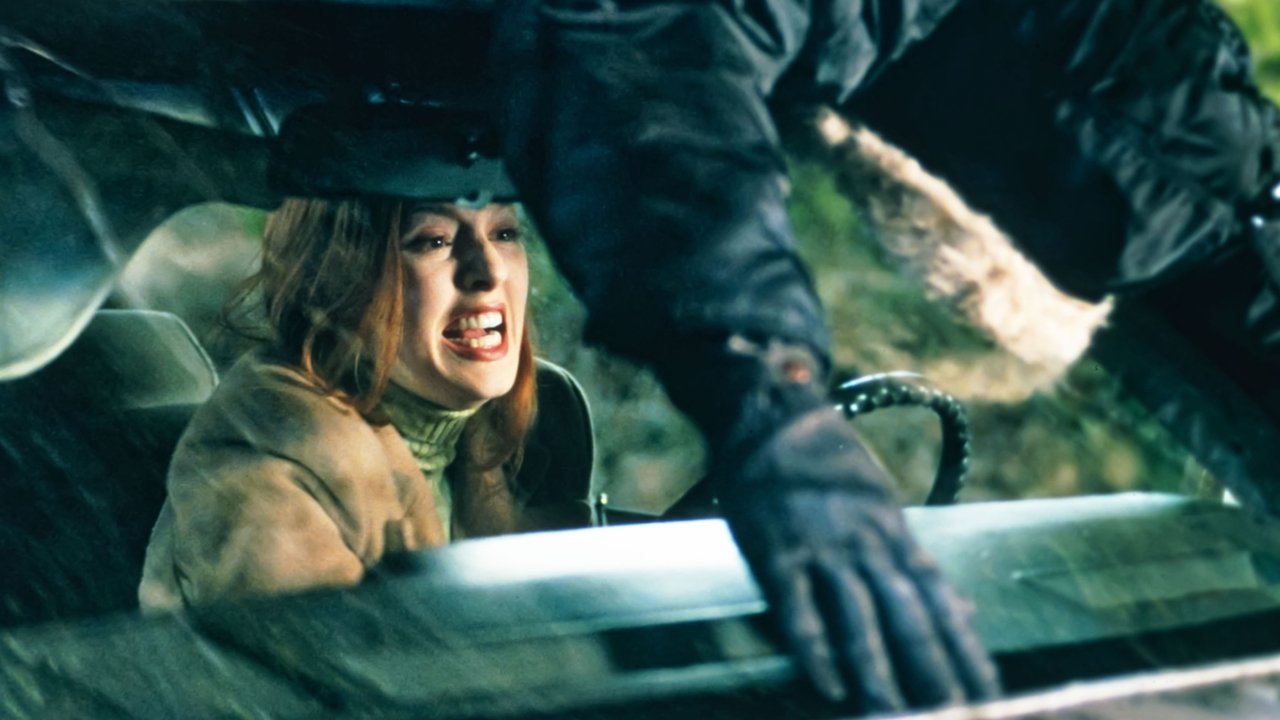
The premise, penned by Silvio Horta, is undeniably clever. It takes the self-aware structure popularized by Scream but swaps movie trivia for the darker, more ingrained fears passed down through word-of-mouth. These weren't just stories; they felt like possibilities, warnings whispered between friends after lights out. The film leans into this inherent creepiness, staging the murders with a grim inventiveness that sticks with you. Remember the sheer panic of the flashing headlights signal? Or the stomach-churning implication of waking up in that ice bath?
Gothic Chills and Campus Fears
Australian director Jamie Blanks famously landed the gig by impressing producers with a short film he shot himself – a proof-of-concept recreating the film's chilling opening sequence (the "Killer in the Backseat" legend). That same atmospheric intensity permeates the finished product. Blanks crafts a genuinely moody setting, all rain-slicked nights and imposing architecture, amplified by a fantastic, brooding score from Christopher Young (who also lent his talents to Hellraiser). The University of Toronto doubles effectively for the fictional Pendleton, its older buildings lending an authentic weight to the unfolding nightmare.
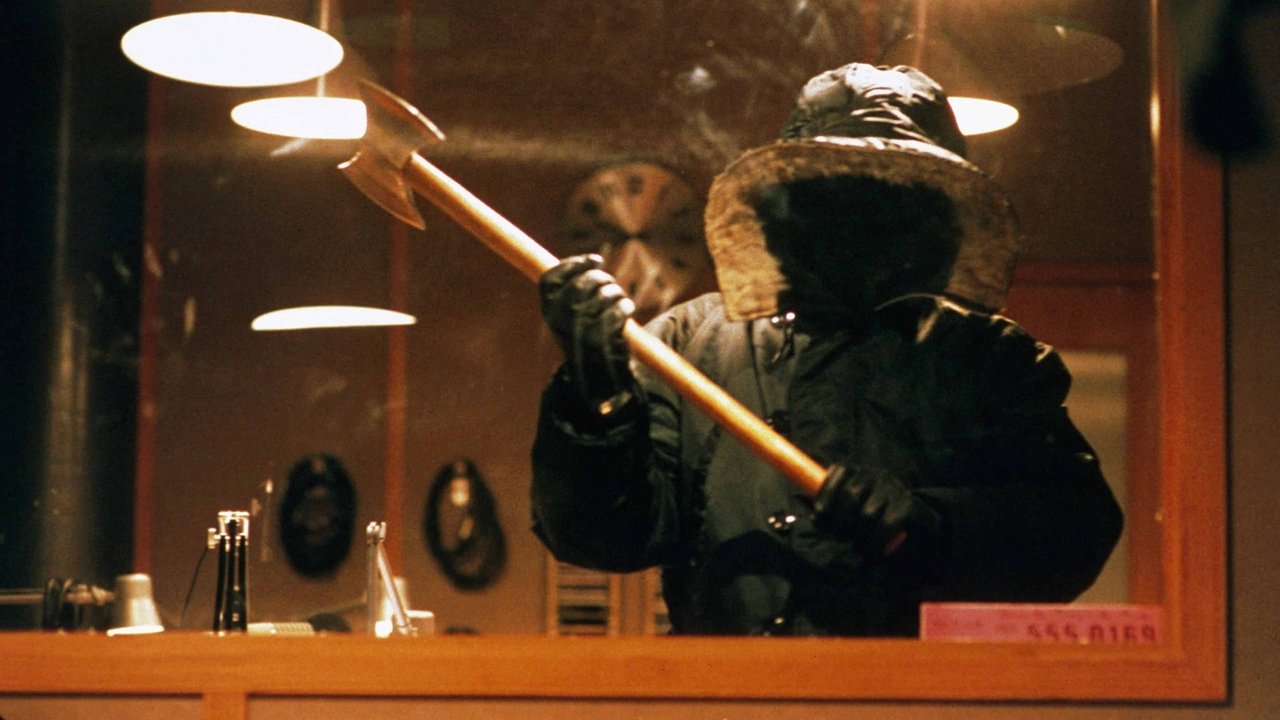
The film understands the power of suggestion. The killer, clad in a bulky, hooded winter parka (perhaps an intentional, or maybe just convenient, echo of I Know What You Did Last Summer's fisherman slicker?), is often a silhouette, a presence lurking just at the edge of the frame. This anonymity makes them feel less like a person and more like the embodiment of the legends themselves – faceless, relentless, inevitable. It wasn't just about the jump scares; it was about the slow-burn dread of knowing what story was coming next, but not how or when.
Retro Fun Facts: Behind the Folklore
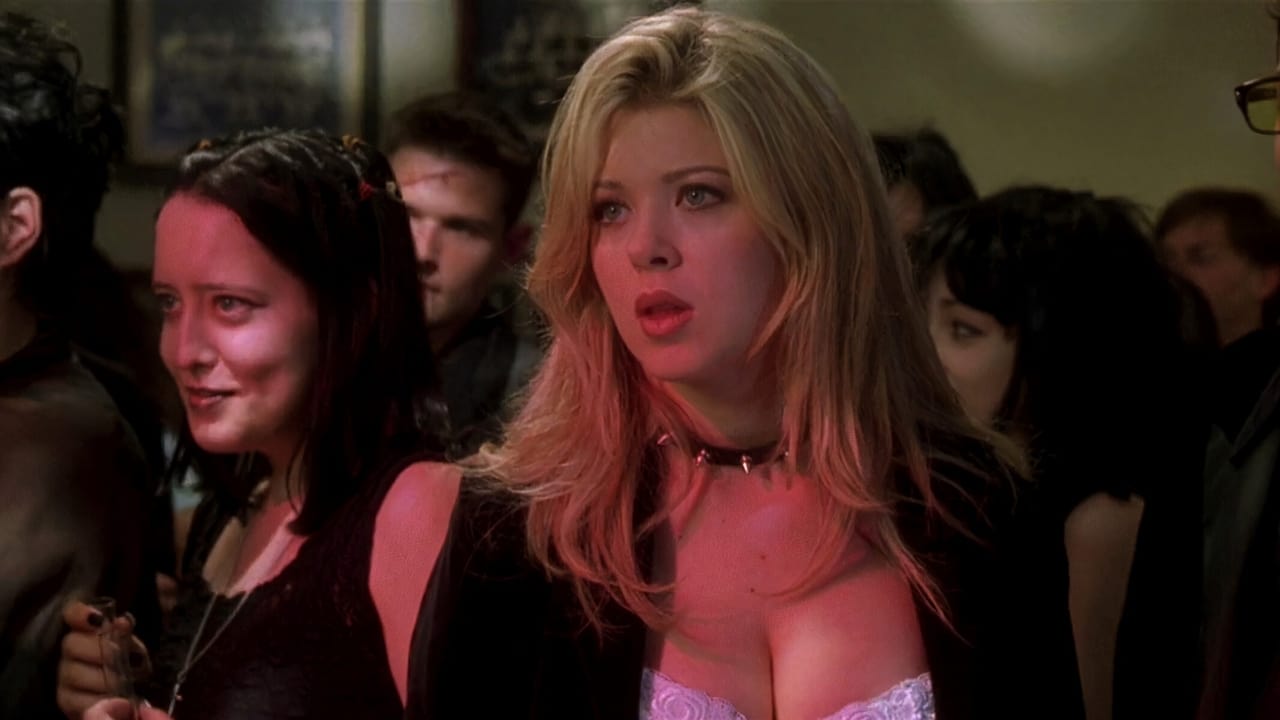
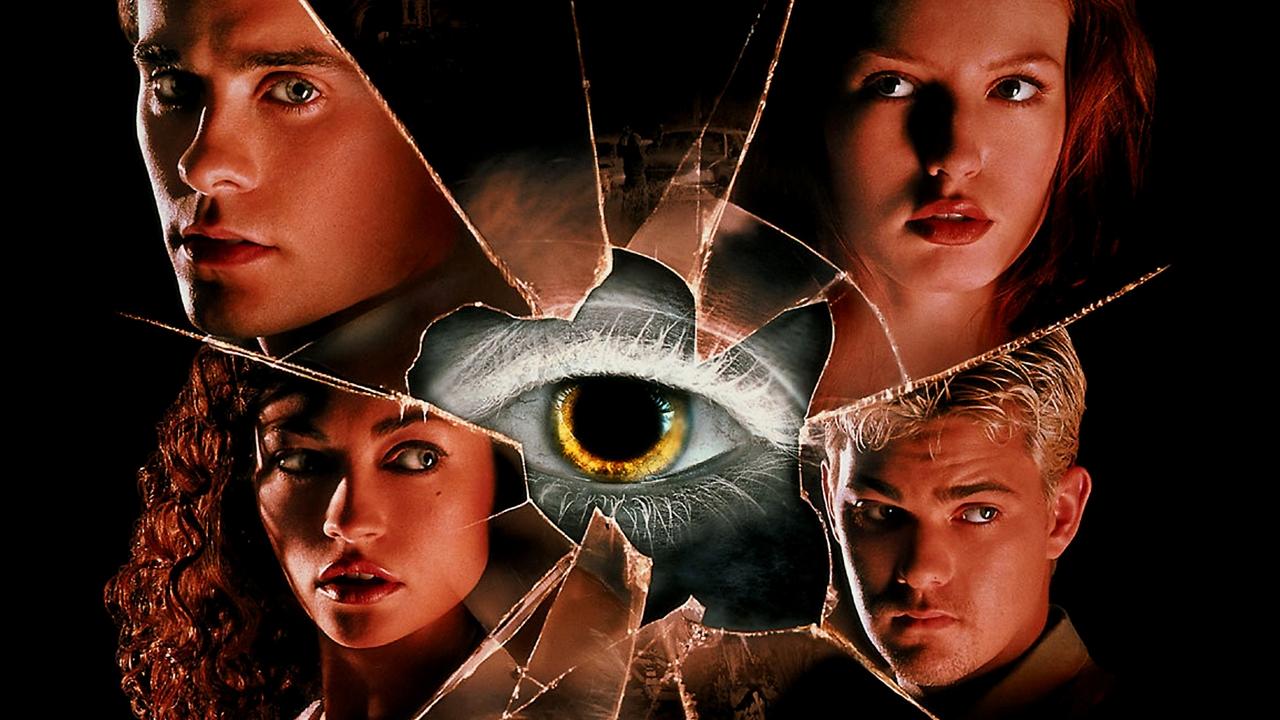
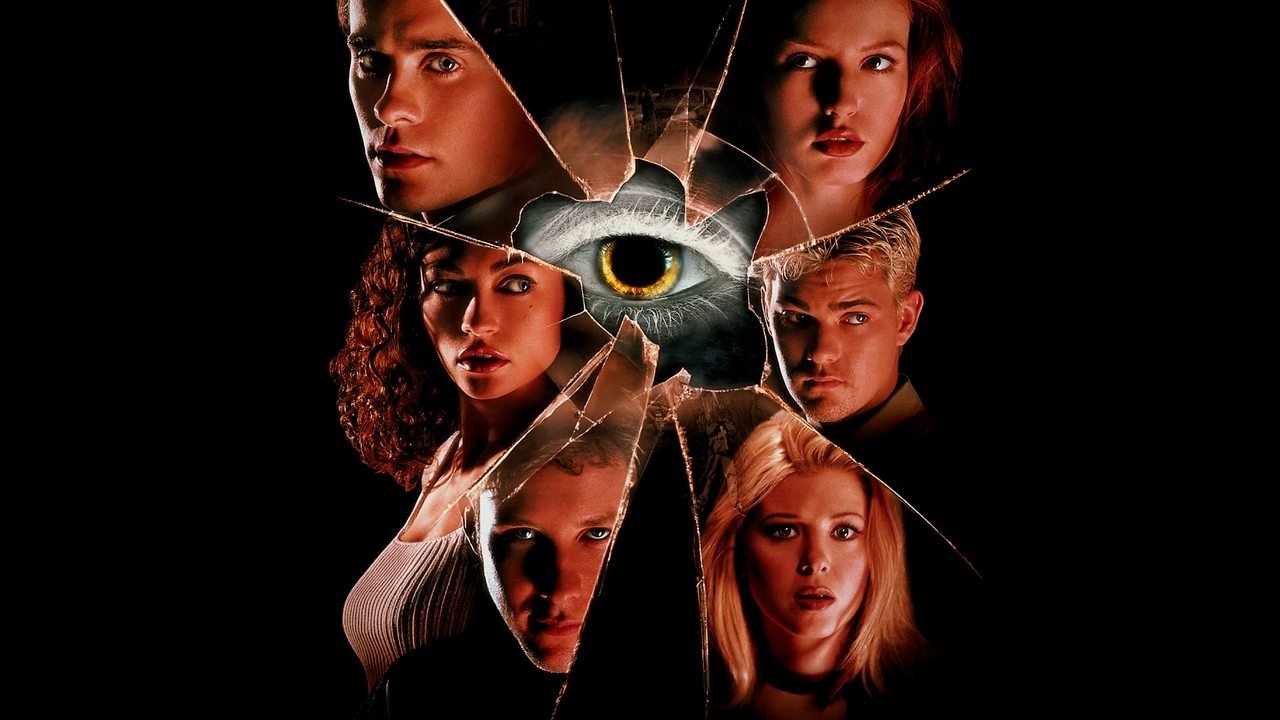
Urban Legend was a solid performer, pulling in over $72 million worldwide on a $14 million budget – proving the slasher revival had legs. Interestingly, Silvio Horta's original script was reportedly even darker before undergoing revisions. The casting is a snapshot of late-90s talent: besides Witt and Leto, we have Rebecca Gayheart delivering a memorable performance as Natalie's best friend Brenda, and Tara Reid as the campus radio DJ Sasha, whose broadcast booth becomes a terrifyingly isolated stage. And who could forget the casting coup of horror icon Robert Englund (Freddy Krueger himself from A Nightmare on Elm Street) as Professor Wexler, the expert on urban folklore? His presence lends a delightful layer of genre credibility, a knowing wink to the horror history the film draws upon. There’s even a small role for Brad Dourif (the voice of Chucky in Child's Play) as the creepy gas station attendant early on – the film knew its horror lineage.
The Legend Lives On?
While perhaps overshadowed by its meta-slasher predecessor Scream, Urban Legend holds its own as a distinct and effective horror entry from the period. It plays with the formula but grounds its scares in something more timeless than movie trivia. The central concept is strong, the atmosphere is thick, and several of the set pieces are genuinely unnerving. Sure, watching it today, some dialogue feels perfectly preserved in 90s amber, and maybe the final reveal doesn't hit with quite the same shock it did squinting at a rented tape back in '98. Did that twist genuinely surprise you back then, or did you piece it together from the campus clues?
Still, the film works because it understands the source material. Urban legends tap into anxieties about modern life, stranger danger, and the darkness hidden beneath seemingly normal surfaces. By bringing those anxieties to life, Urban Legend created a slasher that felt both familiar and disturbingly fresh. It spawned a couple of sequels (Urban Legends: Final Cut in 2000 and the direct-to-video Urban Legends: Bloody Mary in 2005), but the original remains the most potent telling of tales best left untold.
VHS Heaven Rating: 7/10
Justification: Urban Legend earns a solid 7 for its clever central premise, effectively creepy atmosphere, memorable kill sequences rooted in folklore, and its status as a standout entry in the late-90s slasher cycle. Christopher Young's score is a major asset, and the casting, particularly Englund's cameo, adds to the fun. While it owes a debt to Scream and has some predictable slasher tropes, its unique focus on urban legends gives it a distinct and enduring identity. It's a nostalgic thrill ride that still delivers chills.
Final Thought: It’s a potent reminder that the most terrifying stories aren't always found on screen, but are the ones we tell each other in the dark, passed down until they feel disturbingly real. This film captured that feeling perfectly for the end of the millennium.