The flickering classroom video begins, innocuous enough, until the cheerful presenter details the unspeakable. There's a sickening lurch as the reality dawns: forty-two students, three days, one deserted island, and only one survivor permitted. Welcome to Kinji Fukasaku’s incendiary masterpiece, Battle Royale (2000). Though it arrived just as the new millennium dawned, its DNA feels ripped straight from the grittiest, most confrontational corners of 80s and 90s exploitation cinema, distilled into something furiously contemporary yet timelessly terrifying. This wasn't just a movie; it was a statement, delivered with the force of a shotgun blast.
School's Out... Forever
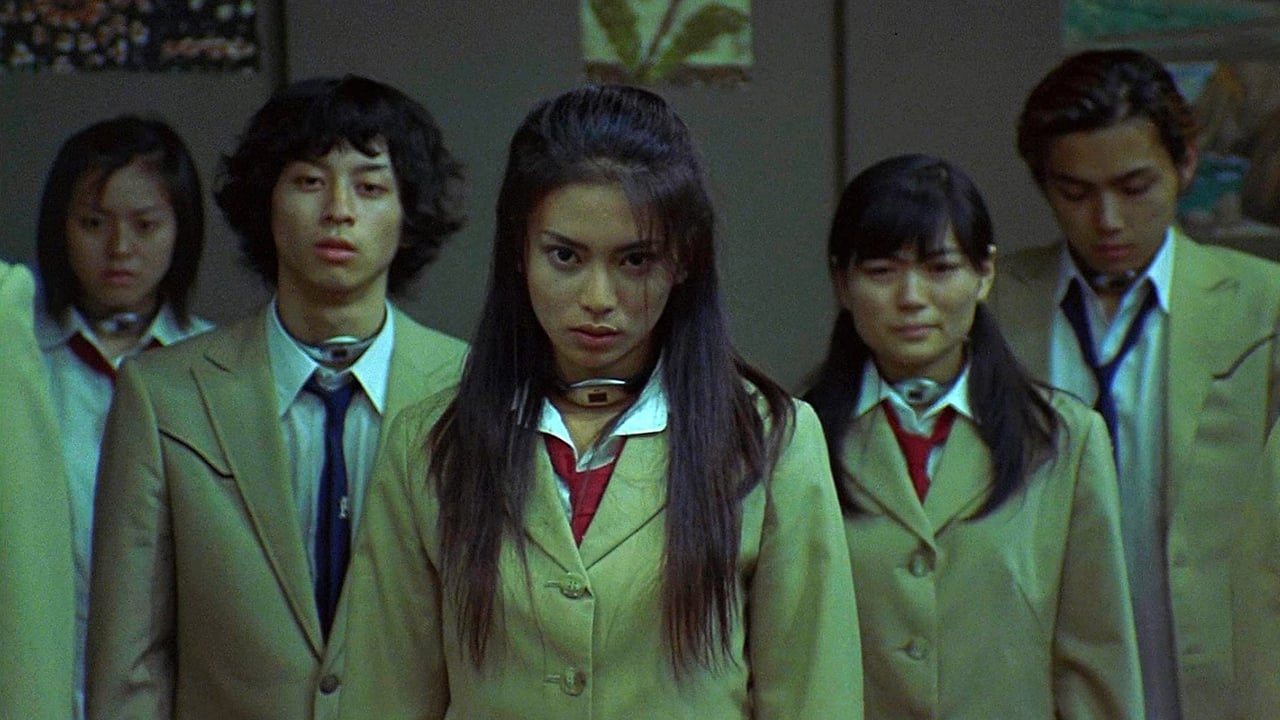
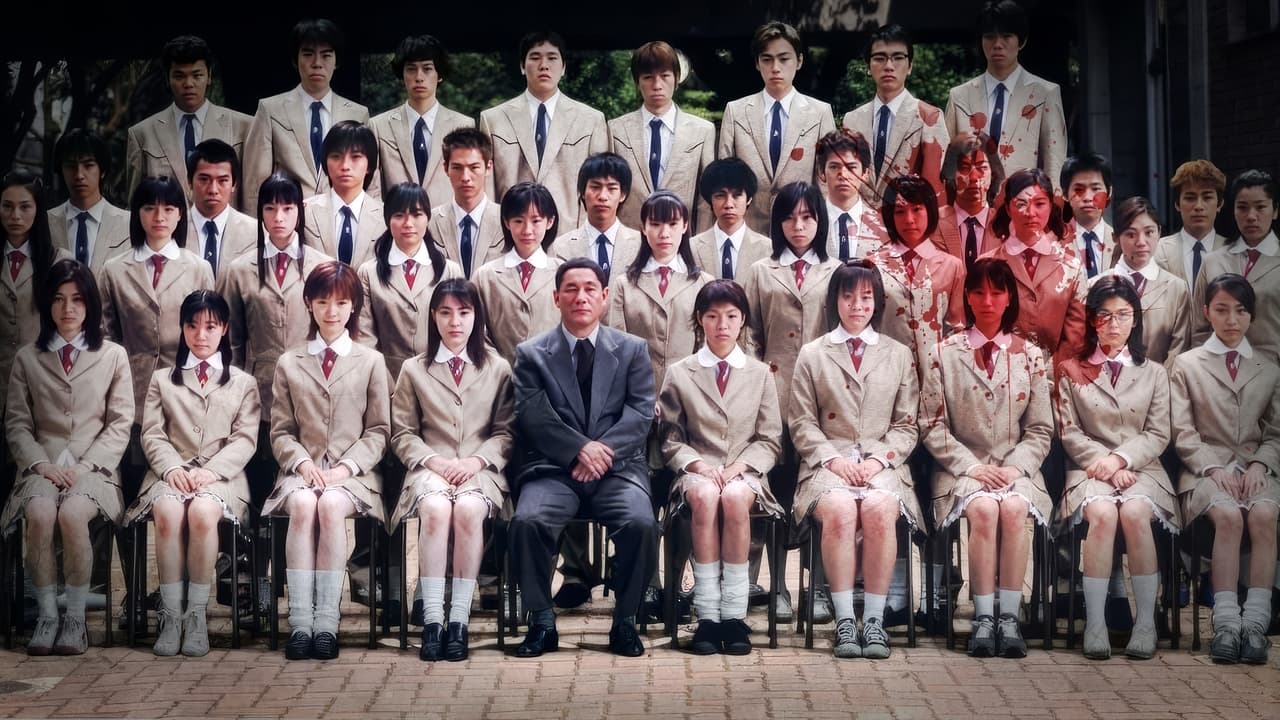
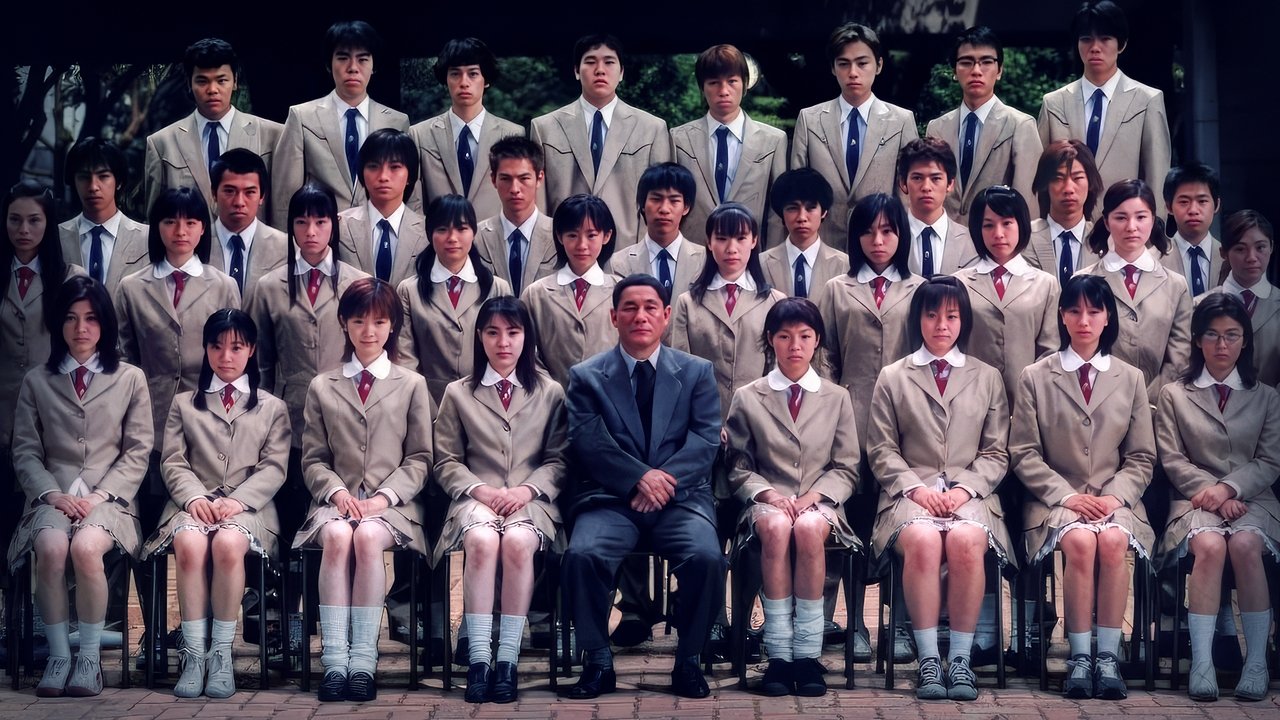
Based on Koushun Takami’s controversial 1999 novel, the premise is chillingly simple: In a near-future Japan grappling with societal breakdown and unruly youth, the government enacts the "BR Act." Each year, a random ninth-grade class is selected, drugged, collared with explosive devices, and abandoned on an island. Armed with a random weapon (anything from a machine gun to a pot lid) and basic supplies, they are instructed to kill each other until only one remains. Refusal to play, straying into "danger zones," or attempting to remove the collar results in detonation. Overseeing this grotesque spectacle is their former teacher, Kitano, played with unnerving, weary detachment by the legendary Takeshi Kitano (Violent Cop, Sonatine).
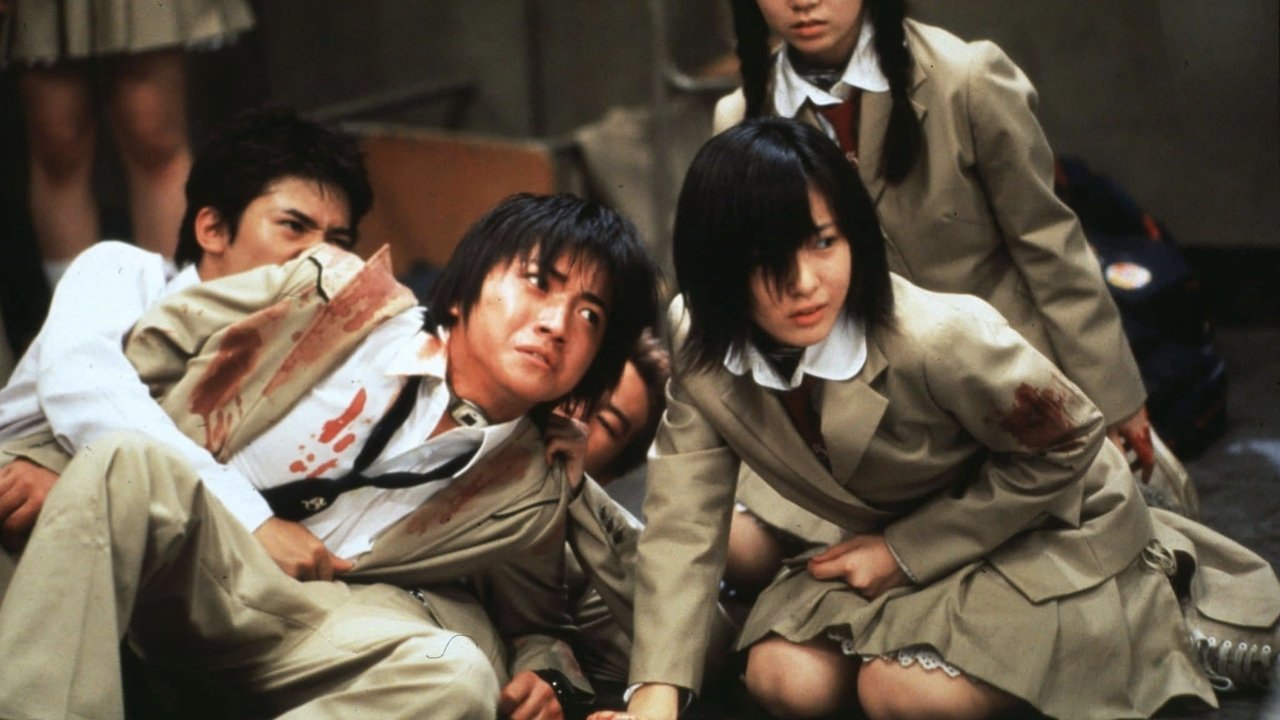
The raw, visceral shock of Battle Royale hits like a physical blow. Forget carefully choreographed Hollywood action; Fukasaku, then 70 years old and directing with the ferocity of a man half his age, throws us directly into the chaos. The violence is abrupt, messy, and deeply unsettling. This wasn't just sensationalism; it was fueled by Fukasaku's own harrowing experiences as a teenager during WWII, working in a munitions factory and having to clear away the bodies of his friends after Allied bombings. He famously stated the film reflected his anger towards the adults who betrayed his generation, channeling that rage into a brutal allegory about societal pressures forcing the young into savage competition. You feel that fury in every frame.
A Masterclass in Tension
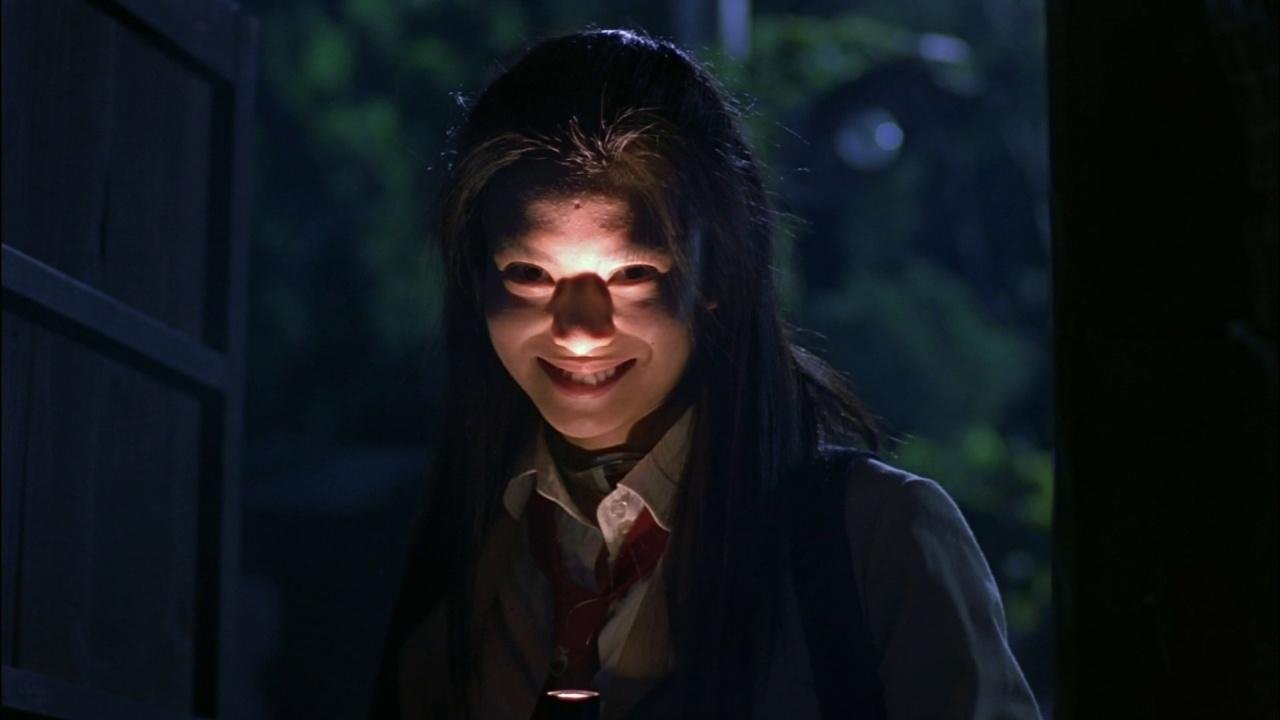
What elevates Battle Royale beyond mere shock value is its relentless tension and surprisingly deep exploration of human nature under duress. The students aren't faceless cannon fodder. We spend just enough time with key players like Shuya Nanahara (Tatsuya Fujiwara), the idealistic boy trying to protect the gentle Noriko Nakagawa (Aki Maeda), and the resourceful Shogo Kawada (Taro Yamamoto), the "transfer student" with prior experience, to feel the weight of their impossible situation. Their reactions run the gamut: immediate murderous frenzy, strategic alliances, desperate attempts to find non-violent solutions, tragic suicides, and heartbreaking acts of loyalty and sacrifice. Doesn't that desperate fight for survival, even against impossible odds, still resonate?
The film masterfully uses its island setting – a place that should be idyllic but becomes a nightmarish labyrinth. The score alternates between frantic orchestral pieces during moments of carnage and haunting classical melodies that underscore the tragedy. Fukasaku doesn’t shy away from the practical effects, either. The squibs explode with jarring realism, the wounds look painful, and the sheer physicality of the violence feels disturbingly grounded, a hallmark of the kind of effects work we often saw perfected (or at least attempted with gusto) in the pre-CGI dominance of the 80s and 90s.
Sparks Flew: Controversy and Creation
Battle Royale wasn't just a film; it was a cultural event, igniting a firestorm of controversy in Japan. Politicians debated its merits in the Diet, fearing its influence on youth violence. Its R15+ rating (restricted to audiences 15 and over) was hard-won. This uproar, of course, only added to its allure, making it feel like genuinely dangerous cinema. It became a massive hit anyway, grossing over ¥3 billion (around $30 million USD) worldwide on a relatively modest budget of approximately $4.5 million USD – a testament to its raw power and Fukasaku's uncompromising vision.
Interestingly, Takeshi Kitano, already a renowned director himself, took the role partly as a favor to Fukasaku, who had championed Kitano's early work. His performance is key; Kitano isn't a mustache-twirling villain but a man utterly broken by the system he now serves, his moments of quiet menace and bizarre vulnerability making him terrifyingly unpredictable. The young cast, many virtual unknowns, deliver performances crackling with authentic fear and desperation. You can almost feel the pressure they must have felt on set, guided by a veteran director pouring his life's experiences into this final, furious statement (Fukasaku sadly passed away during the making of the sequel).
Enduring Impact
Its influence is undeniable. While often compared to The Hunger Games, Battle Royale is the clear progenitor, far more brutal and nihilistic in its outlook. It kicked open the door for a wave of extreme Asian cinema and remains a benchmark for survival thrillers. Watching it today, it hasn't lost an ounce of its power to shock, disturb, and provoke thought about violence, society, and the desperation of youth pushed to the absolute limit. It’s the kind of film you discover, perhaps late at night on a worn-out tape or a newly acquired DVD back in the day, and it burrows under your skin, leaving you shaken long after the credits roll. I distinctly remember the buzz surrounding it on early internet forums – the frantic search for import copies, the shared sense of having witnessed something truly transgressive.
---
Rating: 9/10
Battle Royale earns its high score through Kinji Fukasaku's ferocious direction, its unflinching portrayal of violence married to genuine thematic depth, Takeshi Kitano's unforgettable performance, and its sheer, visceral impact. The controversy surrounding it only underscores its power. While the premise is inherently extreme, the execution is masterful, creating a relentless, thought-provoking, and utterly gripping experience that pushes boundaries in a way few films dare.