There are some VHS tapes that felt… dangerous. Not just scary, but genuinely transgressive, like holding contraband smuggled directly from the ragged edges of cinema. Tapes you slid into the VCR late at night, maybe after your parents were asleep, the whirring mechanism sounding like a countdown to something illicit. 1997's Dance with the Devil – or Perdita Durango, depending on which side of the Atlantic or the censor's scissors you encountered it – was exactly that kind of tape. This wasn't your standard Hollywood thriller; it was a blast furnace of sex, violence, and blasphemy that felt like it could melt the magnetic tape it was recorded on.
### South of the Border, Down Mexico Way (Into Hell)
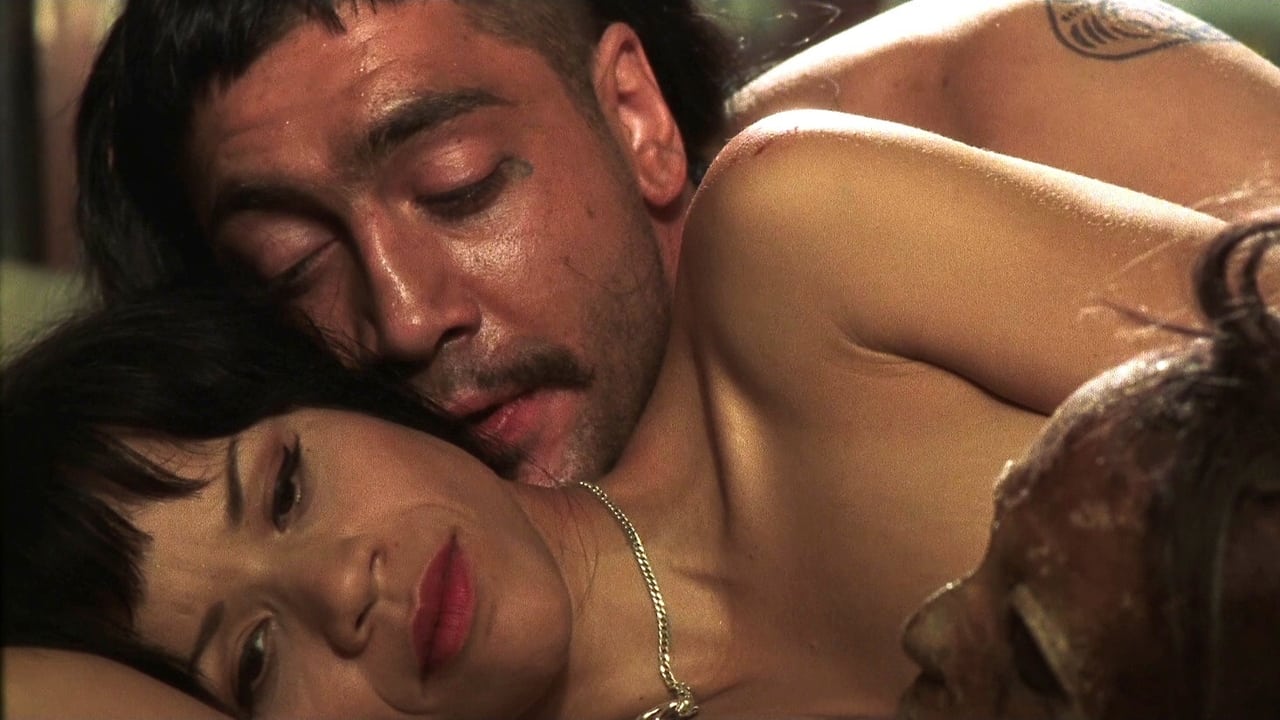
Based on Barry Gifford's novel (the same Gifford who gave us the source material for David Lynch's Wild at Heart, where Isabella Rossellini briefly played this very character), the film grabs you by the throat from the opening frames. We meet Perdita Durango, played with spitfire ferocity by Rosie Perez, a woman living life on her own terms, which happen to be incredibly dangerous ones. She hooks up with Romeo Dolorosa, a charismatic, psychotic Santería-practicing bank robber and pseudo-shaman embodied with terrifying magnetism by a pre-superstardom Javier Bardem. Forget the charming rogue; Bardem's Romeo is pure id, a hulking, unpredictable force of nature who claims mystical powers while orchestrating brutal crimes. Their plan? Kidnap a clean-cut American couple (Harley Cross and Aimee Graham) for a human sacrifice demanded by a local gangster (played with slimy menace by Don Stroud) who deals in… well, let's just say the cargo is disturbingly human.
### The Álex de la Iglesia Experience
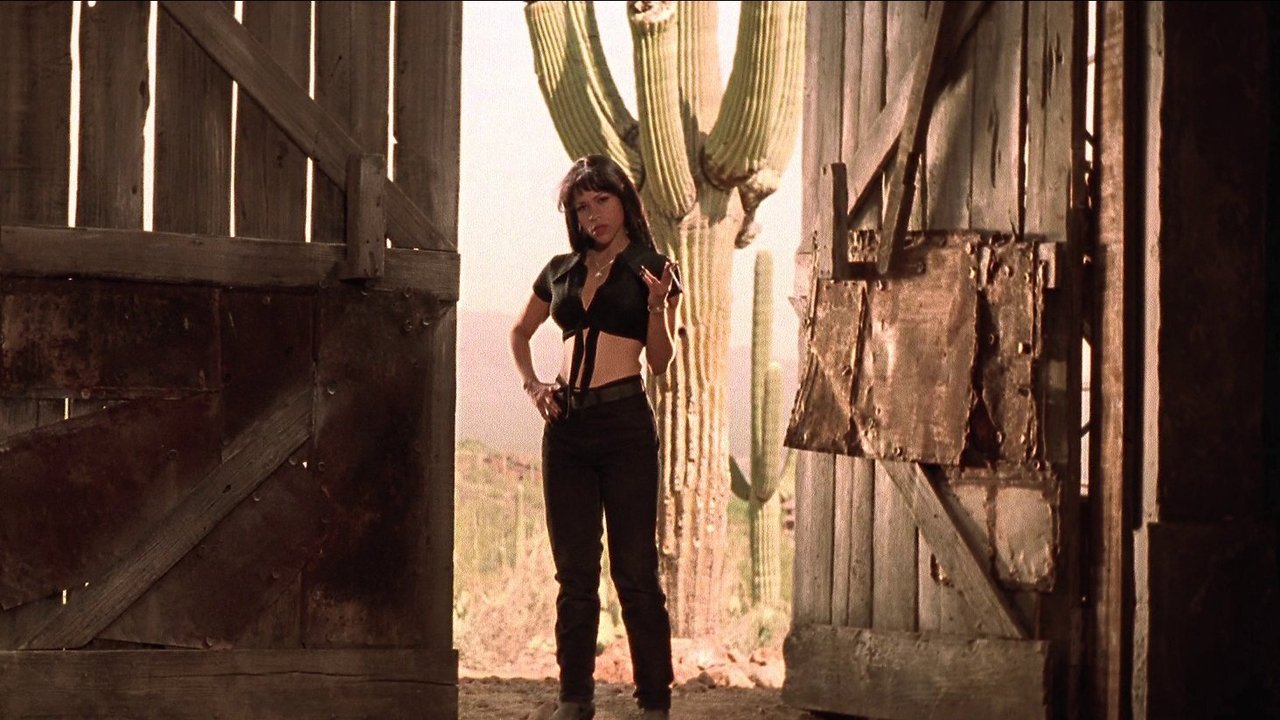
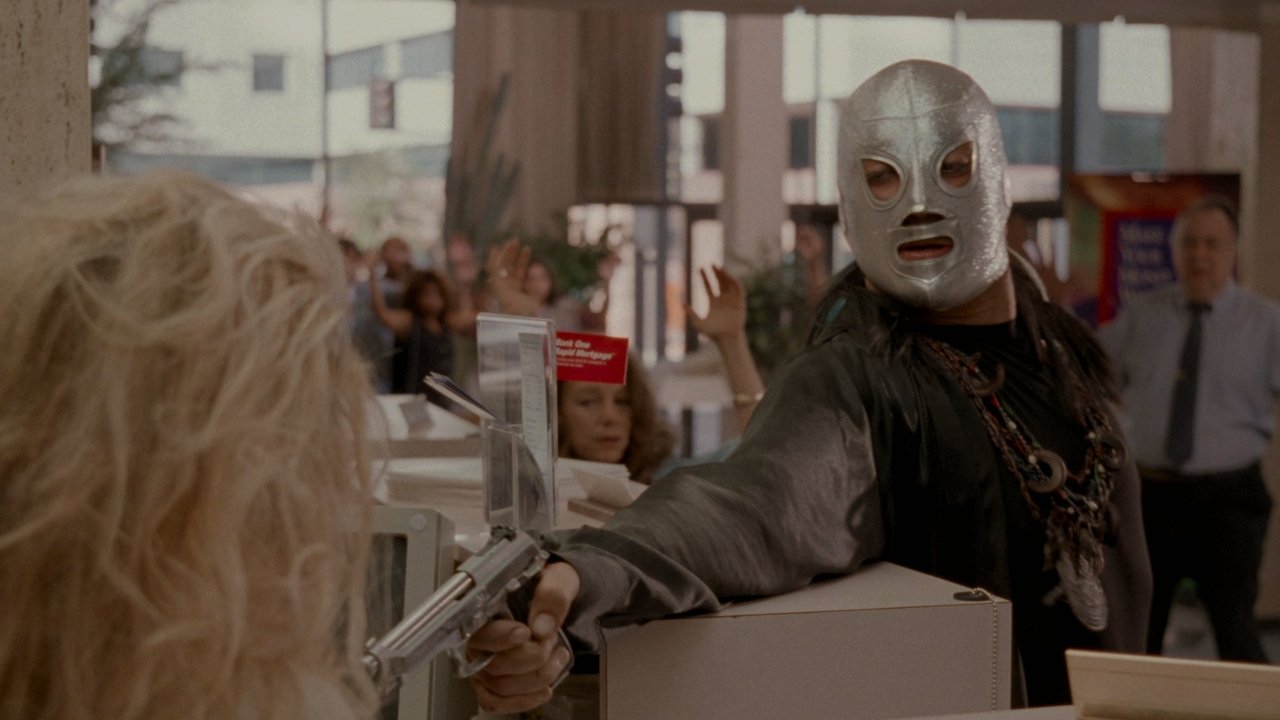
This is pure, uncut Álex de la Iglesia, the Spanish maestro of grotesque spectacle who gave us delights like The Day of the Beast (1995). His visual style is all over this – sweaty close-ups, lurid colours, a sense of barely contained chaos threatening to explode in every scene. He embraces the sleaze and the absurdity, mixing horrific violence with pitch-black comedy in a way that leaves you reeling. Remember that scene involving the bank robbery and the impromptu roadside ritual? It perfectly encapsulates the film's whiplash-inducing shifts between brutal action and bizarre, almost hallucinatory horror. De la Iglesia doesn't just flirt with bad taste; he dives headfirst into it, creating a sun-baked, blood-soaked nightmare version of a road movie. There's a palpable grimy heat to the film, a feeling that violence and madness are simmering just beneath the surface of the dusty Mexican landscape, filmed on location under what were reportedly sometimes challenging conditions.
### Unforgettable (and Unforgivable) Characters
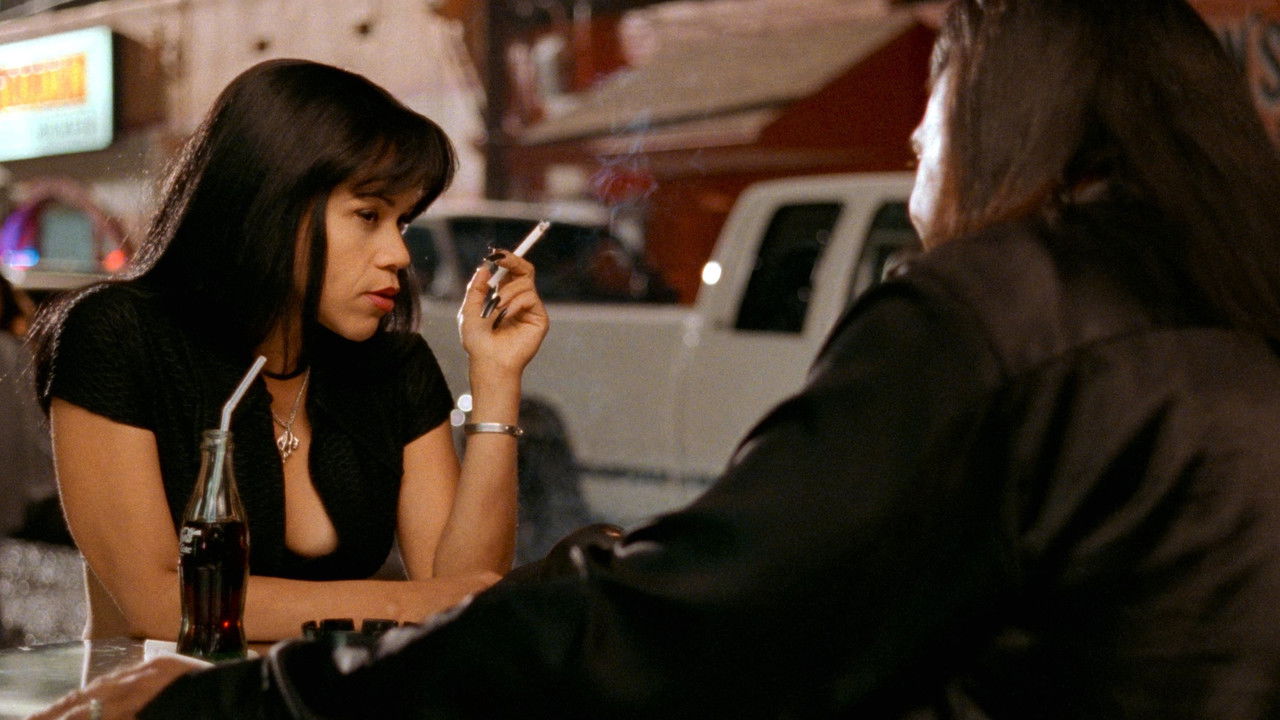
Rosie Perez is electric as Perdita, radiating toughness and a volatile sensuality that makes her a perfect match for Romeo's madness. She’s no mere damsel or sidekick; she’s a driving force in the narrative, often just as ruthless as her partner. But it’s Javier Bardem who truly scorches the screen. This performance is a revelation – years before No Country for Old Men cemented his status as a master of cinematic menace, he created Romeo Dolorosa. Hulking, intense, speaking in heavily accented English, Bardem is utterly hypnotic. He reportedly gained significant weight for the role, fully inhabiting this larger-than-life monster who believes his own dark hype. It’s a performance of terrifying charisma, making you understand how someone like Perdita could fall under his spell, even as you recoil from his actions. Even smaller roles pop, like a pre-Sopranos James Gandolfini as a dogged DEA agent. Doesn't Bardem's unsettling blend of charm and utter psychosis still feel chillingly effective?
### Dancing Around the Censors (Retro Fun Facts)
This film’s journey to the screen, especially in the US, is a story in itself. The original Spanish version, Perdita Durango, was significantly longer and far more explicit, particularly regarding the violence and the utterly taboo fetus-trafficking subplot. Distributors panicked. The American release, retitled Dance with the Devil, was heavily cut (losing nearly 10 minutes) to secure an R rating, toning down the gore and removing some of the most controversial elements, including much of the Santería ritual detail which drew inspiration from the horrific real-life crimes of Adolfo Constanzo’s cult in the late 80s. Finding an uncut version on VHS or even early DVD felt like uncovering forbidden knowledge. The film reportedly cost around $6 million but struggled commercially, especially in its edited form, becoming a true cult item whispered about in fan circles rather than a mainstream hit. Its reputation grew through those murky grey-market tapes and, later, dedicated fan restorations.
### Still Burns Bright?
Dance with the Devil / Perdita Durango is not an easy watch. It’s confrontational, often repellent, and gleefully offensive. It wallows in the muck and dares you to look away. But beneath the shock tactics lies a fiercely energetic, stylishly directed piece of outlaw cinema powered by two incredible lead performances. It’s a time capsule of a certain kind of late-90s extremity, a film that pushed boundaries with a punk rock sneer. Revisiting it now, the shock might be slightly dulled by decades of increasingly graphic media, but the raw energy and Bardem's terrifying presence remain undiminished. It feels like a dispatch from a wilder, less sanitized cinematic landscape. My own worn import tape certainly got a lot of play back in the day, always feeling like I was getting away with something just by watching it.

Rating: 8/10
This score reflects the film's undeniable power, Álex de la Iglesia's bold direction, and the unforgettable performances from Perez and especially Bardem. It's docked points only because its relentless extremity and controversial subject matter make it a genuinely challenging and potentially off-putting experience for many. It’s not trying to be pleasant; it’s trying to leave a mark.
For fans of truly transgressive, high-energy cult cinema from the 90s, Dance with the Devil / Perdita Durango remains a potent, sweat-drenched trip worth taking – just maybe have a stiff drink ready for afterwards. It’s a Molotov cocktail of a movie, hurled gleefully onto the screen.