There’s a certain kind of stain that some films leave on your memory, isn't there? Not the warm glow of nostalgia, but something colder, sharper. A residue of unease. The 1998 OVA Kite is precisely that kind of film. Finding this one on a nondescript tape back in the day, perhaps tucked away in the “Adult Animation” section most stores nervously curated, felt like uncovering something forbidden. And in many ways, it was. It arrived like a whisper of transgression, a rumor of animation pushed far beyond Saturday morning cartoons, into territory that still feels dangerous.

An Angel With Bloody Hands
Directed and written by the uncompromising Yasuomi Umetsu, known for his stylishly violent and often sexually charged works like Robot Carnival's "Presence" segment (1987) and later Mezzo Forte (2000), Kite wastes no time establishing its bleak worldview. We're introduced to Sawa (Kotomi Naruse), a seemingly ordinary schoolgirl who moonlights – or perhaps more accurately, daylights – as a brutally efficient assassin. Orphaned after the murder of her parents, she's fallen under the 'care' of Akai (Gorō Shibusawa), a corrupt detective who not only directs her lethal assignments but also subjects her to sickening sexual abuse. Her weapon of choice? A custom handgun firing bullets that explode inside their targets. It’s a visceral, gut-churning detail that sets the tone immediately. This isn't heroic bloodshed; it's grimy, desperate survival painted in shades of grey and crimson.
Beauty Laced With Brutality
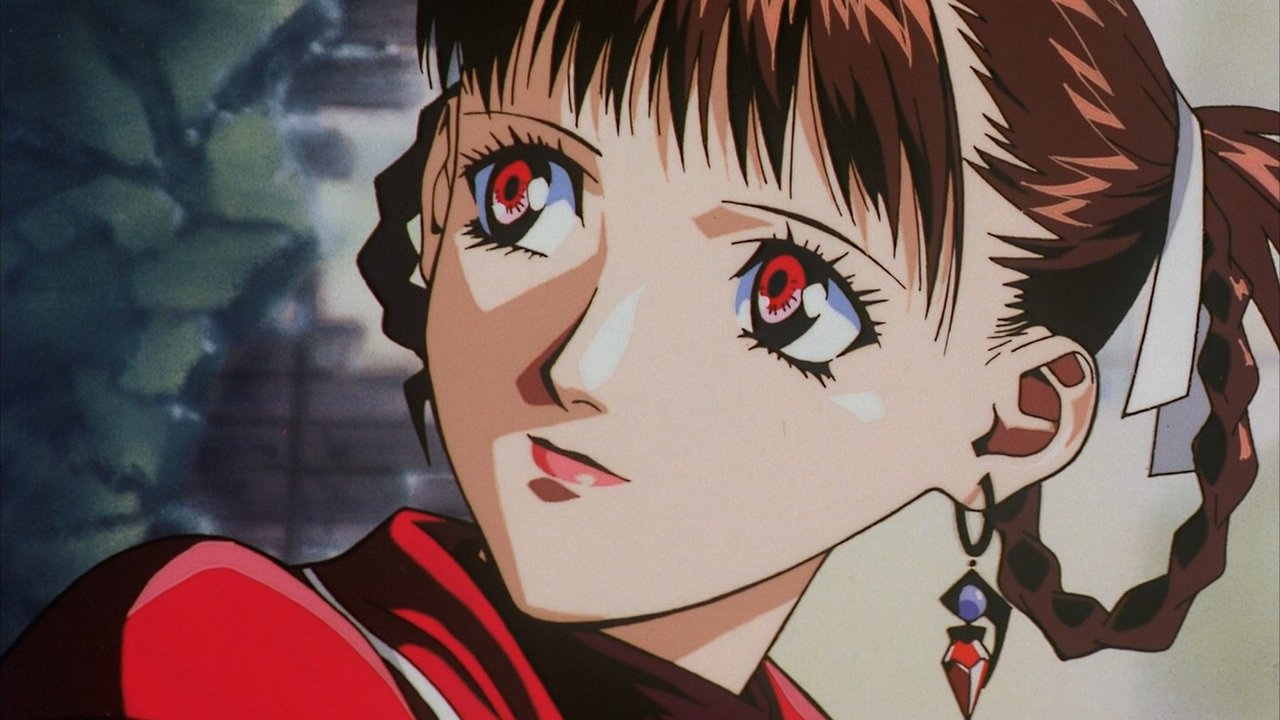
What makes Kite so unsettling, even today, is the juxtaposition of its often beautiful animation with its utterly depraved content. The character designs have a certain late-90s OVA elegance, Sawa’s youthful appearance contrasting sharply with the deadness in her eyes. Backgrounds are detailed, capturing the oppressive atmosphere of a decaying city. Yet, this aesthetic polish is constantly shattered by moments of extreme violence and graphic sexuality that feel deliberately confrontational. The action sequences are kinetic and shocking, often over before you can fully register the brutality. Sawa moves with a dancer's grace one moment, only to deliver a point-blank execution the next. There’s no glory here, just grim necessity. Doesn't that clash make the horror feel even more potent?
The animation itself, while fluid for its time, has that distinct feel of high-budget OVAs – a step above television anime but still possessing a certain hand-drawn weight that modern digital animation often lacks. It contributes to the feeling of watching something tangible, something crafted, even as the subject matter pushes towards the taboo.
The Shadow of Controversy
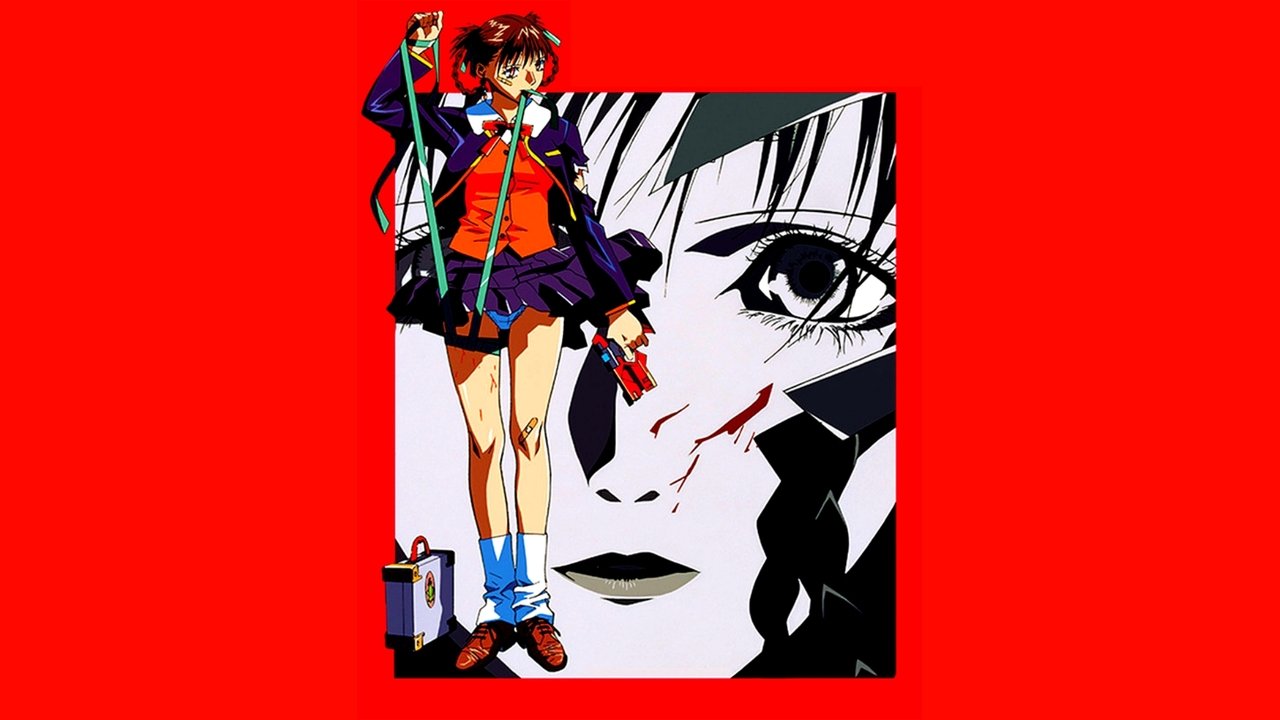
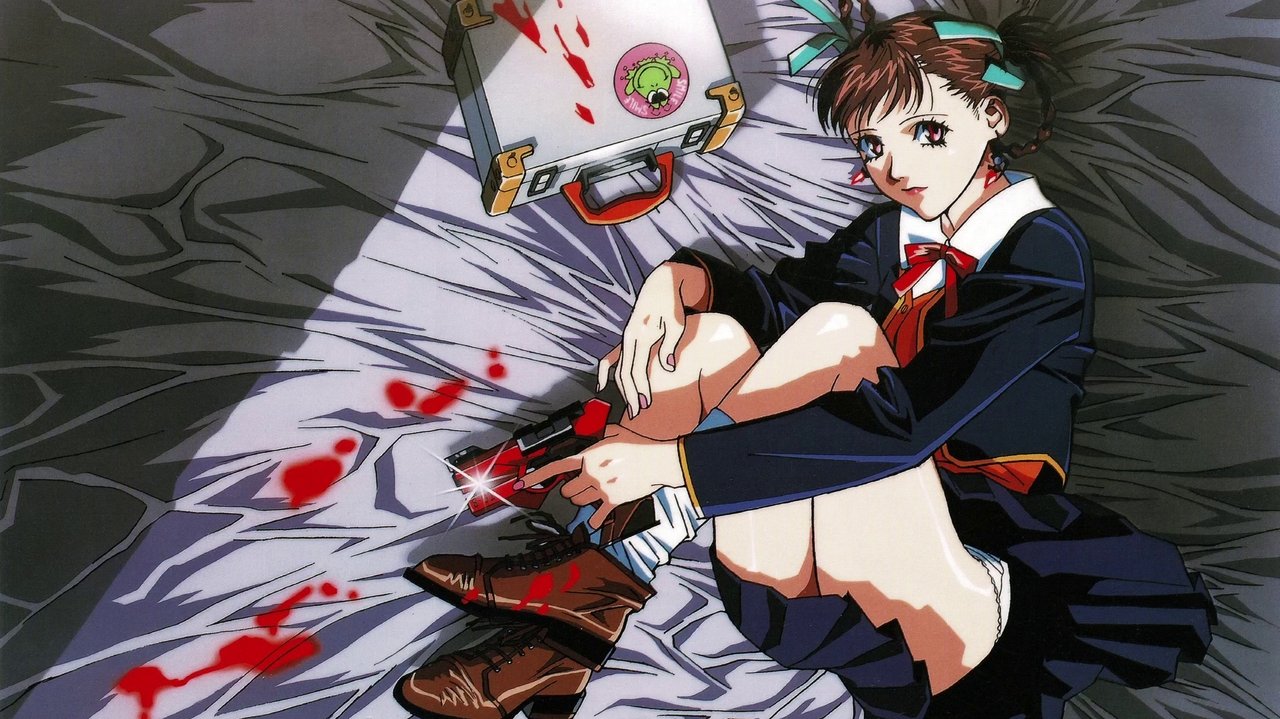
Let's not mince words: Kite is deeply problematic. Its handling of sexual violence, particularly Sawa's exploitation by Akai, remains highly controversial and, for many viewers, simply indefensible. Watching it now requires confronting this darkness head-on. It’s a film steeped in the transgressive spirit that permeated certain corners of late-90s Japanese pop culture, seemingly determined to push every boundary it could find. This led to significant censorship battles outside Japan. The version many Westerners first encountered on VHS or DVD was often heavily edited, removing the most explicit sexual content while leaving the graphic violence largely intact – a decision that arguably created its own skewed and uncomfortable viewing experience. Rumors circulated among fans about the elusive "uncut" Japanese version, whispered about on early internet forums and traded on bootleg tapes, adding to the film's mystique as forbidden fruit. Yasuomi Umetsu reportedly fought tooth and nail against censorship, viewing the disturbing elements as integral to Sawa's tragic story, though whether that justifies their inclusion remains a fierce debate.
Echoes in the Dark
Despite, or perhaps because of, its notoriety, Kite's influence can be felt. Its blend of stylish action and dark themes arguably resonated through later works, both in anime and even Western cinema (whispers of its DNA have been noted by some critics in films like Kill Bill, though Quentin Tarantino hasn't explicitly confirmed it). The stark portrayal of a young, damaged female assassin certainly became a recurring archetype. Finding information about the original production isn't always easy – OVAs often had less fanfare than theatrical releases – but its reputation far outstripped its modest origins. It wasn’t a box office titan, but its impact within niche fan communities was undeniable, cementing Yasuomi Umetsu's reputation as a purveyor of stylish, adult-oriented, and often deeply uncomfortable animation. The fact that it spawned a less impactful sequel, Kite Liberator (2008), and a critically panned live-action American adaptation in 2014 (starring Samuel L. Jackson, of all people) speaks to the original's lingering, infamous shadow.
Final Cut: Legacy of Unease
Kite is not an easy film to recommend, nor should it be. It’s a product of its time, reflecting a willingness to explore the darkest corners of human behaviour through the medium of animation, but often stumbling into outright exploitation. The technical skill in the animation and the raw, visceral impact of its action sequences are undeniable. The atmosphere is thick with dread, a feeling amplified by the grim narrative and the unsettling score. However, its deeply problematic themes cast a long, dark shadow that cannot be ignored. Watching it again after all these years, the shock value may have lessened, but the discomfort remains potent. It’s a relic of the wilder days of anime importation, a time when discovering something so extreme on a grainy VHS felt like peering into an abyss.
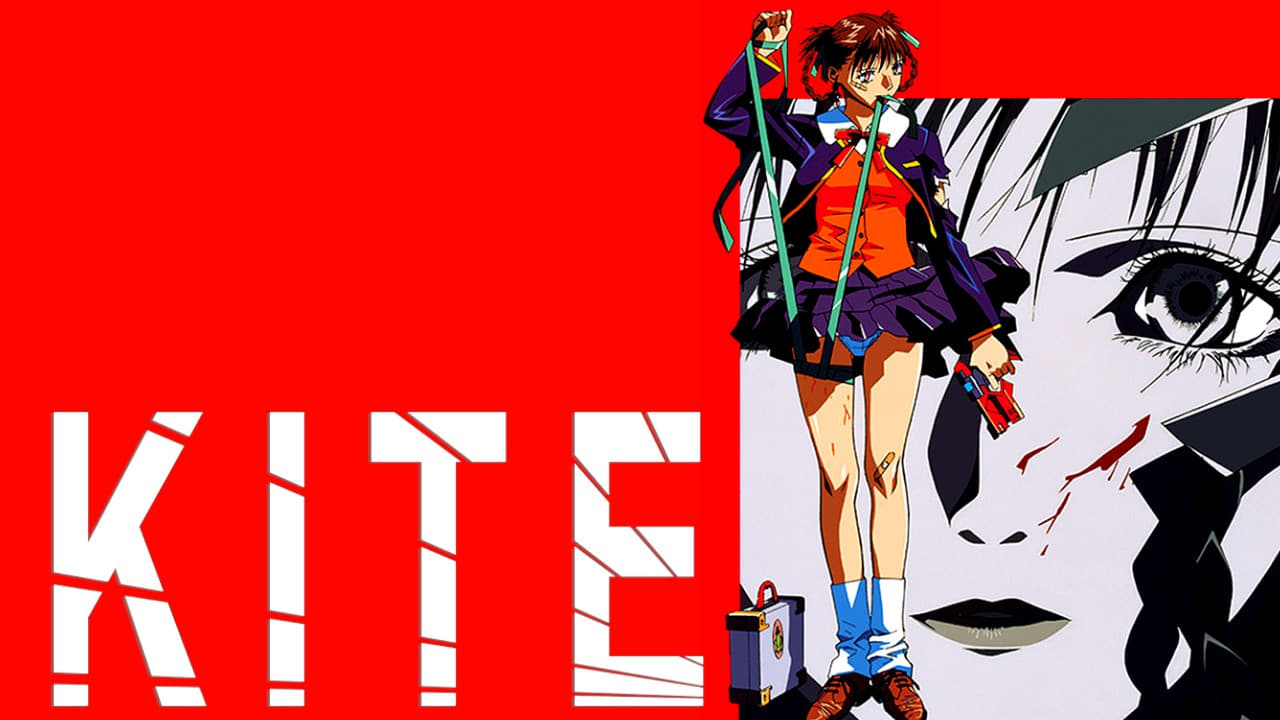
Rating: 6/10
Justification: The score reflects the undeniable technical craft, the powerful atmosphere, and the sheer audacity of Kite's vision within its specific context. The fluid animation (for its time) and brutal action sequences remain impactful. However, the deeply problematic and exploitative handling of sexual violence prevents a higher rating, making it a difficult and often repulsive viewing experience despite its technical merits. It earns points for its raw power and boundary-pushing intent, but loses significant ground due to its controversial content.
Kite remains a potent, deeply uncomfortable piece of anime history – a dark artifact from the VHS era that still has the power to shock and disturb, forcing viewers to grapple with the line between transgressive art and outright exploitation. It's a stain you can't easily wash away.