Okay, slide that tape into the VCR, maybe give the tracking a little nudge, because tonight we're diving headfirst into the grimy, neon-lit alleys of 1984 with Savage Streets. Forget polished heroes and sanitized action; this flick is a raw nerve ending, a Molotov cocktail of punk attitude and pure, unadulterated 80s vengeance served cold… and frequently with a crossbow. If you stumbled upon this gem on a dusty rental shelf back in the day, nestled between the mainstream hits, you knew you were in for something… different.
Mean Streets, Meaner Gang
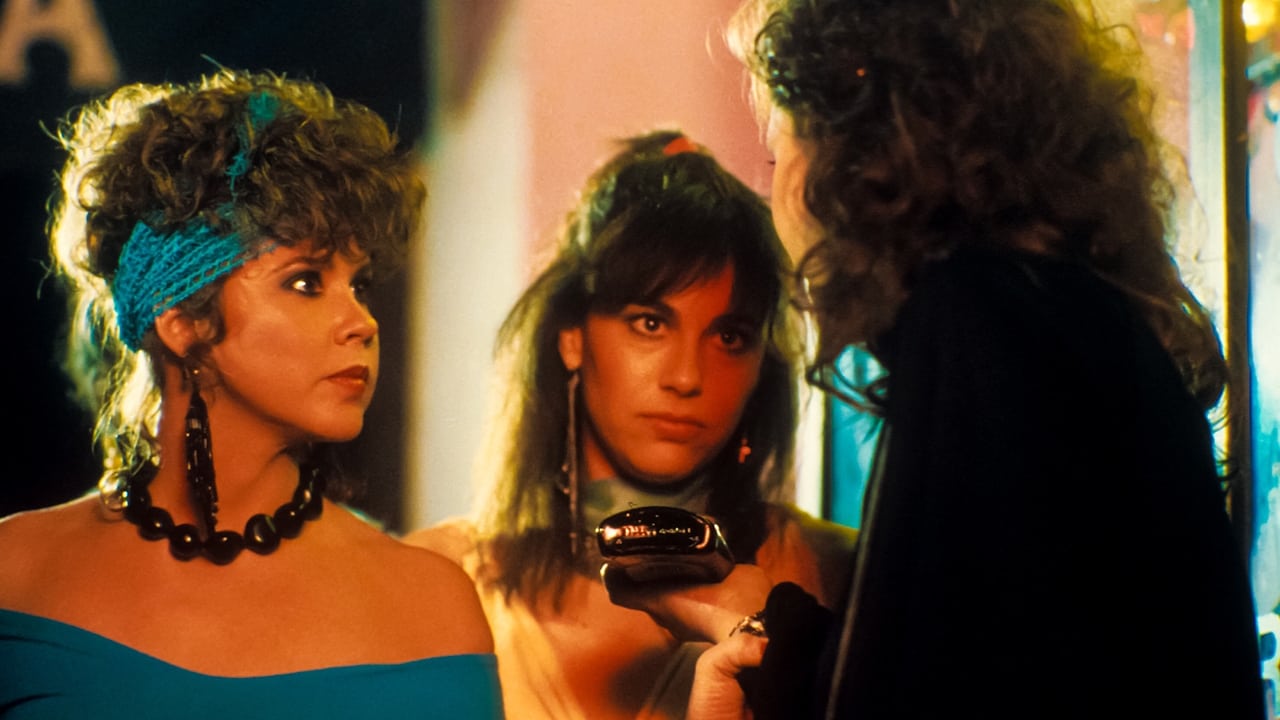
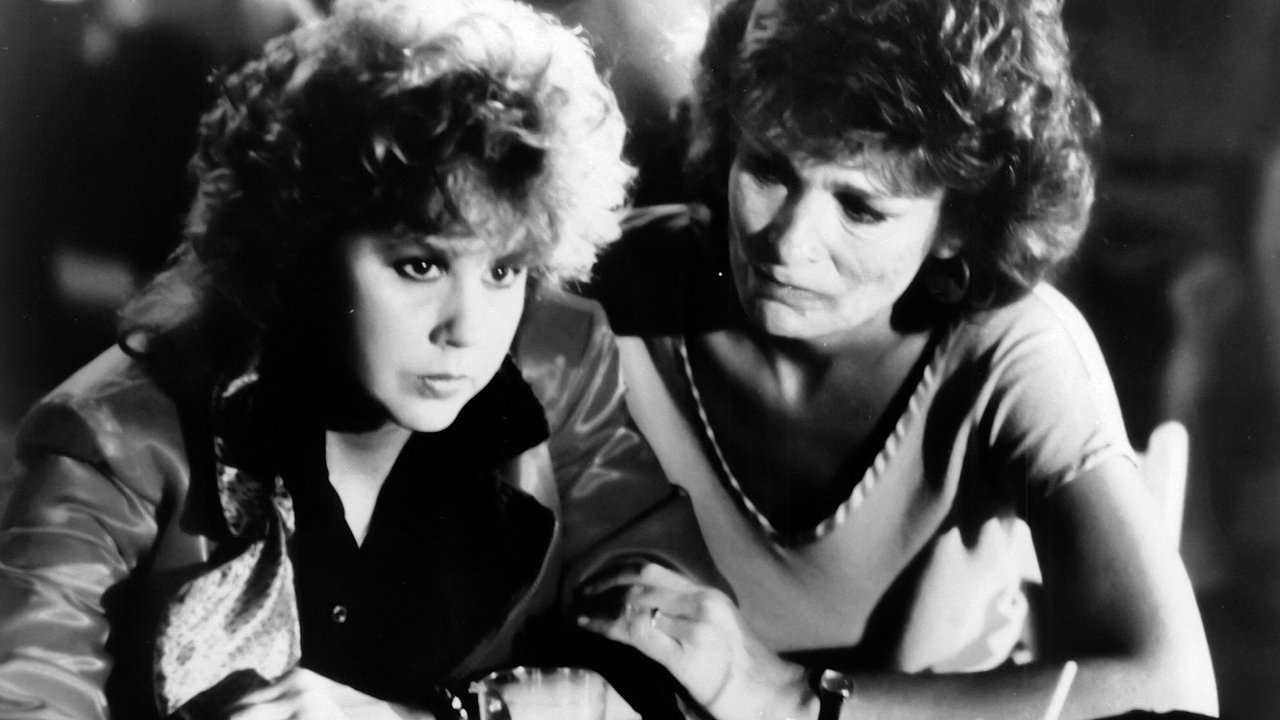
Right from the jump, Savage Streets throws you into a world that feels simultaneously familiar and dangerously unpredictable. We meet Brenda, played by Linda Blair navigating the choppy waters of high school cliques and nighttime escapades with her all-girl crew, "The Satins." Crucially, she's fiercely protective of her younger, deaf-mute sister Heather, portrayed with heartbreaking vulnerability by future scream queen Linnea Quigley. Their world collides violently with "The Scars," a local gang led by the sneering, utterly irredeemable Jake (Robert Dryer). These guys aren't misunderstood rebels; they're pure, predatory scum, embodying the kind of over-the-top street menace that only the 80s could truly perfect on screen. The setup is classic exploitation: innocence threatened, lines crossed, and the stage set for brutal payback.
From High School Halls to Hunter's Moon
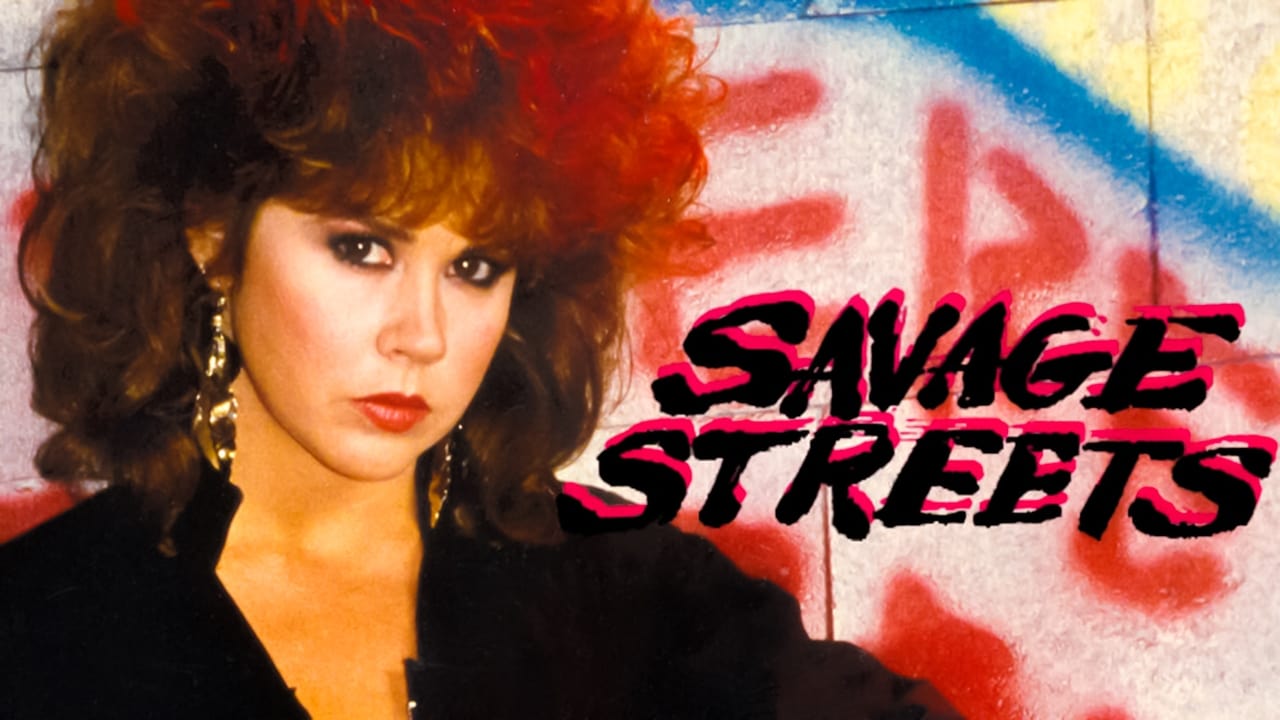
Let's talk about Linda Blair. By 1984, she was years removed from The Exorcist (1973) and exploring decidedly rougher territory. Her performance as Brenda is the anchor of this film. You feel her protective fury simmering beneath the surface long before things go sideways. It's a performance that, somewhat bizarrely, earned her a Razzie Award for Worst Actress. Watching it now, though, especially through the lens of gritty genre appreciation, that feels wildly off-base. Blair commits fully to Brenda's arc, transforming convincingly from a concerned sister and tough-talking teen into a black-clad angel of vengeance. Retro Fun Fact: The film itself went through a couple of working titles, including the arguably more generic "Street Girls," before landing on the perfectly evocative Savage Streets. It feels right, doesn't it? Captures that raw energy.
The catalyst for Brenda's transformation is genuinely upsetting, handled with the kind of blunt force typical of director Danny Steinmann, who would later helm the notorious Friday the 13th Part V: A New Beginning (1985). Savage Streets doesn't shy away from the ugliness, which understandably made it controversial. It even landed on the infamous UK "Video Nasties" list for a time. But viewed within the context of the rape-revenge subgenre popularised in the 70s and evolving in the 80s, the film uses this brutality not just for shock value, but as the undeniable fuel for Brenda's righteous rampage.
Practical Payback: The Beauty of Analogue Action
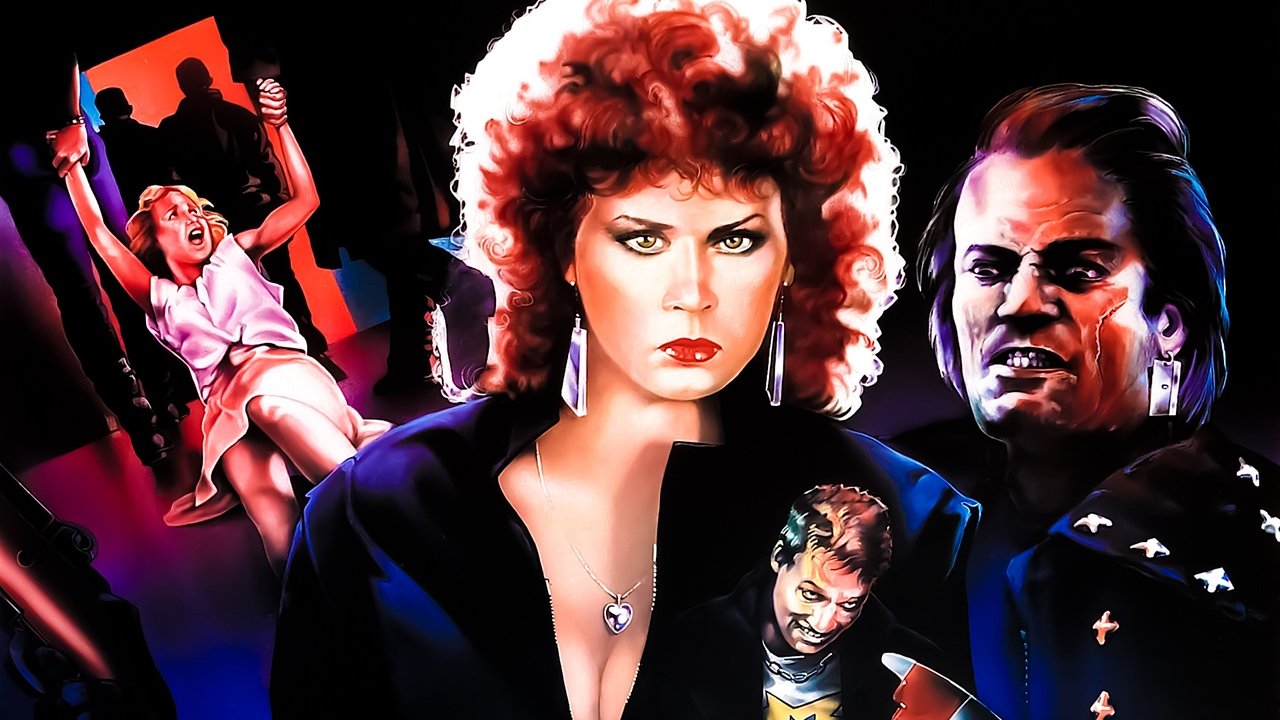
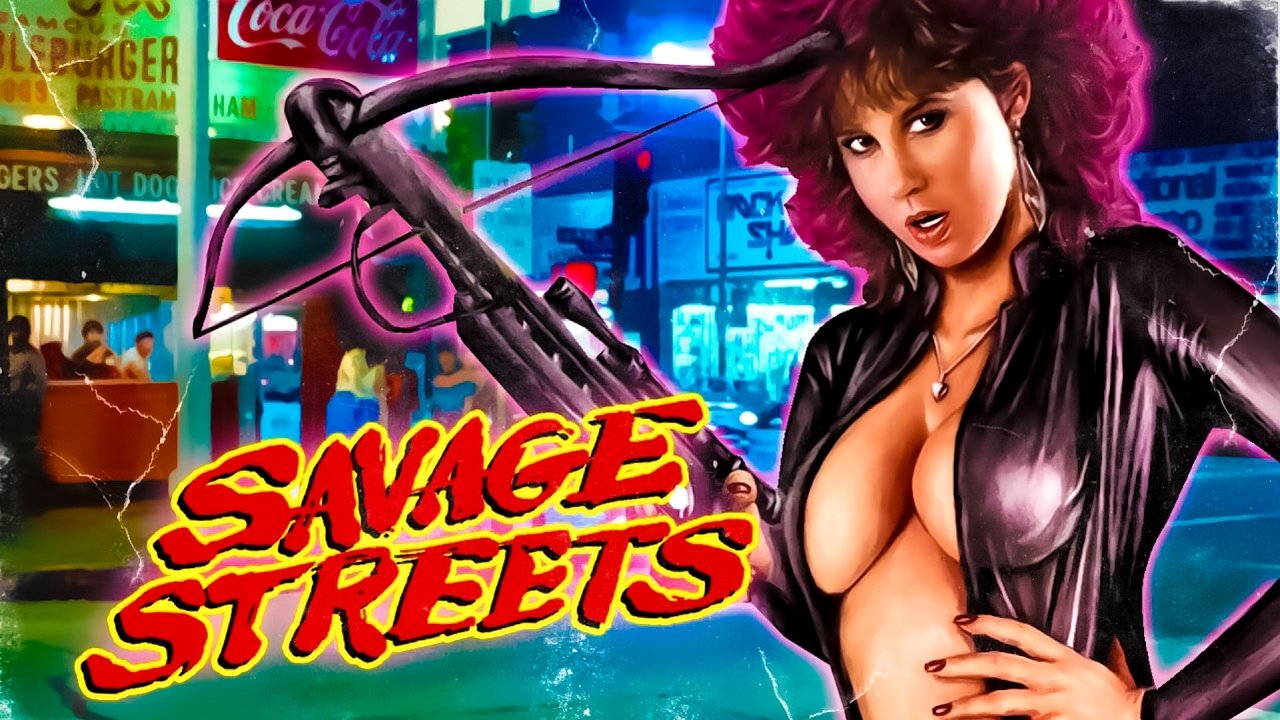
And oh, that rampage. This is where Savage Streets truly earns its stripes for fans of old-school grit. Forget slick CGI takedowns; Brenda’s revenge is messy, personal, and brutally physical. Remember how impactful those practical effects felt back then, watching on a fuzzy CRT? The confrontation in the auto shop, the creative use of a switchblade, and of course, the iconic crossbow sequence – they hit differently. Retro Fun Fact: That infamous scene where a character meets their end via crossbow bolt? Apparently, achieving that visceral "thwack" involved some clever, low-budget practical rigging, likely involving hidden wires and a chest plate, far removed from today's digital blood splatters. It felt real because, in a tangible way, it was. Stunt performers were putting themselves in harm's way, props were physical objects, and the resulting violence felt less like a cartoon and more like something genuinely painful. Was it heightened? Absolutely. But it had weight.
The film's aesthetic screams early 80s Los Angeles – the gritty streets, the dive bars, the slightly decaying school building (reportedly filmed at Lincoln Heights Jail and L.A.'s abandoned Grant High School). It all contributes to the film's sleazy, dangerous atmosphere, perfectly complemented by a driving rock soundtrack that keeps the adrenaline pumping.
Cult Status Cemented
Critically savaged upon release? You bet. Box office smash? Not exactly, though it reportedly turned a profit on its modest budget. But like so many films from the VHS era, Savage Streets found its audience later, passed around on worn-out tapes, discovered late at night on cable, or sought out by collectors drawn to its raw energy and controversial reputation. It's a prime example of 80s exploitation filmmaking – sometimes crude, often provocative, but undeniably effective in delivering exactly what it promises: a savage journey down retribution road.
Rating: 7/10
Justification: Savage Streets is undeniably a product of its time, complete with problematic elements and performances that lean into caricature (especially the villains). However, within the specific niche of 80s exploitation and revenge thrillers, it’s a standout. Linda Blair gives a committed, fierce performance, the practical action sequences deliver visceral thrills, and the overall gritty atmosphere is perfectly captured. It does exactly what it sets out to do, even if that goal isn't high art. The 7 reflects its effectiveness as a cult genre piece and its nostalgic pull, balanced against its rough edges and controversial content.
Final Thought: Forget subtlety; Savage Streets is a cinematic punch to the gut, fueled by feathered hair and righteous fury – a reminder of when revenge on film felt less choreographed and a lot more personal, imperfections and all. It's still got teeth.