As I Was Moving Ahead, Occasionally I Saw Brief Glimpses of Beauty
Okay, fellow travellers through time and tape, let’s pause our regularly scheduled programming of exploding helicopters and synth-heavy soundtracks for a moment. Today, we're reaching just past the cusp of the 90s, into the year 2000, for something… different. It might not have graced the shelves of your local Blockbuster next to Speed (1994), but Jonas Mekas’s monumental As I Was Moving Ahead, Occasionally I Saw Brief Glimpses of Beauty feels like a spiritual extension of the home video impulse that defined so much of our VHS experience – the deep-seated human need to capture life, not as a grand narrative, but as a series of fleeting, precious moments.

This isn't a movie in the conventional sense. It’s a nearly five-hour diary film, meticulously compiled by Mekas, often called the godfather of American avant-garde cinema, from decades of 16mm footage he shot of his own life – his family, his friends, his surroundings, primarily from the 1970s onwards. Think of it less as a story and more as a visual poem, a river of images flowing past, punctuated by Mekas’s own reflective, sometimes playful, voiceover and intertitles.
A Life Unfolding, Frame by Frame
What we witness is disarmingly intimate. We see Mekas with his wife Hollis Melton, the births and childhoods of their children Oona Mekas and Sebastian Mekas, simple meals, walks in the park, moments of quiet contemplation, bursts of joy, the mundane textures of daily existence. There’s no plot driving forward, no manufactured conflict. The 'narrative' is simply the passage of time itself, observed with a patient and loving eye. Jonas Mekas, who fled Lithuania during WWII and became a central figure in New York's independent film scene alongside figures like Andy Warhol, uses his camera not to construct drama, but to find it in the unscripted reality unfolding before him.
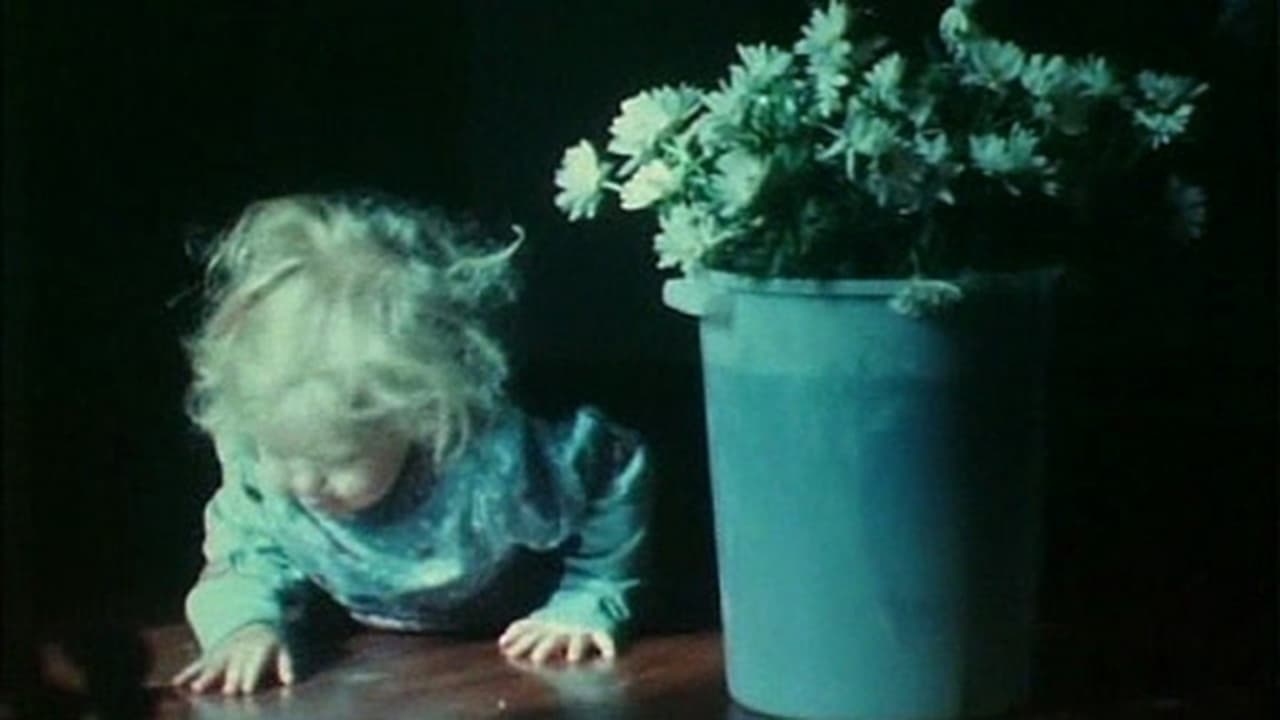
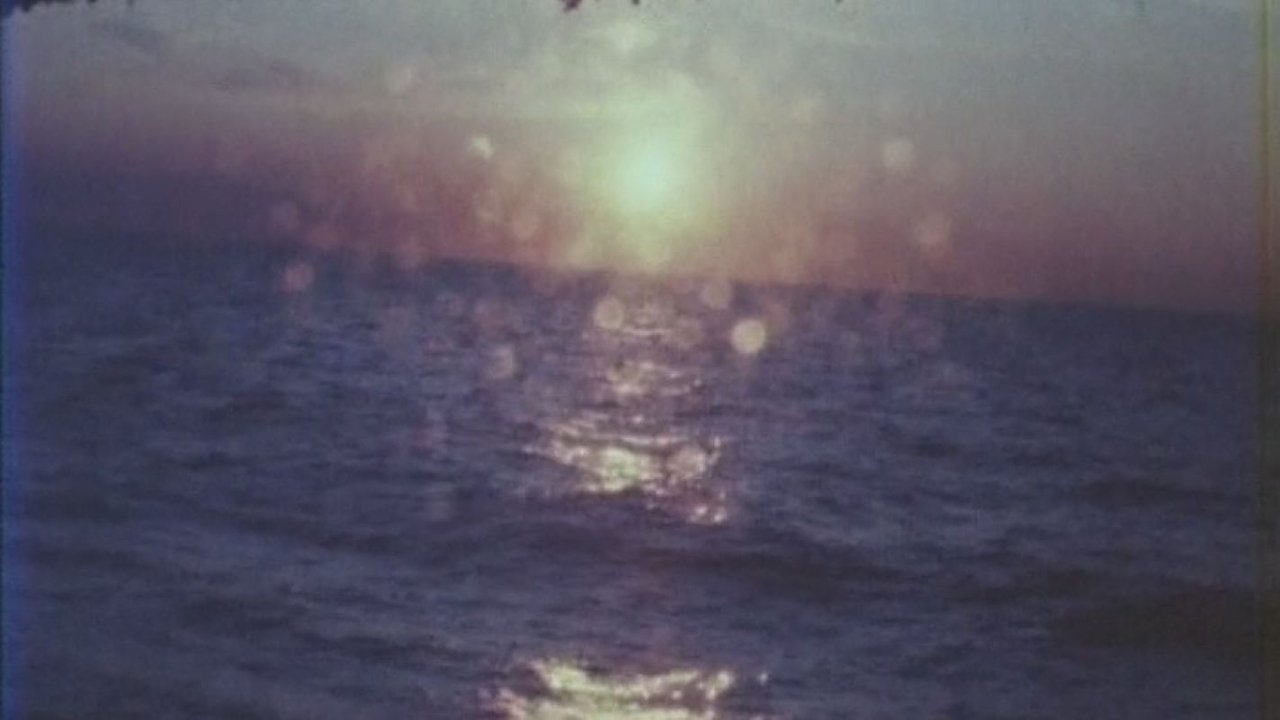
His technique is distinctive: handheld, often rapidly edited sequences, bursts of light and colour, moments deliberately held slightly out of focus, creating a sense of immediacy and subjective experience. It mimics the flicker of memory itself – not a perfect, linear recording, but a series of vivid impressions. Does it feel jarring compared to the polished cinematography we often discuss here? Absolutely. But that rawness is precisely the point. It’s the antithesis of Hollywood gloss, valuing authenticity above all else.
Finding the Extraordinary in the Ordinary
The film's title is its thesis statement. Mekas isn't searching for grand epiphanies, but for those "brief glimpses of beauty" that illuminate everyday life: a child’s laugh, sunlight through leaves, the shared glance between spouses. Watching it requires a shift in expectation. You don't consume it passively; you have to surrender to its rhythm, let the images wash over you. It forces a confrontation with a question we perhaps didn't ask often enough during our Friday night rental quests: what truly constitutes a meaningful moment? Is it the perfectly executed stunt, or the imperfect, heartfelt reality of living?
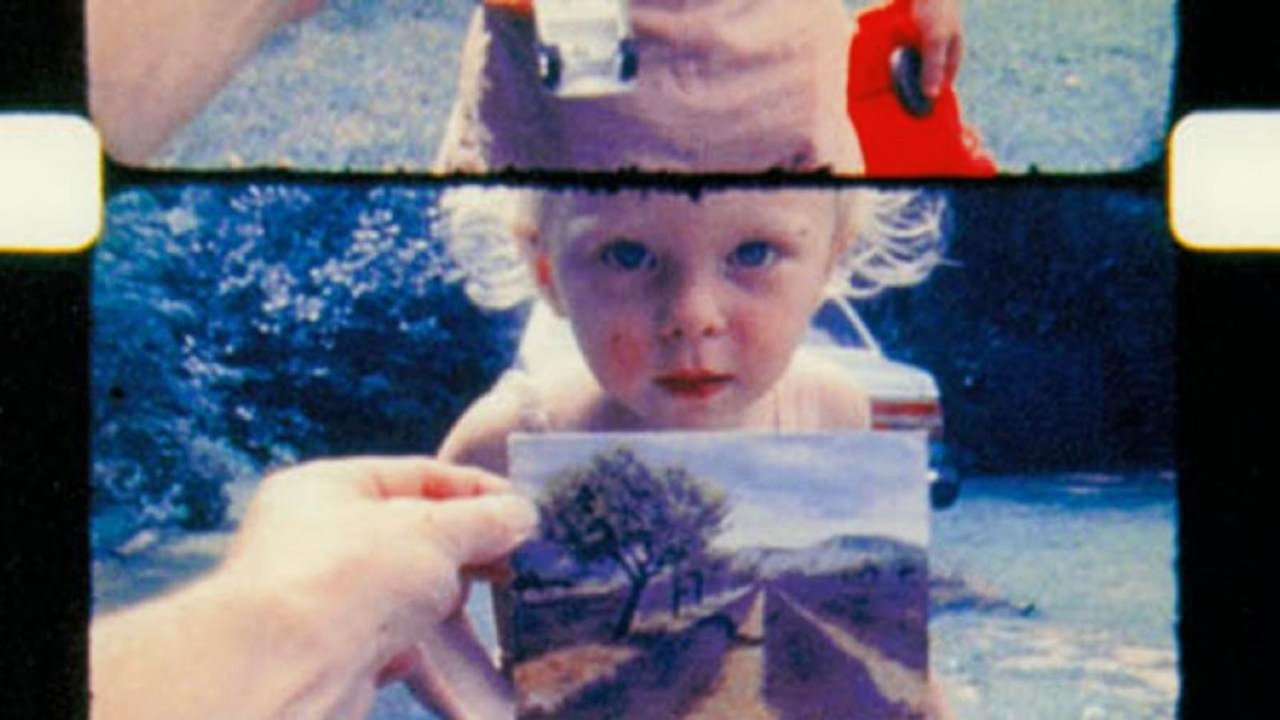
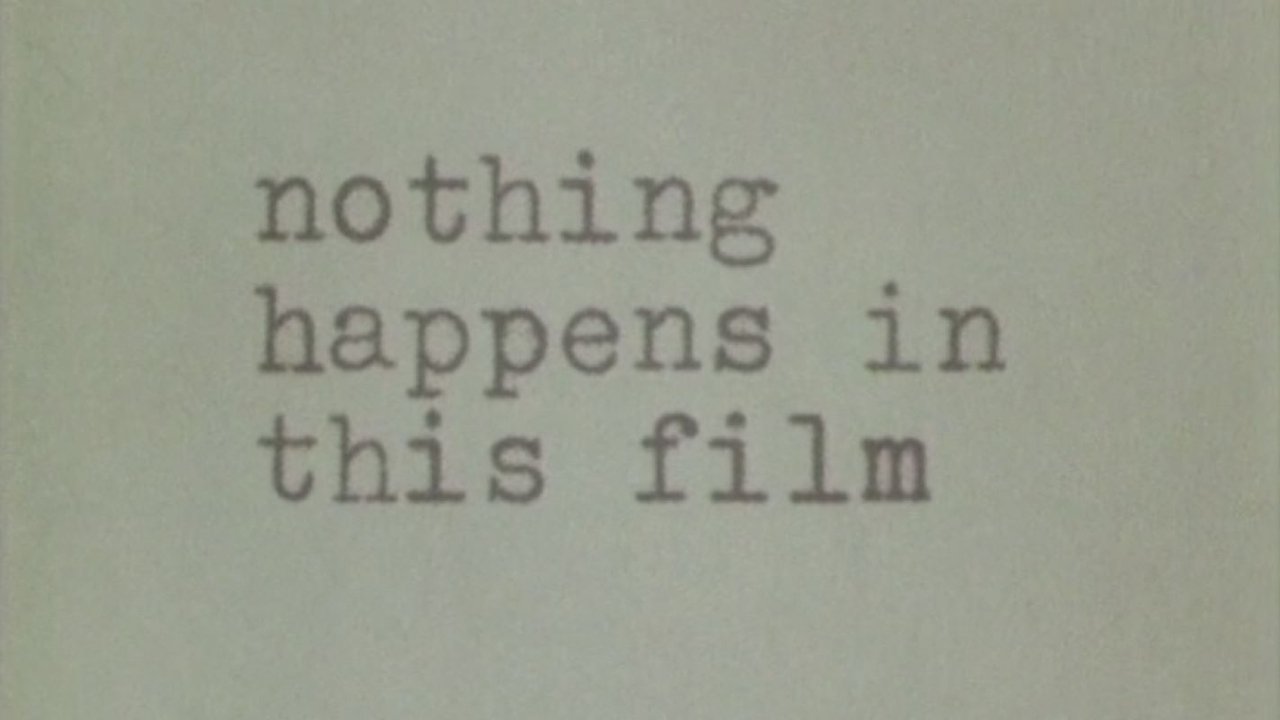
Mekas, in his gentle voiceover, guides us, reassures us, sometimes even argues with himself about the purpose of his relentless filming. > "I don't know what I'm doing," he might confess, or insist, > "This is not a film. This is life." It’s this vulnerability, this lack of pretense, that forms the core of the film's power. We’re not just watching his family; we're invited into his process of seeing, remembering, and finding value.
A Bridge Between Eras?
Now, why feature this sprawling, experimental piece on VHS Heaven? While it missed the main VHS boom and certainly wasn't a typical rental, its essence resonates with the era. Think about all those chunky camcorders hoisted onto shoulders at birthday parties and family holidays throughout the 80s and 90s. Wasn't that, in its own way, a folk version of what Mekas was doing? A desire to preserve moments, however imperfectly, against the relentless march of time. Mekas elevates this impulse to high art, using the texture and grain of film (not tape, admittedly, but sharing that tangible, physical quality) to create something deeply personal yet universally relatable. His project began long before VHS, but culminated in this 2000 release, perhaps serving as a poignant bookend to an era increasingly obsessed with documenting itself.
It's worth noting that Mekas compiled this magnum opus from footage shot over roughly 30 years. Imagine the sheer dedication, the decades spent accumulating thousands of feet of film, long before digital storage made such archives commonplace. This wasn't a quick project; it was a life's work, a testament to celluloid endurance in a way that feels profoundly connected to the physical media we celebrate here.
Final Thoughts: Patience Required, Beauty Rewarded
As I Was Moving Ahead is undeniably challenging. Its length demands commitment, and its non-linear, impressionistic style won't appeal to everyone. There are no car chases, no killer robots, no witty one-liners (unless you count Mekas's own philosophical musings). But if you approach it with an open mind and heart, allowing yourself to tune into its unique frequency, the rewards are immense. It’s a profound meditation on memory, family, the passage of time, and the quiet miracles embedded in the everyday.
Rating: 8/10
This rating reflects the film's remarkable success on its own terms as a landmark work of personal, experimental cinema. It achieves precisely what it sets out to do with honesty and artistry. It’s not an 8/10 blockbuster, but an 8/10 testament to a unique cinematic vision. It’s a demanding watch, certainly, and perhaps best experienced in segments rather than one marathon sitting, preventing it from a higher score purely in terms of general accessibility for our usual crowd.
It leaves you not with a neat conclusion, but with a lingering feeling – a heightened awareness of the beauty shimmering just beneath the surface of your own life, waiting to be noticed. What glimpses have we perhaps missed while looking for something else entirely?