It arrives not like a movie, but like a transmission from a half-remembered dream, or perhaps a bundle of letters discovered in an attic, filled with the observations of a phantom traveler. Sans Soleil (1983) isn't something you simply watch; it's an experience you absorb, a current that pulls you into its flow of images and ideas, leaving you profoundly altered, adrift in thought long after the screen fades to black. For those of us whose formative film years involved the whirring of a VCR and the thrill of discovery down the less-trodden aisles of the rental store, finding something like this felt like unearthing a secret history of cinema itself.

A Letter from Elsewhere
Directed by the notoriously elusive Chris Marker – a filmmaker whose own life often seemed as enigmatic as his work – Sans Soleil presents itself as a series of letters read aloud by an unnamed woman (voiced by Alexandra Stewart in the widely circulated English version, though originally Florence Delay in French). These letters are purportedly from a globe-trotting cameraman, the fictional Sandor Krasna, as he documents his travels, primarily through Japan and Guinea-Bissau, with detours to Iceland and San Francisco. But this is no mere travelogue. Krasna’s observations, filtered through Marker's distinct sensibility, spiral into profound meditations on time, memory, technology, cultural rituals, and the impossibility of truly capturing meaning through the lens.
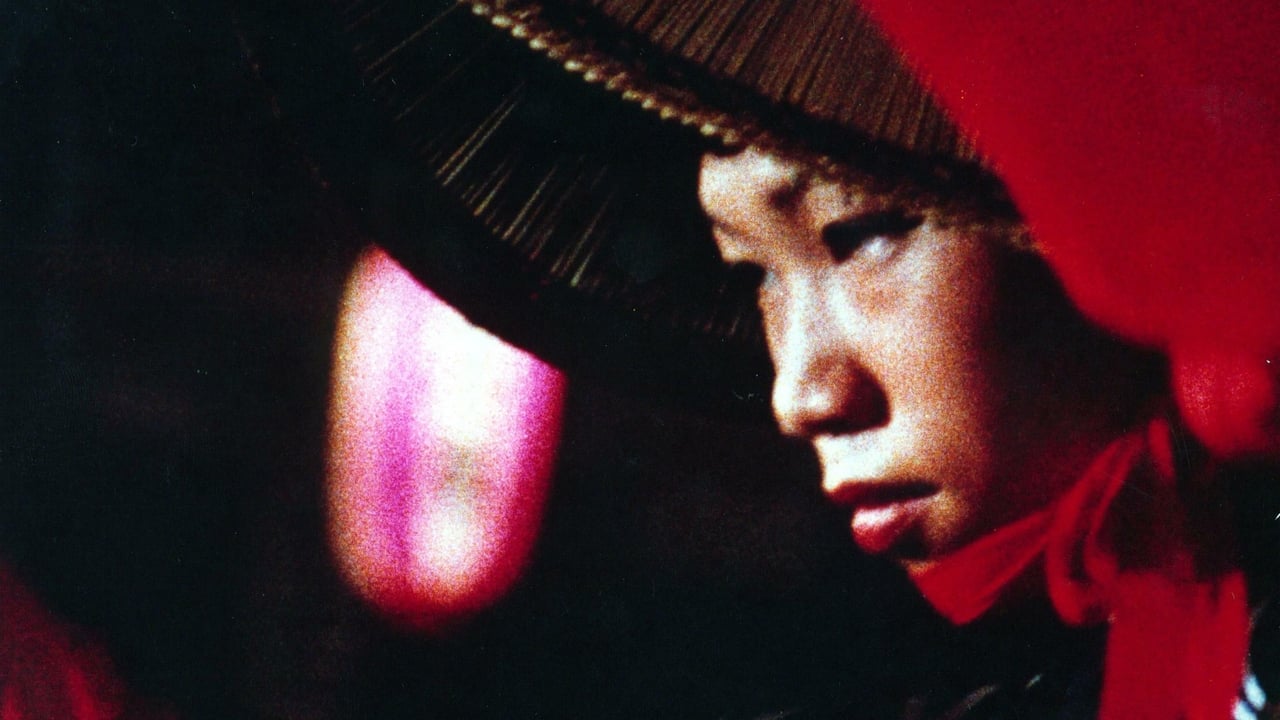
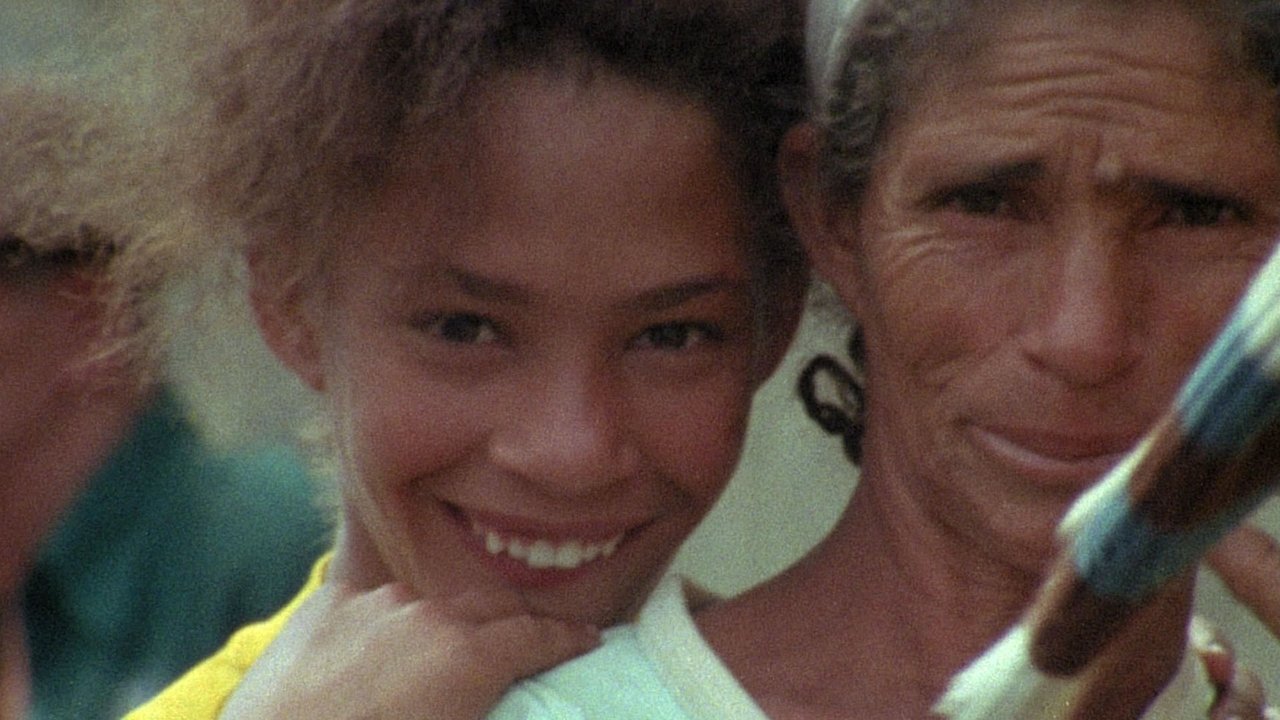
Remember how some films just felt different back then, distinct from the polished Hollywood narratives? Sans Soleil embodies that difference. There’s no traditional plot, no character arcs in the conventional sense. Instead, we drift with Krasna’s (and Marker’s) gaze, observing the relentless motion of Tokyo commuters, the solemn ceremonies at temples, the faces marked by history in West Africa, the almost alien landscapes of Iceland. The structure is associative, dreamlike; one image sparks a thought, which leads to another place, another memory, another question. What does it mean to remember? How do images shape our understanding of the past and present? These aren't questions posed bluntly, but rather questions that surface organically from the flow of visuals and the narrator's contemplative tone.
The Persistence of Vision (and Memory)
Marker masterfully juxtaposes disparate images to create unexpected connections. The frenetic energy of Tokyo's Shibuya Crossing might cut to the quiet dignity of an African village ceremony. The serene faces of sleeping passengers on a ferry are contrasted with the almost violent intensity of historical reenactments. He finds patterns and echoes across cultures and time periods, suggesting a shared human experience beneath the surface differences. It’s a technique he famously pioneered in his groundbreaking photo-roman, La Jetée (1962), a film constructed almost entirely from still images that Sans Soleil references directly and indirectly.
One recurring fascination is Alfred Hitchcock's Vertigo (1958). Krasna follows the path of James Stewart's character through San Francisco, visiting the locations seen in the film. It’s not just film geekery; it’s a profound exploration of how cinema shapes our perception of places and how memory itself can feel like revisiting a film, trying to grasp something elusive that keeps slipping away. This pilgrimage becomes a metaphor for Krasna's own quest – and perhaps Marker's – to understand the mechanisms of memory and obsession. I recall renting Vertigo shortly after first encountering Sans Soleil on a late-night broadcast, the connection suddenly illuminating both films in a new light.
Ghosts in the Machine
For a film from 1983, Sans Soleil feels remarkably prescient about technology's role in mediating experience. Marker incorporates footage manipulated by the Japanese video artist Hayao Yamaneko, creating synthesized, almost psychedelic landscapes dubbed "The Zone." These sequences, representing images Krasna supposedly can't process or categorize, feel startlingly contemporary even now, anticipating the digital manipulation and virtual realities that would come to dominate later decades. It’s a fascinating glimpse of early video art woven into the fabric of the documentary, a commentary on how technology alters our very perception. Marker wasn't just observing the world; he was grappling with the tools used to represent it.
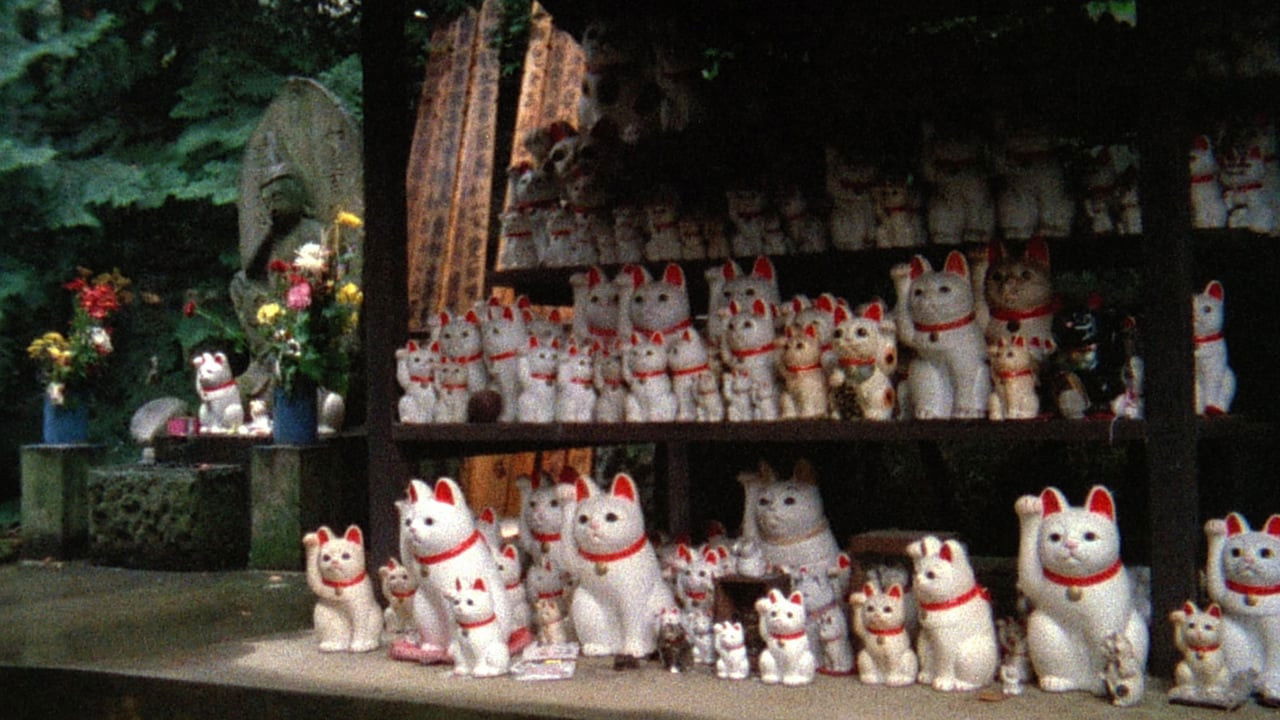
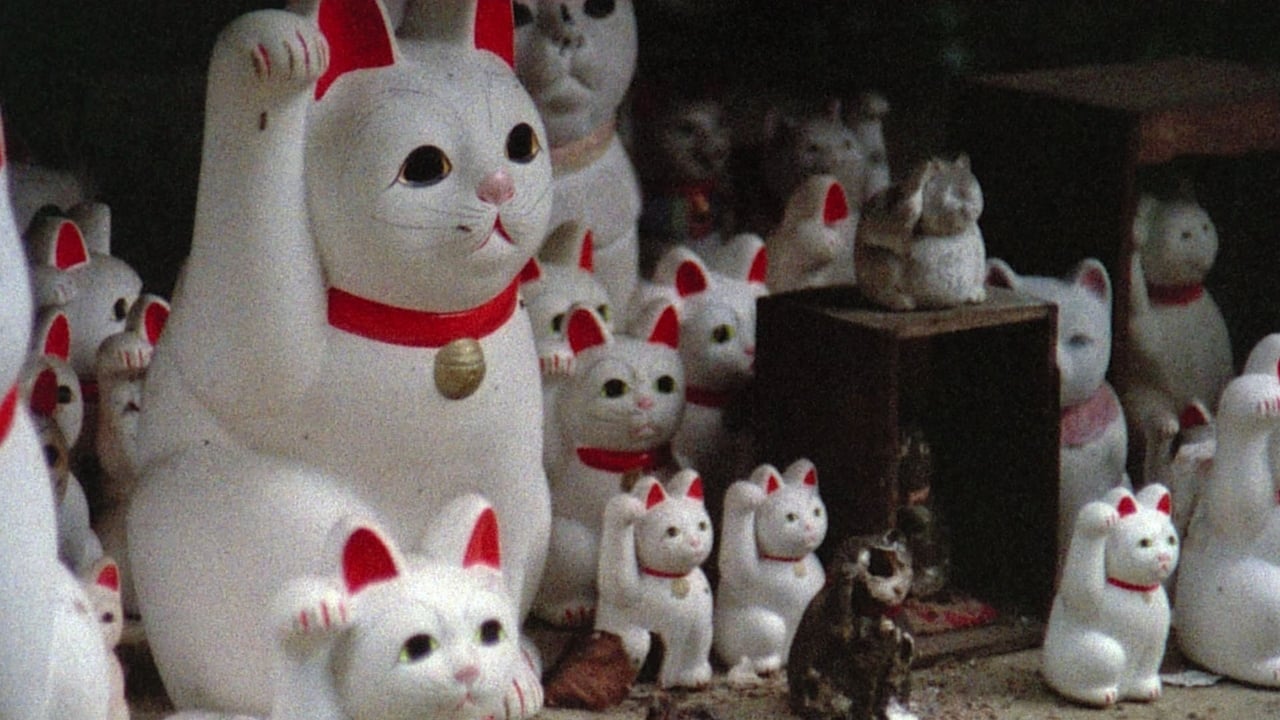
And then there are the cats. Marker’s love for felines is well-documented, and they appear frequently here, often regarded with a quiet reverence. Are they symbols of inscrutable independence, observers unfazed by human folly? Or simply creatures Marker found captivating? Like much in Sans Soleil, their presence invites interpretation without offering easy answers. It’s part of the film’s unique charm – its willingness to embrace ambiguity.
An Artifact of Thought
Sans Soleil (the title itself, meaning "Sunless," is borrowed from a Mussorgsky song cycle about despair and death, adding another layer of resonance) is undeniably challenging. It demands attention and patience, rewarding the viewer not with narrative closure, but with a lingering sense of wonder and a cascade of thoughts. It’s the kind of film that might have sat quietly on a shelf in the "Documentary" or perhaps even "Foreign Films" section of the video store, easily overlooked amidst the louder action and comedy tapes. But for those who took a chance, perhaps guided by a curious cover or a vague memory of its critical acclaim, the reward was immense. It felt like plugging directly into a unique, brilliant mind.
This isn't a film for casual viewing while folding laundry. It asks you to engage, to reflect, to connect the dots yourself. It’s a deeply personal work, yet it speaks to universal human experiences – the passage of time, the ache of memory, the search for meaning in a complex world. Doesn't encountering a film like this remind you of the sheer breadth of cinema that was suddenly accessible, albeit sometimes hidden, during the VHS boom?
Rating: 9/10
The score reflects the film's profound artistry, its innovative spirit, and its enduring power as a landmark of essay filmmaking. It's not a perfect 10 only because its demanding, unconventional nature might make it less accessible for some viewers seeking traditional entertainment. However, its depth, beauty, and intellectual richness are undeniable. Sans Soleil justifies its rating through its masterful weaving of image, sound, and philosophical inquiry, creating an experience that is both deeply personal and universally resonant. It’s a film that doesn’t just show you the world; it changes how you see it.
What lingers most is the voice, calmly guiding us through Krasna's fragmented memories and observations, leaving us with the haunting realization that history, like personal memory, is ultimately a story we tell ourselves.